MindMap Gallery Examination of chest, lungs and breasts
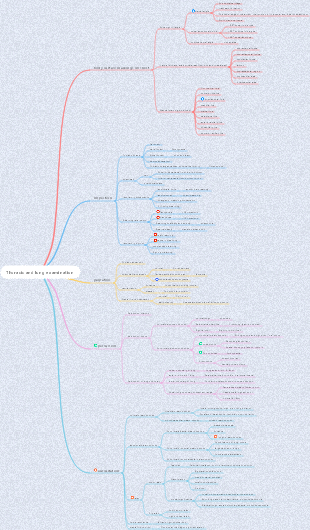
The mind map of the health assessment course for the nursing undergraduate course introduces in detail the examination of the thoracic corridor and lungs, breast examination, chest surface signs and other related knowledge. It is rich in content, summarizes the key points, has a clear structure and a complete system! Very worth learning!
Edited at 2024-10-21 13:51:13これは、「Amazon Reverse Working Method」「Amazon Reverse Working Method」に関するマインドマップです。それは、Amazonの成功の秘密を明らかにし、実用的な作業方法と管理の原則を提供し、Amazon文化を理解し、仕事の効率と創造性を向上させたい読者にとって大きな参照価値です。
Azure BlobストレージにおけるMicrosoftの顕著な進歩とイノベーション、特にChatGptの作成者であるOpenaiの巨大なコンピューティングニーズを効果的にサポートする方法に焦点を当てています。 Azure Blobストレージ製品管理チームのJason Valerieは、JakeとDeverajaと協力して、Azure BlobストレージがOpenaiの大規模なモデルトレーニング、処理データ、ストレージをexebbitレベルまでに行う上で重要な役割を果たしました。議論には、AIワークロードのスケーリングスーパーコンピューターが直面している課題と、地域ネットワークゲートウェイを接続するデータセンターなどのアーキテクチャソリューション、および動的ストレージ容量の拡張を可能にする拡張アカウントの導入が含まれます。技術的な側面は、チェックポイントのメカニズム、大規模なデータ処理、革新的なブロブビューと階層的な名前空間、グローバルデータモビリティ機能をカバーし、Microsoftのグローバルネットワークインフラストラクチャを戦略的に利用して効率的なデータ送信を可能にします。この会話は、高度なAIの研究開発に強力でスケーラブルで効率的なストレージソリューションを提供するというマイクロソフトのコミットメントを完全に示しています。
これは、主にオブジェクト状態の変化、熱エンジン、内部エネルギー、熱比熱容量、温度スケールを含む、熱に関するマインドマップです。紹介は詳細であり、説明は包括的です。
これは、「Amazon Reverse Working Method」「Amazon Reverse Working Method」に関するマインドマップです。それは、Amazonの成功の秘密を明らかにし、実用的な作業方法と管理の原則を提供し、Amazon文化を理解し、仕事の効率と創造性を向上させたい読者にとって大きな参照価値です。
Azure BlobストレージにおけるMicrosoftの顕著な進歩とイノベーション、特にChatGptの作成者であるOpenaiの巨大なコンピューティングニーズを効果的にサポートする方法に焦点を当てています。 Azure Blobストレージ製品管理チームのJason Valerieは、JakeとDeverajaと協力して、Azure BlobストレージがOpenaiの大規模なモデルトレーニング、処理データ、ストレージをexebbitレベルまでに行う上で重要な役割を果たしました。議論には、AIワークロードのスケーリングスーパーコンピューターが直面している課題と、地域ネットワークゲートウェイを接続するデータセンターなどのアーキテクチャソリューション、および動的ストレージ容量の拡張を可能にする拡張アカウントの導入が含まれます。技術的な側面は、チェックポイントのメカニズム、大規模なデータ処理、革新的なブロブビューと階層的な名前空間、グローバルデータモビリティ機能をカバーし、Microsoftのグローバルネットワークインフラストラクチャを戦略的に利用して効率的なデータ送信を可能にします。この会話は、高度なAIの研究開発に強力でスケーラブルで効率的なストレージソリューションを提供するというマイクロソフトのコミットメントを完全に示しています。
これは、主にオブジェクト状態の変化、熱エンジン、内部エネルギー、熱比熱容量、温度スケールを含む、熱に関するマインドマップです。紹介は詳細であり、説明は包括的です。
Thoracic, lung and breast examination
Chest body markings
Assessment of the chest
natural signs
natural depression
skeleton sign
anatomical area
Anterior chest - skeletal landmarks
sternum
manubrium sternum
sternal body
xiphoid process
sternal angle
clavicle
rib cage
thoracic
thorax
Superior abdominal angle (70-110°)
Determine body shape
Slender and elongated into acute angles
Chunky as obtuse angle
Front chest - naturally sunken
suprasternal fossa
supraclavicular fossa
Anterior chest - manual marking
front center line
sternal end
midclavicular line
end of clavicle
Side chest - natural depression and artificial lines
armpit
anterior axillary line
Midaxillary line
posterior axillary line
Back - natural markings and artificial lines
shoulder blade
interscapular area
lower angle of scapula
scapular line
spinous process of spine
posterior midline
costovertebral angle
Purpose
Accurately describe the location and outline of organs, the location and scope of abnormal signs
Examination of the chest and lungs
Inspection
thorax
normal appearance
Features
symmetry
Front and back diameter: left and right diameter
Adult 1:1.5
For children and the elderly, the front-to-back diameter is slightly smaller than the left-to-right diameter.
shape
Oval shape in adults
Children and the elderly are nearly round in shape
Common changes in thoracic shape
①Flat chest
bilaterally symmetrical
Front and back diameter <1/2 left and right diameter
flat shape
Physiology: Slender person
Pathology: chronic wasting disease
②Barrel chest
bilaterally symmetrical
Front and back diameter ≥ left and right diameter
Barrel-shaped, with widened intercostal space and enlarged upper abdominal angle
Physiology: old age, short and fat body type
Pathology: COPD patients
③Rickets chest
bilaterally symmetrical
Front-to-back diameter > Left-to-right diameter
chicken breast, rickets beads, costophrenic groove
④ Funnel chest
bilaterally symmetrical
Significant retraction of xiphoid process
Congenital and familial diseases
⑤ One side or local abnormality of the thorax
Deformed on one side
local bulge
pleural effusion
pneumothorax
Atelectasis
pulmonary fibrosis
local deformation
local bulge
enlarged heart
pericardial effusion
⑥Spinal deformity
Asymmetry on both sides of the chest
congenital malformation
acquired injury
spinal trauma
tuberculosis
chest wall
vein
normal
No obvious veins visible
abnormal
Chest wall venous filling
intercostal space
normal
flat
abnormal
intercostal space depression
upper airway obstruction
left heart failure
intercostal space bulging
tension pneumothorax
Severe COPD
respiratory movements
type
adult women
chest breathing
Adult men and children
abdominal breathing
Abnormal breathing
morphological changes
Chest breathing↓, abdominal breathing↑
Chest breathing↑, abdominal breathing↓
Chest breathing or abdominal breathing↑
Chest breathing or abdominal breathing↓
frequency and depth
Deep and fast
Qian Kuai
Shallow and slow
Over speed
Rhythm
tidal breathing
pause in breathing
Sighing breathing
difficulty breathing
breathability
Partial obstruction of upper respiratory tract
expiratory
Partial obstruction of lower respiratory tract
Mixture
Lung disease → Reduced respiratory area → Ventilation function ↓
palpation
Thoracic expansion
Put your hands on your tenth rib
chest wall
normal
No tenderness or subcutaneous emphysema
local tenderness
Intercostal neuritis, costochondritis, trauma
Substernal tenderness and percussion pain
leukemia
subcutaneous emphysema
Twisting feeling
Chest trauma, rib fractures
Voice tremor
Assessment method
Place the ulnar edges of both hands lightly on symmetrical parts
The patient makes a long sound with a low pitch
From top to bottom, from inside to outside, repeated palpation can be performed crosswise
Compare the similarities and differences of symmetrical parts on both sides
Influencing factors
Tactile vibrato intensity
Enhance
Inflammatory infiltration causes lung tissue mutations
Compressive atelectasis
Lung tissue becomes dense
Air-conditioned pulmonary tuberculosis/pulmonary abscess
weaken or disappear
Bronchial obstruction → Obstruction of sound wave conduction
Alveolar air content↑→sound wave conduction path↑
pneumothorax
Massive pleural effusion
Sound wave conduction is blocked
Pleural friction sensation
ulnar edges of both hands
parts
Anterior and inferior lateral wall of thorax
percussion
method
order from top to bottom
chest
Lateral chest wall
back
Compare symmetrical positions
percussion sound
normal
unvoiced
abnormal
Abnormal voiced/solid sounds
space occupying lesions
pleural effusion
Too unvoiced
Emphysema
Drum sound
pneumothorax
air-conditioned tuberculosis
Percussion of lung boundary
Percuss the lower border of the lungs
method
Percuss from the unvoiced area downward → voiced area
Midclavicular line→midaxillary line→scapular line
Location
Forechest 6
Side chest 8
Back 10
Factors affecting the lower boundary of the lungs
Physiological
Short and fat type: ↑Move up 1 intercostal space
Slender type: ↓Move down one intercostal space
pathological
mobility of lower lung boundary
method
① Breathe calmly
② Take a deep breath → hold your breath
③Exhale deeply→hold your breath
Knock out the lower boundary of the lungs
normal
6-8cm
abnormal
Reduced movement range
shrinkage of lung tissue
Loss of lung tissue elasticity
Inflammation or edema of lung tissue
The movement range cannot be knocked out or disappear
Phrenic nerve palsy
extensive pleural adhesions
Massive pleural effusion
auscultation
Things to note
front→side→back
Up→Down Alternate left and right
intercostal space one by one
complete breathing cycle
content
breath sounds
bronchial breath sounds
normal
loud
abnormal
Lung tissue lesions
large cavities in lungs
Compressive atelectasis
bronchoalveolar breath sounds
medium
Alveolar breath sounds
soft
abnormal
Enhance
weaken/disappear
Prolonged breath sounds
rales
Dry rales
Auscultation characteristics
Breathing obvious
high pitch
long lasting
easy to change
Classification
Low-key dry rales
high pitched rales
clinical significance
extensive
bilateral lungs
bronchial asthma
cardiogenic asthma
limitation
local bronchial stenosis
Bronchial lung cancer
foreign body
moist rales
Auscultation characteristics
Obvious breath at the end of inhalation
intermittent, short-lived
Part fixation
Unchangeable nature
Classification
Big water bubble sound
medium water bubbles
small bubble sound
clinical significance
Important manifestations of lung and bronchial lesions
Local: pneumonia, bronchiectasis, tuberculosis
Lung base: cardiac insufficiency
Whole lung: acute pulmonary edema
pleural friction rub
Normal: None
Auscultation characteristics
The anteroinferior chest wall is easiest to hear
It is most obvious at the end of inhalation and at the beginning of expiration.
clinical significance
pleural inflammation
Primary or secondary tumors of the pleura
Pulmonary lesions involving the pleura
Uremia
Breast examination
Inspection
shape
normal
symmetry
abnormal
Significantly enlarged on one side
Significantly reduced on one side
skin
redness of skin
breast inflammation
local
Swelling, heat and pain
breast cancer
deep red
Area exceeds one quadrant
without pain
breast edema
Inflammatory (plasma extravasation)
With skin redness
Cancerous (lymphedema)
Orange peel-like changes
Skin retraction - dimple sign
Breast suspensory ligament is invaded and shortened
Trauma, inflammation
Breast cancer early stage
nipple
normal
Cylindrical shape, equal size on both sides, similar color
abnormal
nipple retraction
Childhood - abnormal development
Recent – Breast Cancer/Inflammation
nipple discharge
Bloody - breast cancer and mastitis
Yellow – chronic cystic mastitis
Areola
normal
Both sides are equal in size and symmetrical
pink to brown
abnormal
Pigmentation
Axillary and supraclavicular fossa
breast lymphatic drainage
Observe for redness, swelling, ulcers, scars, lumps, etc.
palpation
Technique
Keep your fingertips flat and apply gentle pressure
From shallow to deep, rotate and slide back and forth for palpation
Avoid grabbing and pinching breast glands
order
Healthy side → affected side
Outer → nipple, areola
content
Hardness and elasticity
normal
Elastic, with a fuzzy grainy and pliable feel
abnormal
Local hardness ↑, loss of elasticity (inflammation/infiltration)
tenderness
normal
No tenderness
abnormal
local tenderness
Sudden onset, persistent → inflammatory lesions
Episodic, premenstrual → proliferative lesions
Dull or dull pain, irregular → Be wary of malignant diseases
lumps
Size and shape
parts
Stiffness and mobility
Benign: greater mobility Inflammation: the mass is relatively fixed Nausea: movable in the early stage and fixed in the late stage