MindMap Gallery Weight loss tips
About eating, about medicine, about aerobic exercise, about meal replacement, about Mediterranean diet, about light fasting and so on. Whether you are a novice trying to lose weight for the first time, or a seasoned veteran looking for a breakthrough, you can find practical advice and inspiration here, allowing you to enjoy the weight loss process while gradually moving towards a lighter and more energetic self. .
Edited at 2024-11-19 10:18:16魯米:靈性覺醒的10個維度。當你停止尋找自己,便會找到整個宇宙,因為你正在尋找的東西,也在尋找你。任何你每天持之以恆在做的事情,都可以為你打開一扇通向精神深處的門。靜默中,我滑入祕境,萬般皆妙樂觀察身邊的神奇,不要聲張。你生而有翼,為何喜歡爬行?靈魂擁有了它自己的耳朵,能夠聽到頭腦無法理解的事情。向內尋求一切的答案吧,宇宙中的一切都在你體內。情人們並不最終相遇某處,這個世界沒有離別。傷口是光進入你內心的地方。
慢性心力衰竭,不僅僅是心率的快慢問題!它源於心肌收縮與舒張功能的下降,導致心輸出量不足,進而引發肺循環充血和體循環淤血。從病因、誘因到代償機制,心衰的病理生理過程複雜多樣。通過控制水腫、減輕心臟前後負荷、改善心臟舒縮功能,以及防治基本病因,我們可以有效應對這一挑戰。了解心衰的機制與臨床表現,掌握防治策略,才能更好地守護心臟健康。
缺血再灌注損傷是器官或組織恢復血液供應後,細胞功能代謝障礙和結構破壞反而加重的現象。其主要機制包括自由基生成增多、鈣超載以及微血管和白細胞的作用。心臟和腦是常見的受損器官,表現為心肌代謝和超微結構變化、心功能下降等。防治措施包括清除自由基、減輕鈣超載、改善代謝和控制再灌注條件,如低鈉、低溫、低壓等。理解這些機制有助於製定有效治療方案,減輕缺血性損傷。
魯米:靈性覺醒的10個維度。當你停止尋找自己,便會找到整個宇宙,因為你正在尋找的東西,也在尋找你。任何你每天持之以恆在做的事情,都可以為你打開一扇通向精神深處的門。靜默中,我滑入祕境,萬般皆妙樂觀察身邊的神奇,不要聲張。你生而有翼,為何喜歡爬行?靈魂擁有了它自己的耳朵,能夠聽到頭腦無法理解的事情。向內尋求一切的答案吧,宇宙中的一切都在你體內。情人們並不最終相遇某處,這個世界沒有離別。傷口是光進入你內心的地方。
慢性心力衰竭,不僅僅是心率的快慢問題!它源於心肌收縮與舒張功能的下降,導致心輸出量不足,進而引發肺循環充血和體循環淤血。從病因、誘因到代償機制,心衰的病理生理過程複雜多樣。通過控制水腫、減輕心臟前後負荷、改善心臟舒縮功能,以及防治基本病因,我們可以有效應對這一挑戰。了解心衰的機制與臨床表現,掌握防治策略,才能更好地守護心臟健康。
缺血再灌注損傷是器官或組織恢復血液供應後,細胞功能代謝障礙和結構破壞反而加重的現象。其主要機制包括自由基生成增多、鈣超載以及微血管和白細胞的作用。心臟和腦是常見的受損器官,表現為心肌代謝和超微結構變化、心功能下降等。防治措施包括清除自由基、減輕鈣超載、改善代謝和控制再灌注條件,如低鈉、低溫、低壓等。理解這些機制有助於製定有效治療方案,減輕缺血性損傷。
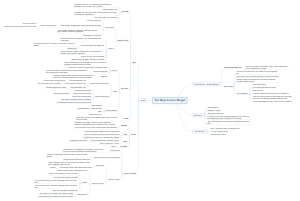
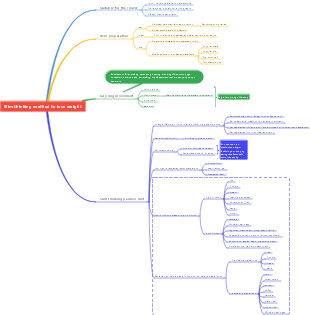
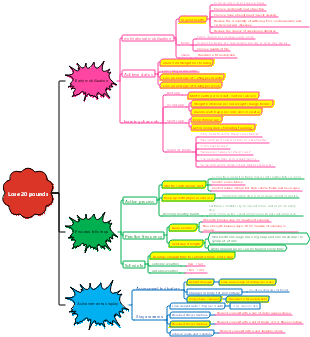
Weight loss tips
Three principles of goal: If you achieve good health, losing weight is just a by-product.
Not just for health, but for beauty and competitiveness
Be prepared to make lifestyle changes other than weight loss
Find like-minded people to work with, don’t practice alone
About eating
Four principles for choosing food: First, the less processing, the better; Second, the more complete the food, the better; Third, choose naturally unsaturated fats; Fourth, the purer the protein, the better. As long as you ensure an energy gap of 500-750 calories a day, you can mix and match as you like and you can slowly lose weight.
The less processed the ingredients, the better Hot pot is better than stir-frying, stir-frying is better than frying, and frying is better than deep-frying (don’t use butter for the bottom of the hot pot, and don’t use sesame paste for seasoning) Stick to fresh ingredients for 21 days and your sense of taste will slowly recover
The more complete the food, the better If you can't peel it, don't peel it. If you can't squeeze it, don't squeeze it. If you can make it rough, don't be fine.
Choose fats that are naturally unsaturated Various plants and sea animals (except coconut oil and palm oil), nuts (a handful per day) Eat fish at least 2 times a week Artificial trans fatty acids, never touch them
The purer the protein, the better You should supplement at least 1 gram per kilogram of body weight every day, and it would be better if you can supplement 1.5 grams. If you can choose to swim in the water, choose one that flies in the sky; if you can choose to fly in the sky, choose one that runs on the ground; if you can choose to run on the ground, don't choose to run or can't run. Fish, shrimp, pigeon meat, rabbit meat, chicken breast, duck breast, donkey meat, lean beef, lean lamb, pork ham and ribs. There are also plant proteins.
Three meals a day
You must eat breakfast, otherwise you will gain weight
Don’t have dinner after 21 o’clock at the latest, otherwise you will gain weight (Set an alarm clock and brush your teeth as soon as eight o'clock in the evening. After brushing your teeth, the urge to eat will be greatly reduced)
For the rest, just eat a few random meals to ensure the "energy gap"
Specific matching suggestions (Four Plate Method 2-1-1 principle): Place vegetables and fruits on half of the plate, about half a catty of vegetables of various colors plus 4 taels of fruit; Leave half of the remaining space for about 2 taels of lean meat and 1 tael of tofu; The last 1/2 is reserved for whole grain staple food, about three taels. Brown rice, whole wheat noodles, potatoes, yams, pumpkins, and corn are all counted here.
Other methods that may be effective
Drugs: Orlistat, metformin
You have to take medicine for a long time, it is better to exercise more and sleep more
Orlistat reduces fat by 30%, but you have to wash your underwear frequently (fatty diarrhea)
The efficacy of metformin is questionable, and the long-term effect is not obvious
All other medicines have side effects or IQ taxes
Without exercise, everything is useless
sports
Exercise alone is useless. It must be combined with changes in diet and other lifestyles.
Fat burning exercise: ①Aerobic ②Suitable strength ③The time is long enough
The optimal heart rate for aerobic exercise = (220 - age - resting heart rate) X | 40%-60% | resting heart rate
Moderate intensity cardio requires at least 30 minutes
HIIT, also called "high-intensity interval training" 25 minutes = 41 minutes of moderate intensity, but it is difficult to persist and prone to injury
The most reliable method recommended by the authoritative guide for scientific weight loss is not HIIT, but more than 150 minutes of moderate-intensity aerobic exercise per week.
Among all exercises, brisk walking has the highest weight loss success rate, higher than moderate-intensity jogging, swimming, and HIIT.
Lose fat, but also get in shape: Reshape waist-to-hip ratio
Reduce waist circumference. Waist size is determined by the amount of visceral fat and subcutaneous fat in the abdomen. Aerobic exercise such as jogging and swimming can reduce visceral fat very well. But this is not enough. It is also necessary to combine certain strength training and do some exercises to exercise the waist and abdominal muscles. Exercises like abdominal crunches, glute bridges, and barbells all have good waist-slimming effects.
Increase hip circumference. This requires exercising the gluteus maximus and gluteus medius muscles, and compound movements such as squats, planks, and push-ups are good.
When the buttocks are raised, the visual effect of the legs will be elongated by 5-10cm
psychological intervention
Scientifically manage stress
Change your thinking: For example, set a short-term small goal for yourself. It doesn’t have to be too difficult, and the time period doesn’t need to be too long. Give yourself a reward when you complete it.
Self-test: weigh yourself, take photos of your food and drink
Actively relieve and vent: try yoga, meditation, mindfulness; gossip and complain with family and friends, or join a weight loss exercise community to talk when you are in a bad mood.
sleep management Lack of sleep is associated with increased BMI. Compared with those who slept 7-8 hours a night, those who slept 5 hours or less were 3.7 times more likely to be obese and 2.3 times more likely for women.
Sleeping between 6-8 hours can consume 400-500 kcal of energy, which is equivalent to running 10 kilometers. If you sleep less than 6 hours, your body will secrete hormones that stimulate appetite, making you talk non-stop and eat more when you stay up late. But it doesn’t work for more than 8 hours. Not only will the energy consumed during sleep no longer increase, but it will also lead to a decrease in energy consumed during the day.
Have deep sleep (increase leptin secretion and reduce hunger) How to ensure deep sleep? Don't be so stressed when you go to work; try to sweat a little during the day and don't sit still all the time. In short, the body is tired and the brain is relaxed. And please note that you must not eat anything 4 hours before going to bed, including fruits.
Sleep regularly Staying up late is not terrible. If you have to stay up late, try to stay up regularly. For example, if you go to bed at 12 o'clock tonight and get up at 8 o'clock tomorrow, then try to keep this fixed time tomorrow, and weekends are no exception.
Diet: Mediterranean diet Slow is fast
Pyramid structure: Carbohydrates, including staple foods, various vegetables, and fruits, occupy the bottom of the pyramid and are eaten the most every day; On the upper level are various soy products and dairy products, which are also eaten every day; On the next level, the amount is smaller, olive oil and nuts, which are also eaten every day. The next step is fish, shrimp, chicken, and duck, which should be eaten at least two to three times a week; On top are desserts, pork, beef and mutton, which can be had once a week.
This eating pattern is nutritionally balanced, with carbohydrates accounting for 50-60% of total energy, fats 20-30%, and protein about 20%. Although there is no obvious short-term effect like a low-carbohydrate diet, a low-fat diet or a very low-energy diet, in the long run, it is the easiest way to adhere to and the least likely to rebound.
This brings not only weight loss, but also health. In 8 studies involving more than 400,000 people, we found that if the proportion of carbohydrates in total energy is less than 40% or higher than 70%, for the general population, the risk of death increases by more than 20%; while 50-50% A medium carbohydrate ratio of about 55% has the lowest risk of death. In areas with the longest longevity in the world, the proportion of carbohydrates is also around 50%.
Meal replacement
Effective and can reduce weight. Moreover, this weight loss effect can stand the test of time; meal replacement is actually very safe while losing weight and getting in shape.
How to choose the right meal replacement Definition: It is a food product developed to lose weight or maintain the effects of weight loss, and to replace one or two meals a day.
First of all, a good weight loss meal replacement must contain a certain amount of energy Meal replacements replace meals and must contain a certain amount of energy, about 150-350 calories.
In addition to containing energy, the energy substances in meal replacements must be matched in a certain proportion. In terms of trace elements, different meal replacements vary greatly. A good meal replacement should contain vitamins ABCDEK, calcium, iron, zinc, and fiber.
The criteria for a good meal replacement are: first, it contains energy, and the proportion of energy and substances is reasonable; second, it must be sufficient in various vitamins and trace elements. As long as these two items are met, it is a qualified meal replacement. As for other aspects, there is not much difference between the brands, just choose the one with good quality and low price.
Light fasting
What to eat? You need to control your caloric intake within a very low range, usually 500-700 calories. Men can have more, women can have less.
Choose foods with a low glycemic index to help you get hungry more slowly. The slower your blood sugar rises, the slower your hunger will come on.
High glycemic index foods: GI value > 70 Vegetables: carrots, pumpkins, yams Fruits: dates, pineapple, longan, lychee, watermelon Snacks: mashed potatoes, French fries, puffed food, rice cakes, popcorn, puffed crispy biscuits, waffles, wheat biscuits, strawberry jam Staple food grains: fried dough sticks, oatmeal, pancakes, noodles (pure wheat flour), glutinous rice, steamed buns (pure wheat flour), white rice, French baguette, millet (boiled), brown rice (boiled), corn flakes, white wheat bread ,broad bean Milk and beverages: condensed milk, yogurt Sugar and sugar: white sugar, glucose, maltose, honey, gummy candy, milk sugar
Medium glycemic index foods: GI value 46 - 70 Vegetables: corn, taro, sweet potato, beet, pumpkin Fruits: raisins (dried raisins), ripe bananas, mangoes, kiwis (kiwi), pineapples, pineapples Meat: chicken, duck (goose) meat, pork, mutton, beef Milk and beverages: Coke, orange juice, ice cream, Fanta, orange juice Staple food grains: egg noodles, udon noodles, whole wheat flour bread, rye flour bread, sweet corn, couscous, soybean noodles, wheat flakes, oat bran, boiled white potatoes, high fiber rye crackers Sugar and Sugar Sugars: Lactose, chocolate, sucrose
Low glycemic index foods: GI value < 46 Vegetables: spinach, seaweed, kelp, bean sprouts, Chinese cabbage, Chinese cabbage, cucumber, tomato, lettuce, fungus, cabbage, lettuce, bitter gourd, white radish, celery, rape, eggplant, broccoli, cabbage, leek, cauliflower, Cabbage, green pepper, daylily Beans: soybeans, frozen tofu, dried tofu, sword beans, mung beans, fresh tofu, lentils, soybeans, red beans Fruits: cherries, grapefruit, strawberries, raw bananas, apricots, papayas, apples, pears, cantaloupe, peaches, oranges Grape Meat and eggs: eggs, fish, shrimp, crab Milk and beverages: sugar-free yogurt, milk, cream, skim milk, tomato juice, coffee, apple juice, coffee, black tea Staple food grains: vermicelli, lotus root starch, soba noodles (boiled), black rice, macaroni, barley grains (boiled), konjac flour, rye bread, mixed grain bread Sugar and sugars: sugar substitutes, fructose
Ensure protein intake of more than 1g (preferably 1.5g) per kilogram of body weight. With sufficient protein, the human immune system can work properly and people are less likely to get sick. You can choose foods such as low-fat milk, eggs, and lean meat as sources of protein.
Ensure vitamin and fiber supplements. Eat vegetables and fruits of various colors together. Low-calorie fruits like apples, blueberries, and kiwis are great, not only supplementing vitamins but also fiber. For an even simpler option, consider taking a multivitamin tablet.
When to eat?
This 500-700 kcal food should be eaten within 6-8 hours
This 6-8 hour period can be freely chosen
Rotation plan: light fasting every other day, no more than 3 days a week
5 2 plan: fast for any two days in a week, and keep the rest as normal
Don’t be greedy, the intake should not be less than this value, and the time should not exceed 4 days
Reference plan (half year)
In the first month, there is only one day of light fasting per week. On this day, you can eat 1,000 calories of food, from 8 a.m. to 6 p.m., and eat it within 10 hours.
In the second month, we added one day a week and two days of light fasting, still 1,000 calories a day, and reduced the eating time to 8 hours. Eat normally on other days.
In the third month, it was still two days a week, reduced to 750 calories a day, and the eating time was reduced to 6 hours.
In the fourth month, eat a little less every day, two days a week, to 500 calories, and the eating time is still 6 hours.
Keep this up for another two months
During the early stages of light fasting, most people experience feelings of hunger, irritability, and decreased concentration. Don't worry, these reactions will almost completely disappear within 1 month, and most people can continue.