MindMap Gallery Research progress on the bidirectional association between sleep disorders and postoperative cognitive dysfunction in the elderly (2)
Sleep disorders and postoperative cognitive dysfunction in the elderly are more likely to be cross-talk rather than a single causal relationship. At present, there are few relevant clinical trials and there is a basic experimental mechanism of design inhibition. The exploration of early screening and timely intervention of sleep disorders, which mostly stays at the phenotypic level, may be an effective strategy to prevent PO CD in the elderly, but more clinical trials and Basic research data support.
Edited at 2024-11-18 20:14:52魯米:靈性覺醒的10個維度。當你停止尋找自己,便會找到整個宇宙,因為你正在尋找的東西,也在尋找你。任何你每天持之以恆在做的事情,都可以為你打開一扇通向精神深處的門。靜默中,我滑入祕境,萬般皆妙樂觀察身邊的神奇,不要聲張。你生而有翼,為何喜歡爬行?靈魂擁有了它自己的耳朵,能夠聽到頭腦無法理解的事情。向內尋求一切的答案吧,宇宙中的一切都在你體內。情人們並不最終相遇某處,這個世界沒有離別。傷口是光進入你內心的地方。
慢性心力衰竭,不僅僅是心率的快慢問題!它源於心肌收縮與舒張功能的下降,導致心輸出量不足,進而引發肺循環充血和體循環淤血。從病因、誘因到代償機制,心衰的病理生理過程複雜多樣。通過控制水腫、減輕心臟前後負荷、改善心臟舒縮功能,以及防治基本病因,我們可以有效應對這一挑戰。了解心衰的機制與臨床表現,掌握防治策略,才能更好地守護心臟健康。
缺血再灌注損傷是器官或組織恢復血液供應後,細胞功能代謝障礙和結構破壞反而加重的現象。其主要機制包括自由基生成增多、鈣超載以及微血管和白細胞的作用。心臟和腦是常見的受損器官,表現為心肌代謝和超微結構變化、心功能下降等。防治措施包括清除自由基、減輕鈣超載、改善代謝和控制再灌注條件,如低鈉、低溫、低壓等。理解這些機制有助於製定有效治療方案,減輕缺血性損傷。
魯米:靈性覺醒的10個維度。當你停止尋找自己,便會找到整個宇宙,因為你正在尋找的東西,也在尋找你。任何你每天持之以恆在做的事情,都可以為你打開一扇通向精神深處的門。靜默中,我滑入祕境,萬般皆妙樂觀察身邊的神奇,不要聲張。你生而有翼,為何喜歡爬行?靈魂擁有了它自己的耳朵,能夠聽到頭腦無法理解的事情。向內尋求一切的答案吧,宇宙中的一切都在你體內。情人們並不最終相遇某處,這個世界沒有離別。傷口是光進入你內心的地方。
慢性心力衰竭,不僅僅是心率的快慢問題!它源於心肌收縮與舒張功能的下降,導致心輸出量不足,進而引發肺循環充血和體循環淤血。從病因、誘因到代償機制,心衰的病理生理過程複雜多樣。通過控制水腫、減輕心臟前後負荷、改善心臟舒縮功能,以及防治基本病因,我們可以有效應對這一挑戰。了解心衰的機制與臨床表現,掌握防治策略,才能更好地守護心臟健康。
缺血再灌注損傷是器官或組織恢復血液供應後,細胞功能代謝障礙和結構破壞反而加重的現象。其主要機制包括自由基生成增多、鈣超載以及微血管和白細胞的作用。心臟和腦是常見的受損器官,表現為心肌代謝和超微結構變化、心功能下降等。防治措施包括清除自由基、減輕鈣超載、改善代謝和控制再灌注條件,如低鈉、低溫、低壓等。理解這些機制有助於製定有效治療方案,減輕缺血性損傷。
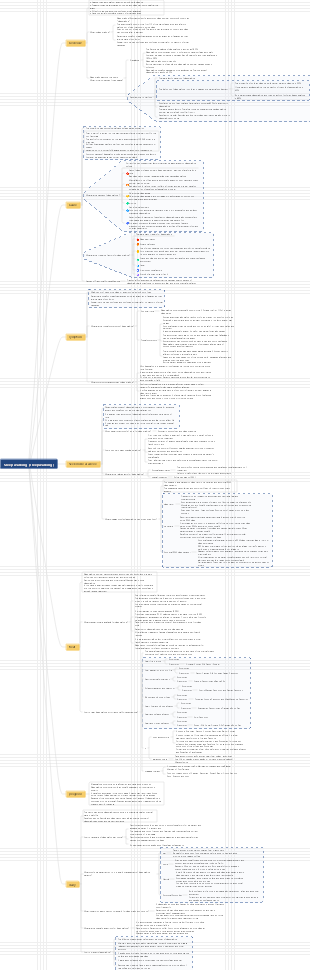
Research progress on the bidirectional association between sleep disorders and postoperative cognitive dysfunction in the elderly
Research background
Perioperative neurocognitive impairment: is a common complication of anesthesia surgery, characterized by impairments in memory, attention, and social skills. include
Preoperative cognitive dysfunction
postoperative delirium
Postoperative cognitive dysfunction (POCD)
Delayed neurocognitive recovery
Cognitive dysfunction 12 months after surgery
Sleep disorder: refers to difficulty in sleeping time or quality in a good environment and significantly affecting daytime function. include
Insomnia
Circadian rhythm sleep-wake disorders
sleep related breathing disorders
Current status: ①POCD is a common central nervous system complication of anesthesia and surgery in elderly patients, seriously affecting the patient's quality of life. ② my country has a large proportion of elderly patients, and about 40% of the elderly face sleep disorders. ③Research shows that there is a two-way effect between sleep disorders and POCD in the elderly, and sleep problems may cause POCD.
Research bottleneck: There are few clinical trials, and the mechanism exploration in basic experiments mainly stays at the phenotypic level.
Research ideas
Bidirectional relationship between different types of sleep disorders and POCD in the elderly
Bidirectional relationship between insomnia and PO CD in the elderly
subtopic
Bidirectional relationship between Crs wd and elderly bocd
Although clinical studies have not clarified the direct relationship between melatonin and elderly po CD, supplementing melatonin can improve postoperative sleep disorders and postoperative sleep-wake rhythm disorders in basic research on early po CD, which is considered to be the cause of po CD in elderly mice. Causes of disease. Changes in melatonin secretion and depressed mood may affect the occurrence of po CD.
Crs wd is a manifestation of po CD, which is a common symptom of waking up at night. After major abdominal surgery and liver transplantation, it has been reported that elderly po CD patients have sleep-wake rhythm disorders that worsen and persist for many years.
Analysis of the correlation between sleep-related breathing disorders and PO CD in the elderly
Obstructive sleep apnea in sleep-related breathing disorders. Clinical evidence related to po CD is controversial. Some studies believe that high-risk osa patients have less memory impairment after anesthesia, but this study may have false negative results for po CD. Another study pointed out that Chinese OSA patients with excessive daytime sleepiness have an increased risk of PO CD. In addition to preoperative osa and postoperative osa as a pulmonary complication, cognitive deficits are also known
Mechanism correlation.
Neuroinflammation
The central role of neuroinflammation in elderly POCD
Surgery and anesthesia can induce an inflammatory response in the central nervous system, causing neuronal damage and dysfunction, ultimately leading to the occurrence of POCD.
Cross-linking between neuroinflammation and sleep disorders
① Sleep disorders can promote the expression of complement C3 and C5 in the hippocampus, activate microglia, and upregulate pro-inflammatory factors, thus worsening neuroinflammation. Pro-inflammatory factors can also promote cell apoptosis and neuron phagocytosis.
②Neuroinflammation can reversely regulate the sleep process and affect endogenous sleep regulatory molecules (such as adenosine to regulate sleep homeostasis and cytokines to promote non-rapid movement sleep), and the two form a vicious positive feedback loop.
Accelerating the development of POCD
Preoperative sleep deprivation can induce hippocampal inflammatory responses and impair cognitive abilities in aged mice. Sevoflurane anesthesia downregulates the expression of peroxisome proliferator-activated receptor γ in the hippocampus, causing neuroinflammation and leading to cognitive decline in OSA mice.
This suggests that sleep disorders, surgery, and anesthesia play a role in the development of POCD by triggering neuroinflammation, suggesting that key triggers of neuroinflammation may serve as potential targets for preventing POCD.
oxidative stress
Main pathological mechanisms in POCD
Due to the high basal oxygen consumption and low antioxidant levels of the brain, the nervous system is susceptible to oxidative stress, and the POCD hippocampus shows oxidative stress damage changes such as increased reactive oxygen species (ROS).
Positive feedback relationship with sleep disorders
Sleep disorders can cause an imbalance between oxidative and antioxidant effects, leading to oxidative stress. Mitochondria play a central role in this process, producing ROS to cause damage. Mitochondria ROS can also regulate sleep-wake states. Increased expression of antioxidant genes shortens sleep time, and reducing ROS levels promotes wakefulness.
Related pathological changes and significance
The interaction between sleep disorders and oxidative stress can cause cognitive-related pathological changes, such as β-amyloid deposition, and participate in the POCD process. Reducing hippocampal oxidative stress can improve postoperative cognitive function in sleep-deprived rats.
protein deposition
Brain protein deposits key to cognitive impairment
Pathological deposition of brain proteins (such as Aβ and tau protein) is a key pathological feature of various cognitive impairment diseases. Aβ deposition plays an important role in POCD and can be used as a cerebrospinal fluid biomarker to predict the occurrence of POCD.
Bidirectional association with sleep disorders
Sleep disorders can interfere with Aβ clearance and promote Aβ accumulation. On the contrary, Aβ accumulation can also worsen sleep disorders. The sleep disorder in the background of POCD and the self-reinforcing mechanism of Aβ deposition need further verification.
Hyperphosphorylation of Tau protein is involved in the pathogenesis of PoCD. Sleep deprivation and sleep-wake cycle disorders will increase brain tau protein levels. Mice carrying pathological tau protein show changes in sleep patterns.
Lymphoid system dysfunction
The focus of lymphoid system in the study of elderly POCD
The lymphoid system is responsible for clearing neurotoxic compounds from the brain. Anesthetic drugs and postoperative systemic inflammation have an inhibitory effect on its function. Stabilizing the acute state of aquaporin can improve the lymphoid system and relieve POCD symptoms.
Association and significance with sleep disorders
Sleep disorders can also damage lymphoid drainage, regulate AQP4 expression and affect cognitive behavior.
intervention strategies
pharmacological intervention
Dexmedetomidine: Infusion of dexmedetomidine for elderly patients during surgery can prolong sleep time and improve sleep quality. It is generally believed that Youmi can improve po CD in aged mice, but there are differences in clinical efficacy. Infusion of 0.5ug/(kg/h) dextromethamine during anesthesia can improve sleep quality and the occurrence of POCD within 7 days after surgery, but the mild sedation dose has no advantage on POCD within 7 days and one year after surgery.
Melatonin: Supplementing exogenous melatonin can treat sleep disorders in the elderly. The improvement effect on POCD is particularly significant in elderly individuals. Starting 1 day before surgery, taking 1 mg of melatonin orally for 5 consecutive days can improve early POCD; however, in In clinical trials regardless of age, supplementing six milligrams of melatonin for three consecutive months only improved sleep quality but did not affect cognitive function.
nonpharmacological intervention
Non-drug therapies such as photoacoustic therapy and repetitive transcranial magnetic stimulation are non-invasive and have few side effects. They regulate brain sleep through photogenic or magnetic stimulation of specific frequencies and intensity respectively. Brain electrical activity in relevant areas to achieve therapeutic effects, but clinical trials are still needed to verify its therapeutic effect and safety on elderly po CD.
Summary and Outlook
Research conclusion
Sleep disorders and postoperative cognitive dysfunction in the elderly are more likely to be cross-talk rather than a single causal relationship. At present, there are few relevant clinical trials and there is a basic experimental mechanism of design inhibition. The exploration of early screening and timely intervention of sleep disorders, which mostly stays at the phenotypic level, may be an effective strategy to prevent PO CD in the elderly, but more clinical trials and Basic research data support.
Research innovativeness
The bidirectional relationship with po CD and its mechanism were explored from various types of sleep disorders.
shortcomings
There are few clinical trials and there are design inhibitory mechanisms. The exploration of basic experimental mechanisms mainly stays at the phenotypic level and lacks in-depth exploration. Regarding the intervention and treatment of sleep disorders, in terms of the elderly with PO CD, the optimal dosage and time of some drug interventions are uncertain, and non-drug interventions lack clinical trial verification. Their therapeutic effect and safety on elderly PO CD
future research directions
First, at the mechanistic level, combined with the overlap of neuropathological changes, partial exploration of common biomarkers
2. Establish consistent diagnostic methods in terms of diagnosis, consider incorporating sleep quality into diagnostic criteria, and use artificial intelligence technology to establish predictive tools
3. In terms of treatment, we take comfortable medical care as the concept, aim to reduce intraoperative stress, and focus on brain protection and physical therapy strategies.
Fourth, in terms of postoperative rehabilitation, build a suitable rehabilitation environment, provide individualized care plans, and introduce the concept of health care.