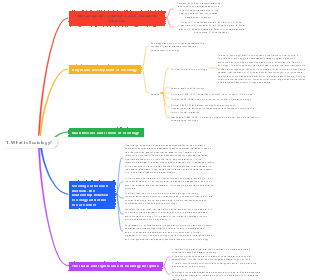
MindMap Gallery Psychology Overview
This is a mind map about an overview of psychology, concept: the science of studying psychological imagination and development laws, also known as psychological activities (animals and people, human beings are the main objects), natural science and natural science, the intersecting edge science.
Edited at 2024-11-18 09:55:32魯米:靈性覺醒的10個維度。當你停止尋找自己,便會找到整個宇宙,因為你正在尋找的東西,也在尋找你。任何你每天持之以恆在做的事情,都可以為你打開一扇通向精神深處的門。靜默中,我滑入祕境,萬般皆妙樂觀察身邊的神奇,不要聲張。你生而有翼,為何喜歡爬行?靈魂擁有了它自己的耳朵,能夠聽到頭腦無法理解的事情。向內尋求一切的答案吧,宇宙中的一切都在你體內。情人們並不最終相遇某處,這個世界沒有離別。傷口是光進入你內心的地方。
慢性心力衰竭,不僅僅是心率的快慢問題!它源於心肌收縮與舒張功能的下降,導致心輸出量不足,進而引發肺循環充血和體循環淤血。從病因、誘因到代償機制,心衰的病理生理過程複雜多樣。通過控制水腫、減輕心臟前後負荷、改善心臟舒縮功能,以及防治基本病因,我們可以有效應對這一挑戰。了解心衰的機制與臨床表現,掌握防治策略,才能更好地守護心臟健康。
缺血再灌注損傷是器官或組織恢復血液供應後,細胞功能代謝障礙和結構破壞反而加重的現象。其主要機制包括自由基生成增多、鈣超載以及微血管和白細胞的作用。心臟和腦是常見的受損器官,表現為心肌代謝和超微結構變化、心功能下降等。防治措施包括清除自由基、減輕鈣超載、改善代謝和控制再灌注條件,如低鈉、低溫、低壓等。理解這些機制有助於製定有效治療方案,減輕缺血性損傷。
魯米:靈性覺醒的10個維度。當你停止尋找自己,便會找到整個宇宙,因為你正在尋找的東西,也在尋找你。任何你每天持之以恆在做的事情,都可以為你打開一扇通向精神深處的門。靜默中,我滑入祕境,萬般皆妙樂觀察身邊的神奇,不要聲張。你生而有翼,為何喜歡爬行?靈魂擁有了它自己的耳朵,能夠聽到頭腦無法理解的事情。向內尋求一切的答案吧,宇宙中的一切都在你體內。情人們並不最終相遇某處,這個世界沒有離別。傷口是光進入你內心的地方。
慢性心力衰竭,不僅僅是心率的快慢問題!它源於心肌收縮與舒張功能的下降,導致心輸出量不足,進而引發肺循環充血和體循環淤血。從病因、誘因到代償機制,心衰的病理生理過程複雜多樣。通過控制水腫、減輕心臟前後負荷、改善心臟舒縮功能,以及防治基本病因,我們可以有效應對這一挑戰。了解心衰的機制與臨床表現,掌握防治策略,才能更好地守護心臟健康。
缺血再灌注損傷是器官或組織恢復血液供應後,細胞功能代謝障礙和結構破壞反而加重的現象。其主要機制包括自由基生成增多、鈣超載以及微血管和白細胞的作用。心臟和腦是常見的受損器官,表現為心肌代謝和超微結構變化、心功能下降等。防治措施包括清除自由基、減輕鈣超載、改善代謝和控制再灌注條件,如低鈉、低溫、低壓等。理解這些機制有助於製定有效治療方案,減輕缺血性損傷。
Psychology Overview
Research object
Concept: The science of studying psychological imagination and development laws, also known as psychological activities (Animals and people, artificial main objects) Natural science and natural science, the intersection of edge science in the middle
structure of psychological phenomena (mental activity)
mental process (Commonality, foundation, dynamics)
Cognitive processes: sensation, perception, memory, imagination, thinking
emotion, affective process: emotion, emotion
Willing Process: Willing Action
Notice (shared characteristics)
mental state
along with other mental processes
personality psychology (personality, static, relatively stable)
Personality tendencies: needs (basis, source), motivations, interests, hobbies, ideals, beliefs, world view (highest level) ①Dynamic system ②The most active ③Determines choices and trends
Personality psychological characteristics: ability, temperament, character ① Combination ② Stable, reflecting the person’s mental outlook
Main contents of psychological research
individual behavior and individual psychology
individual psychology and social psychology
Individual consciousness (awareness of external things, awareness of internal stimuli, awareness of oneself) and individual unconsciousness
Basic tasks of psychological research
Describe and measure human psychology
Understand and explain the human mind
Predicting and controlling human psychology
substance
Psychology is the function of the brain, and the brain is the organ and material basis of psychology
nervous system
Neuron: cell body (integrates information), dendrites (short, receives information), axon (long, transmits information)
structure
central nervous system
Low level
Spinal cord: instinctive response
Brain stem: (midbrain, pons, brain oblongata) breathing, heartbeat
Diencephalon: visceral sensation
Cerebellum: balance and coordination
Life center: brain oblongata (preferred), brainstem Limbic center: hippocampus (memory), amygdala (emotion)
advanced
Left hemisphere of the brain: abstraction, speech
Right hemisphere of the brain: image, space, art
Frontal lobe: motor, parietal lobe: sensory, occipital lobe: visual, temporal lobe: auditory Maturity sequence: Occipital → Temporal → Parietal → Frontal
peripheral nervous system
Somatic nervous system: 12 pairs of cranial nerves and 31 pairs of spinal nerves
Autonomic nervous system: sympathetic nervous system (promotion, excitement), parasympathetic nervous system (inhibition)
Reflection and reflex arc
unconditioned reflex
innate instinct
People and animals shed tears at the sight of wind and scare the snake away.
conditioned reflex the day after tomorrow
first signaling system
people animals
Specific signal Physical stimulus
Look at plum blossoms to quench thirst, frightened bird
Second signaling system
unique to people
abstract signal language
Talk about a tiger's complexion and become frightened upon hearing the news
excitement and inhibition
diffusion and concentration
Diffusion of excitement = concentration of inhibition
Diffusion of inhibition = concentration of excitement
mutual induction
Positive induction: inhibition → excitement
Positive induction at the same time
follow-up positive induction
Negative induction: excitation → inhibition
Simultaneous negative induction
subsequent negative induction
Psychology is the human brain’s subjective response to reality
Objective reality determines human psychology
Psychology is the human brain’s subjective impression of objective reality
Psychology is the active response of the human brain to objective reality (active knowledge)
Origin and development
historical background
modern philosophy (theoretical basis)
Aristotle's "On the Soul" is the first work in history to discuss various psychological phenomena.
Locke, Empiricism, Essay on Human Understanding
Descartes, rationalism
experimental physiology
Fechner's "Principles of Psychophysics" pioneered scientific experimental methods and laid the foundation for experimental psychology.
Muller Helmholtz
produce
Time: 1879
Character: Wundt→Father of psychology, father of scientific psychology, standard-bearer of independent psychology
Location: University of Leipzig, Germany
Event: Establishing the world's first psychological laboratory → marking the birth of psychology
Book: "Principles of Physiological Psychology" → Psychological Independence, Declaration "Ethnopsychology", "Outline of Psychology", "Contribution to the Theory of Sensory Perception" → formally proposed the term "experimental psychology"
Historical achievements: independence of psychology; creation of experimental psychology; establishment of an international psychology team
school
constructivism
Wundt, Titchener
Introspection (experimental introspection), first of its kind, self-reflection
Consciousness (feelings, intentions, passions) direct experience
functionalism
James, Dewey, Angel, Hall
introspection
Stream of consciousness, the function of consciousness, adapting to the external environment
Gestalt Psychology/ Gestalt Psychology
Kohler, Wertheimer, Koffka
introspection, objective observation
Whole > Part lays the foundation for the development of cognitive psychology
behaviorist psychology first force first revolution
Watson (founder), Skinner, Bandura
experimental method
Study explicit behavior S (external stimulus) - R (response)
psychoanalytic psychology second force
Freud (founder) Erikson, Jung, Adler
Hypnosis, dream interpretation, free association, catharsis
Freud
Studying abnormal behavior and the subconscious mind
Sexual desire theory/libido/sexual instinct: energy can be repressed but not eliminated
personality theory
humanistic psychology third force third revolution
Rogers, Maslow
Against behaviorism (infant psychology) and psychoanalysis (disability psychology)
value, potential, emotion, personality
modern cognitive psychology/ information processing psychology second revolution
Piaget, Neisser/Neisser, Gagne
Information processing: encoding, storage, extraction Knowledge is the representation of external reality in the human brain
Early Cognitive Psychology: Piaget
The father of modern cognitive psychology: Neisser 1967 "Cognitive Psychology"
The initiative of consciousness Human subjective initiative
Paramecium's pursuit of advantages and avoidance of disadvantages is not a reflex