 Wondershare EdrawMind
MindMap Gallery E-commerce operations
- 39
E-commerce operations
E-commerce operations are the process of planning, organizing, implementing and controlling all aspects of an e-commerce store by comprehensively using a variety of means and strategies in an e-commerce environment. Its purpose is to achieve growth in store sales, profits and enhancement of brand value while meeting consumer needs. It covers a range of interrelated tasks from merchandise management, marketing and promotion to customer service.
Edited at 2024-11-14 23:23:04
- ルミ:10精神的高次元の目覚め
ルミ:精神的な目覚めの10次元。あなたが自分自身を探すのをやめるとき、あなたが探しているのはあなたを探しているので、あなたは宇宙全体を見つけるでしょう。あなたが毎日忍耐することは何でもあなたの精神の深みへの扉を開くことができます。沈黙の中で、私は秘密の領域に滑り込み、私は私の周りの魔法を観察するためにすべてを楽しんだが、何の騒ぎをしなかった。翼で生まれたときに、なぜcraいるのが好きですか?魂には独自の耳があり、心が理解できないことを聞くことができます。すべてへの答えを内向きに求めてください、宇宙のすべてがあなたの中にあります。恋人たちはどこかで会うことはなく、この世界には別れもありません。傷は光があなたの心に入るところです。
- 病態生理 - 心不全
慢性心不全は、心拍数の速度の問題だけではありません!これは、心筋収縮と拡張期機能の減少によって引き起こされ、それが不十分な心拍出量につながり、肺循環の鬱血と全身循環のうっ血を引き起こします。原因、誘導、補償メカニズムまで、心不全の病態生理学的プロセスは複雑で多様です。浮腫を制御し、心臓の前面と後負荷を減らし、心臓の快適機能を改善し、基本的な原因を予防し、治療することにより、この課題に効果的に対応できます。心不全とマスタリング予防と治療戦略のメカニズムと臨床的症状を理解することによってのみ、心臓の健康をよりよく保護できます。
- 病態生理 - 虚血 - 再灌流障害
虚血再灌流損傷は、臓器や組織が血液供給を回復すると、細胞機能と代謝障害、構造的損傷が悪化する現象です。その主なメカニズムには、フリーラジカル生成の増加、カルシウム過負荷、および微小血管および白血球の役割が含まれます。心臓と脳は一般的な損傷した臓器であり、心筋の代謝と超微細構造の変化、心機能の低下などの変化として現れます。予防と制御の測定には、フリーラジカルの除去、カルシウム過負荷の減少、代謝の改善、低温、低温、低圧などの再灌流条件の制御が含まれます。これらのメカニズムを理解することは、効果的な治療オプションの開発に役立ち、虚血性損傷を軽減するのに役立ちます。
E-commerce operations
- ルミ:10精神的高次元の目覚め
ルミ:精神的な目覚めの10次元。あなたが自分自身を探すのをやめるとき、あなたが探しているのはあなたを探しているので、あなたは宇宙全体を見つけるでしょう。あなたが毎日忍耐することは何でもあなたの精神の深みへの扉を開くことができます。沈黙の中で、私は秘密の領域に滑り込み、私は私の周りの魔法を観察するためにすべてを楽しんだが、何の騒ぎをしなかった。翼で生まれたときに、なぜcraいるのが好きですか?魂には独自の耳があり、心が理解できないことを聞くことができます。すべてへの答えを内向きに求めてください、宇宙のすべてがあなたの中にあります。恋人たちはどこかで会うことはなく、この世界には別れもありません。傷は光があなたの心に入るところです。
- 病態生理 - 心不全
慢性心不全は、心拍数の速度の問題だけではありません!これは、心筋収縮と拡張期機能の減少によって引き起こされ、それが不十分な心拍出量につながり、肺循環の鬱血と全身循環のうっ血を引き起こします。原因、誘導、補償メカニズムまで、心不全の病態生理学的プロセスは複雑で多様です。浮腫を制御し、心臓の前面と後負荷を減らし、心臓の快適機能を改善し、基本的な原因を予防し、治療することにより、この課題に効果的に対応できます。心不全とマスタリング予防と治療戦略のメカニズムと臨床的症状を理解することによってのみ、心臓の健康をよりよく保護できます。
- 病態生理 - 虚血 - 再灌流障害
虚血再灌流損傷は、臓器や組織が血液供給を回復すると、細胞機能と代謝障害、構造的損傷が悪化する現象です。その主なメカニズムには、フリーラジカル生成の増加、カルシウム過負荷、および微小血管および白血球の役割が含まれます。心臓と脳は一般的な損傷した臓器であり、心筋の代謝と超微細構造の変化、心機能の低下などの変化として現れます。予防と制御の測定には、フリーラジカルの除去、カルシウム過負荷の減少、代謝の改善、低温、低温、低圧などの再灌流条件の制御が含まれます。これらのメカニズムを理解することは、効果的な治療オプションの開発に役立ち、虚血性損傷を軽減するのに役立ちます。
- Recommended to you
- Outline
A complete collection of knowledge points on the short video self-media operation process
- 25

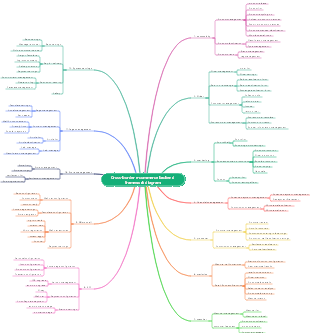
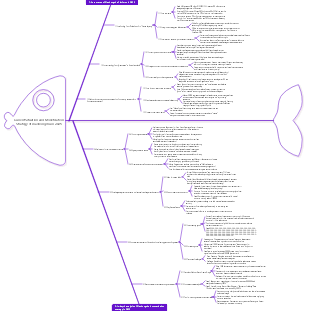



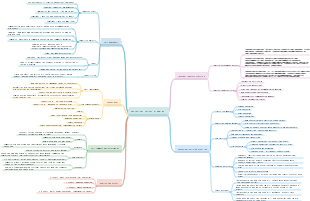
E-commerce operations
Overview
definition
E-commerce operations are the process of planning, organizing, implementing and controlling all aspects of an e-commerce store by comprehensively using a variety of means and strategies in an e-commerce environment. Its purpose is to achieve growth in store sales, profits and enhancement of brand value while meeting consumer needs. It covers a range of interrelated tasks from merchandise management, marketing and promotion to customer service.
importance
Connect merchants and consumers
As the key link between merchants and consumers, e-commerce operations directly determine consumers’ shopping experience. High-quality operations can ensure that consumers can easily find the products they need and obtain accurate information, thereby promoting purchasing decisions.
Influence store survival and development
Good operational strategies can improve the competitiveness of stores. Effective product management, precise marketing and high-quality customer service can attract more traffic, improve conversion rates and customer loyalty, and are the key to the long-term stable development of the store.
Determine sales, profits and brand image
Operations directly impact sales and profits through proper merchandise pricing, promotions, and cost control. At the same time, the continuous provision of high-quality products and services helps to create a positive brand image and further promote business growth.
Preliminary planning for e-commerce operations
market research
Industry analysis
Market size: Through market research reports, industry statistics, etc., understand the overall sales volume, sales volume and other indicators of the target industry, and evaluate the size and potential of the market.
Growth Trends: Analyze market data from the past few years to determine whether the industry is in a rising, stable, or declining phase. Pay attention to the impact of new technologies, new policies, social trends, etc. on industry growth.
Degree of competition: Identify the main competitors in the industry and analyze their number, size, and market share distribution. Understand the intensity of competition and competitive focus, such as price, quality, brand, etc.
Target customer analysis
Age: Consumers of different ages have different consumption preferences and purchasing abilities. For example, young people may be more inclined toward fashionable and novel products, while middle-aged and older people may pay more attention to practicality and quality.
Gender: Some products have obvious gender preferences, and understanding gender differences can help with precise product positioning and marketing. For example, beauty products are mainly targeted at women, while electronic products have a market among both men and women, but the purchase decision factors may be different.
Region: Consumers in different regions have different demands and purchasing habits for goods due to factors such as culture and economic development level. Analyzing geographical distribution can identify key market areas and potential markets.
Consumption habits: including purchase frequency, purchase channel preference, consumption time, etc. For example, some consumers are accustomed to concentrated purchases during promotional seasons, while others make small purchases more frequently.
Purchasing ability: Combined with factors such as income level and consumption expenditure structure, evaluate the purchasing ability of target customers to determine product price positioning.
competitor analysis
Brand Strength: Research your competitors’ brand image, brand reputation and brand value. Understand its status in the minds of consumers, such as whether it is known for its high quality, environmental protection, fashion, etc.
Product features: Detailed analysis of competitors’ product categories, product quality, functional features, appearance design, etc. Find out the differentiated advantages and disadvantages of its products and provide reference for its own product positioning.
Price strategy: Observe competitors’ price levels, price fluctuations, and price promotions. Determine whether it will adopt price strategies such as high-end high price, cost-effectiveness, or low-price penetration.
Marketing methods: Analyze competitors’ advertising channels, social media marketing activities, promotion methods, etc. Learn how it engages customers and increases brand awareness.
Customer reviews: By checking online reviews, evaluation platforms, etc., you can understand consumers’ satisfaction and complaints about competitors’ products and services, and discover market opportunities.
Platform selection
Comprehensive e-commerce platform
Taobao: One of the largest comprehensive e-commerce platforms in China, with a huge user base and rich product categories. The platform provides a variety of marketing tools and store management functions, suitable for merchants of all sizes and types. It is characterized by large traffic but fierce competition, which requires attention to store operations and product differentiation.
JD.com: Known for its authenticity guarantee and high-quality logistics services. Consumers have a high degree of trust in JD.com, especially in electronic products, home appliances and other categories. To join JD.com, you need to meet certain qualification requirements, and the platform focuses on brand and quality.
Pinduoduo: Attracting a large number of users with low-priced products and group buying models. It is very attractive to price-sensitive consumers and is suitable for selling cost-effective products. The marketing activities of the platform are mainly in the form of group buying, price bargaining, etc. Merchants need to adapt to this model to obtain traffic.
Vertical e-commerce platform
Maternal and infant categories: such as Baby Tree, Miya, etc., focusing on maternal and infant products and services. The users of these platforms are mainly expectant mothers and young mothers, who have high requirements for the professionalism, safety and quality of maternal and infant products. Merchants need to highlight the maternal and infant applicability and safety of their products on such platforms.
Beauty category: products such as Jumei Youpin, etc., targeted at beauty enthusiasts. The platform focuses on the brand, quality and fashion sense of products. Merchants need to be more targeted in the selection, brand building and marketing of beauty products to satisfy female consumers’ pursuit of beauty.
Social e-commerce platform
WeChat Mini Program: Relying on WeChat’s huge user base and social ecosystem. Merchants can achieve a convenient shopping experience through mini programs, and at the same time use WeChat official accounts, Moments, etc. for marketing and promotion. The advantage of mini programs lies in social sharing and private domain traffic operation, which is suitable for merchants with a certain fan base or who are good at social marketing.
Xiaohongshu Store: Based on the content community of Xiaohongshu, most of the users are young women who are interested in fashion, beauty, lifestyle and other content. Merchants opening a store on Xiaohongshu need to focus on content marketing, attract users through high-quality notes and articles, and convert content traffic into store sales.
Store positioning
Brand positioning
Brand image: Determine the brand's visual image, including brand logo, store decoration style, packaging design, etc., to make it unique and recognizable. For example, some brands attract consumers with a simple and fashionable image, while others focus on cute and warm styles.
Brand value: Clarify the core values represented by the brand, such as quality, innovation, environmental protection, cost performance, etc. Brand value is an important factor in attracting consumers. Consumers will choose to buy because they recognize the brand value.
Brand Story: Create an attractive brand story that tells the origin, development history, brand philosophy, etc. of the brand. Brand stories can increase the emotional value of a brand and create deeper connections with consumers.
Product positioning
Product categories: Based on market research and target customer needs, determine the range of products sold in the store. It can be a single category specialty store or a multi-category comprehensive store. For example, a sports goods store can focus on sports shoes, but it can also sell sports clothing, equipment and other related products.
Product Features: Find out the unique selling points and differentiating features of your product. This can be the product’s functional advantages, design features, raw material quality, etc. For example, a sneaker might feature special shock-absorbing technology or a stylish exterior design.
Product price range: Set the product price range based on the purchasing power of target customers and market competition. The price range determines the market positioning of the store, such as high-end boutiques, mid-to-high-end quality stores, or cost-effective stores.
Product management
Product selection
Popular product analysis
Sales data: Obtain product sales information from e-commerce platform sales data, market research reports and other channels. Analyze the sales rankings and sales trends of different products to find out the product categories and specific products with high sales and stable growth.
Search popularity: Use the search data and keyword tools of the e-commerce platform to understand the keywords and products that consumers search frequently on the platform. Products with high search popularity usually have greater market demand.
supply chain stability
Supplier qualifications: Conduct strict qualification review of suppliers, including business license, production license, quality certification, etc. Ensure that suppliers operate legally and have the ability to produce qualified products.
Supply capability: Evaluate the supplier's production scale, inventory levels and replenishment capabilities. Ensure that suppliers can meet the store's product supply needs at different sales stages to avoid out-of-stock situations.
Timeliness of replenishment: Negotiate with suppliers on the time cycle, replenishment process and communication mechanism for replenishment. Establish channels for quick replenishment to deal with the problem of insufficient inventory caused by hot sales of goods.
Product quality control
Quality inspection standards: Develop detailed quality inspection standards based on the type and characteristics of the goods. Including inspection indicators in terms of product appearance, performance, functions, materials, etc. For example, for clothing products, check the fabric quality, cutting process, color fastness, etc.
Sample testing: Before purchasing goods, suppliers are required to provide samples for comprehensive testing. Testing can be performed in-house or by a third-party testing agency. Make sure samples meet quality standards before proceeding with bulk purchases.
Products on shelves
Title optimization
Keyword selection: Through market research, competitor analysis and keyword tools, discover keywords related to the product and with large search volume. Keywords should accurately describe the characteristics, functions, uses, etc. of the product. For example, for a smart watch, keywords can include "smart watch", "exercise monitoring", "heart rate monitoring", "Bluetooth connection", etc.
Keyword combination: Combine selected keywords according to certain logical and grammatical rules to form a smooth and attractive title. Avoid stuffing keywords and make the title readable. For example, "[Brand Name] Smart Watch - Sports Monitoring Heart Rate Bluetooth Connected Multifunctional Fashion Wristband".
Title attractiveness: Highlight the product’s unique selling points, discount information, etc. in the title to attract consumers’ attention. For example, "[Brand Name] Limited time special offer! Multifunctional smart watch - a must-have for sports and fitness."
Image processing
Main image design: The main image is the first image consumers see when browsing products. It should be high-definition, highlight the main body of the product, and have a simple background. The main image should show the overall appearance and key features of the product, and you can add some promotional labels or brand logos. For example, for a product, the main image can be taken from the front, from a 45-degree angle, etc., from the best viewing angle.
Detailed picture production: Detailed pictures are used to introduce all aspects of the product in detail, including product details, function display, usage, size specifications, material description, etc. Detailed pictures should be accompanied by pictures and texts, and the pictures should be rich in content and clearly labeled to help consumers fully understand the product.
Image quality and size: Ensure that the image is of high quality and free of blur, distortion, and other issues. At the same time, adjust the size and size of the image according to the requirements of the e-commerce platform to ensure fast loading and normal display on the page.
Product description
Function introduction: Describe the functions and features of the product in detail, using easy-to-understand language. For example, for an electronic product, it is necessary to describe its processor performance, memory capacity, operating methods and other functional details.
How to use: Display the product usage steps and operating instructions in the form of pictures, texts or videos to let consumers know how to use the product. This is especially important for complex products or products with special usage patterns.
After-sales guarantee: Clarify the after-sales policy in the product description, such as return and exchange conditions, warranty period, after-sales service contact information, etc. Let consumers buy without worries and increase their purchasing confidence.
Inventory management
inventory count
Periodic inventory: Set a fixed time period, such as monthly or quarterly comprehensive inventory inventory. During the inventory process, the actual inventory quantity of the goods must be accurately recorded and checked with the system records.
Real-time monitoring: Use the inventory management system to track the entry and exit of goods in real time. When the inventory quantity reaches the set warning value, a timely notification is sent so that measures such as replenishment can be taken.
replenishment plan
Safety stock setting: Calculate and set safety stock levels based on factors such as product sales speed, replenishment cycle, market demand fluctuations, etc. Safety stock is a certain amount of inventory kept to protect against unforeseen circumstances leading to stock-outs.
Replenishment timing judgment: Determine the best replenishment timing by analyzing sales data, inventory turnover rate and other indicators. When inventory levels are close to or below safety stock, initiate a timely replenishment process. At the same time, consider the impact of seasonality, promotional activities and other factors on the replenishment plan.
Improved inventory turnover rate
Processing of slow-moving goods: Regularly analyze the sales data of goods and identify slow-moving goods. For slow-moving goods, price reduction promotions, matching sales, and returns to suppliers can be used to reduce inventory backlog.
Inventory optimization strategy: Improve the inventory turnover rate by reasonably planning the purchase quantity of goods, adjusting product display and recommendation strategies, etc. For example, placing best-selling products in prominent locations increases their visibility and sales opportunities.
Store decoration and design
Home page layout
Navigation bar design
Clear and concise: The navigation bar should be concise and easy to understand, and the product categories should be clearly displayed. For example, a clothing store can be divided into major categories such as men's clothing, women's clothing, and children's clothing, and each category is subdivided into specific categories, such as tops, pants, skirts, etc.
Reasonable classification: Classify products based on factors such as attributes, functions, and audiences. At the same time, a search box can be set up to facilitate consumers to quickly find the products they need. The design of the navigation bar should consider the display effects of different devices to ensure that it can be used normally on mobile phones, computers and other devices.
Carousel settings
Display key products: Carousel images are usually placed in a prominent position on the homepage to display popular products, new products, promotional products, etc. in the store. The pictures should be beautiful and attractive, and add text descriptions such as product names, prices, preferential information, etc.
Promotional promotion: Use carousel images to promote the store’s limited-time discounts, full discounts, giveaways and other promotional information. The switching speed of the carousel should be moderate so that consumers have enough time to browse each screen.
Recommended section arrangement
Popular product recommendations: Based on product sales, pageviews and other data, select popular products to display in the recommendation section. You can display pictures, names, prices and short recommendations of products to guide consumers to click to view product details.
New product recommendation: Display newly launched products in the new product recommendation area to attract consumers’ attention. New product recommendations can increase the freshness of the store and encourage consumers to try new products. At the same time, you can set up a personalized recommendation section to recommend related products based on consumers' browsing history, purchase records, etc.
Product display page optimization
Page loading speed
Optimize code: Check and optimize the HTML, CSS, JavaScript and other codes of the product display page to reduce code redundancy and improve code execution efficiency. Avoid using too many plug-ins and complex animation effects to avoid affecting loading speed.
Compress images: Compress product images to reduce image file size while ensuring image quality. You can use professional image compression tools or image processing functions provided by e-commerce platforms. At the same time, reasonably set the format and resolution of the image to adapt to the display needs of different devices.
Information display completeness
Comprehensive product details: The product display page should display various product information in detail, including product name, brand, model, price, parameters, function introduction, usage methods, after-sales guarantee, etc. Ensure that consumers have enough information to make purchasing decisions when browsing the page.
Reasonable evaluation display: Display consumers’ evaluations and ratings on the product display page to let new customers know what other consumers think of the product. Reviews can be sorted and displayed according to chronological order, praise rate, etc. At the same time, a filtering function can be set to facilitate consumers to view different types of reviews.
Marketing promotion
On-site promotion
Search ranking optimization
Keyword ranking improvement: By optimizing product titles, detailed descriptions and other content, and rationally using keywords, you can improve the ranking of products in the search results of e-commerce platforms. Study the platform’s search algorithm and understand the impact of keyword weight, relevance and other factors on rankings.
Research on search rules: In-depth understanding of the search rules and algorithm updates of e-commerce platforms. For example, the platform may have a certain search weight bonus for newly launched products, products with fast sales growth, etc., and adjust operating strategies based on these rules.
Participation in platform activities
Big promotions such as Double 11 and 618: Plan in advance strategies for participating in these large-scale promotions, including product stocking, price setting, promotion design, etc. During the event, it is necessary to ensure sufficient supply of goods, timely logistics and delivery, and actively participate in various promotional methods on the platform, such as full discounts, red envelopes, flash sales, etc.
Daily promotional activities: In addition to major sales, actively participate in daily promotional activities organized by the platform, such as Category Day, Member Day, etc. At the same time, stores can also design some daily small promotions by themselves, such as limited-time discounts, buy one get one free, etc., to keep the store active and attractive.
Advertising placement for through trains, diamond exhibitions, etc.
Development of advertising strategies: Based on the store's goals, budget and product characteristics, formulate advertising strategies for through trains, diamond exhibitions, etc. Determine the target group, keywords, bidding strategy, delivery time, etc. For example, for a high-profit product, you can choose to place it accurately at a high price during the time when target customers are active.
Budget control: Reasonably allocate advertising budget to avoid budget overruns or waste. Different budget proportions can be set according to different products, activity stages, etc. At the same time, monitor the effectiveness of advertising in real time and adjust budget allocation based on data.
Effect analysis: Regularly analyze the effect of advertising, including click-through rate, conversion rate, return on investment and other indicators. Based on the analysis results, optimize the keywords, creativity, bids, etc. of the advertisement to improve the efficiency of advertising.
Off-site promotion
social media marketing
Weibo, WeChat, Douyin and other platforms: Establish official brand accounts on these mainstream social media platforms and publish attractive content, such as product introductions, user experience, promotions, etc. According to the characteristics of different platforms, different content forms are adopted. For example, Weibo can publish short articles, pictures and videos, WeChat is suitable for in-depth articles and small program promotion, and Douyin mainly focuses on short videos.
Content Creation and Publishing: Create high-quality, valuable content that is in line with the tastes of your target customers. Content can be original or edited and adapted. For example, create interesting product review videos, fashion tutorials, life tips and other content to attract users' attention and sharing.
Fan interaction: Actively interact with fans, reply to comments and private messages, hold Q&A, lottery and other activities to enhance fans' stickiness and loyalty. By establishing a fan community, we can further deepen communication and contact with fans and promote fans’ purchasing behavior.
search engine marketing
Baidu SEO/SEM: Improve natural ranking (SEO) on search engines such as Baidu by optimizing website content and structure. At the same time, paid advertising (SEM) can be carried out, such as Baidu bidding ranking. Choose keywords that are related to the product and have a large search volume for optimization and placement.
Keyword research and selection: Use keyword research tools to analyze consumer search habits and trends, and select keywords with moderate competition and high relevance to goods and services. For e-commerce stores, in addition to keywords related to product names, it can also include brand words, function words, words related to user pain points, etc. For example, when selling sports shoes, the keywords may be "shock-absorbing sports shoes", "running-specific sports shoes", etc.
Page optimization: For selected keywords, optimize the title, description, text content and other elements of product pages and store pages. Ensure that keywords are naturally and reasonably distributed on the page, while ensuring content quality and improving page relevance and user experience. For example, elaborate on the product features and advantages involved in the keywords in the product description.
Link Building: Build high-quality internal and external links. Internal links help search engines better understand the store's page structure and content hierarchy, and guide users to browse more pages. External links can gain traffic and trust from authoritative and related websites, such as establishing cooperative links with well-known industry blogs, forums, etc., but be careful to avoid low-quality or spam links.
SEM advertising strategy: In SEM advertising such as Baidu PPC, set a reasonable bidding strategy, budget allocation and delivery time. Adjust bids based on keyword competition and conversion performance. Various matching methods such as exact matching, phrase matching and broad matching can be used, combined with the use of negative keywords, to improve the accuracy of advertising and reduce invalid clicks.
cooperative promotion
Cooperate with Internet celebrities and bloggers: According to the target audience of the product, select Internet celebrities and bloggers that match them to cooperate. For example, beauty products can cooperate with beauty bloggers, and technology products can cooperate with technology and digital bloggers. Evaluate indicators such as influence, fan activity and loyalty of influencers and bloggers. Forms of cooperation include product trials, recommendations, sponsored content creation, etc. Through their influence, products are recommended to fans to achieve conversion of traffic and sales.
Choice of cooperation methods: It can be a one-time product promotion cooperation or a long-term cooperative relationship. For long-term cooperation, you can consider in-depth cooperation models such as brand ambassadors and exclusive cooperation series to enhance the connection and synergy between the brand and Internet celebrities and bloggers.
Content review and guidance: Communicate cooperation content with Internet celebrities and bloggers to ensure that the content they create is in line with the brand image and product features. Moderate content to avoid false claims or information that goes against brand values. At the same time, you can provide some product information and selling point suggestions to improve the quality of promotional content.
Cooperate with relevant industry websites: Look for industry websites related to e-commerce business, such as industry information platforms, product review websites, etc. Through cooperation, such as advertising, joint activities, content cooperation, etc., we can use the professionalism and traffic advantages of its platform to increase brand awareness and product exposure.
Advertising strategy: Based on the traffic distribution of industry websites and user group characteristics, select appropriate advertising spaces and advertising forms, such as banner ads, pop-up ads, soft-text ads, etc. Develop an advertising delivery plan, including delivery cycle, budget allocation and goal setting, and adjust strategies in a timely manner based on delivery effects.
Joint event planning: Jointly plan and organize online and offline activities with industry websites, such as draws, competitions, special lectures, etc. The theme of the event revolves around the product or brand, attracting website users to participate, and increasing the interaction and stickiness between the brand and users.
Customer Relationship Management and Marketing
Establishment of membership system
Membership level division: Based on the customer's consumption amount, purchase frequency, loyalty and other factors, members are divided into different levels, such as ordinary members, silver members, gold members, diamond members, etc. Each level enjoys different rights and benefits, motivating customers to increase consumption and loyalty.
Level promotion rules: clarify the conditions for membership level promotion, such as consumption reaching a certain amount, purchases reaching a specified number within a certain period of time, etc. At the same time, the path and benefits of level promotion are clearly communicated to members so that members have clear goals and motivation.
Level rights design: Design corresponding rights and interests for members of different levels. For example, premium members can enjoy lower discounts, priority in purchasing new products, free gifts, exclusive customer service, accelerated points accumulation and other privileges. The equity design must be attractive while considering the cost and profit balance.
customer care
Holiday greetings: On important festivals or special anniversaries, send holiday greetings to customers through text messages, emails, site letters, etc. The greeting content can be personalized and combined with brand elements and festive atmosphere to make customers feel warm and caring and enhance the emotional connection between the brand and customers.
After-sales return visit: After the customer completes the purchase, conduct a timely after-sales return visit. Find out how satisfied customers are with goods and services and ask if they have questions or suggestions. For dissatisfied customers, actively solve the problem, compensate the customer for their losses, and strive to turn negative experiences into positive reviews. After-sales follow-up visits can be conducted via phone calls, online questionnaires, evaluation responses, etc.
Old customer marketing
Repurchase discounts: Launch exclusive repurchase discounts for old customers, such as discount coupons, discount coupons, gifts, etc. The discounts should be attractive to encourage old customers to purchase again. You can recommend products suitable for old customers based on their purchase history and preferences to increase the likelihood of repurchase.
Exclusive activities: Organize exclusive online and offline activities for old customers, such as member-only days, old customer appreciation parties, new product experience activities, etc. These activities can enhance the sense of belonging and honor of old customers, further consolidate the relationship with old customers, and promote continued consumption.
customer service
Pre-sales service
Consultation reply
Timely response: Ensure that customer service personnel can respond to customer inquiries in the shortest possible time. You can set up an automatic reply function to inform customers that it is being processed, and arrange manual customer service follow-up as soon as possible. Frequently asked questions can be answered quickly and accurately through the intelligent customer service system, improving response efficiency.
Professional answer: Customer service personnel should have a thorough understanding of the characteristics, functions, usage, after-sales policies and other information of the product. Able to answer customers' questions accurately and in detail, and provide customers with professional purchasing advice. For complex issues, communicate and coordinate with relevant departments in a timely manner to ensure satisfactory answers to customers.
Guide to purchase
Recommend products based on needs: Through communication with customers, understand customer needs, budget, preferences and other information. Based on this information, recommend the most suitable products to customers. You can introduce the features and advantages of different products to customers, compare the differences between different products, and help customers make decisions.
Solve customer concerns: Customers may have various concerns during the purchase process, such as product quality, appropriate size, after-sales guarantee, etc. Customer service staff must patiently listen to customers' concerns and eliminate customers' concerns and enhance customers' purchasing confidence by providing relevant evidence, cases, data, etc.
Sales service
Order processing
Smooth ordering process: Optimize the store's ordering process to ensure simple and convenient operation. Reduce unnecessary steps and information filling to avoid problems such as lags and error reports. At the same time, clear order instructions are provided so that customers can clearly understand the operation method of each step.
Order tracking and notification: After the customer places an order, order confirmation information is sent to the customer in a timely manner to inform the customer that the order has been successfully received. During the order processing process, such as product stocking and delivery, the order status is updated to customers in real time, allowing customers to understand the progress of the order at any time. Order notification can be achieved through SMS, email, site letter or order tracking system.
Logistics and distribution coordination
Choose the right logistics: Choose the right logistics partner based on the nature, weight, volume, distribution range and customer requirements of the goods. Evaluate the service quality, price, delivery speed, delivery accuracy and other factors of different logistics companies. For some high-value or time-sensitive goods, you can choose high-quality express delivery services; for large-volume and heavy-weight goods, you can consider dedicated logistics lines and other methods.
Handle logistics problems: When logistics delays, losses, damages, etc. occur, communicate and coordinate with the logistics company in a timely manner to understand the causes and solutions to the problems. At the same time, feedback to customers about the logistics situation, apologize to customers and provide corresponding compensation or solutions, such as reissuing goods, refunds, providing coupons, etc., to reduce customer losses and dissatisfaction.
After-sales service
Return and exchange processing
Clear policy: Publish a clear and easy-to-understand return and exchange policy in a prominent position on the store page, including return and exchange conditions, time limits, procedures, cost responsibilities, etc. Let customers clearly understand the relevant regulations before purchasing to avoid disputes later.
Simple process: Design a simple return and exchange process to reduce customer operation difficulty. An online return and exchange application function can be provided. Customers only need to fill in relevant information and upload necessary evidence (such as product photos) to initiate an application. After-sales customer service personnel should review applications in a timely manner and guide customers to complete returns and exchanges.
Complaint handling
Listen patiently: When receiving customer complaints, customer service staff should remain patient and polite, listen carefully to the customer's complaint, and make the customer feel respected and valued. Don't interrupt the customer and note down the key points of the customer's complaint.
Proper resolution: Quickly investigate and handle customer complaints. If it is a product quality problem, provide customers with solutions such as returns, exchanges, repairs, and compensation in a timely manner; if it is a service problem, apologize to customers and take improvement measures, such as training relevant personnel, adjusting service processes, etc. After handling the complaint, a return visit should be made to the customer to ensure that the customer is satisfied with the result.
Customer feedback collection
Evaluation analysis: Pay attention to the evaluations left by customers on the e-commerce platform, including positive reviews, neutral reviews, and negative reviews. Conduct a detailed analysis of the evaluation content and summarize the customer's satisfaction and dissatisfaction with the goods and services. For good reviews, we must continue to maintain and carry forward them; for negative reviews, we must dig deep into the root causes of the problem and make timely improvements.
Obtain improvement suggestions: In addition to evaluation, you can also collect customer improvement suggestions through questionnaires, online forums, customer service communications, etc. Encourage customers to provide opinions and suggestions, and provide certain rewards, such as points, coupons, etc., to customers who provide positive feedback. Continuously optimize products, services and store operations based on customer feedback.
Data analysis and operation optimization
Data indicators
traffic data
Visits (PV): refers to the total number of visits to a store page, including multiple visits to the same page by the same user. PV data can reflect the overall exposure and attractiveness of the store. By analyzing the PV changes of different pages, you can understand which pages are more popular and which pages need to be optimized.
Number of unique visitors (UV): refers to the number of different users who visit the store within a certain period of time. UV data can more accurately reflect the actual visitor size of the store, and combined with PV can analyze the user's browsing depth and page stickiness. For example, if the PV is high but the UV is low, it may mean that some users browse the store multiple times and further analysis is needed to analyze which pages attract them.
Source of visitors: Understand the channels through which visitors come to the store, such as direct access (users directly enter the URL or access through favorites), search engines (Baidu, Google, etc.), social media (Weibo, WeChat, etc.), e-commerce Platform internal search or recommendation, etc. Analyzing the source of visitors can evaluate the effectiveness of different promotion channels and rationally allocate promotion resources.
sales data
Sales: It is one of the core indicators of store operation, reflecting the overall revenue of the store. By analyzing sales trends, you can understand a store's business growth or decline. At the same time, you can analyze sales by time (day, week, month, year), product category, region and other dimensions to find out the peak and trough periods of sales, best-selling and slow-selling products, key sales areas, etc.
Sales volume: The quantity of goods sold, which is related to but different from sales volume. Sales volume can more intuitively reflect the popularity and market demand of a product. Comparing the sales volume of different products can optimize product selection and inventory management. For example, if an item sells a lot but sales are low, you may want to consider adjusting your pricing strategy.
Price per customer: refers to the average amount spent by each customer in one purchase. The calculation formula is sales divided by the number of orders. The unit price reflects the customer's purchasing power and consumption habits. By increasing the unit price per customer, you can increase sales without adding new customers, such as by recommending matching products, setting up full discount activities, etc. to encourage customers to buy more products.
customer data
Ratio of new and old customers: Understand the proportion of new customers and old customers in the total number of customers. The growth of new customers means the store's market expansion ability, while the proportion of old customers reflects customer loyalty. A reasonable ratio of new and old customers is crucial to the long-term and stable development of the store. According to the ratio, marketing strategies can be adjusted, such as increasing efforts to acquire new customers or strengthening the maintenance of old customers.
Customer geographical distribution: Analyzing which regions customers come from can help determine key market areas and optimize logistics distribution strategies and targeted marketing. For example, if there are a large number of customers in a certain area, you can increase advertising efforts or carry out localized marketing activities in that area.
Customer purchase frequency: Count the number of purchases made by customers within a certain period of time to understand their purchasing habits. Customers with high purchasing frequency are loyal customers of the store, and more exclusive offers and services can be provided to these customers to increase their loyalty. For customers with infrequent purchases, marketing campaigns can be used to stimulate them to purchase again.
Data analysis methods
Comparative analysis
Compare with historical data: Compare current data with data from the same period in the past, such as sales, traffic and other indicators. Through comparison, you can find the development trend of the store, whether it is growing, stable or declining. Analyze the reasons for growth or decline, such as whether it is due to new marketing strategies, changes in the market environment, or product adjustments. For example, if sales are up 20% this month compared to the same month last year, further analyze which items, regions, or marketing campaigns are driving the increase.
Compare with competitors: Collect relevant data of competitors, such as sales, traffic, product prices, reviews, etc., and compare with your own store data. Find out the gaps and advantages with your competitors, learn from your competitors’ successful experiences, and improve your own shortcomings. For example, if the sales volume of a certain product of a competitor is much higher than that of your own, you can analyze the reasons for this, which may be differences in price, marketing, product features, etc., and adjust your strategy accordingly.
trend analysis
Sales trends: Observe long-term trends by drawing time series charts of sales, sales volume and other sales data. Sales trends can be linear growth, seasonal fluctuations, cyclical changes or irregular changes, etc. For example, sales of certain products may increase significantly in specific seasons (such as warm products in winter), and inventory preparation and marketing planning can be made in advance based on sales trends.
Traffic trend: Analyze the changing trend of store traffic, including the number of visits, the number of unique visitors and other indicators. Understand traffic source channel trends, such as changes in search engine traffic and social media traffic. Promotion strategies can be adjusted based on traffic trends, such as increasing advertising during traffic growth periods, optimizing store content and product display during low traffic periods, and improving conversion rates.
Operational optimization strategy
Adjust product strategies based on data
Product selection optimization: Optimize product selection based on indicators such as product sales data, search popularity, inventory turnover rate, etc. Eliminate unsalable products, increase the purchase volume of best-selling products or enrich their styles, colors, etc. At the same time, based on market trends and data analysis results, new product categories or styles are introduced to meet the changing needs of customers.
Price adjustment: Analyze the relationship between commodity prices, sales volume, and sales. If the price elasticity of a product is high (price changes have a significant impact on sales volume), you can consider reducing the price appropriately to increase sales volume; if the product has a unique selling point and market demand is high, you can increase the price appropriately to increase profits. At the same time, pay attention to competitors’ price dynamics to maintain price competitiveness.
Optimize marketing promotion strategy
Adjust advertising delivery: Adjust advertising delivery strategies based on data analysis of advertising delivery, such as click-through rate, conversion rate, return on investment and other indicators. Optimize advertising keywords, bids, delivery time, delivery platform, etc. Continue to increase investment in ads that perform well, and optimize or pause ads that perform poorly. For example, if the ad click-through rate for a certain keyword is high but the conversion rate is low, you may need to optimize the product page or adjust the keyword matching method.
Improve activity plans: analyze the participation and effectiveness of marketing activities such as promotions and membership activities. Adjust the form, intensity, time, etc. of activities based on data. For example, if the number of participants in a full discount activity is small, you can consider lowering the full discount threshold or increasing the discount range of full discounts; if the participation in a member-exclusive activity is not high, you can increase the attractiveness of the activity or optimize member rights.
Improve customer service strategies
Training customer service personnel: Based on the content analysis of customer inquiries and complaints, identify the deficiencies in the knowledge and skills of customer service personnel and carry out targeted training. Training content can include product knowledge, communication skills, problem-solving abilities, etc. Improve the professionalism and service level of customer service personnel and improve customer satisfaction.
Optimize the service process: sort out the various processes of pre-sales, sales, and after-sales services to identify existing problems and bottlenecks. For example, if the return and exchange process is cumbersome and leads to many customer complaints, the process can be simplified to reduce unnecessary procedures and waiting time. Improve service efficiency and quality by optimizing service processes.