MindMap Gallery 1. Pumping of the heart - blood circulation
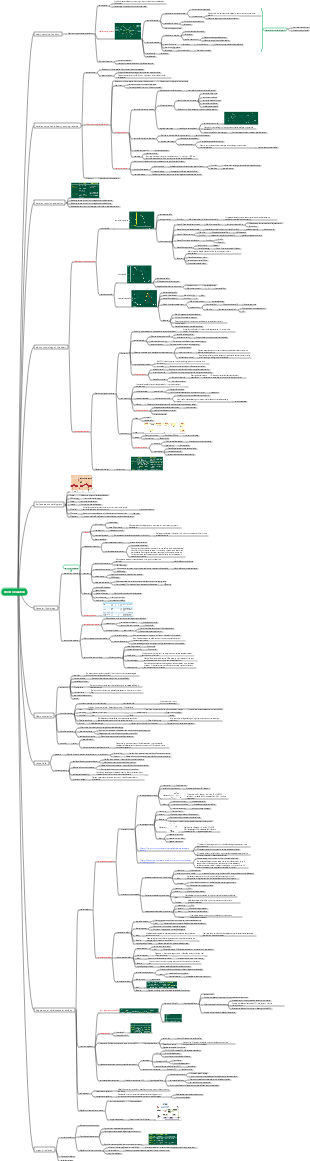
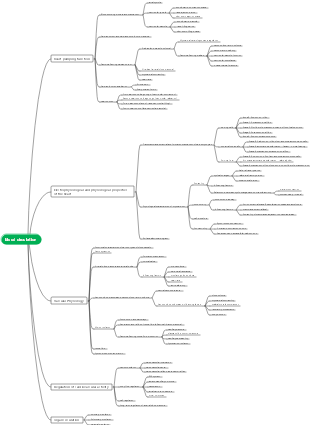
This is a mind map about 1. Heart pumping - blood circulation, including the circulatory system, blood pumping process and mechanism, cardiac output, reserve of heart pumping function, influences on cardiac output, etc.
Edited at 2024-11-14 21:50:05ルミ:精神的な目覚めの10次元。あなたが自分自身を探すのをやめるとき、あなたが探しているのはあなたを探しているので、あなたは宇宙全体を見つけるでしょう。あなたが毎日忍耐することは何でもあなたの精神の深みへの扉を開くことができます。沈黙の中で、私は秘密の領域に滑り込み、私は私の周りの魔法を観察するためにすべてを楽しんだが、何の騒ぎをしなかった。翼で生まれたときに、なぜcraいるのが好きですか?魂には独自の耳があり、心が理解できないことを聞くことができます。すべてへの答えを内向きに求めてください、宇宙のすべてがあなたの中にあります。恋人たちはどこかで会うことはなく、この世界には別れもありません。傷は光があなたの心に入るところです。
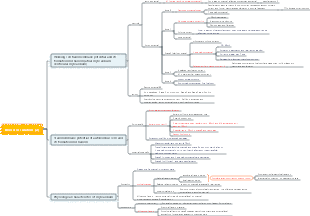
慢性心不全は、心拍数の速度の問題だけではありません!これは、心筋収縮と拡張期機能の減少によって引き起こされ、それが不十分な心拍出量につながり、肺循環の鬱血と全身循環のうっ血を引き起こします。原因、誘導、補償メカニズムまで、心不全の病態生理学的プロセスは複雑で多様です。浮腫を制御し、心臓の前面と後負荷を減らし、心臓の快適機能を改善し、基本的な原因を予防し、治療することにより、この課題に効果的に対応できます。心不全とマスタリング予防と治療戦略のメカニズムと臨床的症状を理解することによってのみ、心臓の健康をよりよく保護できます。
虚血再灌流損傷は、臓器や組織が血液供給を回復すると、細胞機能と代謝障害、構造的損傷が悪化する現象です。その主なメカニズムには、フリーラジカル生成の増加、カルシウム過負荷、および微小血管および白血球の役割が含まれます。心臓と脳は一般的な損傷した臓器であり、心筋の代謝と超微細構造の変化、心機能の低下などの変化として現れます。予防と制御の測定には、フリーラジカルの除去、カルシウム過負荷の減少、代謝の改善、低温、低温、低圧などの再灌流条件の制御が含まれます。これらのメカニズムを理解することは、効果的な治療オプションの開発に役立ち、虚血性損傷を軽減するのに役立ちます。
ルミ:精神的な目覚めの10次元。あなたが自分自身を探すのをやめるとき、あなたが探しているのはあなたを探しているので、あなたは宇宙全体を見つけるでしょう。あなたが毎日忍耐することは何でもあなたの精神の深みへの扉を開くことができます。沈黙の中で、私は秘密の領域に滑り込み、私は私の周りの魔法を観察するためにすべてを楽しんだが、何の騒ぎをしなかった。翼で生まれたときに、なぜcraいるのが好きですか?魂には独自の耳があり、心が理解できないことを聞くことができます。すべてへの答えを内向きに求めてください、宇宙のすべてがあなたの中にあります。恋人たちはどこかで会うことはなく、この世界には別れもありません。傷は光があなたの心に入るところです。
慢性心不全は、心拍数の速度の問題だけではありません!これは、心筋収縮と拡張期機能の減少によって引き起こされ、それが不十分な心拍出量につながり、肺循環の鬱血と全身循環のうっ血を引き起こします。原因、誘導、補償メカニズムまで、心不全の病態生理学的プロセスは複雑で多様です。浮腫を制御し、心臓の前面と後負荷を減らし、心臓の快適機能を改善し、基本的な原因を予防し、治療することにより、この課題に効果的に対応できます。心不全とマスタリング予防と治療戦略のメカニズムと臨床的症状を理解することによってのみ、心臓の健康をよりよく保護できます。
虚血再灌流損傷は、臓器や組織が血液供給を回復すると、細胞機能と代謝障害、構造的損傷が悪化する現象です。その主なメカニズムには、フリーラジカル生成の増加、カルシウム過負荷、および微小血管および白血球の役割が含まれます。心臓と脳は一般的な損傷した臓器であり、心筋の代謝と超微細構造の変化、心機能の低下などの変化として現れます。予防と制御の測定には、フリーラジカルの除去、カルシウム過負荷の減少、代謝の改善、低温、低温、低圧などの再灌流条件の制御が含まれます。これらのメカニズムを理解することは、効果的な治療オプションの開発に役立ち、虚血性損傷を軽減するのに役立ちます。
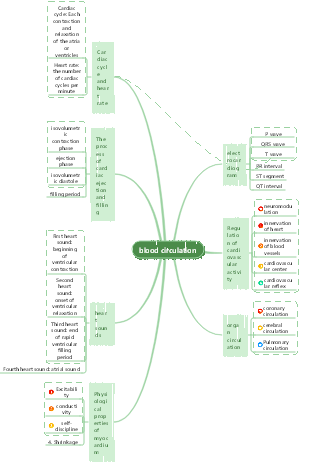
heart pumping function
circulatory system
Heart: Power organs
Blood vessels: transportation pipes, places where substances are exchanged
Blood pumping process and mechanism
(1) Cardiac cycle
systole, diastole
increased heart rate
The diastolic period is shortened more significantly
60S/heart rate
(2) Heart pumping process
Atrial contraction
1. Ventricular systole
isovolumetric contraction phase
Indoor pressure>Intraatrial pressure
arterial valve closure
Arterial valves open only during ejection phase
They are all opening downwards, and you have to have pressure to withstand them.
Atrioventricular valve closure
The atrioventricular valves open only during the filling phase
Intraventricular pressure <arterial pressure
ejection phase
Intraventricular pressure > arterial pressure
arterial valve opening
Atrioventricular valve closure
Indoor pressure>Intraatrial pressure
ejection phase
rapid ejection period
Volume decreases p
slow down ejection phase
2. Ventricular diastole
global diastole
isovolumetric diastole
Indoor pressure>Intraatrial pressure, indoor pressure decreases
arterial valve closure
Atrioventricular valve closure
arterial pressure > intraventricular pressure
subtopic
ventricular filling phase
longest time
filling period
rapid filling period
slow down filling phase
Indoor pressure<Intraventricular pressure
Intraventricular pressure <arterial pressure
arterial valve closure
Atrioventricular valve opening
heart sounds
first heart sound
Marks the beginning of ventricular contraction
Low pitch, long duration
second heart sound
Marks the onset of ventricular diastole
high pitch, short duration
Cardiac Output Reserve of Heart's Pumping Function
Volume per blog (SV)
definition
The amount of blood ejected by one ventricle in one contraction (70ml)
(V end diastole - V end systole)
The SV is the same, but the heart pumping function is not necessarily the same.
Output per minute (cardiac output) CO
SV × heart rate
Reasons why heart rate is high but output is reduced
Shortened rapid filling period
ejection fraction
Evaluate the efficiency of ventricular pumping function
SV/ventricular end-diastolic volume
heart index
Output per minute ÷ body surface area
Evaluate different individuals
Systemic circulation and pulmonary circulation are the same
Every effort
The work done by one ventricular contraction
High blood pressure significantly increased
Left ventricle is larger than right ventricle
Mean arterial pressures in systemic and pulmonary circulation are different
2. Reserve of heart pumping function
stroke volume reserve
systolic reserve
end-systolic volume
diastolic reserve
end diastolic volume
heart rate reserve
75→160-180 times/minute
3. Influence on cardiac output
(1) Preload and myocardial heterolength autoregulation
Ease of entry of blood, volume pressure
front load
The initial length depends on the amount of blood filling at the end of diastole.
Influencing factors
venous blood return volume
Remaining volume of ventricular blood after ejection
Preload is proportional to stroke volume
Myocardial heterologous autoregulation
The adjustment range is small and the volume of each stroke can be finely adjusted.
Influencing factors
(2) Afterload - arterial blood pressure
The ease with which blood is drained, the pressure
Stroke volume is inversely proportional to afterload
maintain a relatively constant cardiac output
Will lengthen the isovolumetric contraction period
(3) Myocardial contractility - isometric adjustment
Strong myocardial contractility
Number of activated cross-bridges
Ca concentration
Myocardial protein affinity for Ca
Catecholamines⬆️
Cross-bridge ATPase activity
Proportional to volume per blog
(4) Heart rate
accelerate
sympathetic nervous system, body temperature
slow down
vagus nerve
arterial pressure
maximum
terminal rapid ejection
end isovolumic contraction
smallest volume
slow down ejection phase
Volume decreases fastest
rapid ejection period
Blood pressure drops fastest
isovolumetric diastole
Ventricular pressure characteristics
Maximum isovolumetric change
systole
Maximum end-systolic volume
isovolumetric contraction phase
Indoor pressure rises sharply
ejection phase
rapid ejection period
At the end of the period, the indoor pressure reaches its highest
slow down ejection phase
Eject blood by inertia
Diastolic question
isovolumetric diastole
Indoor pressure decreases sharply
filling period
rapid filling period
The last interior pressure is the smallest
slow down filling phase