 Wondershare EdrawMind
MindMap Gallery patchwork pattern
- 40
patchwork pattern
As a special business operation model, the core of the patchwork model is that the middleman relies on the information advantages it possesses to build connections between buyers and sellers, promote the completion of transactions, and seek economic benefits for itself in the process. This information advantage may stem from the mining and integration of information at different levels of the market and the long-term accumulation of network resources.
Edited at 2024-11-14 17:47:40
- Amazon Reverse Work Method
これは、「Amazon Reverse Working Method」「Amazon Reverse Working Method」に関するマインドマップです。それは、Amazonの成功の秘密を明らかにし、実用的な作業方法と管理の原則を提供し、Amazon文化を理解し、仕事の効率と創造性を向上させたい読者にとって大きな参照価値です。
- Azure Blobストレージは大規模なOpenaiトレーニングをどのようにサポートしていますか?
Azure BlobストレージにおけるMicrosoftの顕著な進歩とイノベーション、特にChatGptの作成者であるOpenaiの巨大なコンピューティングニーズを効果的にサポートする方法に焦点を当てています。 Azure Blobストレージ製品管理チームのJason Valerieは、JakeとDeverajaと協力して、Azure BlobストレージがOpenaiの大規模なモデルトレーニング、処理データ、ストレージをexebbitレベルまでに行う上で重要な役割を果たしました。議論には、AIワークロードのスケーリングスーパーコンピューターが直面している課題と、地域ネットワークゲートウェイを接続するデータセンターなどのアーキテクチャソリューション、および動的ストレージ容量の拡張を可能にする拡張アカウントの導入が含まれます。技術的な側面は、チェックポイントのメカニズム、大規模なデータ処理、革新的なブロブビューと階層的な名前空間、グローバルデータモビリティ機能をカバーし、Microsoftのグローバルネットワークインフラストラクチャを戦略的に利用して効率的なデータ送信を可能にします。この会話は、高度なAIの研究開発に強力でスケーラブルで効率的なストレージソリューションを提供するというマイクロソフトのコミットメントを完全に示しています。
- 熱い
これは、主にオブジェクト状態の変化、熱エンジン、内部エネルギー、熱比熱容量、温度スケールを含む、熱に関するマインドマップです。紹介は詳細であり、説明は包括的です。
patchwork pattern
- Amazon Reverse Work Method
これは、「Amazon Reverse Working Method」「Amazon Reverse Working Method」に関するマインドマップです。それは、Amazonの成功の秘密を明らかにし、実用的な作業方法と管理の原則を提供し、Amazon文化を理解し、仕事の効率と創造性を向上させたい読者にとって大きな参照価値です。
- Azure Blobストレージは大規模なOpenaiトレーニングをどのようにサポートしていますか?
Azure BlobストレージにおけるMicrosoftの顕著な進歩とイノベーション、特にChatGptの作成者であるOpenaiの巨大なコンピューティングニーズを効果的にサポートする方法に焦点を当てています。 Azure Blobストレージ製品管理チームのJason Valerieは、JakeとDeverajaと協力して、Azure BlobストレージがOpenaiの大規模なモデルトレーニング、処理データ、ストレージをexebbitレベルまでに行う上で重要な役割を果たしました。議論には、AIワークロードのスケーリングスーパーコンピューターが直面している課題と、地域ネットワークゲートウェイを接続するデータセンターなどのアーキテクチャソリューション、および動的ストレージ容量の拡張を可能にする拡張アカウントの導入が含まれます。技術的な側面は、チェックポイントのメカニズム、大規模なデータ処理、革新的なブロブビューと階層的な名前空間、グローバルデータモビリティ機能をカバーし、Microsoftのグローバルネットワークインフラストラクチャを戦略的に利用して効率的なデータ送信を可能にします。この会話は、高度なAIの研究開発に強力でスケーラブルで効率的なストレージソリューションを提供するというマイクロソフトのコミットメントを完全に示しています。
- 熱い
これは、主にオブジェクト状態の変化、熱エンジン、内部エネルギー、熱比熱容量、温度スケールを含む、熱に関するマインドマップです。紹介は詳細であり、説明は包括的です。
- Recommended to you
- Outline






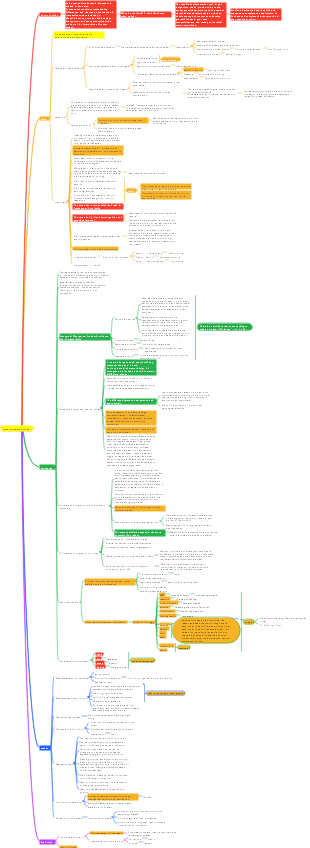

patchwork pattern
definition
As a special business operation model, its core is that the middleman relies on the information advantages it possesses to build connections between buyers and sellers, promote the completion of transactions, and seek economic benefits for itself in the process. This information advantage may stem from the mining and integration of information at different levels of the market and the long-term accumulation of network resources.
Common areas
trade area
commodities
Steel: In-depth understanding of the production capacity, product specifications, quality grades and price systems of major domestic and foreign steel plants. Understand the different demand characteristics of construction companies, machinery manufacturing companies, etc. for steel, including the consumption, quality requirements and procurement cycle of different types of steel (such as rebar, I-beam, cold-rolled plate, etc.). Take advantage of price differences in different regions due to factors such as resource distribution and industrial policies. For example, purchase at lower prices in areas with excess steel production capacity and then supply them to areas with strong demand but insufficient local resources. At the same time, we pay attention to the transmission impact of price fluctuations in the international market on the domestic market, and make use of price differences caused by changes in exchange rates, changes in international raw material prices and other factors.
Coal: Be familiar with the coal quality (such as thermal coal, coking coal calorific value, sulfur content and other indicators), mining costs and output of different coal mines. Grasp the demand information of large coal consumers such as power generation companies, steel plants, and chemical companies, including requirements for coal quality, quantity, and supply stability. Pay attention to the impact of coal transportation costs, transportation routes and transportation modes (railways, highways, waterways) on prices, and match prices and supply and demand between coal production areas and demand areas to achieve joint profits.
Others (such as non-ferrous metals, petrochemical raw materials, etc.): Understand the global market supply pattern of non-ferrous metals (copper, aluminum, zinc, etc.), including mining conditions, smelting plant capacity and distribution. Understand the demand characteristics and dosage changes of processing enterprises for different non-ferrous metals. For petrochemical raw materials, I am familiar with the product types, quality and prices of major refineries, as well as the demand scale and quality requirements of chemical companies for raw materials (such as ethylene, propylene, benzene, etc.), and realize trade stitching by integrating upstream and downstream information.
agricultural products
Fruit: Establish contact with fruit farmers and cooperatives in fruit producing areas in various places to understand the planting area, yield, picking time and quality of different varieties of fruits (such as apples, bananas, oranges, etc.). Understand the demand information of fruit wholesalers, retailers, supermarket chains, and fruit processing companies, including quality requirements such as appearance, taste, sweetness, size, purchase volume, and purchase price range of fruits. Pay attention to the impact of seasonal factors on fruit supply and prices, such as purchasing low prices when large quantities of seasonal fruits are on the market, storing or transferring them to non-producing areas for sale at high prices, and taking into consideration preservation technology and transportation costs.
Grain: Understand the planting area, yield prediction, and grain quality (moisture content, impurity content, etc.) of the main grain-producing areas (such as corn and rice producing areas in the three northeastern provinces, and wheat producing areas in North China). Understand the needs of grain processing enterprises (flour mills, feed mills, etc.), grain reserves, and grain traders, including purchase prices, purchase quantities, and quality standards for different varieties of grain (corn, wheat, rice, etc.). Make use of the impact of national grain policies (such as purchase and storage policies, subsidy policies) on market prices to carry out grain trade.
Building decoration field
building materials
Ceramic tiles: Know the product characteristics of major domestic and foreign ceramic tile manufacturers, including ceramic tile materials (ceramic, full-glazed, vitrified tiles, etc.), specifications, colors, quality grades and price systems. Understand the needs of construction contractors and decoration companies for ceramic tiles, such as the requirements for wear resistance, anti-slip properties, aesthetics, etc. of ceramic tiles used in different projects such as commercial buildings and residential buildings, as well as the usage requirements for ceramic tiles of different specifications. Coordinate issues such as price and delivery time between ceramic tile manufacturers and purchasers, and obtain profits through bulk purchase discounts, regional price differences, etc.
Wood: Familiar with the wood market, including the origin, material characteristics, processing techniques and price levels of different types of wood (such as pine, oak, redwood, etc.). Understand the quality requirements (such as moisture content, texture, strength, etc.), size specifications and usage of wood by construction companies and furniture manufacturing companies. Pay attention to the impact of environmental protection policies on timber harvesting, processing and import, and take advantage of regional differences in timber supply and price fluctuations for patchwork operations.
Others (such as cement, glass, etc.): Understand the production capacity, cement label and price of cement manufacturers, and match supply and demand based on the performance requirements of cement strength, setting time, etc. for construction projects. For glass, understand the manufacturers and product characteristics of different types of glass such as float glass and tempered glass, as well as the demand for glass in industries such as architectural decoration and door and window manufacturing, and facilitate transactions through information integration.
Decoration services
Establish contact with numerous decoration teams (including individual decoration workers, small decoration companies, and large decoration enterprises) to understand their decoration styles, construction techniques, quality levels, and price ranges. At the same time, the owner's decoration needs are collected, including decoration style (modern simplicity, European style, Chinese style, etc.), decoration budget, house area and functional layout requirements and other information. Screen the appropriate decoration team according to the owner's needs, coordinate the two parties to reach an agreement on the decoration price, decoration period, payment method and quality assurance, and obtain a certain service fee or price difference.
Operation process
Information collection
Establish information channels: Use multiple channels to build an extensive information network, including but not limited to professional industry websites, e-commerce platforms, offline industry exhibitions, seminars, chamber of commerce activities, etc. Actively expand personal relationships, establish connections with suppliers, buyers, industry experts, government officials, etc., and obtain more valuable information through word-of-mouth communication and information sharing.
Supplier evaluation: Conduct a comprehensive and in-depth evaluation of suppliers, including on-site inspections of their production facilities and production processes, understand their product quality control systems, and evaluate the stability and reliability of product quality. Analyze the supplier's cost structure, including raw material procurement costs, production costs, transportation costs, etc., to determine its price rationality and room for adjustment. Pay attention to the supplier's supply capacity, including production scale, inventory levels, delivery cycle, etc., to ensure that it can meet customer needs.
Customer demand analysis: Understand customer needs in detail through communication with customers, market research, etc. For purchase quantity, clarify the customer's one-time purchase volume and long-term purchase plan in order to find a suitable supply scale. For quality requirements, gain an in-depth understanding of customers' specific standards for various product quality indicators (such as physical properties, chemical properties, appearance quality, etc.). At the same time, understand the customer's budget range and special requirements for delivery time, payment method, after-sales service, etc.
Match counterparty
Screening of suitable trading parties: Based on the collected supply and demand information, data analysis, empirical judgment and other methods are used to screen out the most matching trading parties. Consider factors such as the credibility of the transaction party, willingness to cooperate, and past transaction records to ensure the smooth progress of the transaction. For suppliers, choose manufacturers that can meet customer quality and quantity requirements at competitive prices. For customers, look for purchasers who have reasonable expectations for product quality and price, the ability to pay, and a good reputation.
Negotiate transaction terms: After matching a suitable transaction party, actively participate in the negotiation of transaction terms between both parties. In terms of price, we coordinate a price acceptable to both parties based on market conditions, supply and demand relationships, and cost and profit expectations of both parties. Regarding delivery time, a reasonable delivery schedule is determined by comprehensively considering the supplier's production cycle, transportation time and customer demand time. In terms of payment methods, coordinate both parties to reach a consensus on advance payment, cash on delivery, installment payment, etc., and also consider the use of financial instruments such as bank guarantees and letters of credit that may be involved. In addition, terms such as product packaging, transportation methods, insurance liability, quality inspection standards and after-sales service need to be negotiated.
broker a deal
Contract drafting and review: Draft detailed contract or agreement text based on the negotiated transaction terms. The content of the contract should cover the basic information of both parties to the transaction, detailed descriptions of the transaction products or services (including specifications, quantities, quality standards, etc.), price terms, delivery terms, payment terms, quality inspection and acceptance terms, breach of contract liability and dispute resolution terms. wait. After the drafting is completed, organize professional legal personnel or personnel familiar with legal affairs to review the contract to ensure the legality, integrity and operability of the contract and avoid potential legal risks.
Transaction supervision and coordination: During the transaction process, closely supervise the performance of both parties to ensure that suppliers deliver goods on time, quality and quantity, and customers pay on time. Promptly coordinate and resolve problems arising during the transaction process, such as product quality objections, transportation delays, payment disputes, etc. If special circumstances such as force majeure occur that affect the normal progress of the transaction, we will actively assist both parties to adjust the transaction plan, reduce losses, and ensure the smooth completion of the transaction.
Source of profit
Profitability
Purchase and sales price difference: Through in-depth understanding of the market price system, find price depressions for purchasing. For example, purchasing goods at lower prices in regions or periods where raw material supply is sufficient and market competition is fierce. Then, take advantage of information asymmetry or regional market differences to sell at higher prices in areas with strong demand and higher prices or in customer groups that are less price-sensitive. This spread can vary widely across industries and products, depending on the elasticity of market supply and demand and the extent of price fluctuations.
Bulk purchase discounts and retail price differences: When you establish a good relationship with suppliers or have a certain purchase scale, you can get bulk purchase discounts. Middlemen split goods purchased in bulk and sell them to customers in retail or small batches, pocketing the price difference. For example, in the procurement of building materials, purchasing a large number of ceramic tiles at one time can obtain a lower unit price, and then sell them according to the small batch needs of decoration companies or owners.
Supplier rebates and commissions: Some suppliers will provide rebates or commissions in order to encourage intermediaries to increase purchasing volume or long-term cooperation. Rebates are usually calculated based on a certain percentage of the purchase amount or quantity, and the middleman can use this part of the income as one of the sources of profit. This rebate may be in the form of cash, goods or other forms. For example, in bulk commodity trade, suppliers will give a certain percentage of payment rebate or additional goods rewards based on annual purchase volume.
service fee
Charge in proportion to the transaction amount: Based on the total amount of the transaction, service fees will be charged to both parties or one of the parties in the transaction according to a pre-agreed ratio. This approach can generate considerable income for middlemen in high-value transactions. For example, in the procurement of materials or equipment for large construction projects, service fees are charged at 1% - 5% of the transaction value.
Fixed service fee: For some businesses with small transaction amounts but frequent transactions, the intermediary may charge a fixed service fee. For example, in the matchmaking of small decoration services, a fixed fee of several thousand yuan is charged each time, regardless of the scale of the decoration project. This method can ensure that the middleman has a stable income in low-value transactions, while also reducing the cost calculation complexity for customers.
Advantages
to suppliers
Expand sales channels: By working with intermediaries, suppliers can reach more potential customers that would otherwise be difficult to reach. Intermediaries use their extensive customer networks and market information to promote suppliers' products to a wider range of regions and industries, breaking geographical restrictions and market information barriers. For example, a small ceramic tile manufacturer may only have a certain local customer base, but by cooperating with quilters, it can sell its products to the decoration market in other cities or even other provinces.
Reduce marketing costs: Suppliers do not need to invest a lot of manpower, material and financial resources in market research, customer development and sales promotion. The middleman undertakes part of the marketing work, including finding customers, establishing contacts, promoting products, etc., thereby reducing the supplier's market operation costs. Suppliers can focus more resources on the production process and improve product quality and production efficiency.
to customers
Save time and effort: Customers do not need to spend a lot of time and effort looking for the right product or service among numerous suppliers. Intermediaries have screened and consolidated the market and are able to quickly provide customers with options that match their needs. For example, when a decoration company is looking for decoration materials of a specific style and quality, the quilter can quickly recommend several suitable suppliers, reducing the decoration company's procurement time and cost.
Obtain more competitive prices: Intermediaries can obtain better prices for customers by integrating the needs of multiple customers, enabling bulk purchases, or negotiating prices with suppliers. At the same time, because the middleman has an in-depth understanding of market prices, it can prevent customers from paying excessive prices due to information asymmetry. For example, in the procurement of agricultural products, wholesalers can obtain comprehensive low-priced supplies from multiple origins through patchworkers.
Risks and Issues
credit risk
Risk of default by the counterparty: Suppliers may be unable to deliver goods on time, quality, and quantity, for example due to production equipment failure, insufficient supply of raw materials, etc. leading to breach of contract. Customers may also default on payment, refuse to receive goods, and other breaches of contract. These breaches of contract will cause direct economic losses to the intermediary, such as being liable for compensation or being unable to recover service fees.
Risk of reputational damage: Once a transaction party breaches the contract, the intermediary may be implicated and its reputation will be damaged. Reputation is a very important asset in business activities, and damage to reputation may cause other potential transaction parties to lose trust in the intermediary, thus affecting their future business development. For example, if the transactions facilitated by an intermediary frequently encounter quality problems or disputes, its reputation in the industry will become worse, and subsequent customers and suppliers may reduce cooperation with it.
market risk
Price fluctuation risk: Frequent fluctuations in market prices may make the price difference expected by the intermediary unrealizable. For example, in commodity trading, if the market price drops sharply after purchase, the middleman may not be able to sell the goods at the expected price, resulting in reduced profits or even losses. This kind of price fluctuation may be affected by various factors such as macroeconomic situation, international political situation, changes in industry supply and demand, etc.
Competition risk: New competitors entering the market may seize the intermediary’s existing business share. New quilters may have more advanced information-gathering technology, wider customer resources, or lower cost advantages, thereby impacting the business of existing middlemen. For example, with the development of Internet platforms, some online trading platforms may directly connect suppliers and buyers, reducing reliance on traditional quilters.
legal risks
Commercial fraud risk: If an intermediary deliberately provides false information, conceals important facts, or engages in other fraudulent activities during the transaction process, it may face legal liability. For example, exaggerating the quality of a supplier's products or fictitious purchasing capabilities of customers may be punished by laws related to commercial fraud once discovered.
Illegal business risks: In some cases, if an intermediary does not have legal business qualifications or engages in business activities prohibited by laws and regulations, it may be deemed to be operating illegally. For example, you may face legal problems if you conduct unlicensed patchwork transactions in some industries that require special licenses (such as pharmaceuticals, medical devices, etc.).
Risk of contract disputes: If the contract terms are not standardized or vague, or the parties have inconsistent understanding of the contract terms, it may lead to contract disputes. During the dispute resolution process, the intermediary may need to bear certain legal liabilities or economic losses, especially when the contract is drafted by or involved in the drafting of the contract. If there are loopholes or unreasonable terms, it may be detrimental to it.
Development trend
specialization
Industry segmentation and specialization: Intermediaries increasingly tend to focus on specific industries or fields, and have an in-depth understanding of the market characteristics, technological development, policies, regulations and other information in this field, thereby improving their professionalism and competitiveness. For example, in the field of construction and decoration, some quilters specialize in the quilting business of high-end commercial decoration materials, and have in-depth research and rich supplier resources on various high-end decoration materials (such as imported marble, high-grade wood, etc.).
Professionalization of service processes: Continuously optimize and standardize operating processes, and establish professional service standards and processes from information collection, matching of transaction parties to contract signing and transaction supervision. Adopt advanced management methods and technical means to improve service quality and efficiency. For example, use project management software to track and manage the transaction process to ensure that every link can be completed on time and with high quality.
Digitization
Big data application: Use big data technology to collect and analyze massive market information, including price data, supply and demand data, transaction records, etc. Through the mining and analysis of these data, we can more accurately predict market trends, evaluate the credit of counterparties, and match supply and demand. For example, predicting commodity price trends by analyzing historical price data provides a basis for purchasing and sales decisions.
Internet platform construction: Establish or use an Internet trading platform to achieve rapid dissemination of information and facilitate transactions. These platforms can integrate supplier and buyer resources, provide online transactions, online payments, logistics tracking and other functions to improve the operational efficiency and transparency of the patchwork model. For example, some online trading platforms for building materials allow quilters to display product information and facilitate transactions more conveniently.
Standardize
Industry self-discipline: quilters in the industry establish associations, chambers of commerce and other organizations to formulate industry norms and self-discipline guidelines to strengthen self-discipline and supervision. Standardize the business behavior of members, avoid unfair competition and fraud, and maintain the good image and reputation of the industry. For example, formulate unified service charging standards, information disclosure rules, etc.
Improvement of laws and regulations: The government has strengthened legislation and supervision in areas related to the quilting model, and clarified the legal status, rights and obligations, and business regulations of quilters. Perfect laws and regulations can standardize market order, protect the legitimate rights and interests of all parties to transactions, and promote the healthy and sustainable development of the patchwork model. For example, special regulatory regulations should be formulated for patchwork transactions in specific industries to strengthen supervision of the transaction process and penalties for illegal activities.