MindMap Gallery method task
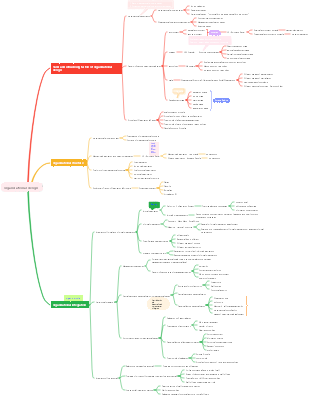
This is a mind map about method tasks. The main contents include: organizational design tasks, personnel training tasks, risk control methods, risk assessment methods, risk identification methods, modern control information technology methods, and Six Sigma management methods. , Total quality management methods, methods of managing conflicts, methods of overcoming communication barriers, motivation methods, staffing, organizational design, methods of decision tracking and adjustment, planning methods, activity plans, environmental analysis methods, basic methods of management, Learning and Research Management
Edited at 2024-11-03 11:46:53Rumi: 10 dimensiones del despertar espiritual. Cuando dejes de buscarte, encontrarás todo el universo porque lo que estás buscando también te está buscando. Cualquier cosa que haga perseverar todos los días puede abrir una puerta a las profundidades de su espíritu. En silencio, me metí en el reino secreto, y disfruté todo para observar la magia que me rodea y no hice ningún ruido. ¿Por qué te gusta gatear cuando naces con alas? El alma tiene sus propios oídos y puede escuchar cosas que la mente no puede entender. Busque hacia adentro para la respuesta a todo, todo en el universo está en ti. Los amantes no terminan reuniéndose en algún lugar, y no hay separación en este mundo. Una herida es donde la luz entra en tu corazón.
¡La insuficiencia cardíaca crónica no es solo un problema de la velocidad de la frecuencia cardíaca! Es causado por la disminución de la contracción miocárdica y la función diastólica, lo que conduce al gasto cardíaco insuficiente, lo que a su vez causa congestión en la circulación pulmonar y la congestión en la circulación sistémica. Desde causas, inducción a mecanismos de compensación, los procesos fisiopatológicos de insuficiencia cardíaca son complejos y diversos. Al controlar el edema, reducir el frente y la poscarga del corazón, mejorar la función de comodidad cardíaca y prevenir y tratar causas básicas, podemos responder efectivamente a este desafío. Solo al comprender los mecanismos y las manifestaciones clínicas de la insuficiencia cardíaca y el dominio de las estrategias de prevención y tratamiento podemos proteger mejor la salud del corazón.
La lesión por isquemia-reperfusión es un fenómeno que la función celular y los trastornos metabólicos y el daño estructural empeorarán después de que los órganos o tejidos restauren el suministro de sangre. Sus principales mecanismos incluyen una mayor generación de radicales libres, sobrecarga de calcio y el papel de los leucocitos microvasculares y. El corazón y el cerebro son órganos dañados comunes, manifestados como cambios en el metabolismo del miocardio y los cambios ultraestructurales, disminución de la función cardíaca, etc. Las medidas de prevención y control incluyen eliminar los radicales libres, reducir la sobrecarga de calcio, mejorar el metabolismo y controlar las condiciones de reperfusión, como baja sodio, baja temperatura, baja presión, etc. Comprender estos mecanismos puede ayudar a desarrollar opciones de tratamiento efectivas y aliviar las lesiones isquémicas.
Rumi: 10 dimensiones del despertar espiritual. Cuando dejes de buscarte, encontrarás todo el universo porque lo que estás buscando también te está buscando. Cualquier cosa que haga perseverar todos los días puede abrir una puerta a las profundidades de su espíritu. En silencio, me metí en el reino secreto, y disfruté todo para observar la magia que me rodea y no hice ningún ruido. ¿Por qué te gusta gatear cuando naces con alas? El alma tiene sus propios oídos y puede escuchar cosas que la mente no puede entender. Busque hacia adentro para la respuesta a todo, todo en el universo está en ti. Los amantes no terminan reuniéndose en algún lugar, y no hay separación en este mundo. Una herida es donde la luz entra en tu corazón.
¡La insuficiencia cardíaca crónica no es solo un problema de la velocidad de la frecuencia cardíaca! Es causado por la disminución de la contracción miocárdica y la función diastólica, lo que conduce al gasto cardíaco insuficiente, lo que a su vez causa congestión en la circulación pulmonar y la congestión en la circulación sistémica. Desde causas, inducción a mecanismos de compensación, los procesos fisiopatológicos de insuficiencia cardíaca son complejos y diversos. Al controlar el edema, reducir el frente y la poscarga del corazón, mejorar la función de comodidad cardíaca y prevenir y tratar causas básicas, podemos responder efectivamente a este desafío. Solo al comprender los mecanismos y las manifestaciones clínicas de la insuficiencia cardíaca y el dominio de las estrategias de prevención y tratamiento podemos proteger mejor la salud del corazón.
La lesión por isquemia-reperfusión es un fenómeno que la función celular y los trastornos metabólicos y el daño estructural empeorarán después de que los órganos o tejidos restauren el suministro de sangre. Sus principales mecanismos incluyen una mayor generación de radicales libres, sobrecarga de calcio y el papel de los leucocitos microvasculares y. El corazón y el cerebro son órganos dañados comunes, manifestados como cambios en el metabolismo del miocardio y los cambios ultraestructurales, disminución de la función cardíaca, etc. Las medidas de prevención y control incluyen eliminar los radicales libres, reducir la sobrecarga de calcio, mejorar el metabolismo y controlar las condiciones de reperfusión, como baja sodio, baja temperatura, baja presión, etc. Comprender estos mecanismos puede ayudar a desarrollar opciones de tratamiento efectivas y aliviar las lesiones isquémicas.
method/task
Study and research management methods
Basic method: connect theory with practice
Grasp the theoretical system and understand the basic principles, methods and tools
Use the management theories and methods you have learned to observe and analyze practical problems
Qualitative vs Quantitative
induction and deduction
comparative study
Study and research scientific thinking in management
strategic thinking
Holistic, long-term, systematic
historical thinking
Take history as a mirror, know the past and learn from the present
dialectical thinking
Recognize, analyze, and resolve conflicts, focus on key points, and gain insights into the laws of development
innovative thinking
Get rid of superstition, adapt to current conditions, advance despite difficulties, and dare to be the first
bottom line thinking
Ethical and legal frameworks, expectations and acceptance
Basic methods of management
Management object
Activity selection differs from organizational implementation stage
level of management
Managed properties
basic tools
that power
organizational culture
environmental analysis methods
general environmental analysis method
P
E
S
Employment concept, environmental awareness
T
Concrete environment analysis method (Porter)
buyer
seller
potential entrant
Barriers to entry are inversely proportional to threats
substitute products
Industry competitors
Comprehensive analysis method of internal and external environment (Andrews)
S(Advantage)
SO::Growth type
ST: diversified business type
W (disadvantage)
WO: twist type
WT: Defensive
O (opportunity)
T (threat)
Analysis method for environmental changes--scenario analysis method (script method)
Quantitative
Qualitative
Activity plan
Activity plan generation method
5W2H method
Group decision-making/qualitative
Brainstorming
Experts face to face
in principle
No comment
independent thinking
No need to think deeply
free ride
Follow the crowd and be swayed by authority
Require
Choose the right people and organize carefully
Limitations on personal language expression ability
10-15 people
Limited numbers, insufficient representation
40-60 minutes
Delphi method (RAND Corporation and Douglas Corporation)
Experts back to back
Features
Everyone expresses their opinion (anonymity)
feedback, convergence
Decisions are gradually unified
High prediction accuracy
Long time and high cost
Nominal group method/nominal group method
Prerequisite: Don’t understand the nature or have serious disagreements
Features
Not communicating with each other
Not discussing and negotiating together
The group is in name only
Stimulate creativity and imagination
forced contact laws
One target is fixed and other targets are random.
innovativeness
Select activity plan evaluation method (when selecting)
deterministic decision making
Linear Programming/Nonlinear
queuing theory
Volume-cost-profit analysis method/break-even analysis method/capital preservation analysis method
risky
decision tree
opportunity evaluation framework
Uncertain
Get the best out of the big (optimistic principle)
Take the big approach out of the small (the pessimistic principle)
Minimum maximum regret value method (regret value principle)
max-selected
equal probability method
Activity plan evaluation method (selected)
Quantitative vs Qualitative
Financial and non-financial
Dynamic and static
planning method
rolling planning method
project planning techniques
define
action decomposition
Operational coordination
plan review techniques
Critical Path Method (Network Diagram)
process
matter
route
Gantt chart
Use lines to indicate work progress
Decision tracking and adjustment methods
organize
Fishbone Diagram: Uncovering Root Causes
Radar Chart/Spider Chart: Business Status
Trend chart: measurement results at a certain time interval
personal
mouse lab
eye tracking technology
Decision-making window technology
brain imaging technology
organizational design
Integration of formal and informal organizations
Pay attention to the role of informal organizations
meet needs
promote communication
Enhance cohesion
Carry out activities in an orderly manner
Reduce the negative impact of informal organizations
Improve participation in decision-making
Encourage managers to participate in activities
Strengthen information communication
Avoid the spread of gossip
Create an atmosphere conducive to integration
Integrated method of line and staff
Treat the setting of staff members with caution
Clarify responsibilities
Delegating necessary functional authority to staff officers
Staffing
Methods of personnel selection and recruitment
internal selection
way
Promotion: Cross-level
inspection
test
Sure
Transfer: same level
organizational structure adjustment
Nurture needs
Not suitable for current position
Mobilize enthusiasm
interpersonal problems
method
Posters, oral communications, record selections
external selection
way
mechanism
employment agency
Talent exchange market
Headhunting firm
campus recruitment
Social recruitment (open)
How to recruit personnel
multiple elimination
Compensated
Combined
Personnel evaluation methods
Actual measurement method
grade recording method
written examination method
visual assessment method
situation simulation method
democracy assessment method
factor scoring method
Methods of personnel training (compare advantages and disadvantages)
Lecture method
Audiovisual Technology Law: Offline
discussion method
seminar
General group discussion
case study method
Role playing method: interpersonal skills
Interactive Group Method: Managers
Online training method: online
Master-disciple inheritance method: the old leads the new
Motivational methods
work incentives
job expansion
Horizontal: same level
Vertical: Producers assume management functions
job rich
Technology diversification
work integration
Participate in management and decision-making
grant necessary autonomy
Pay attention to the communication and feedback of information
job rotation
New employees: determine the job position
Old employees: Cultivate generalists
Managers: Cultivate elite backbones
Achievement incentives
material incentives
salary
Welfare
employee stock ownership plan
Spiritual inspiration
Emotional motivation
Honor Incentive
Trust Incentives
Comprehensive incentives
Inspiring by example
crisis incentives
training motivation
environmental incentives
Ways to Overcome Communication Barriers
learn to listen
Value feedback
Overcome cognitive differences
Suppress emotional reactions
Ways to manage conflict
conflict suppression
compete
cooperate
avoid
accommodate
compromise
triggering of conflict
legalization
stimulate internal competition
Organizational structure inspires
total quality management approach
TQM is based on quality as the center and full participation as the basis
Basic requirements
All members
whole process
Organization-wide
multiple methods
PDCA cycle
Six Sigma management method
Motorola proposes
GE Transformation
Customer-centered
Purpose: Eliminate non-value-added activities, shorten production cycles, and improve customer satisfaction
organizational system
Senior leadership: key factors
Advocates: Key Role
Black Belt Master: High Participant and Expert
Black Belt: Core Strength
Green Belt: Team Leader
Business leader: Supporter and collaborator
business improvement methods
define
Measurement
analyze
improve
control
Modern control information technology methods
Electronic data processing system EDPS: operation layer
order
in stock
Sale
Salary
Management information system MIS: used by managers
EDPS part
analysis part
Decision-making part
Database part: core
Decision support system DSS: used by decision makers
Users are the decision makers
human-computer interaction
Risk identification methods
on-site investigation method
audit form survey method
organizational structure diagram
flow chart method
financial statement analysis
Fault tree analysis
scenario analysis
Hazard and operability studies
risk assessment methods
Loss probability and loss extent estimation
sensitivity analysis
risk map
Scenario analysis
Ways to control risk
risk avoidance
risk sharing
Financial risk sharing: insurance
Non-financial risk sharing: outsourcing, leasing, entrusted management, sales
loss reduction management
Copy risk units
risk retention
Personnel training tasks
Prepare human resources
Disseminate organizational knowledge and culture
Help members grow
Create a good environment
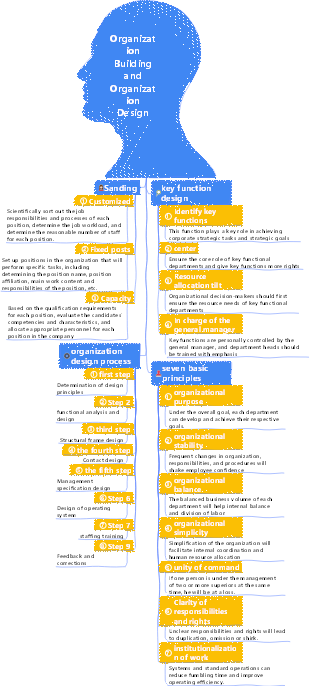
organizational design tasks
Static: organizational structure
Function
department
Hierarchy
Dynamics: Organizational Operation System
communication system
management practices
Incentive design