MindMap Gallery Internal Medicine-Pulmonary Infectious Diseases
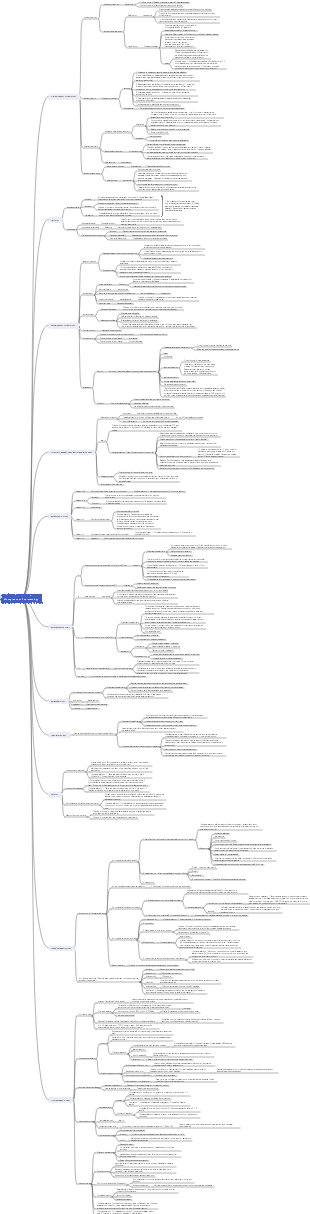
This is a mind map about pneumonia. The main contents include: Mycoplasma pneumoniae pneumonia, Staphylococcus pneumoniae, Streptococcus pneumoniae pneumonia, overview. The introduction is detailed and the knowledge is comprehensive. I hope it can be helpful to everyone!
Edited at 2024-10-26 18:44:17Rumi: 10 dimensões do despertar espiritual. Quando você para de se procurar, encontrará o universo inteiro porque o que está procurando também está procurando por você. Qualquer coisa que você persevera todos os dias pode abrir uma porta para as profundezas do seu espírito. Em silêncio, deslizei para o reino secreto e gostei de tudo para observar a magia ao meu redor e não fiz barulho. Por que você gosta de rastejar quando nasce com asas? A alma tem seus próprios ouvidos e pode ouvir coisas que a mente não pode entender. Procure para dentro para a resposta a tudo, tudo no universo está em você. Os amantes não acabam se encontrando em algum lugar, e não há despedida neste mundo. Uma ferida é onde a luz entra em seu coração.
A insuficiência cardíaca crônica não é apenas um problema da velocidade da freqüência cardíaca! É causada pela diminuição da contração miocárdica e da função diastólica, o que leva a um débito cardíaco insuficiente, o que, por sua vez, causa congestão na circulação e congestão pulmonar na circulação sistêmica. Das causas, o indução aos mecanismos de compensação, os processos fisiopatológicos de insuficiência cardíaca são complexos e diversos. Ao controlar o edema, reduzir a frente e pós -carga do coração, melhorando a função de conforto cardíaco e prevenindo e tratando as causas básicas, podemos efetivamente responder a esse desafio. Somente entendendo os mecanismos e as manifestações clínicas da insuficiência cardíaca e as estratégias de prevenção e tratamento, podemos proteger melhor a saúde do coração.
A lesão de isquemia-reperfusão é um fenômeno que a função celular e os distúrbios metabólicos e os danos estruturais piorarão depois que órgãos ou tecidos restauram o suprimento sanguíneo. Seus principais mecanismos incluem aumento da geração de radicais livres, sobrecarga de cálcio e o papel dos microvasculares e leucócitos. O coração e o cérebro são órgãos danificados comuns, manifestados como mudanças no metabolismo do miocárdio e mudanças ultraestruturais, diminuição da função cardíaca etc. As medidas de prevenção e controle incluem remover os radicais livres, reduzir a sobrecarga de cálcio, melhorar o metabolismo e controlar as condições de reperfusão, como baixo sódio, baixa temperatura, baixa pressão, etc. A compreensão desses mecanismos pode ajudar a desenvolver opções eficazes de tratamento e aliviar lesões isquêmicas.
Rumi: 10 dimensões do despertar espiritual. Quando você para de se procurar, encontrará o universo inteiro porque o que está procurando também está procurando por você. Qualquer coisa que você persevera todos os dias pode abrir uma porta para as profundezas do seu espírito. Em silêncio, deslizei para o reino secreto e gostei de tudo para observar a magia ao meu redor e não fiz barulho. Por que você gosta de rastejar quando nasce com asas? A alma tem seus próprios ouvidos e pode ouvir coisas que a mente não pode entender. Procure para dentro para a resposta a tudo, tudo no universo está em você. Os amantes não acabam se encontrando em algum lugar, e não há despedida neste mundo. Uma ferida é onde a luz entra em seu coração.
A insuficiência cardíaca crônica não é apenas um problema da velocidade da freqüência cardíaca! É causada pela diminuição da contração miocárdica e da função diastólica, o que leva a um débito cardíaco insuficiente, o que, por sua vez, causa congestão na circulação e congestão pulmonar na circulação sistêmica. Das causas, o indução aos mecanismos de compensação, os processos fisiopatológicos de insuficiência cardíaca são complexos e diversos. Ao controlar o edema, reduzir a frente e pós -carga do coração, melhorando a função de conforto cardíaco e prevenindo e tratando as causas básicas, podemos efetivamente responder a esse desafio. Somente entendendo os mecanismos e as manifestações clínicas da insuficiência cardíaca e as estratégias de prevenção e tratamento, podemos proteger melhor a saúde do coração.
A lesão de isquemia-reperfusão é um fenômeno que a função celular e os distúrbios metabólicos e os danos estruturais piorarão depois que órgãos ou tecidos restauram o suprimento sanguíneo. Seus principais mecanismos incluem aumento da geração de radicais livres, sobrecarga de cálcio e o papel dos microvasculares e leucócitos. O coração e o cérebro são órgãos danificados comuns, manifestados como mudanças no metabolismo do miocárdio e mudanças ultraestruturais, diminuição da função cardíaca etc. As medidas de prevenção e controle incluem remover os radicais livres, reduzir a sobrecarga de cálcio, melhorar o metabolismo e controlar as condições de reperfusão, como baixo sódio, baixa temperatura, baixa pressão, etc. A compreensão desses mecanismos pode ajudar a desenvolver opções eficazes de tratamento e aliviar lesões isquêmicas.
pneumonia
Overview
definition
Pneumonia refers to inflammation of the terminal airways, alveoli and pulmonary interstitium, which can be caused by pathogenic microorganisms, physical and chemical factors, immune damage, allergies and drugs.
pathogenesis
① Air inhalation
② Blood dissemination
③Spread adjacent to the infected site
④Aspiration of upper respiratory tract colonized bacteria
Classification
anatomical classification
Lobar (alveolar) pneumonia
Causes inflammation in the alveoli and spreads to other alveoli through the inter-alveolar pores (Cohn's pores), causing inflammation in part of the lung segment or the entire lung segment and lobes, usually without involving the bronchi.
Most of the causative bacteria are Streptococcus pneumoniae; X-ray images show consolidation shadows in pulmonary lobes or segments, and air bronchial sign
Lobular (bronchial) pneumonia
It is often secondary to other diseases, causing inflammation of the bronchioles, terminal bronchioles and alveoli.
X-ray images show irregular patchy shadows distributed along the lung texture without signs of consolidation, and the lower lobes of the lung are often involved.
interstitial pneumonia
Inflammation mainly in the lung interstitium, so the respiratory symptoms are mild, but if the lesions are extensive, breathing difficulties will be obvious.
Cause classification
bacterial pneumonia
Streptococcus pneumoniae, Staphylococcus aureus, Group A hemolytic Streptococcus, Klebsiella pneumoniae, Haemophilus influenzae, Pseudomonas aeruginosa pneumonia and Acinetobacter baumannii, etc.
atypical pathogens
Legionella, Mycoplasma and Chlamydia
viral pneumonia
Coronavirus, adenovirus, respiratory syncytial virus, influenza virus, measles virus, cytomegalovirus, herpes simplex virus
Pulmonary mycosis
Candida, Aspergillus, Cryptococcus, Pneumocystis, Mucor
Real pathogen
Rickettsia, Toxoplasma, parasites
Physical, chemical and allergic factors
Radiation pneumonitis, chemical pneumonitis, hypersensitivity pneumonitis
Environmental classification
Community-acquired pneumonia (CAP)
definition
Refers to infectious pulmonary parenchymal inflammation suffered outside the hospital, including pneumonia with pathogenic infection with a clear incubation period that develops within the average incubation period after admission.
bacteria
Streptococcus pneumoniae, atypical pathogens (mycoplasma, chlamydia), Haemophilus influenzae, respiratory viruses (G-cocci mainly, pneumococci accounting for 40-50%)
Hospital-acquired pneumonia (HAP)
definition
Refers to pneumonia that did not exist when the patient was admitted to the hospital and was not in the incubation period of infection, but occurred in the hospital 48 hours after admission.
bacteria
Those without high risk factors for infection: Streptococcus pneumoniae, Haemophilus influenzae, Staphylococcus aureus, Escherichia coli, Klebsiella pneumoniae
People with high risk factors for infection: Staphylococcus aureus, Pseudomonas aeruginosa, Enterobacter spp., Klebsiella pneumoniae
Mainly G-bacilli; increased MDR (MRSA, Pseudomonas aeruginosa, Acinetobacter baumannii)
diagnosis
clinical diagnosis
① Community onset
② Clinical manifestations related to pneumonia
a. New onset of cough, sputum production or aggravation of existing respiratory disease symptoms with purulent sputum, with or without chest pain/dyspnea/hemoptysis
b. Fever
c. Signs of pulmonary consolidation and/or wet rales
d. WBC>10×10⁹/L or <4×10⁹/L, with or without left shift of neutrophil nuclei
③ Chest imaging examination shows flaky or patchy infiltrative shadows or interstitial changes, with or without pleural effusion.
condition assessment
CURB-65 scoring method
①Unconsciousness ②Urea nitrogen>7mmoνL ③Respiratory rate 30 times/min ④Systolic blood pressure <90mmHg or diastolic blood pressure 60mmHg ⑤Age ≥65 years old
Severe pneumonia criteria
Main criteria
① Requires tracheal intubation and mechanical ventilation treatment
② Intoxication syndrome still requires vasoactive drug treatment after active fluid resuscitation
secondary criteria
① Respiratory rate ≥30 times/minute
② Oxygenation index (PaO2/FiO2) ≤250
③Multiple lung lobes infiltration
④ Consciousness disorder/disorientation
⑤ Azotemia (BUN≥20mg/dL)
⑥ Hypotension, requiring vigorous fluid resuscitation
Those who meet 1 major criterion or 3 or more minor criteria can be diagnosed as severe pneumonia
Identify the pathogen
Sputum specimen (most commonly used)
Direct smear microscopy shows >25 leukocytes or <10 squamous epithelial cells per low-power field, or squamous epithelial cells:leukocytes <1:2.5
It is best to collect sputum specimens before using antibiotics to increase the positive rate of culture
Quantitative culture: bacterial concentration ≥10⁷cfu/ml
Fiberoptic bronchoscopy or artificial airway suction: bacterial concentration ≥10⁵cfu/ml
Bronchoalveolar lavage (BAL): bacterial concentration ≥10⁴cfu/ml
Anti-pollution sample brush (PSB): bacterial concentration ≥10³cfu/ml
Percutaneous fine needle aspiration (PFNA): high sensitivity and specificity
Blood culture: Bacteria can be considered pathogenic, but not necessarily responsible for pneumonia.
Pleural fluid culture: bacteria considered to be the causative agent of pneumonia
treat
empiric treatment
Young adults and no underlying diseases
Macrolides, penicillins, first-generation cephalosporins, quinolones
The elderly and those with underlying medical conditions
Second-generation cephalosporins, beta-lactams/enzyme inhibitors, quinolones, or combined macrolides
Need to be hospitalized
Second and third generation cephalosporins alone or in combination with macrolides; ß-lactams/enzyme inhibitors; new quinolones; penicillins or first generation cephalosporins in combination with quinolones or aminoglycosides
hospital acquired
Second and third generation cephalosporins, ß-lactams/enzyme inhibitors, carbapenems, new quinolones
severe pneumonia
Third-generation cephalosporins, combined with macrolides, ß-lactams/enzyme inhibitors, macrolides, carbapenems, vancomycin if necessary, new quinolones or amino acids Glycosides
Antipathogenic therapy (targeted therapy)
Select antibiotics that are sensitive to in vitro testing based on the results of culture and drug susceptibility testing of respiratory tract or lung tissue specimens
Initial evaluation after treatment
efficient
Body temperature drops, respiratory symptoms improve, WBC recovers, and X-ray lesion absorption generally appears later.
① Body temperature ≤ 37. 8°C ② Heart rate ≤ 100 beats/min ③ Respiratory rate ≤ 24 beats/min ④ Systolic blood pressure ≥ 90mmHg ⑤ Oxygen saturation ≥ 90%
invalid
Symptoms do not improve or worsen, or once improved and then worsened
Carefully analyze the reasons, conduct necessary examinations, and readjust the treatment plan
Streptococcus pneumoniae pneumonia
Cause
① Toxicity is only related to the polysaccharide structure and content in the capsule
② Before the onset, there was often a history of exposure to rain, cold, excessive fatigue, alcoholism, etc.
③ Does not produce toxins, does not cause tissue necrosis or formation of cavities, and is most likely to form lobar pneumonia (not involving the bronchi)
pathology
Congestive phase, red liver transformation phase, gray liver transformation phase and dissipation phase
clinical manifestations
Symptoms: Acute onset, high fever (residual fever)/chills with systemic symptoms, cough and sputum (rusty-colored sputum), dyspnea, chest pain
Signs: Acute illness appearance, nasal flaring, cyanosis, oral herpes, pulmonary consolidation, pleural friction rub
The natural course of the disease is approximately 1-2 weeks
treat
Antibacterial treatment: Penicillin G is preferred (the course of treatment is usually 14 days), fluoroquinolones and cephalosporins are used for allergic patients, and vancomycin is used for multi-drug resistance
Supportive therapy: Respiratory support is provided in severe cases; aspirin antipyretics are prohibited (to prevent collapse due to excessive sweating and interference with heat type); encourage drinking 1 to 2L of water per day, and infusions can be given to those who lose water; fasting and drinking should be avoided in patients with paralytic ileus gastrointestinal decompression
Treatment of complications: High fever subsides within 1 day after antibacterial treatment, otherwise extrapulmonary infection, such as axillary chest, pericarditis, meningitis or arthritis, needs to be considered; pleural fluid examination and culture should be taken as appropriate to determine its nature
Staphylococcal pneumonia
Cause
Staphylococcus aureus (coagulase positive), Staphylococcus epidermidis, and Staphylococcus saprophyticus (coagulase negative)
Toxins and enzymes (hemolytic toxins, leukocidins, enterotoxins) have the effects of hemolysis, necrosis, leukocyte killing and vascular healing.
Primary inhalation infection is the most common and can also reach the lungs through the blood circulation
clinical manifestations
Symptoms: Acute onset, high fever/chills with systemic symptoms (obvious symptoms of toxemia), cough and sputum (a large amount of yellow purulent sputum/purulent and bloody sputum)
diagnosis
Chest X-ray shows consolidation of lung segments or lobes, which can form cavities or lobular infiltrates with fluid and air cysts.
The variability of shadows in X-ray images: manifested as the disappearance of inflammatory infiltrates in one place and the appearance of new lesions in another place, or the development of a small single lesion into a large shadow.
treat
For early removal and drainage of primary lesions, enzyme-resistant penicillin is used; for MRSA, vancomycin is used
Mycoplasma pneumonia
Cause
Damage to airway epithelium and ciliary activity, pathogenicity may be related to allergic reactions to pathogens or their metabolites
Features
The incubation period is 2-3 weeks, and the onset is slow; children and young adults are the main susceptible groups
symptom
Lack of specificity, similar to symptoms of upper respiratory tract infection, with irritating cough as the prominent symptom
X-ray
It is segmentally distributed, often seen in the lower lung fields, and disappears spontaneously after 3 to 4 weeks.
diagnosis
Mainly serological tests: cold agglutination test, mycoplasma IgM antibody test, mycoplasma antigen PCR test
treat
Preferred macrolide antibiotics: erythromycin (<8 years old), tetracyclines (8-18 years old), quinolones (>18 years old)
Penicillins and cephalosporins are ineffective - Mycoplasma has no cell wall
It is self-limiting and most cases will resolve without treatment.