 Wondershare EdrawMind
MindMap Gallery Using machine learning to predict survival and neurologic outcomes in patients with out-of-hospital cardiac arrest SCA
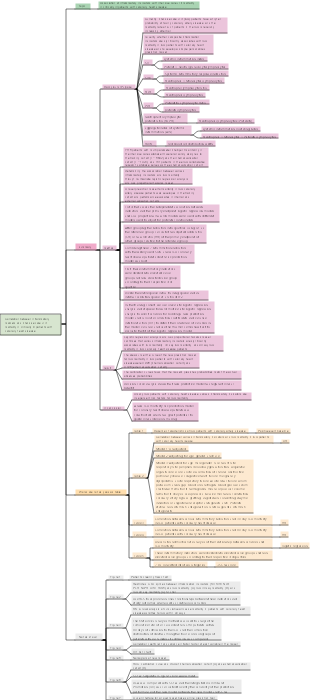
Using machine learning to predict survival and neurologic outcomes in patients with out-of-hospital cardiac arrest SCA
This is an article about using machine learning to predict survival and neurological outcomes of patients with out-of-hospital cardiac arrest: SCA mind map. The main content includes: supplementary materials, tables are not as good as pictures, words are not as good as tables, abstract, title.
Edited at 2024-10-09 16:23:08
- Knowledge Map of Nezha 2 Analysis of Characters and Symbolic Elements
Dive into the world of the Chinese animated film Nezha 2: The Devil's Birth! This knowledge map, created with EdrawMind, provides a detailed analysis of main characters, symbolic elements, and their cultural significance, offering deep insights into the film's storytelling and design.
- Details of 《Nezha 2》
This is a mindmap about Nezha 2, exploring its political metaphors and cultural references. The diagram highlights the symbolism behind the Dragon Clan’s suppression, drawing parallels to modern geopolitical conflicts and propaganda manipulation. It also details Chinese historical and cultural elements embedded in the film, such as the Jade Void Palace, Ao Bing’s armor, Taiyi Zhenren’s magic weapon, and Nezha’s hairstyle.
- 《Nezha 2》Main character
This is a mindmap about the main characters of Nezha 2, detailing their backgrounds, conflicts, and symbolic meanings. It explores the personal struggles and transformations of Nezha, Ao Bing, Shen Gongbao, and Li Jing as they navigate themes of rebellion, duty, ambition, and sacrifice.
Using machine learning to predict survival and neurologic outcomes in patients with out-of-hospital cardiac arrest SCA
- Knowledge Map of Nezha 2 Analysis of Characters and Symbolic Elements
Dive into the world of the Chinese animated film Nezha 2: The Devil's Birth! This knowledge map, created with EdrawMind, provides a detailed analysis of main characters, symbolic elements, and their cultural significance, offering deep insights into the film's storytelling and design.
- Details of 《Nezha 2》
This is a mindmap about Nezha 2, exploring its political metaphors and cultural references. The diagram highlights the symbolism behind the Dragon Clan’s suppression, drawing parallels to modern geopolitical conflicts and propaganda manipulation. It also details Chinese historical and cultural elements embedded in the film, such as the Jade Void Palace, Ao Bing’s armor, Taiyi Zhenren’s magic weapon, and Nezha’s hairstyle.
- 《Nezha 2》Main character
This is a mindmap about the main characters of Nezha 2, detailing their backgrounds, conflicts, and symbolic meanings. It explores the personal struggles and transformations of Nezha, Ao Bing, Shen Gongbao, and Li Jing as they navigate themes of rebellion, duty, ambition, and sacrifice.
- Recommended to you
- Outline
Correlation between inflammatory markers and intensive care unit mortality in critically ill patients with coronary heart disease
- 13
Machine learning-derived online prediction model for prognosis of patients with acute cholangitis due to cholelithiasis
- 30

