 Wondershare EdrawMind
MindMap Gallery How to develop independent thinking ability
- 14
How to develop independent thinking ability
It systematically explains the key steps and methods to cultivate independent thinking ability, from extensive reading and knowledge accumulation to logical reasoning and critical thinking, to innovative thinking and practical experience, each step points out the direction for everyone.
Edited at 2024-12-05 19:19:45
- Lemon 8 registration and login flow chart
Find a streamlined guide created using EdrawMind, showcasing the Lemon 8 registration and login flow chart. This visual tool facilitates an effortless journey for American users to switch from TikTok to Lemon 8, making the transition both intuitive and rapid. Ideal for those looking for a user-centric route to Lemon 8's offerings, our flow chart demystifies the registration procedure and emphasizes crucial steps for a hassle-free login.
- 稲盛和夫氏 私の今世の経験は、全部をまとめると、この36つだけです!
これは稲盛和夫に関するマインドマップです。私のこれまでの人生のすべての経験は、ビジネスの明確な目的と意味、強い意志、売上の最大化、業務の最小化、そして運営は強い意志に依存することを主な内容としています。
- 計画テンプレート - 月次計画ボード
かんばんボードのデザインはシンプルかつ明確で、計画が一目で明確になります。毎日の進捗状況を簡単に記録し、月末に要約を作成して成長と成果を確認することができます。 実用性が高い:読書、早起き、運動など、さまざまなプランをカバーします。 操作簡単:シンプルなデザイン、便利な記録、いつでも進捗状況を確認できます。 明確な概要: 毎月の概要により、成長を明確に確認できます。 小さい まとめ、今月の振り返り掲示板、今月の習慣掲示板、今月のまとめ掲示板。
How to develop independent thinking ability
- Lemon 8 registration and login flow chart
Find a streamlined guide created using EdrawMind, showcasing the Lemon 8 registration and login flow chart. This visual tool facilitates an effortless journey for American users to switch from TikTok to Lemon 8, making the transition both intuitive and rapid. Ideal for those looking for a user-centric route to Lemon 8's offerings, our flow chart demystifies the registration procedure and emphasizes crucial steps for a hassle-free login.
- 稲盛和夫氏 私の今世の経験は、全部をまとめると、この36つだけです!
これは稲盛和夫に関するマインドマップです。私のこれまでの人生のすべての経験は、ビジネスの明確な目的と意味、強い意志、売上の最大化、業務の最小化、そして運営は強い意志に依存することを主な内容としています。
- 計画テンプレート - 月次計画ボード
かんばんボードのデザインはシンプルかつ明確で、計画が一目で明確になります。毎日の進捗状況を簡単に記録し、月末に要約を作成して成長と成果を確認することができます。 実用性が高い:読書、早起き、運動など、さまざまなプランをカバーします。 操作簡単:シンプルなデザイン、便利な記録、いつでも進捗状況を確認できます。 明確な概要: 毎月の概要により、成長を明確に確認できます。 小さい まとめ、今月の振り返り掲示板、今月の習慣掲示板、今月のまとめ掲示板。
- Recommended to you
- Outline

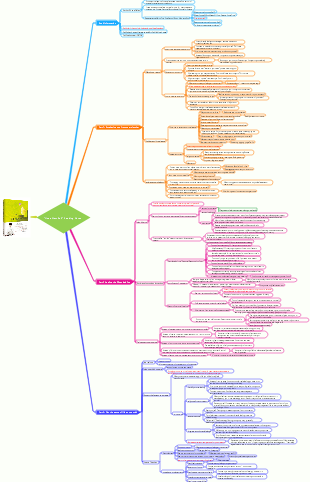


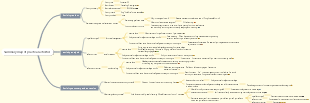

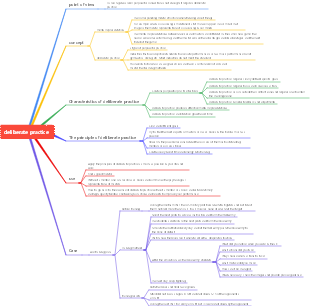

How to develop independent thinking ability?
Knowledge accumulation basis
Read widely
Diversity in many fields
Purpose: Reading books in different fields can expose us to a variety of viewpoints and ways of thinking, and avoid limiting our thinking to a single field.
Specific operations: You can read classic novels in the literature field, such as "One Hundred Years of Solitude", to experience the narrative techniques of magical realism and profound thinking about family and history; read "Global History" in the history field to understand the development context and differences of world history. The rise and fall of civilizations, thereby broadening horizons. At the same time, we are involved in philosophy, science, art, finance and other fields. For example, philosophy books can help us think about the nature and value of life, popular science books can help us understand the latest scientific discoveries and technological applications, and financial books can help us understand the laws of economic operation.
Effect: Through this kind of extensive reading, our brains can accumulate rich materials and think from multiple angles when facing problems.
Classic Study
Purpose: Classic works often contain the author's profound thoughts and wisdom. Studying classics can allow us to learn the thinking paths and depth of the masters.
Specific operations: For literary classics such as "Hamlet", carefully analyze how Shakespeare shows the complexity of human nature and moral dilemmas through characterization and plot conflicts; for philosophical classics such as "The Republic", deeply understand Plato's views on justice, politics and Thoughts on an ideal society. Discover the ideological treasures in classic works by taking notes and writing reflections.
Effect: Long-term study of classics can enhance the depth and connotation of our thinking and provide a solid knowledge foundation for independent thinking.
information collection
Multiple channels
Purpose: Rely on multiple information channels to obtain more comprehensive information and prevent being misled by a single source of information.
Specific operations: Use news media, including traditional newspapers, TV news programs and emerging news websites, mobile news clients, etc., to keep abreast of current affairs at home and abroad; use academic databases, such as CNKI, Wanfang, etc., to obtain professional fields Research results and academic papers, which are very helpful for in-depth research on a certain topic; pay attention to industry reports, such as the iResearch Report on the Internet industry, industry white papers on the financial industry, etc., to understand the latest trends and development directions of the industry.
Effect: Rich information channels allow us to have more sufficient information when thinking about problems and make more accurate judgments.
Verify screening
Purpose: In the era of information explosion, the authenticity and reliability of information are uneven, and the collected information needs to be screened.
Specific operations: Verify the source of the information, such as whether the news report comes from authoritative media or an unknown small website; check the release time of the information to ensure that the information is up-to-date and valid, and avoid using outdated data; evaluate the reliability of the information, such as For academic research, it is necessary to check whether the research methods are scientific and whether the research institution is authoritative. For suspicious information, verify its authenticity from multiple channels through cross-verification.
Effect: Only verified and screened information can become effective material for our independent thinking, to avoid being misled by false information and drawing wrong conclusions.
Mastery of thinking methods
Logical reasoning training
Learn the rules of logic
Purpose: Mastering the rules of logic is the basis for effective thinking, which can make our thinking more organized and our opinions more well-founded.
Specific operations: Learn syllogisms and understand the relationship between major premise, minor premise and conclusion, such as "All people will die (major premise), Socrates is a human being (minor premise), so Socrates will die (conclusion) ". Master inductive reasoning and summarize general rules from individual cases. For example, by observing the whereabouts of multiple objects under the action of gravity, you can summarize the law of universal gravitation. Learn deductive reasoning, starting from general principles and deriving conclusions in individual cases, such as solving specific mathematical problems based on mathematical theorems. You can learn these rules systematically by reading introductory logic books, such as "Simple Logic".
Effect: Proficient use of logical rules can make us more rigorous when thinking and expressing opinions, and enhance our persuasiveness.
Analysis case
Purpose: Through the analysis of actual cases, we can better understand and apply logical reasoning methods.
Specific operation: In argumentative essay analysis, for example, analyzing an argumentative essay on social justice, observe how the author explains his point of view through logical reasoning, whether he uses factual arguments for inductive reasoning, or cites theoretical basis for deductive reasoning. In court debate cases, study how lawyers use logical reasoning to construct their own defense strategies and how to reason and analyze evidence to prove the guilt or innocence of their clients. These cases can be dismantled and their logical context can be sorted out.
Effect: Through case analysis, we can apply abstract logical rules to actual scenarios and improve logical reasoning capabilities.
Critical thinking development
Questioning spirit
Purpose: Not blindly accepting existing conclusions is the key to independent thinking. Cultivating a questioning spirit allows us to break through conventions and think deeply about the nature of problems.
Specific operations: Be vigilant about popular views in society, such as some so-called secrets of success in "Success Studies", and think about whether these views are universally applicable and whether there are limitations. For authoritative judgments, even the opinions of experts, we must also consider the assumptions, research methods and possible interests behind them. When you hear an opinion, don’t rush to accept it, but ask yourself, “What evidence is this opinion based on?” and “Are there other possible explanations?”
Effect: The spirit of questioning can prompt us to dig deeper into problems, avoid following others' opinions, and form our own independent opinions.
Weighing the pros and cons
Purpose: When faced with various opinions and decisions, weighing the pros and cons allows us to make more rational choices.
Specific operation: When analyzing a point of view, such as "the advantages of developing artificial intelligence outweigh the disadvantages", list its advantages, such as increasing production efficiency, improving medical diagnosis, etc., and disadvantages, such as it may cause some people to lose their jobs and have privacy and security risks. wait. When making decisions, such as whether to change jobs, you should consider the advantages of the new job such as salary, benefits, career development opportunities, etc., as well as the possible disadvantages such as increased work pressure and re-establishing interpersonal relationships. You can clearly list the pros and cons for comparison by making a table or other methods.
Effect: By weighing the pros and cons, we can evaluate ideas and decisions more comprehensively, improving the objectivity and independence of thinking.
Inspire innovative thinking
brainstorming
Purpose: Brainstorming is an effective method to stimulate innovative thinking and can generate a large number of ideas and ideas in a short period of time.
What to do: Set a topic, such as "How to improve urban traffic congestion," and then invite a group of people (or you can do it yourself) to come up with as many ideas as possible within a set time, such as 15-30 minutes. During this process, do not criticize or evaluate ideas, and encourage everyone to express themselves freely, whether it is building an aerial track, promoting ride-sharing software, or implementing odd and even number traffic restrictions, etc. You can put forward ideas. You can record everyone’s ideas and then organize and filter them.
Effect: Brainstorming can break our thinking patterns, unearth some novel and potential ideas, and provide innovative ideas for independent thinking.
Reverse thinking
Purpose: Reverse thinking is a method of exploring problems from the opposite direction, which can help us discover new solutions.
Specific operations: When encountering a problem, such as "how to increase product sales", the conventional positive thinking may be to increase advertising, lower prices, etc. Reverse thinking can start from the opposite angle, such as thinking about "how to reduce the inventory backlog of products" and clearing inventory to make room for new products, thereby indirectly increasing sales. In product design, reverse thinking can also be used. For example, traditional car design pursues speed and comfort. Reverse thinking can design small electric cars from the perspective of environmental protection and easy travel.
Effect: Reverse thinking allows us to break out of the traditional thinking framework, develop new thinking directions, and improve the flexibility of independent thinking.
daily habit development
Be alone and meditate
Meditate regularly
Purpose: Meditation can help us eliminate external interference and distracting thoughts, focus on inner thinking, and make our thinking clearer and calmer.
Specific operation: Find a quiet and comfortable space, such as your own room or a quiet corner of the park, sit in a comfortable position, close your eyes, and focus on your breathing. When distracting thoughts arise, instead of trying to push them away, gently bring your attention back to your breathing. Start with just a few minutes a day and gradually increase the time, such as 10-15 minutes of meditation 3-5 times a week. During meditation, try to sort out the problems, thoughts and emotions you have encountered recently and let your thoughts settle.
Effect: Regular meditation can improve our concentration and self-awareness, and create a good mental state for independent thinking.
walking alone
Purpose: Walking alone allows us to let our minds roam freely in a relaxed atmosphere, which helps organize our thoughts and inspire inspiration.
Specific operation: Choose a quiet environment, such as a riverside, a campus trail or a trail in a forest park. During your walk, don’t be disturbed by your phone or other things, and let your thoughts flow naturally. You can review a day's work or life and think about the problems encountered, such as conflicts in interpersonal relationships, project difficulties at work, etc. You can also think about some more macro issues, such as the purpose and meaning of life. After the walk, you can record your thoughts.
Effect: Walking alone can provide us with a space for independent thinking, allowing us to think deeply about problems in a relaxed state.
Problem record
Take notes
Purpose: Carrying a notebook with you or using the memo function of your mobile phone can promptly record the doubts and novel ideas we have in life, so as to prevent these precious thinking sparks from passing by in a flash.
Specific operations: Whether you are reading a book, watching a movie, talking to someone, or working, once you have an idea or question, write it down immediately. For example, if you have questions about the existence of dark matter while reading a book about cosmic exploration, or if you suddenly have a new idea about solving social problems when discussing social phenomena with others, you should record it immediately. The recorded content can include the description of the problem, the source of inspiration at the time, your initial thoughts, etc.
Effect: Taking notes can help us accumulate material for thinking, making it easier for us to dig deeper into these issues and ideas when we have time later.
Create question bank
Purpose: The establishment of a question bank can systematically manage and classify the recorded questions, making it easier for us to think and solve problems in a targeted manner.
Specific operations: You can use spreadsheet software or special note-taking software to build a question bank. Classify problems according to different categories, such as life, work, study, hobbies and other fields, or according to the nature of the problem, such as technical problems, interpersonal problems, decision-making problems, etc. For each question, record the time when the question was asked, the detailed description of the question, the thoughts and attempts you have made, relevant reference materials and other information. Review the problem bank regularly, summarize the problems that have been solved, and rethink the problems that have not yet been solved.
Effect: Establishing a question bank can make our thinking more organized, improve the efficiency of problem solving, and help cultivate systematic independent thinking.
In-depth communication
point of view debate
Purpose: Participating in opinion debates allows us to test our own thinking results in the ideological confrontation with others, and at the same time absorb other people's opinions and improve our own thinking.
Specific operations: You can join the school’s debate club, community discussion group or online debate forum, etc. During the debate, express your opinions bravely and support your opinions with sufficient reasons. For example, in the debate about "Which is more important, environmental protection or economic development?" If you support that environmental protection is more important, you must make an argument from the perspective of the sustainability of the ecosystem and the long-term interests of mankind. At the same time, listen carefully to the other party's point of view and analyze the other party's logical loopholes and reasonableness. After the debate is over, review the entire debate process and think about your own strengths and weaknesses in the process of thinking and expression.
Effect: Debating opinions can exercise our thinking agility and critical thinking skills, and promote the improvement of independent thinking ability.
Ask seniors for advice
Purpose: To communicate with industry seniors or experienced people, you can learn from their mature thinking models and valuable experiences, and broaden your own thinking horizons.
Specific operations: Contact seniors with rich experience in the field of interest by attending industry conferences, alumni gatherings or using social networks. When communicating with them, prepare quality questions in advance. For example, when asking a senior programmer for advice, you can ask "How do you design and think about the system when facing a complex project architecture?" Seriously Listen to the answers from seniors and consider how their way of thinking differs from your own. You can record the experiences and suggestions of your predecessors and use them as a reference when you think about related issues.
Effect: Consulting seniors can help us stand on the shoulders of giants, quickly improve our ability to think independently, and avoid unnecessary detours.
Practical scenario experience
work items
Take initiative and take responsibility
Purpose: Taking the initiative to take responsibility in work projects can give us more opportunities to think and make decisions independently, and exercise our thinking skills.
Specific operations: In team projects, actively strive to be responsible for key aspects of the project, such as the planning, execution or summary stages of the project. When responsible for these links, you must participate in the entire planning and decision-making process. For example, during the project planning stage, you must independently think about the goals, scope, schedule, and resource allocation of the project. When encountering difficulties and challenges, such as technical difficulties, personnel coordination issues, etc., do not immediately seek help from others. Instead, first independently explore possible solutions, review relevant information, and try different methods.
Effect: By taking the initiative to take responsibility, we can continuously exercise our independent thinking ability in actual work scenarios and improve our ability to solve practical problems.
Review summary
Purpose: The review summary after the end of the project can help us reflect on our thinking process during the project, discover shortcomings, and optimize our way of thinking.
Specific operations: After the project is completed, conduct a comprehensive review of the entire project. Analyze your own way of thinking in the project decision-making process. For example, when making an important decision, is it based on sufficient data analysis or intuition? Think about whether your thinking perspective when facing problems is comprehensive, and whether you have overlooked some important decisions. factors. For successful experiences, you should summarize the highlights of your thinking, and for lessons from failures, you should find loopholes in your thinking. You can conduct reviews with team members and listen to their opinions and suggestions.
Effect: The review summary allows us to continuously learn and improve in practice and improve the quality of independent thinking ability.
life decisions
Be independent in small matters
Purpose: Start with small things in daily life, exercise your independent decision-making ability, and lay the foundation for cultivating independent thinking ability.
Specific operations: Make your own decisions in terms of daily necessities, food, clothing, housing and transportation. For example, when choosing what clothes to wear, in addition to considering the weather, you can also consider your own mood, occasion and other factors, and weigh the style, comfort and matching effects of different clothes. When choosing a restaurant to eat, you should not only look at the price and distance, but also consider the characteristics of the dishes, the environment of the restaurant, etc. Through these small decisions, you can gradually develop your thinking habit of weighing various factors.
Effect: Starting from small things allows us to accumulate decision-making experience under low-risk situations and improve our self-confidence in independent thinking.
big plans
Purpose: When facing major decisions in life, such as career planning, home purchase plans, etc., comprehensive and in-depth thinking is required. This is an important scene for cultivating independent thinking ability.
Specific operations: In terms of career planning, it is necessary to comprehensively investigate factors such as the development prospects of different occupations, salary benefits, job content and personal interests. For example, if you are considering switching from a traditional industry to the Internet industry, you should understand the different job requirements, promotion paths and industry trends in the Internet industry, and analyze whether your skills and advantages are suitable for this industry. When planning a house purchase, you must consider factors such as the house's location, price, unit type, and surrounding supporting facilities, and combine it with your own financial strength and long-term life plan. You can help yourself think by making decision trees, SWOT analysis and other tools.
Effect: By planning major life events, we can exercise our ability to think comprehensively and deeply about problems, and improve the depth and breadth of independent thinking.