MindMap Gallery How to change character flaws
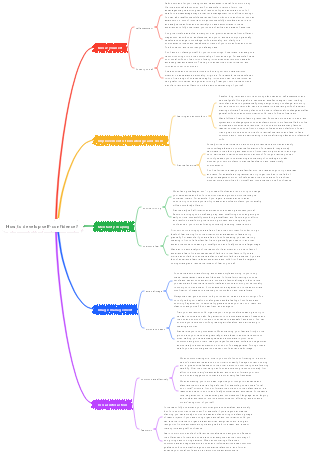
In the journey of life, each of us will face character challenges and deficiencies. These personality flaws, such as oversensitivity, introverted fear, emotional control, or perfectionistic tendencies, often become stumbling blocks that hinder our growth and socialization. In the form of a mind map, this brain map explains in detail the strategies and approaches on how to change character defects. Hope it's useful to everyone!
Edited at 2024-12-05 19:05:17Find a streamlined guide created using EdrawMind, showcasing the Lemon 8 registration and login flow chart. This visual tool facilitates an effortless journey for American users to switch from TikTok to Lemon 8, making the transition both intuitive and rapid. Ideal for those looking for a user-centric route to Lemon 8's offerings, our flow chart demystifies the registration procedure and emphasizes crucial steps for a hassle-free login.
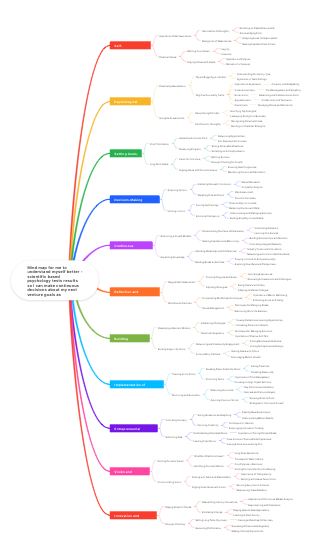
これは稲盛和夫に関するマインドマップです。私のこれまでの人生のすべての経験は、ビジネスの明確な目的と意味、強い意志、売上の最大化、業務の最小化、そして運営は強い意志に依存することを主な内容としています。
かんばんボードのデザインはシンプルかつ明確で、計画が一目で明確になります。毎日の進捗状況を簡単に記録し、月末に要約を作成して成長と成果を確認することができます。 実用性が高い:読書、早起き、運動など、さまざまなプランをカバーします。 操作簡単:シンプルなデザイン、便利な記録、いつでも進捗状況を確認できます。 明確な概要: 毎月の概要により、成長を明確に確認できます。 小さい まとめ、今月の振り返り掲示板、今月の習慣掲示板、今月のまとめ掲示板。
Find a streamlined guide created using EdrawMind, showcasing the Lemon 8 registration and login flow chart. This visual tool facilitates an effortless journey for American users to switch from TikTok to Lemon 8, making the transition both intuitive and rapid. Ideal for those looking for a user-centric route to Lemon 8's offerings, our flow chart demystifies the registration procedure and emphasizes crucial steps for a hassle-free login.
これは稲盛和夫に関するマインドマップです。私のこれまでの人生のすべての経験は、ビジネスの明確な目的と意味、強い意志、売上の最大化、業務の最小化、そして運営は強い意志に依存することを主な内容としています。
かんばんボードのデザインはシンプルかつ明確で、計画が一目で明確になります。毎日の進捗状況を簡単に記録し、月末に要約を作成して成長と成果を確認することができます。 実用性が高い:読書、早起き、運動など、さまざまなプランをカバーします。 操作簡単:シンプルなデザイン、便利な記録、いつでも進捗状況を確認できます。 明確な概要: 毎月の概要により、成長を明確に確認できます。 小さい まとめ、今月の振り返り掲示板、今月の習慣掲示板、今月のまとめ掲示板。
How to change character flaws?
Recognize character flaws
Common manifestations of character flaws
Over-sensitivity: Over-interpret other people’s words, expressions, and actions, and often feel offended and criticized. For example, when colleagues discuss work normally, sensitive people assume that they are alluding to their own shortcomings; they see messages on social platforms that are not responded to in a timely manner. , they become anxious and imagine that they have offended the other party.
Extreme introversion: Fear of meeting new people. In unfamiliar social situations, the heart beats faster and the hands and feet feel cold. They try their best to find excuses to avoid parties and team activities. Even if they are in a crowd, they are taciturn and find it difficult to take the initiative to communicate.
Irritable and irritable: If something goes wrong, you will get angry, yell at your family and friends, and smash things; if you encounter traffic jams on the road or wait in long queues, you will lose control of your emotions instantly, leading to violent words and deeds.
Over-reliance: Relying on other people's decisions for trivial matters in life, as small as what to wear or eat every day. Reluctance to study independently on work problems, asking colleagues and leaders for help immediately, and feeling at a loss when leaving the person you are relying on.
Perfectionism: In pursuit of the ultimate result, small details are repeatedly polished, and work progress is delayed; because of a slight flaw, one completely negates one's efforts, falling into anxiety and depression, and the requirements for oneself are far beyond the reasonable range.
Causes of character defects
Original family environment: Parents quarrel and divorce for a long time, which makes children insecure and sensitive and suspicious; over-indulgence causes children to lose their ability to take care of themselves and solve problems, and develop dependence habits; being too strict can easily lead to perfectionism, and children are afraid of being punished for making mistakes. , strive for perfection in everything.
Growth trauma experience: being bullied on campus in childhood, leaving a psychological shadow, becoming withdrawn, low self-esteem, and timid; experiencing setbacks such as failure in major exams, breakup, death of relatives and friends, failing to properly handle emotions, and falling into a negative personality pattern.
Genetic genes: Some personality traits are affected by genetics. If a family has members who are prone to mood swings and depression, the probability of similar personality defects in offspring will increase.
Social and cultural atmosphere: The current fiercely competitive society values success and excellence, prompting some people to excessively pursue perfection; the false "perfect life" displayed on social media makes some people feel anxious and inferior in comparison, aggravating personality deviations.
Set change goals
Short-term goals (1-3 months)
Emotional control: With the help of the emotion recording APP, the number of angers per week is reduced by 2-3 times compared with before; when angry, you can calm yourself within 5 minutes, and control your emotions by taking deep breaths and silently reciting calming sentences.
Social actions: Participate in small social activities at least once a month, such as friend gatherings and industry sharing meetings; take the initiative to have brief conversations with 2-3 people during the activities and exchange contact information.
Mid-term goals (3-6 months)
Social integration: Join fixed social circles such as book clubs and sports groups, and participate in group activities 3-4 times a month; get to know 5-6 like-minded friends in the circle who can communicate and interact regularly.
Frustration response: When encountering setbacks such as work project failure or interpersonal conflicts, stop complaining and passively avoiding yourself within 48 hours; be able to analyze the reasons in an organized manner and list 3-5 improvement measures.
Long-term goals (6+ months)
Mature personality: always emotionally stable, able to act rationally under pressure, no longer impulsive and anxious; confident and optimistic in facing life challenges, with a positive attitude.
Interpersonal comfort: Easily handle complex interpersonal relationships, maintain harmonious relationships at home, workplace, and among friends; know how to think from others' perspective, communicate effectively, and resolve conflicts in the bud.
Emotional Regulation Methods
emotional awareness training
Prepare an emotional diary and record in detail the emotional ups and downs of the day before going to bed every day, such as triggering events, current emotions (anger, sadness, etc.), and physical reactions (blushing, shaking hands); review weekly to accurately locate high-frequency emotional trigger points.
Meditate for 15-20 minutes in the morning or before going to bed. Close your eyes and focus on breathing, and be aware of the thoughts and emotions flowing in your mind. When your thoughts drift away, gently pull them back to improve your emotional sensitivity.
Emotional catharsis techniques
Exercise 3-4 times a week, including jogging, boxing, and yoga. During exercise, you can devote yourself to it and use sweat to relieve negative emotions such as anger and depression. After exercise, relax your body and mind and record your relaxed feelings at the moment.
When you feel depressed, call a friend or talk face to face, tell the truth about your troubles, and listen to the other person’s comfort and suggestions; you can also talk to pets or dolls to release emotional pressure.
Emotion Transformation Strategies
When anger arises, immediately close your eyes and take a deep breath for 10 seconds, inhale and exhale slowly, and count the numbers silently in your mind; then mentally analyze the pros and cons of getting angry, and shift your attention to solving the problem.
When anxiety strikes, put down the complicated things at hand and devote yourself to simple daily life, such as tidying the table, watering flowers, and folding clothes; focus on the process of small things, and the anxiety will dissipate as your attention shifts.
Ways to improve social interaction
social skills learning
Read classic books such as "Human Weakness" and "The Art of Communication" to learn opening remarks, listening skills, and topic extension methods; mark practical content and practice it repeatedly every day.
Watch social reality shows and workplace communication videos, and pay attention to the details of guest interactions; imitate appropriate words and deeds, such as smiling, eye contact, and polite language, and record yourself imitating videos to compare and improve.
Gradually expand your social circle
Choose an interest group based on your personal hobbies, such as photography, painting, and board games; be open-minded when joining for the first time, take the initiative to introduce yourself, share your interests and experiences, and participate in activities regularly in the future.
Sign up for community volunteer services, such as environmental protection and elderly care projects; collaborate with partners of different ages and backgrounds during activities to naturally expand your network and accumulate social experience.
Repair relationships
Sort out past interpersonal conflicts and select important relationships that are potentially repairable; sincerely write a letter of apology or make an appointment to meet with the other party, frankly admit your mistakes, express your willingness to reconcile, and negotiate improvement measures.
Send caring and greeting messages to relatives and friends every day, remember birthdays and anniversaries and send small gifts; take the initiative to help solve problems of relatives and friends, and strengthen emotional bonds with every bit of care.
Reshaping thinking patterns
Break negative thinking patterns
Keep a small notebook in your pocket and record down negative thoughts such as "I can't do it" or "I will definitely fail" every time. Calmly analyze the root cause and rationality of the thought, and write down 2-3 counterarguments.
Before going to bed every night, think about the happy events of the day, no matter how big or small, describe the experience and feelings in detail; keep recording and form a "happy diary", read it regularly, and rebuild an optimistic attitude.
Develop a growth mindset
After the project is over and the task is completed, no matter whether the results are good or bad, spend half an hour summarizing the experience gained; regard failure as a "stepping stone" for growth and list the new knowledge and skills learned.
Set up small challenges with increasing difficulty at the beginning of each month, such as learning to cook new dishes and reciting English passages; if you succeed in the challenge, review the process, reward yourself, and accumulate a sense of accomplishment.
Learn to think from multiple perspectives
When participating in discussions, deliberately hold back your first thought and listen patiently to others; compare the differences between different opinions, analyze their rationality, and integrate them into your own thinking system.
When you disagree with others, press the pause button and think about the other person's position and motivations; re-examine the points of disagreement, seek a balance between the interests of both parties, and communicate peacefully.
Self-monitoring and motivation
Establish a supervision mechanism
Select 2-3 close friends to form a supervision group and set up a WeChat group; daily report on social and emotional management status, real-time comments and reminders from friends; weekly gatherings to review.
Place a camera in a conspicuous place at home to record your social and emotional scenes throughout the week; play it back on weekends to identify problems from a bystander's perspective and record directions for improvement.
Set up a reward system
Achieve short-term goals and reward yourself with favorite snacks and a good book; go to a dessert shop to enjoy a leisurely afternoon, relax your body and mind, and strengthen positive behaviors.
Achieve mid-term goals and purchase beautiful clothes and fashionable electronic products; arrange short-distance trips to visit the beautiful scenery while accumulating energy for subsequent changes.
Achieve long-term goals, carefully plan long-distance travel, and experience the customs and customs of places you desire; or purchase expensive items to commemorate your personality transformation.
Accept repetition and setbacks
During the process of change, if you experience recurring situations such as losing control of your emotions and withdrawing from society, take a deep breath to calm down and tell yourself that this is normal and that everyone does it.
Review repeated scenarios in detail, sort out triggering factors and respond to vulnerabilities on your own; adjust and change plans accordingly, optimize methods and strategies, and start again with a light load.