MindMap Gallery Skills chart of reinforced concrete engineering for house construction
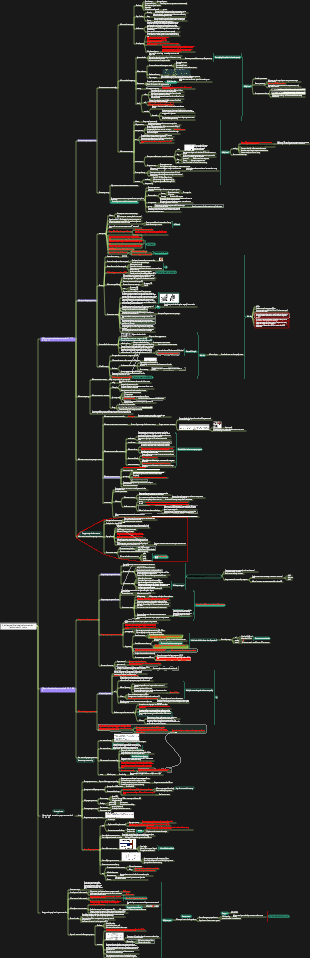
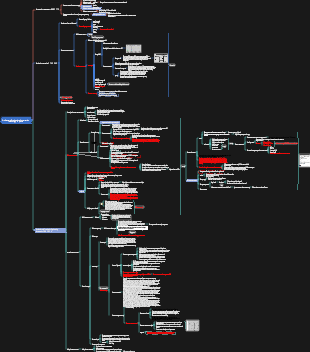
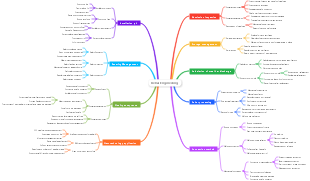
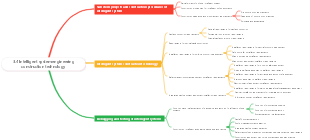
This is a mind map about the skill map of reinforced concrete engineering in house construction, the main contents include: project management, basic knowledge, continuous improvement, formwork engineering, project acceptance and maintenance, construction management and safety, concrete engineering, and reinforced bar engineering.
Edited at 2025-01-31 10:39:16Rumi: 10 dimensions of spiritual awakening. When you stop looking for yourself, you will find the entire universe because what you are looking for is also looking for you. Anything you do persevere every day can open a door to the depths of your spirit. In silence, I slipped into the secret realm, and I enjoyed everything to observe the magic around me, and didn't make any noise. Why do you like to crawl when you are born with wings? The soul has its own ears and can hear things that the mind cannot understand. Seek inward for the answer to everything, everything in the universe is in you. Lovers do not end up meeting somewhere, and there is no parting in this world. A wound is where light enters your heart.
Chronic heart failure is not just a problem of the speed of heart rate! It is caused by the decrease in myocardial contraction and diastolic function, which leads to insufficient cardiac output, which in turn causes congestion in the pulmonary circulation and congestion in the systemic circulation. From causes, inducement to compensation mechanisms, the pathophysiological processes of heart failure are complex and diverse. By controlling edema, reducing the heart's front and afterload, improving cardiac comfort function, and preventing and treating basic causes, we can effectively respond to this challenge. Only by understanding the mechanisms and clinical manifestations of heart failure and mastering prevention and treatment strategies can we better protect heart health.
Ischemia-reperfusion injury is a phenomenon that cellular function and metabolic disorders and structural damage will worsen after organs or tissues restore blood supply. Its main mechanisms include increased free radical generation, calcium overload, and the role of microvascular and leukocytes. The heart and brain are common damaged organs, manifested as changes in myocardial metabolism and ultrastructural changes, decreased cardiac function, etc. Prevention and control measures include removing free radicals, reducing calcium overload, improving metabolism and controlling reperfusion conditions, such as low sodium, low temperature, low pressure, etc. Understanding these mechanisms can help develop effective treatment options and alleviate ischemic injury.
Rumi: 10 dimensions of spiritual awakening. When you stop looking for yourself, you will find the entire universe because what you are looking for is also looking for you. Anything you do persevere every day can open a door to the depths of your spirit. In silence, I slipped into the secret realm, and I enjoyed everything to observe the magic around me, and didn't make any noise. Why do you like to crawl when you are born with wings? The soul has its own ears and can hear things that the mind cannot understand. Seek inward for the answer to everything, everything in the universe is in you. Lovers do not end up meeting somewhere, and there is no parting in this world. A wound is where light enters your heart.
Chronic heart failure is not just a problem of the speed of heart rate! It is caused by the decrease in myocardial contraction and diastolic function, which leads to insufficient cardiac output, which in turn causes congestion in the pulmonary circulation and congestion in the systemic circulation. From causes, inducement to compensation mechanisms, the pathophysiological processes of heart failure are complex and diverse. By controlling edema, reducing the heart's front and afterload, improving cardiac comfort function, and preventing and treating basic causes, we can effectively respond to this challenge. Only by understanding the mechanisms and clinical manifestations of heart failure and mastering prevention and treatment strategies can we better protect heart health.
Ischemia-reperfusion injury is a phenomenon that cellular function and metabolic disorders and structural damage will worsen after organs or tissues restore blood supply. Its main mechanisms include increased free radical generation, calcium overload, and the role of microvascular and leukocytes. The heart and brain are common damaged organs, manifested as changes in myocardial metabolism and ultrastructural changes, decreased cardiac function, etc. Prevention and control measures include removing free radicals, reducing calcium overload, improving metabolism and controlling reperfusion conditions, such as low sodium, low temperature, low pressure, etc. Understanding these mechanisms can help develop effective treatment options and alleviate ischemic injury.
Skills chart of reinforced concrete engineering for house construction
Rebar Engineering
Rebar selection and procurement
Select the appropriate steel bar model and specification according to the design requirements
Choose the right supplier considering costs and supply situations
Rebar processing
Cutting of steel bars
Use a cutting machine to cut the length of the steel bar according to the design drawing requirements
Make sure the cutting surface is flat and burrs are free
Bending of steel bars
Use a bending machine to bending the reinforcement according to the requirements of the drawings
Ensure that the bending angle and radius comply with the specifications
Binding of steel bars
Use wire or typing machine to secure the steel bars to the desired shape
Ensure that the binding points are firm and the spacing meets the design requirements
Rebar installation
Positioning of steel bars
Position the position of the steel bars according to the requirements of the drawings
Use positioning brackets and pads to ensure accurate positioning of the steel bars
Fixing of steel bars
Fix the steel bars by welding or binding
Ensure the stability of the steel bar structure and meet the load bearing requirements
Quality control of steel bars
Inspection of steel bars
Check whether the size, model and quality of the steel bar meet the standards
Mark and isolate unqualified steel bars
Protection of steel bars
Take measures to prevent corrosion and pollution of steel bars
Ensure that the protection measures for steel bars are in place during construction
Template project
Design skills
Architectural drawing
Hand drawing skills
Plan, elevation drawing
Detailed markings of construction drawings
CAD drawing software application
Basic AutoCAD operations
Revit model construction and management
Structural Design
Load calculation
The difference between live load and constant load
Calculation method of wind load and snow load
Comparison of structural schemes
Advantages and disadvantages of different structural systems
Cost and performance trade-off
Construction technology
Template system construction
Selection of wood template and steel template
Analysis of the advantages and disadvantages of materials
Cost-effectiveness comparison
Installation and removal of templates
Safety operating procedures
Stability inspection of template support system
Construction site management
Construction progress control
Project progress plan formulation
Response to delays in progress
Quality and safety management
Construction quality inspection standards
Implementation of safety production standards
Concrete Engineering
Concrete mix ratio design
Determine the water-cement ratio of concrete according to design requirements and site conditions
Choose the right cement, aggregate and admixture
Concrete mixing
Use a mixer to measure raw materials accurately according to mix ratio
Ensure that the concrete is mixed evenly without separation
Concrete Transport
Choose the right transportation method, such as pumping or mixing truck
Ensure that the quality of concrete during transportation is not affected
Concrete pouring
Concrete pouring according to the construction order and method
Ensure continuous pouring and avoid cold joints
Use tools such as vibrators to ensure that the concrete is compact
Pay attention to the maintenance of concrete
Timely cover and water and maintenance of concrete
Control the maintenance time and temperature to prevent cracks
Concrete quality control
Concrete sampling and testing
Regular sampling for strength and durability tests
Ensure the quality of concrete meets design requirements
Repair of concrete defects
Repair the defects such as honeycomb and numbing
Repair with appropriate repair materials and techniques
Project acceptance and maintenance
Project quality acceptance standards
Develop acceptance standards according to national standards and design requirements
Ensure the quality of the project meets the specifications
Conduct a comprehensive inspection and evaluation of project quality
Project acceptance process
Organize relevant parties to conduct project acceptance
Deal with problems found during acceptance and ensure project quality
Project maintenance and maintenance
Formulate a project maintenance plan
Develop maintenance plans based on project characteristics and usage requirements
Regular structural inspections and necessary maintenance work
Emergency plans for responding to emergencies
Prepare plans for natural disasters and accidents
Ensure problems can be handled quickly and effectively in emergencies
Continuous improvement
Technological innovation
New materials and new technologies
Use of green building materials
Introduction of advanced construction technology
Process flow optimization
Improvement of construction methods
Standardization of process flow
Environmental and social responsibility
Environmental protection construction measures
Dust and noise control at the construction site
Classification and treatment of waste
Social responsibility practice
Promote local employment
Community participation and communication
Individual and team development
Skills training and improvement
Organize professional training regularly
Employees are encouraged to obtain relevant qualification certificates
Team building activities
Cultivating teamwork spirit
Employee motivation and team morale improvement
project management
Cost control
Budget preparation and management
Materials and labor cost budget
Prevention and control of cost overruns
Fund flow management
Project payment management
Monitoring of accounts receivable and payable
Human Resources Management
Construction team formation
Job type and job setting
Recruitment and training
Labor dispatch
Work shift arrangement
Labor efficiency optimization
Contract Management
Interpretation of the terms of the contract
The main contents of the project contract
Risk allocation and responsibility definition
Contract execution and supervision
Conditions and procedures for payment of progress payment
Accountability and handling of liability for breach of contract
Construction management and safety
Construction plan and progress control
Develop a detailed construction schedule
Reasonable arrangement of construction order according to project volume and resource conditions
Monitor progress and adjust plans in a timely manner to respond to changes
Construction resource management
Rationally allocate human, mechanical and material resources
Ensure adequate supply of resources during construction
Construction safety standards implementation
Formulate construction safety operating procedures
Ensure all construction personnel are aware of and comply with safety regulations
Regular safety training and drills
Construction site safety inspection
Regularly conduct safety inspections on construction sites
Discover and eliminate safety hazards in a timely manner
Environmental protection and civilized construction
Environmental protection measures at construction sites
Take measures to reduce the impact of construction on the environment
Rationally treat construction waste and reduce pollution
Implementation of civilized construction
Keep the construction site clean and orderly
Reduce construction noise and dust to avoid disturbing people
Basic knowledge
Building Materials
Concrete characteristics
Types and uses of cement
Staining criteria for sand and gravel
Steel Classification
The difference between hot-rolled steel and cold-rolled steel
Types and applications of steel bars
Architectural Mechanics
Basics of Static
The principle of balance of force
Material stress analysis
Structural Mechanics
The stress characteristics of beams, columns and plates
Structural stability analysis
Building Regulations and Standards
National Building Standards
Interpretation of construction specifications
Safety Standard Requirements
Local building regulations
Local policies and building permits
Environmental Protection Regulations and Construction Industry