MindMap Gallery Lifetime Growth
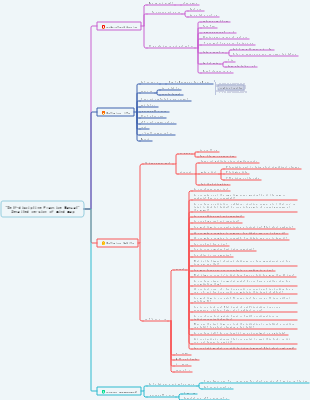
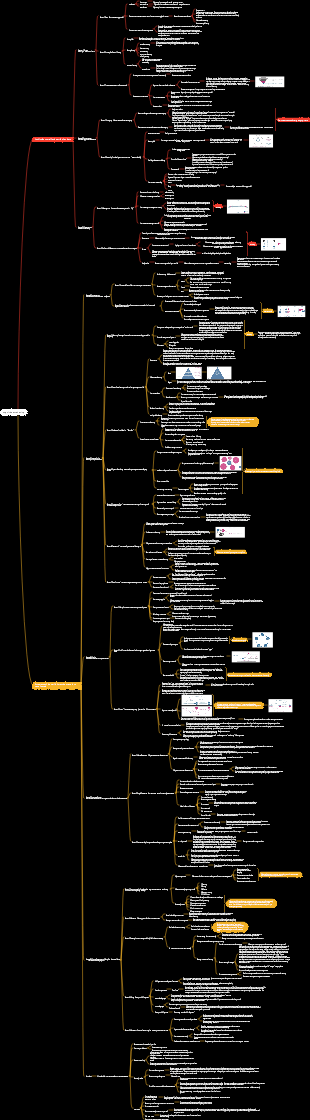
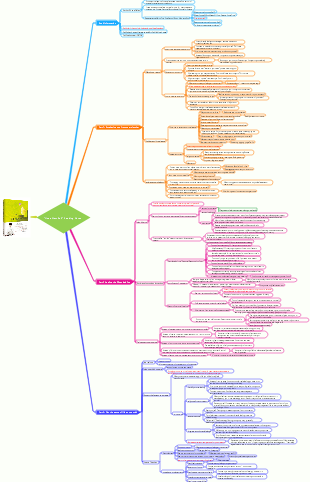
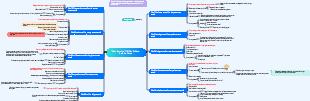
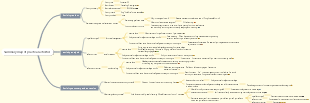
This is a mind map about "Lifelong Growth", which mainly includes: strategies and practices for cultivating growth thinking, factors influencing thinking patterns, differences in the performance of thinking patterns in multiple scenarios, and analysis of core thinking patterns.
Edited at 2025-01-24 21:31:46Rumi: 10 dimensions of spiritual awakening. When you stop looking for yourself, you will find the entire universe because what you are looking for is also looking for you. Anything you do persevere every day can open a door to the depths of your spirit. In silence, I slipped into the secret realm, and I enjoyed everything to observe the magic around me, and didn't make any noise. Why do you like to crawl when you are born with wings? The soul has its own ears and can hear things that the mind cannot understand. Seek inward for the answer to everything, everything in the universe is in you. Lovers do not end up meeting somewhere, and there is no parting in this world. A wound is where light enters your heart.
Chronic heart failure is not just a problem of the speed of heart rate! It is caused by the decrease in myocardial contraction and diastolic function, which leads to insufficient cardiac output, which in turn causes congestion in the pulmonary circulation and congestion in the systemic circulation. From causes, inducement to compensation mechanisms, the pathophysiological processes of heart failure are complex and diverse. By controlling edema, reducing the heart's front and afterload, improving cardiac comfort function, and preventing and treating basic causes, we can effectively respond to this challenge. Only by understanding the mechanisms and clinical manifestations of heart failure and mastering prevention and treatment strategies can we better protect heart health.
Ischemia-reperfusion injury is a phenomenon that cellular function and metabolic disorders and structural damage will worsen after organs or tissues restore blood supply. Its main mechanisms include increased free radical generation, calcium overload, and the role of microvascular and leukocytes. The heart and brain are common damaged organs, manifested as changes in myocardial metabolism and ultrastructural changes, decreased cardiac function, etc. Prevention and control measures include removing free radicals, reducing calcium overload, improving metabolism and controlling reperfusion conditions, such as low sodium, low temperature, low pressure, etc. Understanding these mechanisms can help develop effective treatment options and alleviate ischemic injury.
Rumi: 10 dimensions of spiritual awakening. When you stop looking for yourself, you will find the entire universe because what you are looking for is also looking for you. Anything you do persevere every day can open a door to the depths of your spirit. In silence, I slipped into the secret realm, and I enjoyed everything to observe the magic around me, and didn't make any noise. Why do you like to crawl when you are born with wings? The soul has its own ears and can hear things that the mind cannot understand. Seek inward for the answer to everything, everything in the universe is in you. Lovers do not end up meeting somewhere, and there is no parting in this world. A wound is where light enters your heart.
Chronic heart failure is not just a problem of the speed of heart rate! It is caused by the decrease in myocardial contraction and diastolic function, which leads to insufficient cardiac output, which in turn causes congestion in the pulmonary circulation and congestion in the systemic circulation. From causes, inducement to compensation mechanisms, the pathophysiological processes of heart failure are complex and diverse. By controlling edema, reducing the heart's front and afterload, improving cardiac comfort function, and preventing and treating basic causes, we can effectively respond to this challenge. Only by understanding the mechanisms and clinical manifestations of heart failure and mastering prevention and treatment strategies can we better protect heart health.
Ischemia-reperfusion injury is a phenomenon that cellular function and metabolic disorders and structural damage will worsen after organs or tissues restore blood supply. Its main mechanisms include increased free radical generation, calcium overload, and the role of microvascular and leukocytes. The heart and brain are common damaged organs, manifested as changes in myocardial metabolism and ultrastructural changes, decreased cardiac function, etc. Prevention and control measures include removing free radicals, reducing calcium overload, improving metabolism and controlling reperfusion conditions, such as low sodium, low temperature, low pressure, etc. Understanding these mechanisms can help develop effective treatment options and alleviate ischemic injury.
Lifetime Growth
Analysis of core thinking mode
Fixed thinking mode
Definition and essence: Believe that personal abilities are determined by innate factors and cannot be changed for life, and regard abilities as fixed traits, such as thinking that intelligence and talent are innate and unimproved.
Inner psychological motivation: I am desperately eager to prove my own value, confirm my abilities by gaining success and recognition from others. I am afraid that I will be considered to be insufficient in my ability and pay too much attention to others' evaluations.
Behavioral characteristics: When facing challenges, you tend to avoid or choose easy tasks to avoid exposing your ability shortcomings; when facing failure, you are prone to self-negation, attribute failure to your own ability defects, and it is difficult to learn from it.
Growth thinking mode
Definition and essence: Deep understanding ability can be gradually developed and improved through continuous learning, continuous efforts and rich experience, and growth is regarded as a continuous process rather than a fixed state.
Inner psychological motivation: pursue self-growth and progress, regard every challenge as a valuable opportunity to improve your abilities, and enjoy the satisfaction brought by learning new knowledge and mastering new skills.
Behavioral characteristics: actively and proactively meet challenges and be brave enough to try areas that you have never encountered; when facing failure, use failure as a ladder to grow, calmly analyze the reasons, adjust strategies, and try continuously until success.
Differences in thinking patterns in multiple scenarios
Learning scenarios
Learning goal orientation: Fixed thinking aims to prove one's intelligence, pursue high scores and external recognition; growth thinking aims to improve one's ability, focusing on deep understanding and application of knowledge.
Learning strategy selection: Fixed thinking prefers rote memorization, relies on existing experience, and is not good at exploring new methods; growth thinking is good at summarizing and summarizing, and actively try new learning methods, such as mind maps and project-based learning.
Reactions in the face of difficulties: Fixed thinking is prone to give up when encountering difficulties, complaining that the problems are too difficult or lack of abilities; growth thinking regards difficulties as an opportunity for growth, actively consults information and asks others to solve problems.
Workplace scenarios
Career development attitude: Fixed thinking is satisfied with existing positions, afraid of changes, and believes that promotion depends mainly on talent and opportunities; growth thinking actively seeks promotion opportunities and creates opportunities by improving abilities.
Coping with work challenges: Fixed thinking faces high-difficulty tasks and is afraid of being criticized for making mistakes; growth thinking takes the initiative to take responsibility and regards it as an opportunity to improve ability and display value.
Team collaboration performance: Fixed thinking strives for success in the team, is unwilling to share experience, and is resistant to other people's suggestions; growth thinking actively cooperates, shares experience, and attaches importance to the opinions of team members.
Interpersonal relationship scenes
Friendship establishment and maintenance: Fixed thinking and making friends value the other party’s recognition of themselves, and criticism of friends is difficult to accept; growth thinking appreciates friends’ strengths, reflect on oneself from friends’ criticism, and promote the development of friendship.
Intimate relationship processing: Fixed thinking expects a perfect partner in love, and it is easy to blame the other party when there is a problem; growth thinking understands that the partner is imperfect, solves problems together, and promotes relationship growth.
Coping with social conflicts: Fixed thinking is stubborn in social conflicts and intensifies conflicts; growth thinking actively communicates, listens to other people's opinions, and seeks reconciliation.
Factors influencing thinking patterns
Family education method
Parent evaluation model: Fixed thinking families often praise their children's talents, such as "You are so smart", and overemphasize the results; growth thinking families focus on the process of hard work, such as "You have worked hard this time and made great progress."
Frustration education method: Fixed thinking families overprotect or blame their children when they are frustrated; growth thinking families guide their children to analyze frustration and encourage them to try again.
Family expectations setting: Fixed thinking families have too high and single expectations, such as having to be admitted to prestigious schools; growth thinking families have reasonable and diverse expectations, and respect their children's interests and choices.
School education environment
Teacher teaching philosophy: fixed-minded teachers label students according to their grades and treat them differently; growth-minded teachers pay attention to the development of each student and teach students according to their aptitude.
Classroom atmosphere creation: Fixed thinking classroom emphasizes competition, and students are afraid of making mistakes; growth thinking classroom encourages cooperation and exploration, and tolerate mistakes.
Course setting and evaluation: Fixed thinking courses focus on knowledge memory and single evaluation; growth thinking courses focus on practice and innovation and diverse evaluations.
Social and cultural background
Cultural Value Direction: A culture that emphasizes talent and success first can easily give birth to fixed thinking; a culture that encourages hard work and growth is conducive to cultivating growth thinking.
Influence of social public opinion: The media focuses on talent in reporting successful people, which is easy to guide fixed thinking; promoting stories of hard work can inspire growth thinking.
Social circle atmosphere: People around you pursue stability and are afraid of change, which is easy to form fixed thinking; social circles encourage challenges and share growth, which is conducive to cultivating growth-oriented thinking.
Strategies and practices for cultivating growth thinking
Cognitive awakening and acceptance
Thinking pattern awareness: Through daily reflection and recording behavioral reactions, identify the manifestations of your own fixed thinking and growth thinking, such as the first reaction when facing a new work task.
Accepting the current state of thinking: Recognize that everyone has two thinking patterns, not criticizing their own fixed thinking, and understanding it is part of the growth process.
Continuous learning and growth
Set growth goals: Develop specific, measurable, achievable, related, time-limited (SMART) goals, such as mastering the basic grammar of a new language within half a year.
Learning resource utilization: Use online courses, books, lectures and other resources to learn new knowledge and skills, such as learning programming courses on the MOOC platform.
Establish a learning community: Join study groups, book clubs, etc., exchange learning experiences with others, encourage and supervise each other, such as participating in the English corner to improve your oral skills.
Positive mentality shaping
Positive self-dialogue: Encourage yourself with positive language, such as "I can learn from this failure and do better next time", instead of negative self-negation.
Gratitude and optimism: Record three things you are grateful every day to cultivate a gratitude mentality; when facing difficulties, look at them from a positive perspective and find solutions.
Stress and frustration management: Learn stress relief methods such as meditation and exercise, stay calm during frustration, analyze the causes, and formulate improvement plans.