MindMap Gallery Farewell to Dangerous Relationships Traps and Awakening in Intimate Relationships
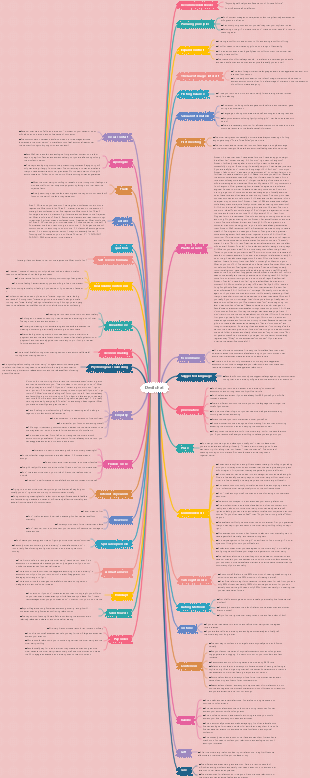
This is a mind map about "Far from Dangerous Relationships: Traps and Awakening in Intimate Relationships", which mainly includes: setting up personal boundaries and "no agreement" lists, breaking through social and cultural constraints, self-reconstruction and nourishing relationship construction , strategies to effectively deal with dangerous relationships, methods to accurately identify dangers, in-depth case analysis, type analysis of dangerous men, introduction: the haze of dangerous relationships.
Edited at 2025-01-15 16:17:48Rumi: 10 dimensions of spiritual awakening. When you stop looking for yourself, you will find the entire universe because what you are looking for is also looking for you. Anything you do persevere every day can open a door to the depths of your spirit. In silence, I slipped into the secret realm, and I enjoyed everything to observe the magic around me, and didn't make any noise. Why do you like to crawl when you are born with wings? The soul has its own ears and can hear things that the mind cannot understand. Seek inward for the answer to everything, everything in the universe is in you. Lovers do not end up meeting somewhere, and there is no parting in this world. A wound is where light enters your heart.
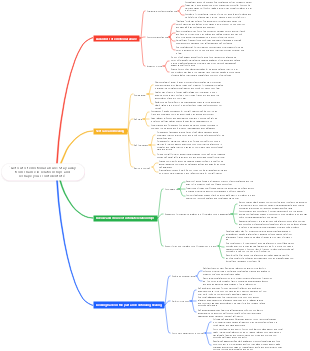
Chronic heart failure is not just a problem of the speed of heart rate! It is caused by the decrease in myocardial contraction and diastolic function, which leads to insufficient cardiac output, which in turn causes congestion in the pulmonary circulation and congestion in the systemic circulation. From causes, inducement to compensation mechanisms, the pathophysiological processes of heart failure are complex and diverse. By controlling edema, reducing the heart's front and afterload, improving cardiac comfort function, and preventing and treating basic causes, we can effectively respond to this challenge. Only by understanding the mechanisms and clinical manifestations of heart failure and mastering prevention and treatment strategies can we better protect heart health.
Ischemia-reperfusion injury is a phenomenon that cellular function and metabolic disorders and structural damage will worsen after organs or tissues restore blood supply. Its main mechanisms include increased free radical generation, calcium overload, and the role of microvascular and leukocytes. The heart and brain are common damaged organs, manifested as changes in myocardial metabolism and ultrastructural changes, decreased cardiac function, etc. Prevention and control measures include removing free radicals, reducing calcium overload, improving metabolism and controlling reperfusion conditions, such as low sodium, low temperature, low pressure, etc. Understanding these mechanisms can help develop effective treatment options and alleviate ischemic injury.
Rumi: 10 dimensions of spiritual awakening. When you stop looking for yourself, you will find the entire universe because what you are looking for is also looking for you. Anything you do persevere every day can open a door to the depths of your spirit. In silence, I slipped into the secret realm, and I enjoyed everything to observe the magic around me, and didn't make any noise. Why do you like to crawl when you are born with wings? The soul has its own ears and can hear things that the mind cannot understand. Seek inward for the answer to everything, everything in the universe is in you. Lovers do not end up meeting somewhere, and there is no parting in this world. A wound is where light enters your heart.
Chronic heart failure is not just a problem of the speed of heart rate! It is caused by the decrease in myocardial contraction and diastolic function, which leads to insufficient cardiac output, which in turn causes congestion in the pulmonary circulation and congestion in the systemic circulation. From causes, inducement to compensation mechanisms, the pathophysiological processes of heart failure are complex and diverse. By controlling edema, reducing the heart's front and afterload, improving cardiac comfort function, and preventing and treating basic causes, we can effectively respond to this challenge. Only by understanding the mechanisms and clinical manifestations of heart failure and mastering prevention and treatment strategies can we better protect heart health.
Ischemia-reperfusion injury is a phenomenon that cellular function and metabolic disorders and structural damage will worsen after organs or tissues restore blood supply. Its main mechanisms include increased free radical generation, calcium overload, and the role of microvascular and leukocytes. The heart and brain are common damaged organs, manifested as changes in myocardial metabolism and ultrastructural changes, decreased cardiac function, etc. Prevention and control measures include removing free radicals, reducing calcium overload, improving metabolism and controlling reperfusion conditions, such as low sodium, low temperature, low pressure, etc. Understanding these mechanisms can help develop effective treatment options and alleviate ischemic injury.
"Farewell to Dangerous Relationships: Traps and Awakening in Intimate Relationships"
Introduction: The haze of dangerous relationships
Emphasize the theme
Personal happiness association: points out the serious damage to personal physical and mental health, emotional stability and quality of life by dangerous intimate relationships. For example, people who are in violent relationships for a long time may experience psychological problems such as depression and anxiety.
Impact at the social level: Explain the chain reaction of bad intimacy at the social level, such as the negative impact of family breakdown on children's growth, and thus affect the harmony and stability of society.
Clarify the goals of this book
Help readers identify dangers: aiming to allow readers to clearly distinguish various characteristics and signals of dangerous relationships, from subtle behavioral manifestations to deep emotional patterns.
Guide out of difficulties and grow: Help readers get rid of the shackles of dangerous relationships, achieve self-reconstruction and growth, and move towards healthy intimate relationships.
Analysis of the types of dangerous men
Permanent clingy
Core characteristics: This type of men always present themselves as victims, their emotional needs are like bottomless pits, they are extremely jealous, and they often use threats to manipulate their partners. For example, when a partner is unable to accompany him due to busy work, he will force him to go on a hunger strike or self-harm.
The reason for the formation: It may be due to the lack of sufficient care and security in childhood, which leads to excessive dependence on others in adulthood to fill the inner gap.
Seeking nurturing
Core characteristics: mental development is lagging behind, like a child who never grows up, has poor self-care ability, regards his partner as an omnipotent caregiver, and over-worships his partner. For example, in life, even basic clothing sorting and cooking cannot be done independently.
Reason for formation: excessive protection during growth, lack of opportunities to exercise independently in life, and thus it is difficult to form a mature personality and sense of responsibility.
Absentminded
Core characteristics: put personal interests, hobbies, work, career, etc. above intimate relationships, perfunctory about partner's emotional needs, lack long-term planning for relationships, and often treat others as emotional backups. For example, when a partner talks about important things, he only cares about playing mobile phones and playing games.
Reason for formation: It may be too self-centered, too focused on personal achievements and satisfaction, and neglected the feelings of the people around you and the maintenance of relationships.
Hidden secret type
Core characteristics: There are ulterior motives in your heart, whether it is family background, work experience or health problems, and you are indifferent and distant in your relationship and are always worried about the secret being exposed. For example, you will never mention your own family conflicts, past failed emotional experiences, etc.
Causes of formation: You may have suffered huge harm or shame from certain things, which has a strong sense of self-protection and choose to build a wall with secrets.
Mental illness type
Core characteristics: They may be receiving medication for mental illness, extreme thinking patterns, stereotyped behaviors, and habitual control of their partners in emotional kidnapping, causing serious interference to their partners' lives. For example, paranoid believe that your partner is unfaithful to you and constantly interrogates and tracks it.
Causes of formation: physiological neurotransmitter imbalances, genetic factors, and major traumatic events during growth may cause mental illness.
Addictive
Core characteristics: Being deeply trapped in bad habits and being unable to extricate yourself, such as alcoholism, drug use, gambling, etc., but always trying to make your partner believe that you can quit easily, which puts a heavy burden on your partner and family. For example, the huge debts owed by gambling have put families in financial difficulties.
Causes of formation: It may be to escape the pressure of reality, seek stimulation, or gradually become addicted to the adverse environment around it.
Brutal or violent
Core characteristics: In the early stages of a relationship, they often pretend to be considerate and generous. Over time, the tendency of violence gradually emerges, including physical violence, verbal insults, emotional abuse, and economic control. For example, if you have any dissatisfaction, you will punch and kick your partner and use vicious words to belittle your partner.
Causes of formation: may be affected by violence from the original family, their own personality defects, and the erosion of bad social culture.
Emotional predation type
Core characteristics: good at disguise, able to keenly capture women's emotional needs and psychological weaknesses, and use disguise to deceive trust, and ultimately achieve the purpose of greed for money, emotional manipulation and even endangering life. For example, fabricate false tragic stories to obtain women's sympathy and financial assistance.
Reason for formation: This type of people have weak moral concepts and regards others as tools to satisfy their own selfish desires, and enjoys harming others.
In-depth analysis of cases
Detailed case presentation
Permanent clingy case: Telling the experience of a woman with a permanent clingy boyfriend. The boyfriend asks his girlfriend to report his whereabouts at any time every day. Once his girlfriend gets together with his friends and fails to reply to the message in time, he gets furious and even makes a big fuss at his girlfriend's party location, causing his girlfriend to Gradually, I became distant from my friends and my life circle became smaller and smaller.
Seeking a child-care case: presenting a family where the wife takes care of her husband like a nanny. The husband not only relies entirely on his wife in life, but also only cry to his wife when facing work setbacks. He never tries to solve problems by himself, so that his wife can be both physically and mentally tired.
Absentminded case: Describes a woman dating an absentminded boyfriend. Her boyfriend frequently answers work calls when they are dating, and has no interest in her girlfriend's carefully prepared dates. She never pays attention to holidays, making her girlfriend feel that she is in her boyfriend's heart. status.
Hidden secret case: An introduction to a woman who discovered that her husband had been jailed for crimes after marriage. Her husband has been hiding this matter and always hides his past in life, which makes his wife feel uneasy about this marriage. and fear.
There is a mental illness case: It tells the story of a woman getting along with her boyfriend who is suffering from paranoid mental illness. Her boyfriend suspected that she had cheated without reason, followed and monitored her, restricted her social activities, and brought her great psychological pressure.
Addiction case: A family is addicted to alcoholism due to a husband, and often commits violence against their wives and children after drinking. The family property is gradually exhausted due to the husband's alcoholism problem, and the child's growth is also seriously affected.
Criminal or violent case: Describe in detail the process of a woman suffering from her husband's violence, from the initial occasional quarrel to the later punches and kicks, the husband further controls her by controlling her source of income and restricting travel.
Emotional predation case: Tells the experience of a woman being deceived by an emotional predation man. The man pretended to be a successful person, borrowed money from women for various reasons, and eventually disappeared, causing huge economic losses to women. and emotional trauma.
In-depth analysis of the reasons for success
Psychological weakness utilization: Analyze how dangerous men grasp the inner kindness of women, such as compassion, desire to be loved, etc., such as emotional predation men use women's sympathy to create tragic stories to gain trust.
Social and cultural influence: Exploring the inherent perception of male and female roles in social culture, as well as the romantic portrayal of love and marriage, how women are more likely to fall into dangerous relationships. For example, society emphasizes women's tolerance and sacrifice, which makes some women choose to be tolerant when facing dangerous relationships.
Influence of personal growth experience: Explain how experiences during personal growth, such as discord between the original family and trauma of past relationships, affect women's judgment when choosing a partner, making them more likely to be attracted to dangerous men.
Methods to accurately identify hazards
Key points for observing behavior details
Signals of abnormal daily behavior: Pay attention to whether the other party has excessive control, such as restricting the partner from interacting with others, checking mobile phone information, etc.; whether there are emotional instability, such as instant rage, unreasonable crying, etc.
Potential dangers of verbal expression: pay attention to whether the other person often belittles others and is full of complaints in his or her language; whether he or she often makes promises but never fulfills them.
Analysis of emotional reaction mode: Observe the other party’s emotional reaction when facing stress and setbacks, whether to respond actively, avoid or take off your anger.
Character matching considerations
Self-personal personality analysis: guide readers to understand their personality traits. For example, people with weak personalities may be more susceptible to control men; people who are too independent may find it difficult to get along with overly dependent men.
The other party’s personality evaluation: Analyze the other party’s personality defects, such as selfishness, paranoidness, inferiority complexity and other personality traits, which may cause problems in the relationship.
Key points of reflection on the spouse selection model
Review of past partner preferences: Looking back on your past preferences when choosing a partner, whether you are always attracted by the same type of people, such as those with outstanding appearance but flawed personality.
The unreasonable standards for choosing a spouse: Check whether your spouse selection standards pay too much attention to external conditions, such as money and status, and ignore internal qualities, such as kindness and responsibility.
Strategies to effectively deal with dangerous relationships
Sharply start the early warning mechanism
Intuition trust and importance: Emphasize that women should trust their intuitions and do not easily ignore these signals when they feel uneasy and uncomfortable inside.
Summary and sorting of red flags: sort out common red flags, such as sudden changes in the other party’s behavior, frequent lies, etc., to help readers identify them in a timely manner.
Learn to stop losses in a timely manner
Get rid of emotional bonds: analyze how factors such as emotional dependence and sunk costs are preventing people from leaving in dangerous relationships, and teach readers how to overcome these psychological barriers.
Develop a departure plan: Guide readers to develop detailed plans to leave dangerous relationships, including finding safe accommodation, seeking legal aid, etc.
Actively seek help and support
Family and Friends Support Network: Readers are encouraged to talk to their family and friends, and use their power to get emotional support and practical help.
Channels for professional help: introduce professionals who can seek help, such as psychological counselors help repair psychological trauma, and lawyers provide legal protection.
Self-reconstruction and trophic relationship construction
Deeply rebuild the inner self
Methods for healing psychological trauma: introduces the treatment of psychological trauma suffered in dangerous relationships through psychological counseling, writing diaries, and participating in support groups.
Reshaping self-worth: guide readers to re-understand their own value, and enhance their sense of self-worth by cultivating interests, setting and achieving personal goals.
Clearly define your own needs
Emotional needs sorting out: Help readers sort out the emotions they really need in intimate relationships, such as respect, understanding, companionship, etc.
Definition of life needs: clarify the support you expect from your partner in life, such as sharing housework, economic planning, etc.
Try to find nourishing love
Cognition of traits of healthy partners: Explain the traits that healthy partners should possess, such as kindness, responsibility, and emotional stability.
Building healthy relationship skills: Share skills for building healthy intimate relationships, such as effective communication, mutual respect, and maintaining independence and interdependence.
Break through social and cultural constraints
Cognitive social and cultural discipline
Analysis of traditional gender roles: Analyzing the stereotyped definitions of male and female roles in traditional society, such as how men should dominate and women should obey, affecting people's behavior and choices in intimate relationships.
Discussion on misunderstandings of marriage: Exploring some misconceptions about marriage in society, such as "marriage is the destination of women" and "I would rather demolish ten temples than destroy a marriage", which will bind women when facing dangerous marriages.
Action strategies to get rid of the shackles
Concept update and reshaping: Encourage readers to update their own concepts and establish an equal and healthy outlook on love and marriage.
Social support and advocacy: Advocate the establishment of a social environment that supports women to get rid of dangerous relationships, such as improving relevant laws and regulations, strengthening social education, etc.
Setting up personal boundaries and “no agreement” list
Customize personal “no appointment” list
Experience-based summary: guide readers to list in detail the behaviors and traits that do not want to appear in their future partners based on their own experiences and their understanding of dangerous men.
Continuous update and improvement: reminds readers to continuously update and improve the "no appointment" list as their life experience increases and their self-awareness improves.
Ways to establish health boundaries
Communication clarifies boundaries: Teach readers how to communicate honestly with their partners and clarify their own boundaries, such as personal space, privacy and other requirements.
Adhere to the principle of boundaries: emphasize that you must stick to the boundaries you set in your relationship, and take decisive measures when the other party tries to break through.