MindMap Gallery Causes of fever to be checked
This is a mind map to be investigated for the causes of fever, and its main contents include: fever with rash, tuberculous meningitis, fever with consciousness disorders, urinary tract infection, diagnosis and treatment process, classification, and definition.
Edited at 2025-01-04 13:47:43Rumi: 10 dimensions of spiritual awakening. When you stop looking for yourself, you will find the entire universe because what you are looking for is also looking for you. Anything you do persevere every day can open a door to the depths of your spirit. In silence, I slipped into the secret realm, and I enjoyed everything to observe the magic around me, and didn't make any noise. Why do you like to crawl when you are born with wings? The soul has its own ears and can hear things that the mind cannot understand. Seek inward for the answer to everything, everything in the universe is in you. Lovers do not end up meeting somewhere, and there is no parting in this world. A wound is where light enters your heart.
Chronic heart failure is not just a problem of the speed of heart rate! It is caused by the decrease in myocardial contraction and diastolic function, which leads to insufficient cardiac output, which in turn causes congestion in the pulmonary circulation and congestion in the systemic circulation. From causes, inducement to compensation mechanisms, the pathophysiological processes of heart failure are complex and diverse. By controlling edema, reducing the heart's front and afterload, improving cardiac comfort function, and preventing and treating basic causes, we can effectively respond to this challenge. Only by understanding the mechanisms and clinical manifestations of heart failure and mastering prevention and treatment strategies can we better protect heart health.
Ischemia-reperfusion injury is a phenomenon that cellular function and metabolic disorders and structural damage will worsen after organs or tissues restore blood supply. Its main mechanisms include increased free radical generation, calcium overload, and the role of microvascular and leukocytes. The heart and brain are common damaged organs, manifested as changes in myocardial metabolism and ultrastructural changes, decreased cardiac function, etc. Prevention and control measures include removing free radicals, reducing calcium overload, improving metabolism and controlling reperfusion conditions, such as low sodium, low temperature, low pressure, etc. Understanding these mechanisms can help develop effective treatment options and alleviate ischemic injury.
Rumi: 10 dimensions of spiritual awakening. When you stop looking for yourself, you will find the entire universe because what you are looking for is also looking for you. Anything you do persevere every day can open a door to the depths of your spirit. In silence, I slipped into the secret realm, and I enjoyed everything to observe the magic around me, and didn't make any noise. Why do you like to crawl when you are born with wings? The soul has its own ears and can hear things that the mind cannot understand. Seek inward for the answer to everything, everything in the universe is in you. Lovers do not end up meeting somewhere, and there is no parting in this world. A wound is where light enters your heart.
Chronic heart failure is not just a problem of the speed of heart rate! It is caused by the decrease in myocardial contraction and diastolic function, which leads to insufficient cardiac output, which in turn causes congestion in the pulmonary circulation and congestion in the systemic circulation. From causes, inducement to compensation mechanisms, the pathophysiological processes of heart failure are complex and diverse. By controlling edema, reducing the heart's front and afterload, improving cardiac comfort function, and preventing and treating basic causes, we can effectively respond to this challenge. Only by understanding the mechanisms and clinical manifestations of heart failure and mastering prevention and treatment strategies can we better protect heart health.
Ischemia-reperfusion injury is a phenomenon that cellular function and metabolic disorders and structural damage will worsen after organs or tissues restore blood supply. Its main mechanisms include increased free radical generation, calcium overload, and the role of microvascular and leukocytes. The heart and brain are common damaged organs, manifested as changes in myocardial metabolism and ultrastructural changes, decreased cardiac function, etc. Prevention and control measures include removing free radicals, reducing calcium overload, improving metabolism and controlling reperfusion conditions, such as low sodium, low temperature, low pressure, etc. Understanding these mechanisms can help develop effective treatment options and alleviate ischemic injury.
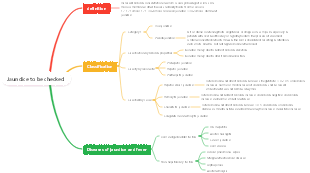
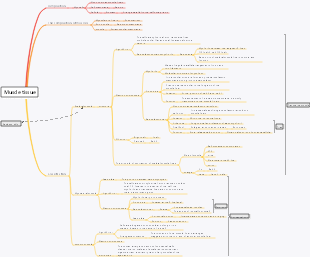
Causes of fever to be checked
definition
Those who have continuous or intermittent fever of ≥38.3℃, have a temperature of ≥38.3℃, have not been confirmed after outpatient visits >2 times or have been hospitalized for 1 week.
Classification
Infectious fever, neoplastic diseases, autoimmune diseases, other diseases or causes are not clear
Hospital infectious fever and immunodeficiency FUO, HIV-infected FUO
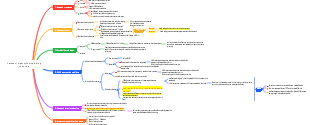
Diagnosis and treatment
Medical history
The urgency, cause, heat characteristics, duration, and system accompanying symptoms of fever
Host
Past host factors and underlying diseases
Epidemiological history
Do you have any unclean diet, insect bites, sick animals, contact history, and lifestyle customs of infectious patients
Physical examination
Try to listen and nervous system examination, some signs such as jaundice, rash, enlarged lymph nodes, hepatosplenomegaly, heart murmur
Symptoms of Toxicemia
A series of symptoms caused by the toxins, metabolites and endotoxins released by bacterial fissions caused by the continuous entry of the blood circulation by fever, headache, muscle aches, loss of appetite, fatigue and weakness. , in severe cases, can lead to toxic shock
Laboratory inspection
Three rules
Infectious Diseases
Leukocytes, neutrophils, PCT, erophthalmia, CRP, SAA, IL-6, fungal G experiment, GM experiment, EB virus antibody, EB virus DNA, CMV, respiratory virus series, Mycoplasma, Chlamydia antibody, Hydra's reaction, Exofire reaction, Brucella, Lyme disease antibody detection, lymphocyte culture interferon determination, abnormal lymphocytes, hepatitis antibodies, HIV, ink staining (Cryptococcal), toxoplasma gondii antibody, Pneumospora Carnivore infection ( PCP), blood culture (subacute infectious endocarditis), sputum culture drug sensitivity, urine culture, body fluid culture, Legionella antibodies,
ANA qualitative, ANA spectrum, ANCA, ferritin, the most common are SLE/ANCA-related vasculitis/macroar arteritis/adult still disease/PMR/rheumatoid fever/temporal arteritis/hemothyroid syndrome (bone marrow apnea, blood lipids and fibrinogen)
Tumor Diseases
Tumor markers: CEA>20ug/L gastrointestinal tumor, AFP>500ug/L primary liver cancer, PSA>20ug/L prostate cancer/the most common lymphoma
Autoimmune diseases
Other diseases
thyroid function is used to see if methylene, hyperthyroidism, and urinary catecholamines are used to see if pheochromocytoma
Other checks
Imaging examination
X-ray, CT, MRI, PET-CT, cardiac ultrasound eliminate infectious endocarditis, ultrasound and other examinations in other areas, angiography for large arteritis
other
Fiber endoscopy, body fluid test, bone marrow apnea, biopsy, laparotomy, diagnostic treatment
Urinary tract infection
Acute infection, chronic infection
Upper urinary tract infection
Ureteritis, pyelonephritis, intra- and perirenal cysts
Lower urinary tract infection
Urethritis and cystitis
Simple and complex infections
The most common bacteria: Escherichia coli
Fever with consciousness disorder
Severe acute infection
Sepsis, pneumonia, craniocerebral infection
Intracranial non-infectious disease
Cerebrovascular disease, intracranial placeholding, craniocerebral injury
Metabolic disorders
Uremia, hepatic encephalopathy, pulmonary encephalopathy, diabetic coma, hypoglycemia
Poisoning
Sleeping pills, pesticides, CO, alcohol and drugs
Hypoxia and carbon dioxide accumulation
Hypoxemia and hypercapnia
Water electrolyte balance disorder
Dilution hyponatremia, hypochlorous alkalosis, hyperchloric acidosis
Physical damage
High temperature poisoning, heat stroke
Tuberculous meningitis
Conforms to the diagnosis of chronic meningitis: such as headache, fever, meningeal irritation, cerebrospinal fluid has non-suppurative inflammation, and the course of the disease does not heal for more than 4 weeks
Cryptococcal ink staining and/or Cryptococcal antigen latex agglutination experiments were negative, except for Cryptococcal meningitis and other causes
Combined with active pulmonary tuberculosis or extrapulmonary tuberculosis
Effective anti-tuberculosis treatment
Mycobacterium tuberculosis culture in cerebrospinal fluid or acid-fast bacillus positive for smear
New method to diagnose tuberculosis infection by detecting the secretion of interferon gamma after specific antigen stimulation of Mycobacterium tuberculosis does not cross-react with BCG and the vast majority of non-Myanobacterium tuberculosis, and is not greatly affected by the body's immune status, but its disadvantages It is impossible to accurately distinguish active tuberculosis from latent tuberculosis infection
Fever with rash
Infectious fever with rash
chicken pox
It is caused by the initial infection of the chickenpox-zoster virus, which is common in children. It appears within 24 hours. It initially has red rashes, and it turns into papules after a few hours. Herpes appears after a few hours. Cruses begin to form later and then fall off later.
rubella
Congestive maculopapular rash caused by rubella virus, which is more common in the face and trunk, with low fever, general discomfort, accompanied by sore throat, mild cough and runny nose, disappear in 2-3 days, without pigmentation left, the total number of white blood cells is low, and lymphocytes are Lower first and then rise
measles
Measles virus infection, high fever, tears, runny nose, cough, Koh spots appear in the mouth for 2-3 days, rashes appear in the ears, proliferation, facial, and then to the neck, upper limbs, trunk and lower limbs. When visiting Body temperature can reach 41℃, enlarged lymph nodes in the neck, enlarged liver and spleen, accompanied by bronchopneumonia, otitis media and encephalitis
Infectious mononucleosis
EB virus infection, rash, enlarged liver and spleen lymph nodes, abnormal lymphocytes can be seen in peripheral blood
Viral hemorrhagic fever
Hemorrhagic fever in renal syndrome
Fever, bleeding, rash, shock, oligouria and renal failure, three red (face, neck, chest skin flushing) three pains (headache, low back pain and orbital pain), congestion of the eye conjunctiva, drunkenness, bleeding spots visible to the skin mucous membranes and Ecchymnia
Dengue hemorrhagic fever
Limbs, face, armpits and soft palate are scattered in stasis and ecchymnia, which may cause rashes
Scarlet Hot
Hemolytic streptococci caused by high fever, sore throat, redness and swelling of tonsils, and rashes appear on the neck, trunk, and limbs after 1 day
Typhoid fever, paratyphoid fever
Feida's reaction (false positive), relatively slow pulse, rose rash
HIV
Brucellosis
Long-term low fever, fatigue, headache, joint pain, sweating and other symptoms of similar neurosis
Cytomegalovirus infection
Persistent low fever, chronic liver disease
Scrub typhus
Typhimosis, hyperthermia, toxemia, rash, enlarged liver and spleen lymph nodes, and positive Wafi's reaction
Infectious endocarditis
Sepsis and elixir
Allergic skin disease
Drug-induced skin rash
Urticaria-like, erythema multiforme, exfoliating dermatitis, bullous epidermal dissection, generalized pustules, with a clear history of medication and an incubation period. The disease occurs 7-10 days after the first medication, and several hours after the medication again Or if the disease occurs 1-2 days later, except for the fixed drug rash, it is mostly distributed in systemic symmetry, bright red color, severe itching, total white blood cells and eosinophilia
Acute urticaria
Red wind balls appear on large areas of the skin all over the body, severe itching, and acute infection may be accompanied by high fever, white blood cells and neutrophil elevation
Severe erythema multiforme
Sudden onset, high fever, headache, fatigue, and edema erythema, blisters, bullae, blood blisters, ecchymosis, and large areas of erosion and necrosis of the mouth, nasopharyngeal, urethra, anus, respiratory mucosa, etc.
Drug hypersensitivity syndrome
Blood system diseases with fever and rash
Lymphoma
Hemothyroid syndrome
Fever, splenomegaly, whole hemopenia, hypertriglycerides, hypofibrinogen, hyperferritinemia, and bloodthirst in the bone marrow spleen or lymph nodes
Autoimmune diseases, skin diseases with fever, rash
SLE
Dermatomyositis
Vascular inflammatory disease
Pustular psoriasis
Erythrocyte psoriasis
Red Deciduous Disease