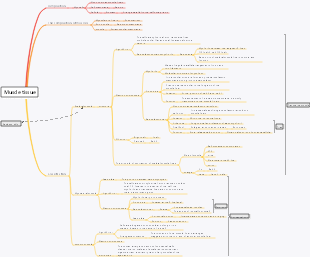
MindMap Gallery Embryonics Chapter 5 Cartilage and Bone
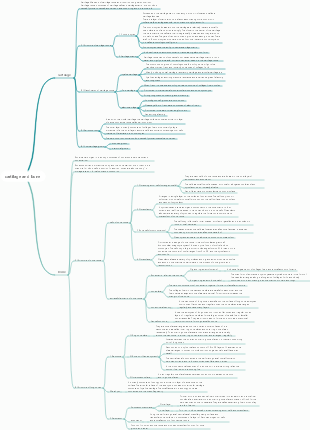
Chapter 5 of the ninth edition of the textbook "Tethics and Embryoology" summarizes and reviews, including the structure, composition, function and related biological knowledge of cartilage and bone. The summary is comprehensive and meticulous, suitable as review materials.
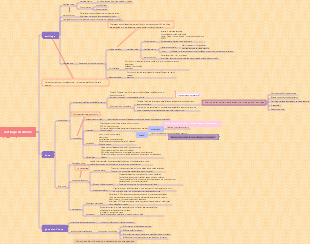
Edited at 2025-03-11 10:55:17This is a mind map about bacteria, and its main contents include: overview, morphology, types, structure, reproduction, distribution, application, and expansion. The summary is comprehensive and meticulous, suitable as review materials.

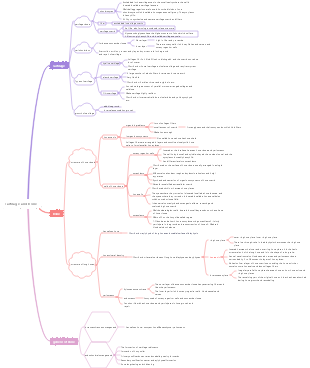
This is a mind map about plant asexual reproduction, and its main contents include: concept, spore reproduction, vegetative reproduction, tissue culture, and buds. The summary is comprehensive and meticulous, suitable as review materials.
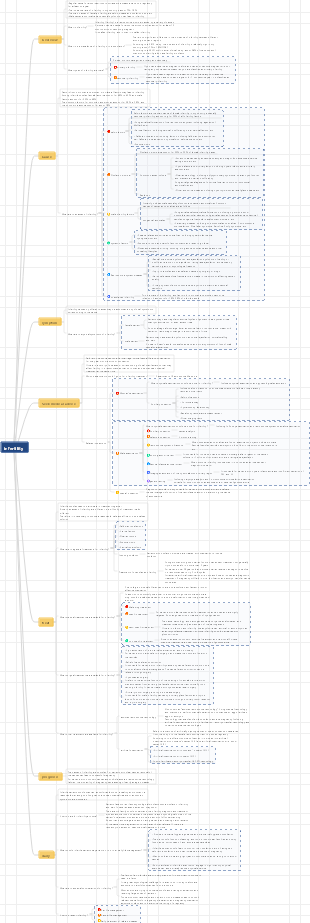
This is a mind map about the reproductive development of animals, and its main contents include: insects, frogs, birds, sexual reproduction, and asexual reproduction. The summary is comprehensive and meticulous, suitable as review materials.
This is a mind map about bacteria, and its main contents include: overview, morphology, types, structure, reproduction, distribution, application, and expansion. The summary is comprehensive and meticulous, suitable as review materials.
This is a mind map about plant asexual reproduction, and its main contents include: concept, spore reproduction, vegetative reproduction, tissue culture, and buds. The summary is comprehensive and meticulous, suitable as review materials.
This is a mind map about the reproductive development of animals, and its main contents include: insects, frogs, birds, sexual reproduction, and asexual reproduction. The summary is comprehensive and meticulous, suitable as review materials.
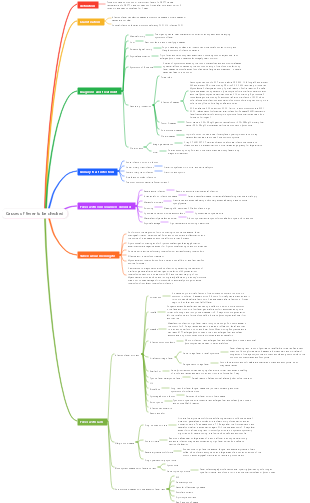
Cartilage and bone
Cartilage
constitute
Cartilage tissue
Chondrocytes
Light Mirror
There are certain rules for size, shape and distribution
Subchondral chondrocytes, small, flat spindle, single
Central - Gradually mature, large, round or oval, 2-8 aggregates (homologous) - homologous cell population
Small and round nucleus, 1-2 nucleolus, weak basophilic cytoplasm
Electron microscope
Coarse Endo-quality Net
Gorgi complex
Mitochondria
few
Function
Form fibers and matrix
Cartilage matrix
Extracellular matrix
Substrate
Gel-like (semi-solid)
Protein polysaccharides and water
Molecular sieve
Cavity-cartilage
Chondroitin sulfate
Strong basophilic
Purple blue
Cartilage capsule
No blood vessels, strong permeability
fiber
Different cartilage content and types are different
Periosteum
Thin layer of dense connective tissue wrapped around the cartilage tissue
Features
Slightly elastic, able to withstand pressure, and resistant to friction
effect
Support, protect
Classification
Different fibers
Fibrous cartilage
distributed
Intervertebral disc
Pubic joint
Articular disc
Structural features
Chondrocytes
Single, paired or arranged in a single row
Distributed between fiber bundles
Cartilage matrix
Substrate
few
fiber
Collagen fiber bundle
A large number
Parallel or cross arrangement
Elastic cartilage
distributed
Auricle
Epidgeting
Structural features
Cartilage matrix
Substrate
Cartilage capsules can also be seen around the cartilage fossa
fiber
Elastic fiber
A large number
Yellow when fresh
Intersecting each other to make it very elastic, purple and blue
Very tough
Clear cartilage
distributed
rib cage
respiratory tract
joint
Structural features
Cartilage matrix
fiber
Collagen fibers
The chemical composition is II collagen
Amorphous matrix
Periosteum
Outer layer
More fiber
Inner layer
More cells
Osteoprogenitor cells
Chondroblasts
Chondrocytes
Blood vessel
Grow
Additional growth
Subperiosteal growth
Interstitial growth
Also known as cartilage endogenous or endogenous growth
Structure (organ) of long bones
backbone
Tight bone
Outer side of the backbone
Classification
Ring bone plate
distributed
The surface & inside of the backbone
structure
External ring bone plate
More than a dozen bone plates are arranged in parallel, and the rules are compared
Inner ring bone plate
It consists of only a few layers of bone plates, irregular arrangement
Pass through pipe
The traverse duct of vascular nerve penetration
Also known as Forkman tube
Interconnected with Havers system central tube
Bone unit
Also known as Havers system
structure
Central management
Also known as Havers
Bone unit bone plate
Also known as Havers bone plate bone trap
Bone tubules
Interbone plate
Cancellous bone
The inner side of the backbone
Epiphyseal
Cancellous bone
Located in the center of the epiphyseal
periosteum
Extrabone membrane
Located on the surface of the backbone
Tight connective tissue
Classification
Outer layer
More fiber
Inner layer
More cells
Main: Osteoprogenitor cells
Passthrough fiber
Collagen fibers are inserted into the surface of bone tissue to form
Fixed periosteum
Endometrium
distributed
Bone trabecula
Passage pipe, inner surface of central pipe
The inner surface of the bone marrow cavity
Loosen connective tissue
Clinical significance
Periosteal transplant
Articular cartilage
marrow
Blood vessels and nerves
bone
Bone tissue
cell
Osteoprogenitor cells
Located near the bone and outer membrane, stem cells
form
Small cells, spindle-shaped, weak basophilic
Osteoblasts formed when bone tissue grows and reconstructs
Osteoblasts
Located on the surface of bone tissue, more than before adulthood, single-layer arrangement
form
Light Mirror
Large cell body, columnar or elliptical, strong basophilic cytoplasm, round nucleus, mostly located at the free end of the cell
Electron microscope
Rich coarse endoplasmic net
Gorgi complex
Function
Generate collagen fibers and matrix
Osteoclasts
Located on the surface of bone tissue, derived from monocytes, it is formed by multiple fusions
form
Light Mirror
Large size, many cytoplasm, eosinophilic, and many nuclei
Electron microscope
There are lysosomes in the cytoplasm with fold margins (microvilli) on the side of the bone
There are few cell organelles around the fold edges and low electron density, forming bright areas
The bright area forms a carriage-like shape, which facilitates osteoclasts to function in a closed environment
Function
Dissolve and absorb bone
Release of water alkali enzymes and organic acids
Located on the surface of bone tissue
Osteocytes
Single dispersed within or between bone plates
form
Cell body
Small, flat and oval, located in the bone trap (containing tissue fluid)
Protrusion
Elongated, located within the bone tubules (meet each other, link the gap)
Function
A certain osteolysis and osteogenesis effect, participate in regulating calcium and phosphorus balance
Located inside bone tissue
Extracellular matrix
Bone matrix (bone)
Organic ingredients
Collagen fibers
Also known as bone glue fiber
Amorphous matrix
Chemical composition
Glycosamine polysaccharide
protein
Inorganic ingredients
Inorganic salt 65%
Also known as bone salt
Calcium and phosphorus
Electron microscope
Hydroxyapatite crystal
Fine shape
Boneoid
Extracellular matrix of new bone tissue
Bone plate
Cancellous bone
shaped, flake-shaped
Bone trabecula
Tight bone
periosteum
marrow
Articular cartilage