MindMap Gallery Gynecological Cancer Screening
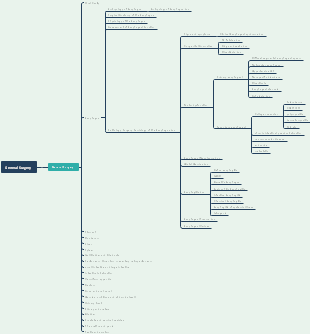
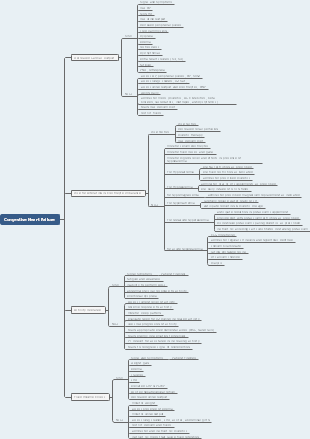
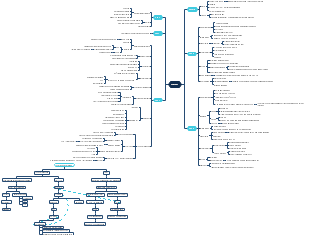
The Gynecological Cancer Screening mind map emphasizes the importance of screening for gynecological cancers, particularly focusing on common types such as Cervical Cancer, Breast Cancer, and Endometrial Cancer. Regular screening can help detect signs of cancer early, improving treatment success rates.
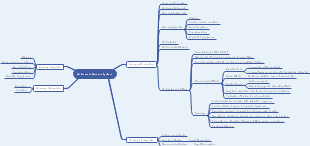
Edited at 2025-03-09 14:33:27Sơ đồ tư duy này, được tạo bằng EdrawMind, tập trung vào các đặc điểm sinh học của côn trùng hại cây. Nó bao gồm các khía cạnh như vòng đời côn trùng, quá trình biến thái (biến thái hoàn toàn và không hoàn toàn), hiện tượng lột xác, và khái niệm về tuổi sâu và lứa sâu. Mỗi phần được giải thích chi tiết để hiểu rõ hơn về sinh học và hành vi của côn trùng hại cây, giúp trong việc xây dựng chiến lược quản lý dịch hại hiệu quả.
The Gynecological Cancer Screening mind map emphasizes the importance of screening for gynecological cancers, particularly focusing on common types such as Cervical Cancer, Breast Cancer, and Endometrial Cancer. Regular screening can help detect signs of cancer early, improving treatment success rates.
Sơ đồ tư duy này, được tạo bằng EdrawMind, tập trung vào các đặc điểm sinh học của côn trùng hại cây. Nó bao gồm các khía cạnh như vòng đời côn trùng, quá trình biến thái (biến thái hoàn toàn và không hoàn toàn), hiện tượng lột xác, và khái niệm về tuổi sâu và lứa sâu. Mỗi phần được giải thích chi tiết để hiểu rõ hơn về sinh học và hành vi của côn trùng hại cây, giúp trong việc xây dựng chiến lược quản lý dịch hại hiệu quả.
The Gynecological Cancer Screening mind map emphasizes the importance of screening for gynecological cancers, particularly focusing on common types such as Cervical Cancer, Breast Cancer, and Endometrial Cancer. Regular screening can help detect signs of cancer early, improving treatment success rates.
Gynecological Cancer Screening
Importance of Gynecological Cancer Screening
Serious Health Issue
High prevalence in women
Gynecological cancers affect millions of women worldwide annually.
Health risks
Delayed detection can result in life-threatening health issues.
Late-stage diagnosis
Many cases are identified late, reducing treatment effectiveness.
Emotional & financial strain
Patients face high costs and emotional distress from diagnosis.
Early Detection Improves Survival and Treatment Effectiveness
Boosts treatment success
Early detection significantly boosts treatment success rates and outcomes.
Gentler treatment options
Detecting cancer early often leads to milder, more effective therapies.
Cuts healthcare costs
Timely screenings can lower treatment expenses and hospitalizations significantly.
Post-treatment well-being
Early intervention often results in better recovery and life satisfaction.
Cervical Cancer
Causes
HPV Infection
HPV infection is the primary cause of cervical cancer.
Symptoms
Abnormal Bleeding
Abnormal bleeding may include heavy periods or unexpected spotting.
Pelvic Pain
Pelvic pain can manifest as discomfort or persistent aching sensations.
Screening Methods
Pap Test
Pap smear detects early abnormal cells.
HPV Test
HPV test detects high-risk cervical strains.
Recommendations
Screening at 21
Start cervical cancer screening at age 21.
3-Year Gaps
Screen every three years for best results.
Breast Cancer
Causes
Genetic Factors
BRCA1 and BRCA2 mutations raise risk.
Family History
Family breast cancer history raises risk.
Symptoms
Breast Lumps
Breast lumps can vary in size and texture, requiring evaluation.
Breast Shape Changes
Changes in breast shape may indicate underlying health issues.
Discharge from Nipple
Nipple discharge can be normal or a sign of concern.
Screening Methods
Breast Ultrasound (Under 40)
Breast ultrasound is a safe, non-invasive imaging method.
Mammography (Above 40)
Mammography is vital for early breast cancer detection.
Recommendations
Screening Begins at 40
Early detection significantly improves treatment outcomes and survival rates.
Endometrial Cancer
Causes
Hormonal Disorders
Hormonal imbalances can increase endometrial cancer risk significantly.
Obesity
Excess body weight contributes to hormonal changes, elevating cancer risk.
Symptoms
Abnormal Bleeding
Heavy periods and spotting.
Pelvic Pain
Pelvic pain during periods/sex.
Screening Methods
Endo Ultrasound
Endometrial ultrasound uses sound waves to visualize the uterus.
Recommendations
Women 50+ Screening
Regular screenings are crucial for early detection and treatment.
Ovarian Cancer
Causes
Genetic
BRCA1 and BRCA2 mutations significantly increase ovarian cancer risk.
Medical History
Family cancer history raises ovarian cancer risk.
Symptoms
Abdominal Pain
Ovarian cancer often causes persistent abdominal pain and discomfort.
Altered Digestive Habits
Patients may experience changes in appetite, bloating, or constipation.
Screening Methods
Abd Ultrasound
Ultrasound uses sound to visualize ovaries.
CA-125 Test
CA-125 test for ovarian cancer risk
Recommendations
Family History Screening
Regular screenings can help detect ovarian cancer early.
Conclusion
Screening for Early Detection and Effective Treatment
Early detection boosts survival.
Early detection improves survival rates.
Screenings lower advanced diagnoses.
Screenings help catch diseases early.
Early detection boosts treatment.
Early detection offers more treatment choices.
Awareness boosts screening rates.
Awareness campaigns increase screening rates.
Access to healthcare is key.
Accessible healthcare is key for screening.
Women Need to Proactively Check Their Health Regularly
Check-ups help.
Check-ups save lives by enabling early detection.
Knowledge is power
Knowledge helps women prioritize their health.
Screening helps
Screenings detect health issues early to prevent escalation.
Proactive health
Education empowers women to take charge of their health.
Support boosts screening
Support networks encourage women to attend health visits.