MindMap Gallery Climate type
This mind map is both concise and easy to understand. Through this brain map, students can intuitively understand the characteristics and distribution of different climate types. Students in need can collect it!
Edited at 2025-02-23 01:23:39This template shows the structure and function of the reproductive system in the form of a mind map. It introduces the various components of the internal and external genitals, and sorts out the knowledge clearly to help you become familiar with the key points of knowledge.
This is a mind map about the interpretation and summary of the relationship field e-book, Main content: Overview of the essence interpretation and overview of the relationship field e-book. "Relationship field" refers to the complex interpersonal network in which an individual influences others through specific behaviors and attitudes.
This is a mind map about accounting books and accounting records. The main contents include: the focus of this chapter, reflecting the business results process of the enterprise, the loan and credit accounting method, and the original book of the person.
This template shows the structure and function of the reproductive system in the form of a mind map. It introduces the various components of the internal and external genitals, and sorts out the knowledge clearly to help you become familiar with the key points of knowledge.
This is a mind map about the interpretation and summary of the relationship field e-book, Main content: Overview of the essence interpretation and overview of the relationship field e-book. "Relationship field" refers to the complex interpersonal network in which an individual influences others through specific behaviors and attitudes.
This is a mind map about accounting books and accounting records. The main contents include: the focus of this chapter, reflecting the business results process of the enterprise, the loan and credit accounting method, and the original book of the person.
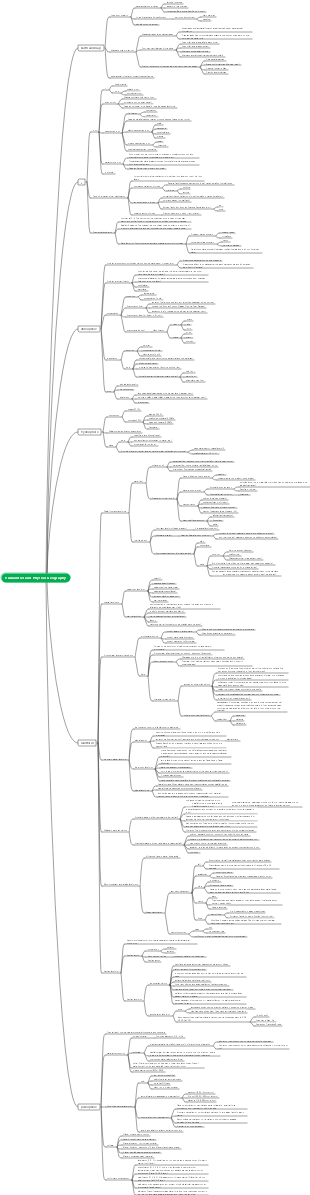
Climate type
tropical
Tropical rainforest climate
Savannah climate
Tropical Monsoon Climate
Tropical desert climate
Subtropical
Subtropical monsoon climate
Mediterranean climate
temperate zone
Temperate monsoon climate
Temperate marine climate
Temperate continental climate
Sub-cold zone
Sub-cold continental climate
Cold zone
Tundra climate
Ice field climate
climate
Tropical rainforest climate
Climate characteristics: high temperature and rainy year round
Distribution rules: between 10° north and south latitude
Causes of formation: a. Upward flow is prevalent under the control of equatorial low pressure zone all year round b. Low latitude, high temperature all year round
Typical vegetation: tropical rainforest landscape
Typical regions: Amazon, Congo Basin, Malay Islands, Gulf of Guinea
Typical soil: brick red soil
Precipitation: above 2000mm
Water-shaped: year-round rainy
Savannah climate
Climate characteristics: high temperature all year round, obvious alternation of dry and wet seasons
Distribution rules: 10° north-south latitude to the Tropic of Cancer
Cause of formation: controlled alternately by equatorial low pressure belt and trade wind belt
Typical vegetation: tropical (sparse trees) grassland landscape
Typical regions: Africa, South America, Oceania
Typical soil: dry red soil
Precipitation: 750~1000mm
Water-shaped: summer rainy
Tropical desert climate
Climate characteristics: high temperature and little rain all year round (hot and dry)
Distribution rules: Tropic of Cancer to the western part of the continent 30° north-south latitude
Reason for formation: controlled alternately by subtropical high-pressure belt and trade wind belt
Typical vegetation: tropical desert landscape
Typical regions: North Africa, Arabian Peninsula, Australia
Typical soil: desert soil
Precipitation: below 250mm
Water-shaped: Rainless
Tropical Monsoon Climate
Climate characteristics: high temperatures all year round, divided into early and rainy seasons
Distribution rules: the eastern part of the mainland between 10° and 25° north latitude
Causes of formation: a. Seasonal movement of air pressure belts and wind belts b. Differences in thermal properties of sea and land
Typical vegetation: tropical rainforest landscape
Typical regions: Indochina Peninsula, India Peninsula
Typical soil: brick red soil, red soil
Precipitation: above 1600mm
Water-shaped: summer rainy
Subtropical monsoon climate
Climate characteristics: mild and less rainy in winter, high and rainy in summer
Distribution rules: the eastern part of the mainland between 25° and 35° north and south latitudes
Cause of formation: differences in thermal properties of sea and land
Typical vegetation: Subtropical evergreen broadleaf forest landscape
Typical region: the area south of the Qinling Mountains and Huai River in my country
Typical soil: red soil, yellow soil
Precipitation: 800~1500mm
Water-shaped: summer rainy
Mediterranean climate
Climate characteristics: hot and dry summers, mild and rainy winters
Distribution rules: the western part of the continent from 30° to 40° north and south latitudes
Cause of formation: controlled alternately by subtropical high-pressure belt and westerly wind belt
Typical vegetation: Subtropical evergreen hard leaf forest landscape
Typical region: Mediterranean coast
Typical soil: brown soil
Precipitation: 300~1000mm
Water-shaped: Winter rainy
Temperate monsoon climate
Climate characteristics: high temperature and rainy summer, cold and dry winter
Distribution rules: 35° to 55° north latitude east of the continent
Cause of formation: differences in thermal properties of sea and land
Typical vegetation: temperate broadleaf forest landscape
Typical regions: North my country, Northeast China, Japan and the North-central part of the South China Peninsula
Typical soil: brown soil, brown soil
Precipitation: 400~80mm
Water-shaped: summer rainy
Temperate continental climate
Climate characteristics: cold winter and hot summer, dry and low rain
Distribution rules: 40° to 60° north and south latitudes inside the continent
Reason for formation: Deep inland, far away from the ocean, and controlled by polar continent air masses all year round
Typical vegetation: temperate grassland, temperate desert, sub-cold coniferous forest landscape
Typical regions: Inside Eurasian and North American continents
Typical soil: black calcium soil, desert soil
Precipitation: below 400mm
Water-shaped: Rainless
Temperate marine climate
Climate characteristics: mild and rainy year round
Distribution rules: 40° to 60° north-south latitudes in the western continent
Cause of formation: controlled by the westerly wind belt throughout the year
Typical vegetation: Temperate deciduous broad-leaved forest landscape
Typical regions: western Europe, southern Australia, western North and south America
Typical soil: brown soil, brown soil
Precipitation: 700~1000mm
Water-shaped: year-round rainy
Cold tundra climate
Climate characteristics: severe cold throughout the year
Distribution rules: between 70° and 80° north latitude
Cause of formation: controlled by polar high pressure belts all year round
Typical vegetation: tundra landscape
Typical regions: the coast of the Arctic Ocean in Eurasian continent and North America
Typical soil: ice soil
Precipitation: below 250mm
Cold ice field climate
Climate characteristics: cool, cold and dry throughout the year
Distribution rules: polar inland in the northern and southern hemispheres
Cause of formation: controlled by polar high pressure belts all year round
Typical vegetation: ice field landscape
Typical regions: Antarctic continent and Greenland
Precipitation: 100mm
Sub-cold coniferous forest
Climate characteristics: long and severe winter, short and short winter, less precipitation
Distribution rules: 50° to 70° north latitude
Cause of formation: controlled by subpolar low pressure belt all year round
Typical vegetation: sub-cold coniferous forest landscape
Typical regions: Eurasian and northern North American continents
Typical soil: ashed soil
Precipitation: 300~600mm