MindMap Gallery Understanding the Impact of Trauma: A Comprehensive Analysis
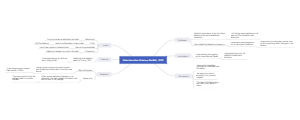
This mind map delves into the multifaceted impact of trauma, exploring its definition, statistical prevalence, mechanisms, developmental consequences, and potential interventions. Trauma, stemming from various sources like community violence and personal experiences, affects individuals differently based on factors such as age and ecological context. The analysis covers the neurological and psychological mechanisms through which trauma influences brain development, behavior, and mental health. It also highlights the importance of timely interventions and resources for mitigating long-term effects and promoting resilience.
Edited at 2025-04-25 22:30:566_trauma
purpose
- 需(definition, statistics of exposure 反映问题), 根(mechanisms, developmental stages, statistics of exposure, root: polyvictimization),解(moderators and mediators => targets of intervention),损,推((1) scaling effects: adjustment problems)
Trauma
abstract
- statistics have shown that trauma affects over 50% children in poverty regions. 在黑人社区中,(1)community violence: 1-2年级84%观察过,21%亲历;5-6年级90%观察过,35%亲历;孩子self report results are even higher compared to family reports statistics;观察过inter-parental violence的孩子和亲历sexual abuse的孩子的数量为女性11%,男性3.9%
- 然而,different statistics have shown different outcomes: this is possibly due to (1) different definitions of 'violence' (2) informant
- 我们发现的是否可信:demand characteristics likely stem from (1) report good behaviours to appear good => biases of self report
- mechanisms underlying trauma involve environmental factors - e.g. how often you witness or are immersed in a high-aggression-level community/family; core focus of the field include: (1) is there a critical period for trauma vulnerability? (2) how deterministic is the exposure (to violence) causing the trauma? (3) 在一个age 有的exposure只会影响这一个stage,还是会影响over time?
- => research has found that violence witness and experience can have immediate and long term effects ; there is likely a critical period; 或许一个stage's exposure will malleable to the later stages (需找到正反双方evidence及清晰阐释)
- the consequences, and the current problems need to be addressed by the medical field, includes (1) the primary and secondary disturbances (e.g. anxiety/depression -> bedwetting, verbalization, socialization, etc) (2) polyvictimization: (1) sadness => 你会得trauma/PTSD和depression, anxiety, ... (2) anger => 你会成为下一个施暴者:aggression (even crime:如此(1)启发:现行刑法的焦点应该是惩罚犯罪人,还是究其犯罪根源更正结构性问题以“预防”;给出证据:法文和支持各法文的research evidence);(2)《头脑特工队》analogy来游戏化(直接理解,甚至无需刻意记忆)the consequences : anger and sadness
- 逻辑:(1)需根解损 x 多模型(eg biological-ecological model to understand the types of violence;头脑特工队to understand the types of polyvictimization consequences)(2)推:(a)代入视角:我们现在作为clinical practitioners可以做哪些,作为法律人可以做哪些,现在领域的核心debates分别需要“哪些学科、从业者”来解决,“具体”如何行为?
- 需:
- (1)spatial maps (big T, small T), definition (experiences: disruptive ‘feelings’ -> long term ‘negative effects’ -> change of the ‘view’to the world)
- (2) symptoms
- cognitive consequences => academic outcomes, reward sensitivity (why?)
- neurobiological: stress response system => HPA axis (hypothalamic-pituitary-adrenal), cortisol release, depression & PTSD+ maltreatment
- neurotoxity hypothesis: feedback loops gone awry
- 更严重——neurological functions: (1) structural brain differences
- (1) hippocampus: learning and memory; (2) amygdala: threat-evaluation, fear conditioning, memory for emotional events; (3) vulnerable to early and severe stress ; (4) smaller PFC for maltreatment and larger for PTSD: extensive interconnected with other regions => emotion regulation, self control, cognition
- genetic: BDNF (brain development), immune function (cytokine genes), stress response (FKBP5)
- 根: (1)community violence (statistcis: inner city 33% experience violence, 90% witness; 3-22% being beaten)
- => 一,现行问题(1)statistics: (a) community violence: 1-2年级的学生84%观看过暴力,21%经历;5-6年级的学生90%观看过,35%经历过;(b) 父母并非完全了解孩子(健康及在校经历)状况; (c) inter-parental violence: Fantuzzo et al. : official police records of IPV witness among children (6-7% also abused in episode)
- =>逻辑:从biological model 外围(community)到内环(family); (d) sexual abuse (11% girls self report, 3.9% boys self report)=> CA: self report不排除渴求注意力而夸大
- => 问题: (1)不同数据库的指数不同?(definition, informant, …=> 为何在科学中普遍,如何解决)
- 二,实验方法:我们的结果可信吗?(1)demand characteristcis (causes and solutions => 具体的案例:有没有实验因为做了某artificial settings / information disclosure当中的问题:导致了dc导致了findings invalidity,导致了严重后果?)
- 三,根源 (1) expectable vs deviation from the expectable 应该如何;(2) age-atypical events(critical, sensitive periods); (3) threat vs deprivation
- => 导致(需):primary and secondary effects (epiphenomenon): bedwetting, verbalization, socialization, education ability
- (1) environmental factors -affect the epigenomes-> affect cognitive traits and polyvictimization
- 四,介质 (1) temperament - shy/anxious (internalize => sadness); hyperactive/aggressive (violence => anger)
- 推:
- 趋势/core debates: (1)certain periods = vulnerable, (2) exposure outcomes : how much deterministic? (3) if exposure at one age affects later development
- =>学习方法(1)核心理解此领域的抓手,3个关键词,搜索核心趋势及来龙去脉(之前每一重要节点的key debates是哪些;领域之内的critical thinking的“空间俯瞰图”),跨联其他领域的空间俯瞰图
- 启发:现行statistics revealed that: Males experience beaten and mugged more than females (37& vs 16%) => Ken: males can also be victims, and being judged of being ‘victims’ 因为更容易access更显性暴力的男性,所以或许被施暴的男性受害者比我们想象得多
resources
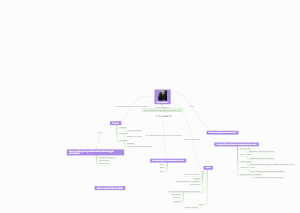
- Official reports receiving violence
- needs
- impacts - Margolin, G. and E. B. Gordis (2000). "The effects of family and community violence on children." Annual Review of Psychology 51(1): 445-479.
- mechanisms
- Newbury et al. (2018): Childhood maltreatment to predict early adult psychopathology
- Mulvihill (2005): chain process impacts of trauma
- prenatal stress's impacts - Glover, V. (2015). Prenatal stress and its effects on the fetus and the child: possible underlying biological mechanisms. Perinatal programming of neurodevelopment, Springer: 269-283.
- consequences
- neglect vs healthy brains when 3-year-old
- Eamon et al. (2011): impacts of childhood maltreatment: neurobiological and genetic factors
- Erin (2018): peer victimizations's impacts on adolescent brain development
- Cecil et al. (2020): childhood maltreatment and DNA methylation
- CA: Cecil CA, Viding E, Fearon P, Glaser D, McCrory EJ. Disentangling the mental health impact of childhood abuse and neglect. Child Abuse Negl. 2017 Jan;63:106-119
further
story: girl with trauma
https://www.thetimes.com/uk/science/article/orphanages-stunt-brain-growth-due-to-lack-of-love-experts-say-christmas-appeal-std7lzn03?utm_source=chatgpt.com
story
PTSD,我们都熟悉的词语:它的原理是什么?小时候看见的/经历的创伤可以不可逆还是可治愈?后天的环境是否真的可以重塑先天因素,例如我们的大脑结构、神经元的作用,甚至,基因表达?—— 现行数据指明了trauma的哪些?
开始之前,我们先来听一个故事。让我们跟随镜头走进Mirela的故事
trauma的现象 —— Mirela不孤单,trauma作用在很多人身上。不过,是否有一类人或一些区域的人们更易感于trauma?
(1)video —— statistics entering into lives现实:1-2年级84%亲看,5-6年级59%经历。还不止:家庭内部的trauma也在上演 —— 讽刺的self report findings discrepancy ; social functions * 3 & impacts(正面 & 负面),且给出具体的video中的case来visualize,且实验说明了哪些
=> crime and violence: how violence will affect individuals and ecology of a community => 连接:ecobiological model(微观和宏观) —— 3 social functions of crime(1)crime有哪些social functions? (2)分别对这个社区的孩子/young adults带来哪些影响?=> 这些影响如何派生neurological impacts => purpose = use 1 example to visualize
trauma的影响 ——(1)对大脑结构的影响(all emotion regulation related);令人唏嘘的实验:MRI shows significant smaller size of neural regioins for trauma-victims (3-year-old): 去年在伦敦的孩子:小菠萝只会躲;(2)gene-environment interaction: mechanism = Epigenetics, 聊聊EWAS如何做
core
debates & 这个领域需解决的问题 : (1)有一个critical period: 我们的大脑的功能需在这个时段发育吗?(1) is trauma 的影响恒定,经历了trauma就永远有此影响吗?(2)在一个阶段经历的trauma是针对性的还是会影响后续阶段?—— timing, plasticity, malleability/resilience
结构性问题:community violence 的impacts及signal我们哪些:call to action - given its risks and consequences, what can we do? 作为一个科研者的视角来聊聊我们可以做哪些
Main Idea
Main Topic
Main Topic
Main Topic