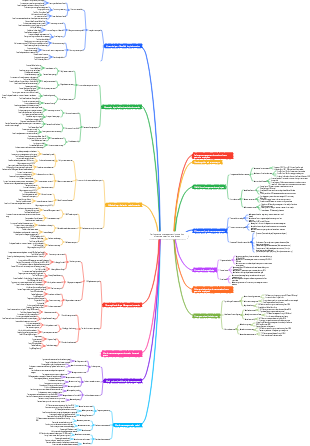
MindMap Gallery Corporate Performance Management Guide
Performance management is to improve the management system of organizational and individual performance by setting goals, monitoring processes, and evaluating results, covering the entire performance management process, core methods, tool techniques and practical cases.
Edited at 2025-06-06 17:12:45Avatar 3 centers on the Sully family, showcasing the internal rift caused by the sacrifice of their eldest son, and their alliance with other tribes on Pandora against the external conflict of the Ashbringers, who adhere to the philosophy of fire and are allied with humans. It explores the grand themes of family, faith, and survival.

This article discusses the Easter eggs and homages in Zootopia 2 that you may have discovered. The main content includes: character and archetype Easter eggs, cinematic universe crossover Easter eggs, animal ecology and behavior references, symbol and metaphor Easter eggs, social satire and brand allusions, and emotional storylines and sequel foreshadowing.
[Zootopia Character Relationship Chart] The idealistic rabbit police officer Judy and the cynical fox conman Nick form a charmingly contrasting duo, rising from street hustlers to become Zootopia police officers!
Avatar 3 centers on the Sully family, showcasing the internal rift caused by the sacrifice of their eldest son, and their alliance with other tribes on Pandora against the external conflict of the Ashbringers, who adhere to the philosophy of fire and are allied with humans. It explores the grand themes of family, faith, and survival.
This article discusses the Easter eggs and homages in Zootopia 2 that you may have discovered. The main content includes: character and archetype Easter eggs, cinematic universe crossover Easter eggs, animal ecology and behavior references, symbol and metaphor Easter eggs, social satire and brand allusions, and emotional storylines and sequel foreshadowing.
[Zootopia Character Relationship Chart] The idealistic rabbit police officer Judy and the cynical fox conman Nick form a charmingly contrasting duo, rising from street hustlers to become Zootopia police officers!
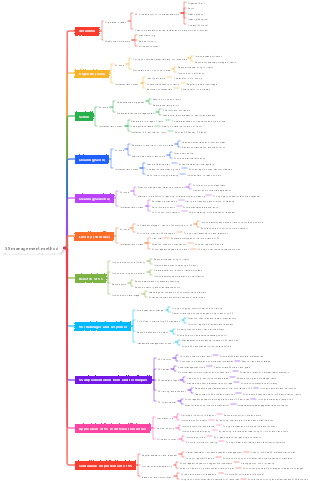
Corporate Performance Management Guide
1. Basic theory of performance management
1. Performance Management Definition and Core Objectives
- Definition: Improve the management system of organizational and individual performance by setting goals, monitoring processes, and evaluating results
- Core Objectives:
▶ Strategic implementation: break down organizational goals into executable tasks
▶ Efficiency improvement: Optimize resource allocation and reduce operating costs
▶ Talent Development: Identify high-potential employees and provide directions for improvement
▶ Cultural Shaping: Strengthening Results-oriented and Continuous Improvement Ambient
2. The difference between performance management and performance appraisal
| Dimensions | Performance Management | Performance Appraisal |
|--------------------------------------------------------------------------------------------------------------------------------------------------------------------------------------------------------------------------------------------------------------
| Cycle | Full process (PDCA cycle) | Phase (quarterly/year) |
| Focus | Goal setting Process tutoring Results application | Results evaluation Rewards and punishments |
| Direction | Future performance improvement | Past performance evaluation |
| Participation | All-in-one participation (employment) | Manager-led |
3. Three theoretical foundations of performance management
- Target Management Theory (MBO, Drucker): Emphasizes goal decomposition and self-control
- Contingency theory: Adjust the performance system according to corporate strategy and cultural dynamics
- Motivation Theory (Herzberg two-factor): Design performance indicators for distinguishing health care factors from motivational factors
2. Analysis of the entire process of performance management
1. Performance Plan Development (P-Plan)
- Goal setting principle: SMART principle (specific, measurable, achievable, relevance, time limit)
- Target decomposition path:
▶ Strategic Map: From corporate vision to strategic themes (such as balanced scorecards)
▶ Target tree: Organizational goals → Department goals → Personal goals (Example: Revenue goals → Sales department goals → Sales personal indicators)
- Tools: Target decomposition matrix, performance contract book, Gantt chart
2. Performance Process Monitoring (D-Do)
- Monitoring method:
▶ Regular meetings: weekly meetings/monthly meetings track progress (such as Alibaba’s “Review Culture”)
▶ Data board: Real-time update of KPI completion rate (such as Tableau visualization)
▶ Walking management: On-site observation and guidance of managers (such as General Electric’s “Collaboration” meeting)
- Tutoring skills: GROW model (goal setting → current situation analysis → plan selection → action planning)
3. Performance evaluation implementation (C-Check)
- Evaluation subject: 360-degree evaluation (superior, colleague, subordinate, customer)
- Evaluation cycle:
▶ Grassroots employees: monthly/quarterly assessment
▶ Management: Semi-annual/annual assessment
▶ Project-based positions: Assessed by project cycle
- Evaluation method: mandatory distribution method, key event method, behavioral anchoring method
4. Performance feedback improvement (A-Action)
- Feedback Principle:
▶ Definitely: Use data to speak with facts (such as "Q3 sales are 15% lower than target")
▶ Positive guidance: Focus on improvement rather than criticism (such as "we can improve conversion through XX method")
▶ Two-way communication: Encourage employees to self-assess (such as “What aspects do you think are doing well at this stage?”)
- Improvement tools: PDCA cycle, performance improvement plan (PIP), capability improvement matrix
3. Core methods of performance management
1. Key Performance Indicators (KPIs)
- Definition: Quantitative evaluation of organization/personal performance through key indicators
- Design steps:
1. Determine enterprise-level KPIs (such as ROE, customer satisfaction)
2. Decompose to departments (such as marketing department: brand exposure, customer acquisition cost)
3. Implement to individuals (such as sales: signing volume, collection rate)
- Pros and cons:
▶ Advantages: clear goals, easy to quantify, and aligned with strategy
▶ Disadvantages: It is easy to ignore non-quantitative capabilities and may trigger short-term behavior
- Case: Huawei's "customer-centered" KPI system
2. Goals and Key Results Method (OKR)
- Definition: Objective Agile management method for key outcomes (KRs)
- Implementation points:
▶ Target setting: Focus on 3-5 strategic goals (such as "Q4 to improve daily active users of e-commerce platforms")
▶ Key Results: Each target matches 2-4 measurable results (such as "daily active growth of 20%")
▶ Cycle: Quarterly update, annual review
- Pros and cons:
▶ Advantages: Inspire innovation, adapt to change, and promote cross-departmental collaboration
▶ Disadvantages: High requirements for employee autonomy and need to be used with supporting KPIs
- Case: Google OKR implements four-step method (alignment → disassembly → tracking → review)
3. Balanced Scorecard (BSC)
- Definition: Measure performance from four dimensions, finance, customers, internal processes, learning and growth
- Dimensional analysis:
▶ Finance: revenue growth rate, profit margin, etc.
▶ Customers: NPS value, repurchase rate, etc.
▶ Internal processes: process optimization rate, project delivery cycle, etc.
▶ Learning and Growth: Employee training time, patent application quantity, etc.
- Implementation steps: Draw a strategic map → Design indicators → Develop an action plan
- Case: Mobil Oil improves customer loyalty by 15% through BSC
4. Other methods
- Economic Value Added (EVA): Measures corporate value creation (EVA=Net operating profit after tax - cost of capital)
- 360-degree feedback: Comprehensive assessment of behavioral capabilities (applicable to managerial capacity development)
- Points management: Quantitative daily behaviors (such as attendance, innovative proposal points redemption rewards)
4. Performance management tools and technologies
1. Digital tools
- Performance Platform:
▶ UFIDA YonBIP: Supports KPI settings, process tracking, and automatic scoring
▶ Kingdee Cloud·Xinghan: Integrated OKR management module to update progress in real time
- Data board:
▶ Indicator monitoring: Power BI displays the completion rate of key indicators in real time
▶ Early warning mechanism: DingTalk/Enterprise WeChat automatically pushes abnormal reminders
- Mobile Apps:
▶ Record at any time: Submit key events and milestones through the APP
▶ Mobile approval: online approval process for performance evaluation
2. Analytical model
- Boston Matrix: Evaluating Performance from Market Share and Growth Rate
- SWOT analysis: identify advantages and improvement points based on performance results
- Attribution analysis: Trace the reasons for performance deviation through fishbone diagram (such as "salary decline" attributed to competitor impact and team loss)
3. Institutional tools
- Performance management system: clarify the process, cycle, and responsible subjects
- Performance grievance mechanism: employee feedback channel for evaluation results
- Performance Archives Management: Record employee performance throughout the cycle
5. Performance management implementation steps
1. Preparation phase (weeks 1-2)
- Establish a special team: HR business department Senior leaders
- Current status diagnosis: Identify management pain points through questionnaire surveys and high-level interviews
- Develop a plan: choose an adaptation method (such as starting companies give priority to OKR, mature companies use KPI BSC)
2. Training phase (weeks 3-4)
- Management Training: Understanding performance management concepts and tools (such as OKR workshops)
- Employee publicity: Explain the process and evaluation standards (such as making an animation demonstration of "Performance Manual")
- Pilot operation: Select 1-2 departments to verify the feasibility of the plan first
3. Implementation phase (weeks 5-36)
- Goal setting: Align organization and individual goals through workshops
- Process Management: Conduct monthly performance counseling meetings to record key events
- Data collection: Each department has designated a dedicated person to summarize performance data
4. Assessment phase (weeks 37-40)
- Self-evaluation and other evaluation: Employee self-evaluation, superior scoring, cross-departmental feedback
- Calibration meeting: High-level review of evaluation results to avoid scoring deviations
- Results announcement: Confirm performance levels with employees and sign a performance feedback form
5. Application phase (weeks 41-44)
- Salary linkage: Performance salary = basic salary × performance coefficient (such as coefficient range 0.8-1.2)
- Promotion reference: Priority promotion for performance S-level promotion for two consecutive years
- Training development: formulate personalized training plans based on capabilities shortcomings
6. Optimization Phase (weeks 45-52)
- Satisfaction survey: Collect employee suggestions for improvement of performance system
- Effectiveness Assessment: Comparison of key indicators before and after implementation (such as a 5% decrease in employee turnover rate)
- Solution iteration: Adjust indicators and processes according to business changes
6. Frequently Asked Questions and Solutions for Performance Management
1. Unreasonable goal setting
- Problem performance: The indicator is too high or too low, out of touch with the strategy
- Solution:
▶ Strategic decoding meeting: Use the onion peeling method to decompose the target (enterprise → department → individual)
▶ Historical data reference: Set the floating range based on the average level of the past 3 years
▶ Employee participation: Set goals through the "upper and down" method (such as submitting the first draft from the bottom up)
2. Process monitoring is missing
- Problem manifestation: At the end of the period, the lack of process guidance
- Solution:
▶ Establish a "mile mark" mechanism: set small goals at each stage (such as splitting the quarterly target into monthly milestones)
▶ Manager's performance report: Regularly report on the counseling status of subordinates (such as submitting the "Guiding Record" every month)
▶ Digital tracking: Real-time update progress through project management tools
3. Dispute in the evaluation results
- Problem manifestation: Employees do not approve of the score, causing conflicts
- Solution:
▶ Standardization of performance interviews: Feedback using STAR rules (situation → task → action → result)
▶ Appeal process: Establish a three-level appeal mechanism (directly subordinate superiors → HR → management)
▶ Scoring calibration: Compare the scoring scale across departments to avoid "loose/strict error"
4. Single result application
- Problem manifestation: only used to issue bonuses, ignoring development value
- Solution:
▶ Establish a “performance-competency” matrix: identifying high potential and employees to be improved
▶ Career development channel: Performance results are directly linked to promotion and rotation
▶ Training requirements analysis: Design personalized learning paths based on evaluation results
7. Performance Management and Organizational Development
1. Performance and Talent Inventory
- Nine-Classification of Talents:
▶ Horizontal axis: Performance level (A/B/C), vertical axis: Capability potential (high/medium/low)
▶ Application: Identify celebrity employees (A high potential), optimize low-performance employees (C low potential)
- Successor Plan: Develop a cross-departmental training plan for high-potential talents
2. Performance and cultural construction
- Shaping a performance culture:
▶ Benchmark management: Establish a "Performance Star" case library (such as the best project team of the quarter)
▶ Transparent announcement: Internal publications announce outstanding performance results
▶ Ceremony Design: Annual Performance Award Ceremony
3. Performance and Digital Transformation
- Data-driven decision-making:
▶ Talent data analysis: Use AI to predict high-risk employees (such as performance drops sharply and attendance abnormalities)
▶ Dynamic indicator adjustment: Automatically trigger the indicator calibration process when market changes
- Blockchain application: Untampered performance data storage to enhance credibility
8. Performance management development trends
1. Trend of Agility
- Dynamic target adjustment: Reset OKR every quarter according to market changes
- Micro performance evaluation: record key contributions daily/weekly (such as real-time update of ByteDance's "Fly Shu OKR")
2. Lightweight tools
- Minimalist indicators: Each position has no more than 5 core indicators
- Gamified design: Points and medal system improves participation (such as "performance pass" to get virtual rewards)
3. Employee experience priority
- Self-service performance: employee self-select evaluation cycle and indicator weight
- Positive feedback: emphasizing "growth thinking" and reducing punitive measures
4. Sustainable Performance
- ESG integration: Incorporate environmental, social and governance indicators into the performance system
- Long-termism: Setting strategic performance indicators for 3-5 years (such as technical patent accumulation)
9. Analysis of practical cases
1. Huawei: Responsibility-oriented performance management
- Core logic:
▶ Three-tier assessment: company-level KPI → departmental PRD (performance reference document) → personal PBC (personal performance commitment)
▶ Last-place elimination: 5% of employees in each department enter the performance improvement process
- Features: Team Assessment Culture of "Winning, Raising Glass to Celebrate; Failing, Stop Saving"
2. ByteDance: OKR Feishu's agile management
- Implementation points:
▶ Target Alignment: Achieve cross-departmental OKR transparency through Feishu
▶ Real-time tracking: Update KR progress every week and automatically generate progress reports
- Results: Per capita OKR completion rate has increased to 85%, and project iteration speed has accelerated by 30%
3. Haier: "People-in-one" performance model
- Innovation points:
▶ Subverting the bureaucracy: Employee performance is directly linked to user value ("single" refers to user needs)
▶ Independent business: small and micro teams set their own goals, self-organized teams, and self-distributed income
- Effect: Inventory turnover days dropped from 30 days to 7 days, and user satisfaction increased by 40%