 Wondershare EdrawMind
MindMap Gallery 06092_Work Analysis
- 7
06092_Work Analysis
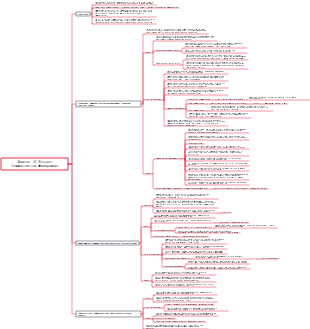
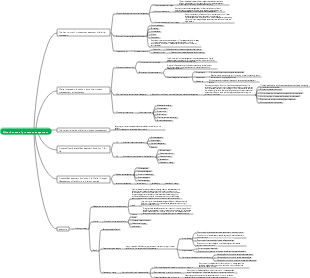
The mind map is structured and has clear hierarchy. Through branches at different levels, various knowledge points of work analysis are organized in an orderly manner, and are suitable for learning and reference in areas such as human resource management, business management, etc.
Edited at 2025-06-10 09:37:38
- What exactly is crayfish farming
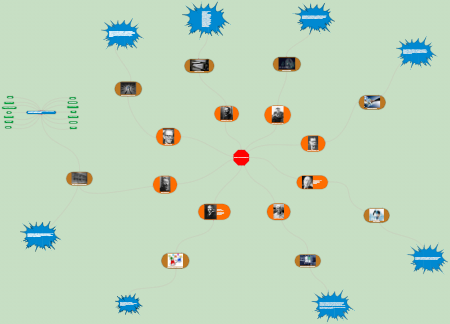
This is a panoramic infographic—currently sweeping across the web—illustrating the comprehensive applications of OpenClaw, a popular open-source AI agent platform. It systematically introduces this intelligent agent framework—affectionately dubbed "Lobster Farming"—helping readers quickly grasp its core value, technical features, application scenarios, and security protocols. It serves as an excellent introductory guide and practical manual.
- 一圖瞭解“養龍蝦”
這是一張最近風靡全網關於熱門開源AI代理平台OpenClaw的全網應用全景圖解。它系統性地介紹了這款被稱為「養龍蝦」的智慧體框架,幫助讀者快速理解其核心價值、技術特性、應用場景及安全規範,是一份極佳的入門指南與實操手冊。此圖主要針對希望利用AI建構自動化工作流程的技術從業人員、中小企業主及效率追求者,透過9大模組層層遞進,全面剖析了OpenClaw從概念到落地的整個過程。 圖中核心內容首先釐清了「養龍蝦」指涉的是OpenClawd開源智能體,並強調其本質是「AI基建」而非一般聊天機器人。隨後詳細比較其與傳統AI助理的區別,擁有記憶管理、權限控制、會話隔離和異常恢復四大基礎能力,支援跨平台存取和多模型相容(如GPT、Claude、Ollama)。同時,圖解提供了完整的部署方案(雲端/本地/Docker),並列舉了辦公室自動化、內容創作、資料收集等五大應用程式場景。此外,還展示了其火爆程度、政府與大廠佈局、安全部署建議及適合/不適合的人群分類。幫助你快速掌握OpenClaw技術架構與應用價值,指導個人或企業建構AI自動化系統,規避資料外洩與權限失控風險,是學習「執行式AI」轉型的權威參考圖譜。
- IT研發個人簡歷範本
本圖由萬興腦圖繪製,是針對IT研發崗位的結構化個人履歷模板,完整涵蓋求職核心資訊模組。基本資訊區包含姓名、電話、信箱、求職意願及GitHub連結;專業概要要求以2-3句提煉核心優勢;工作經驗以「公司A高級Java開發工程師」為例,以「透過(行動),達成(量化成果)」格式呈現微服務架構設計、系統效能優化、團隊技術規範制定等職責,公司B經歷則聚焦功能模組開發與Elasticsearch搜尋優化;技能專長分程式語言、後端框架、中介軟體、資料庫、容器雲等維度,清楚展示技術堆疊;專案成果以「電商平台秒殺系統」為例,說明技術棧、架構設計、個人貢獻(Redis Lua庫存原子扣減)及KPI;教育背景包含一流大學電腦專業學歷,以及AWS認證解決方案架構師、軟考中級軟體設計師證書。模板邏輯嚴謹,涵蓋IT研發求職全流程關鍵訊息,幫助求職者清晰、量化展示專業能力。
06092_Work Analysis
- What exactly is crayfish farming
This is a panoramic infographic—currently sweeping across the web—illustrating the comprehensive applications of OpenClaw, a popular open-source AI agent platform. It systematically introduces this intelligent agent framework—affectionately dubbed "Lobster Farming"—helping readers quickly grasp its core value, technical features, application scenarios, and security protocols. It serves as an excellent introductory guide and practical manual.
- 一圖瞭解“養龍蝦”
這是一張最近風靡全網關於熱門開源AI代理平台OpenClaw的全網應用全景圖解。它系統性地介紹了這款被稱為「養龍蝦」的智慧體框架,幫助讀者快速理解其核心價值、技術特性、應用場景及安全規範,是一份極佳的入門指南與實操手冊。此圖主要針對希望利用AI建構自動化工作流程的技術從業人員、中小企業主及效率追求者,透過9大模組層層遞進,全面剖析了OpenClaw從概念到落地的整個過程。 圖中核心內容首先釐清了「養龍蝦」指涉的是OpenClawd開源智能體,並強調其本質是「AI基建」而非一般聊天機器人。隨後詳細比較其與傳統AI助理的區別,擁有記憶管理、權限控制、會話隔離和異常恢復四大基礎能力,支援跨平台存取和多模型相容(如GPT、Claude、Ollama)。同時,圖解提供了完整的部署方案(雲端/本地/Docker),並列舉了辦公室自動化、內容創作、資料收集等五大應用程式場景。此外,還展示了其火爆程度、政府與大廠佈局、安全部署建議及適合/不適合的人群分類。幫助你快速掌握OpenClaw技術架構與應用價值,指導個人或企業建構AI自動化系統,規避資料外洩與權限失控風險,是學習「執行式AI」轉型的權威參考圖譜。
- IT研發個人簡歷範本
本圖由萬興腦圖繪製,是針對IT研發崗位的結構化個人履歷模板,完整涵蓋求職核心資訊模組。基本資訊區包含姓名、電話、信箱、求職意願及GitHub連結;專業概要要求以2-3句提煉核心優勢;工作經驗以「公司A高級Java開發工程師」為例,以「透過(行動),達成(量化成果)」格式呈現微服務架構設計、系統效能優化、團隊技術規範制定等職責,公司B經歷則聚焦功能模組開發與Elasticsearch搜尋優化;技能專長分程式語言、後端框架、中介軟體、資料庫、容器雲等維度,清楚展示技術堆疊;專案成果以「電商平台秒殺系統」為例,說明技術棧、架構設計、個人貢獻(Redis Lua庫存原子扣減)及KPI;教育背景包含一流大學電腦專業學歷,以及AWS認證解決方案架構師、軟考中級軟體設計師證書。模板邏輯嚴謹,涵蓋IT研發求職全流程關鍵訊息,幫助求職者清晰、量化展示專業能力。
- Recommended to you
- Outline



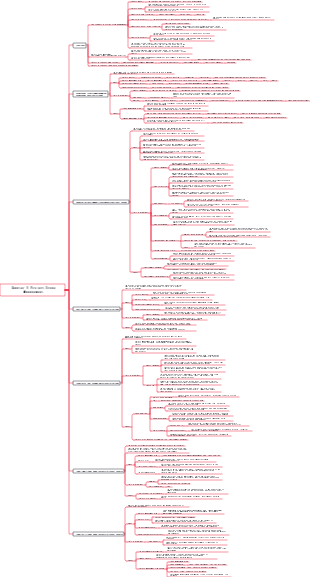
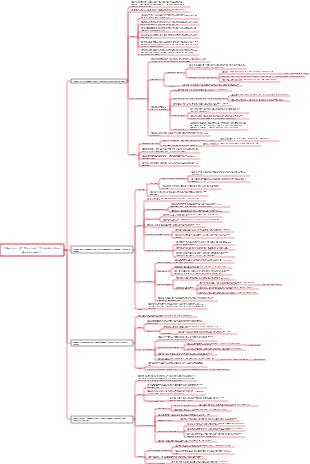
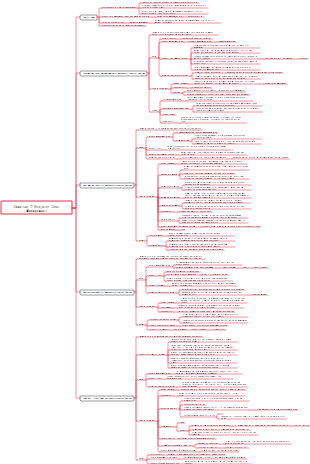
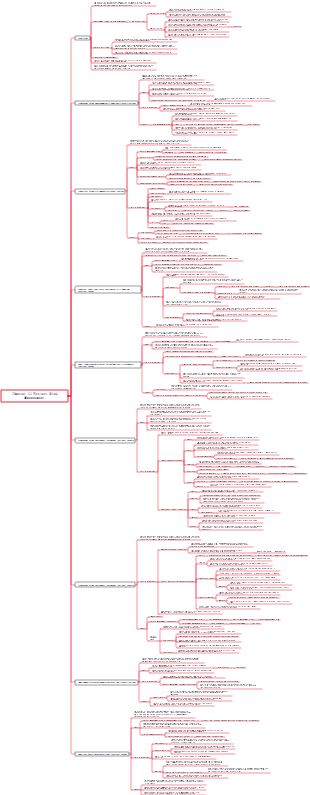
Job Analysis
1||| Chapter 1 Job Analysis Overview
1||| Principles and contents of work analysis
1||| The concept of work analysis
1||| Task
1||| Specific activities to be engaged in achieving a specific purpose
1||| Sales staff sell products
2||| Accountant registration of accounts
2||| Responsibilities
1||| It is a work activity composed of various tasks undertaken by an employee
1||| For example, the responsibilities of a market investigator include designing questionnaires, issuing questionnaires, recycling questionnaires, etc.
3||| post
1||| A collection of one or more responsibilities undertaken by a specific person in the enterprise
1||| Jobs and staff correspond one by one
4||| Work
1||| It is a collection of positions with similar main responsibilities
1||| Generally, several employees do the same job
5||| Profession
1||| Work as a main source of life
1||| The concept of work is only within the enterprise, and the occupation is characterized by cross-organization, cross-industry and cross-department.
2||| Work analysis principles
1||| System Principles
2||| Energy level principle
3||| Standardization Principles
4||| Optimization Principles
3||| Contents of work analysis
1||| Job Responsibilities Analysis
2||| Workflow analysis
3||| Work permission analysis
4||| Working relationship analysis
5||| Analysis of working environment conditions
6||| Analysis of qualifications
1||| experience
2||| Skill
3||| educate
4||| Training
5||| psychology
6||| Physiological factors
4||| Projects for work analysis
1||| It is determined based on the purpose of the analysis
2||| The significance of work analysis
1||| Job analysis is the basis of enterprise human resource management
1||| Make human resource planning more accurate
2||| Make job responsibilities clearer
3||| Make the work design more reasonable
1||| Work rotation
2||| Expanding work
3||| Enrich your work
4||| Flexible work
4||| Make recruitment smoother
5||| Make the salary system more fair
6||| Make performance appraisal more objective
7||| Make employee training more effective
2||| Application of work analysis in human resource management
1||| Job analysis and staff management
2||| Job analysis and job qualification determination
3||| Job Analysis and Career Development Planning
4||| Job Analysis and Human Resource Planning
5||| Job Analysis and Employee Recruitment
6||| Job Analysis and Employee Training
7||| Job Analysis and Performance Appraisal
8||| Job Analysis and Salary Management
9||| Job analysis and employee transfer and placement
10||| Job Analysis and Labor Safety
3||| The emergence and development of work analysis
1||| Origin of work analysis
1||| The earliest: Ancient Greece
1||| Socrates proposed
1||| Only by doing the work within your ability through social methods can you make great contributions to society
2||| Early development of work analysis
1||| Late 19th century, early 20th century
1||| Taylor (father of scientific management)
1||| Scientific management research
1||| Methods for determining work standardization
2||| Select standardized work tools
3||| Determine the time for standard operations
4||| Formulate standard workload per unit time
2||| Gilbrace couple
1||| Action Analysis
2||| Before World War I
1||| Minsterberg (father of industrial psychology)
1||| Systematic study on work requirements and identification
3||| 1916
1||| Scott
1||| Sales employee performance standards
4||| 1919
1||| Barus
1||| Through job analysis, the classification standards for public officials' salary levels are derived.
5||| 1920
1||| National Institute of Research
1||| Apply job analysis to reduce unemployment and social pressure
6||| 1922
1||| Morris Wesley
1||| The indicator system of work ability
1||| Physical abilities
2||| Energy consumption speed
3||| Recent Developments in Work Analysis
1||| The 1970s and 1980s
2||| The most common working analysis technology system method
1||| Job Analysis Questionnaire
2||| Task list analysis system
3||| Key event analysis technology
4||| Capacity Requirements Analysis System
5||| Behavioral analysis method
6||| Functional work analysis method
7||| Manager job description questionnaire
8||| Hai's Project
9||| Working information model system
10||| Working factor method
11||| Critical trait analysis system
12||| Comprehensive work analysis system
13||| Work execution investigation system
14||| Occupational Testing System
3||| 1950
1||| Saidi-Van
1||| Functional occupation classification plan
1||| Functional work analysis method
1||| Attention to people in the mission
2||| Skill classification
3||| Systematic tasks
4||| The late 1950s
1||| McCormick
1||| Job Analysis Questionnaire
1||| People-centered, contrasting with work-centered work elements
5||| After World War II
1||| U.S. Air Force Human Resources Research Office
1||| Task list method
1||| Task List
2||| Comprehensive occupational data analysis system
4||| Work Analysis Development in China
1||| Research on the origin of human resources psychology in my country
2||| Chapter 2 Work Analysis Methods
1||| Traditional working analysis method
1||| Interview method
1||| Meaning of interview method
1||| Face-to-face conversation (for people who have difficulty understanding text)
1||| Talk to employees individually
2||| Talk to employees in groups
3||| Interview with the supervisor
2||| Issues to note when using interview methods
1||| The key to success in interview methods lies in honesty and trust among interviewers
2||| In order to improve the efficiency of interviews, we must cooperate closely with the supervisor and leaders.
3||| The venue environment for the interview should be suitable for the interview
4||| Must establish harmonious emotional communication and communication with the person being questioned as soon as possible
5||| A detailed question outline should be prepared before the interview
6||| You should grasp the skills of asking questions during interviews
7||| Arrange according to the importance of the job responsibilities of the person being questioned
8||| After the interview, please check the person and the supervisor.
3||| Design of interview outline
1||| What is name, position, number
2||| In which department, who is the direct superior
3||| What are the main tasks of the work
4||| What are the main responsibilities of the job
5||| What are the decision-making authority
6||| Who needs to contact at work
7||| What equipment and tools are needed for work
8||| What is the education level, work experience and ability requirements for good work?
9||| What is the current working environment
10||| What are the requirements for physical strength
11||| How is safety and health
12||| How valuable and meaningful
13||| How to do it better
2||| Questionnaire Method
1||| The meaning of questionnaire
1||| Answering in writing is the most common method of work analysis
2||| Questionnaire design process
1||| Design a set of work analysis questions in advance
2||| Fill in the questionnaire by the employee
3||| Summary and analyze the questionnaire and record it in detail
4||| Modifications and supplements based on soliciting opinions from the incumbent
3||| Pros and cons of questionnaire
1||| Advantages of questionnaire
1||| Can collect numerous job information in a short time
2||| Does not affect normal work
3||| Wide scope of investigation
4||| More suitable for collecting information about management positions
2||| Disadvantages of questionnaire
1||| Design is difficult and costly
2||| Different people with different positions will have information deviations
3||| Recovery rate is usually low
4||| Only people who have the ability to understand words and have certain written expressions
4|||
1||| Open
1||| advantage
1||| Some new information can be obtained
2||| Can express your opinion to the answerer, suitable for questions with diverse answers
3||| Some comprehensive questions that are difficult to answer simply
2||| shortcoming
1|||
2||| It is difficult to compare and statistically analyze the collected results
3|||
2||| Closed
1||| advantage
1|||
2||| It is convenient for incumbents to answer questions more accurately and improve the recycling rate of questionnaires
3||| Easy to process data through modern means such as computers
2||| shortcoming
1|||
2||| The respondents are unable to explain their views based on actual conditions
3|||
5||| Questions to note when designing a questionnaire
1||| The job information you need to obtain should be determined based on the purpose of the job analysis
2|||
3||| The specific items of the questionnaire can be adjusted as needed
4||| Easy answer questions are placed in front
5|||
6||| Ask questions in different forms
3||| Key Event Method
1||| Key Event Law Meaning
1||| Based on a large amount of work information, record the key events in detail, and then analyze the job characteristics and requirements methods.
2||| The core of the key event method is to describe specific work activities through key behavior and task information.
3||| Disadvantages: Only suitable for particularly good or particularly poor employee performance
2||| Steps to implement the key event law
1||| Clarify the preparation of key event standards
1||| Specific and clear
2||| Ability to centrally describe observable behaviors displayed by work
3||| Able to simply describe the background of behavior
4||| Can explain the outcome of the behavior
2||| Choose a way to get key events
1||| Working meetings (most common)
1||| Clarify the purpose of the meeting
2||| Discuss the standard for writing key events
1||| Is the content clear
2||| Is the behavioral orientation clear?
3||| Is the background description in place
4||| Whether the work results are qualified
3||| Choose a way to record key events
1||| Structured records
2||| Unstructured records
2||| Non-working meetings
1||| Interview
2||| Questionnaire
3||| Edit key events
4||| Observation method
1||| The meaning of observation
1||| Go directly to the site to observe, collect and record relevant information
2||| Types of observation methods
1||| Direct observation method
1||| Suitable for simple, repetitive and easy to observe productive work
2||| Stage observation method
1||| Suitable for positions with long working cycles
3||| Work performance method
1||| Suitable for long-term jobs and many emergencies
3||| Issues that should be paid attention to when using observation method
1||| Pay attention to the representativeness of work behavior samples
2||| Try not to attract the attention of the observer when observing
3||| There are detailed observation outlines and behavioral standards before observation
4||| Observers should avoid mechanical recording
5||| Work log method (work realistic method)
1||| The meaning of work log law
1||| The incumbent records the content and work process of their work in detail in the order of time
2||| Advantages and disadvantages of work logging
1||| advantage
1||| High information reliability
2||| Analyzing complexity work is more effective
2||| shortcoming
1||| Focus on the process rather than the result
2||| Employees should be very clear about their work situation and requirements
3||| Only suitable for positions with short working cycles and stable working conditions
4||| A lot of workload to organize and summarize information
5||| Recorded analysis results need to be checked to reduce errors
3||| Work log filling requirements
1||| Carry with you and fill in it in time
2||| Fill in as required by the form and do not miss it to ensure the integrity of the information
3||| Fill in the work situation carefully and provide real information
6||| Supervisor analysis method
1||| The meaning of supervisor analysis method
1||| A practice in which supervisors record and analyze the work tasks, responsibilities and requirements of the personnel under their jurisdiction in their daily work
2||| Advantages and disadvantages of supervisor analysis method
1||| advantage
1||| Have a deeper understanding of the work being analyzed
2||| I also have a good understanding of the identification and determination of job skills required by the position
2||| shortcoming
1||| There may be some bias in the supervisor
7||| Data analysis method
1||| The meaning of data analysis method
1||| Based on the existing information, preliminary analysis of the tasks, responsibilities, rights, workloads, qualifications, etc. of each job position is carried out on the basis of existing information.
2||| Advantages and disadvantages of data analysis
1||| advantage
1||| Low cost and high efficiency
2||| shortcoming
1||| Incomplete information
2||| Unable to collect valid and timely information
8||| Ability requirements method
1||| The meaning of the ability requirement method
1||| Methods to reflect job skills requirements through descriptions of basic abilities
1||| Psychological ability
2||| Perceptual ability
3||| Psychological dynamic ability
4||| Physiological ability
5||| Sensory abilities
2||| Job-oriented job analysis technology
1||| Functional work analysis method
1||| The meaning of functional work analysis method
1||| Developed by the U.S. Training and Employment Service Structure under the U.S. Department of Labor
2||| Basic premise of functional work analysis method
1||| It is necessary to fundamentally distinguish what is to be done and what needs to be done to get the job done
2||| Work must be linked to data, personnel and what is done, and the work functions are divided into: business functions, data functions, and personnel functions.
3||| Things: The physical resources paid by the incumbent Data: Intellectual resources paid by the incumbent People: Interpersonal Relationship Resources for Employees
4||| All jobs require that the incumbent be associated to some extent with data, personnel and matters
5||| The incumbent should have both common skills, specific job skills and adaptive skills
6||| The work system is composed of workers, work organizations and work itself
7||| Tasks are subsystems of work and basic description units
3||| Framework for functional work analysis
1||| What to do and what to do
1||| Work behavior
2||| Work results
2||| The functions of workers
1||| Workers and data
2||| people
3||| thing
3||| Workers in the full sense
1||| General skills
2||| Specific skills
3||| Adaptive skills
4||| Working system
1||| Workers
2||| Work organization
3||| The work itself
2||| Task list analysis system
1||| The meaning of the task list analysis system
1||| Developed by the U.S. Air Force Human Resources Research Office, it began in the 1950s
2||| Constructed by two subsystems
1||| A set of systematic methods and techniques for collecting work information
2||| Computer application software for analyzing, synthesizing and reporting work information that matches the information collection method
3||| The tool for collecting work information in a task list system is actually a highly structured questionnaire
1||| Background information
1||| Biography questions
1||| Information on classifying the respondents
1||| Name
2||| gender
3||| Job serial number
4||| Job Name
2||| List issues
1||| Learn more about the background information about your work
1||| Tools and equipment used
2||| Courses trained
3||| Attitude to all aspects of work
2||| Task List
1||| Employees and their direct managers in a certain field of occupation
1||| The difficulty of the task
2||| Impact on job performance
2||| Pros and cons of task list analysis system
1||| Advantages of task list analysis system
1||| High information reliability
2||| It can effectively obtain information on job responsibilities, work content, work relationships and labor intensity.
3||| Less cost required
4||| Less difficult and easy to be accepted by those in office
5||| Strong operational
2||| Disadvantages of task list analysis system
1||| Difficult to grasp the definition of tasks
2||| Smaller range of use
3||| A lot of work to organize information
4||| Employees are vulnerable to recent work
3||| Application of task list analysis system
1||| Human Resource Planning
2||| Recruitment
3||| Performance Management
4||| Salary Management
5||| Training development
6||| Work Design
3||| Manager job description questionnaire
1||| The meaning of the questionnaire for manager job description
1||| It is a work analysis system designed specifically for managers. It is a structured and work-oriented questionnaire. The analysis objects are management positions and supervision positions.
2||| Pros and cons of the Manager's Job Description Questionnaire
1||| advantage
1||| Applicable to analysis of management positions at different organizations and levels, and is highly targeted
2||| It points out the training direction for cultivating management talents and provides a basis for correct evaluation of management work.
3||| Provides a basis for the classification of management work and the determination of management career development paths
4||| Lay the foundation for managers' compensation design, selection procedures and determination of performance appraisal indicators
2||| shortcoming
1||| Due to the complexity of management work, it is difficult to fully involve all types of management work
2||| High cost and large investment
3||| Application of the Manager's Job Description Questionnaire
1||| Work behavior
2||| Work contact
3||| Work scope
4||| Decision-making process
5||| Quality requirements
6||| High-level relationship
4||| Hai's Project
1||| Application of Hai's Project
1||| Development of management work
2||| Resettlement and recruitment
3||| Job evaluation
4||| Performance Management
5||| Organizational Analysis
5||| Working information model system
1||| The meaning of the working information model system
1||| Designed to collect information about work
6||| Occupational Analysis Checklist
1||| Combining work-centric and human-centric elements, including work goals
3||| Personnel-oriented work analysis technology
1||| Working factor method
1||| Contents of the Work Elements Method
1||| It is a typical open personnel-oriented work analysis system
2||| Purpose of the Working Elements Method
1||| Identify behaviors that have a significant role in the successful completion of work in a specific area
3||| Work factors involved in the work factor method
1||| Knowledge
1||| Mastery of professional knowledge, foreign language proficiency, knowledge level
2||| technology
1||| Computer application capabilities, driving technology, machine operation
3||| ability
1||| Oral expression, judgment, and management
4||| Working habits
1||| Love for work, willingness to bear overload, and time regularity
5||| Personality characteristics
1||| Confidence, initiative, independence, extrovert, introvert
4||| Operating procedures of the work element method
1||| Propose work elements
1||| Generally, the work elements are extracted from four aspects: knowledge, skills, abilities, and work habits.
2||| Evaluation of work elements
1||| Use the work element table to evaluate work elements and their subordinate sub-elements
3||| Interpretation and description of evaluation results
1||| The final work elements and their subordinate sub-elements can be determined through the explanation and description of the evaluation results.
2||| Critical trait analysis system
1||| The meaning of critical trait analysis system
1||| It is a work analysis system oriented towards personal traits
2||| Purpose of critical trait analysis system
1||| It is to provide standardized information to identify what qualities and characteristics people need to have to complete a certain type of work.
3||| 3 technologies included in the complete critical trait analysis system
1||| Critical trait analysis
2||| Job requirements and task analysis
3||| Technical capability analysis
3||| Job Analysis Questionnaire
4||| Physical fitness analysis method
5||| Working factor list method
3||| Chapter 3 Implementation of Work Analysis
1||| Preparation before work analysis
1||| Explain the necessity of work analysis
1||| Various situations that require work analysis
1||| Changes in the organizational environment require adjustments to the organizational structure
2||| Changes in senior personnel within the organization
3||| Business changes in the organization
4||| Large-scale recruitment requires determining the basic needs of the recruited personnel
5||| Formulate performance appraisal standards
6||| Develop an employee training plan
7||| Measuring the relative value of a job
2||| Work analysis and publicity and explanation of work content
1||| Senior staff
1||| The necessity of work analysis, the work done and the time, money and manpower spent on work analysis
2||| Middle-level managers
1||| The necessity of work analysis, the significance of work analysis to them
3||| General employees
1||| The purpose and requirements of work analysis and the cooperation required
3||| No possible results through publicity and mobilization processes
1||| Managers do not understand, support or cooperate with work analysis
2||| The failure of organizational members makes the work analysis unable to be carried out in time and as required, and the progress is affected.
3||| Members do not understand the work analysis and answer the survey content inaccurately or incompletely
2||| Clarify the purpose of work analysis
1||| The purpose of a job analysis directly determines what type of information needs to be collected and what methods to use to collect it.
1||| Make a truthful description of various specific tasks and correctly understand them
2||| Prepare or revise work instructions
3||| Design or redesign the work
4||| Clarify job qualification requirements, formulate recruitment standards and recruitment testing plans
5||| Formulate training plans for those in charge of work to improve the pertinence and effectiveness of training
6||| Clarify the relationship between work tasks, responsibilities, rights and related work, and reduce the phenomenon of mutual shirking
7||| Conduct work evaluation, balance salary and benefits, and achieve fairness and justice
8||| Evaluate work performance to improve the objectivity and fairness of evaluation
3||| Select the appropriate work analysis method
1||| Structural work
1||| Highly structural
1||| Work-oriented work analysis system
2||| Low structure of work
1||| Personnel-oriented work analysis system
2||| Types of industries
1||| Traditional industries
1||| Work-oriented work analysis system
2||| Knowledge Industry
1||| Personnel-oriented work analysis system
3||| Work results and process characteristics
1||| The output results are large and consistent, and the conversion from input to output must be standard.
1||| Work-oriented work analysis system Guide-oriented analysis system
2||| The output result is fully personalized, and the conversion from input to output is diversity
1||| Personnel-oriented work analysis system
4||| Corporate values
1||| Economic people
1||| Work-oriented work analysis system
2||| Self-realization person
1||| Personnel-oriented work analysis system
5||| The subject of research
1||| Specific professional and technical personnel: sales, technology, taxation, accounting
1||| Personnel-oriented work analysis system
4||| Establish a work analysis team
1||| Job analysis professionals
1||| Human Resources Personnel within the company
1||| advantage
1||| Know the situation of the company
2||| shortcoming
1||| Lack of expertise and experience
2||| External expert
1||| advantage
1||| More objective and fair
2||| Maintain information consistency
3||| Also have some expertise in the selection of analysis methods
2||| shortcoming
1||| Lack of understanding of the company and ignores some intangible aspects of work
2||| director
1||| advantage
1||| Have a comprehensive and in-depth understanding of the work to be analyzed
2||| Collect information quickly
2||| shortcoming
1||| They need to be trained first
2||| Take up a lot of their time and affect their enthusiasm and objectivity
3||| Incumbent
1||| advantage
1||| Most familiar with work
2||| Collect the fastest information
2||| shortcoming
1||| The degree of standardization and integrity of responsibilities collected are poor
2||| If all employees who are not responsible for this type of work are subject to analysis tasks, it may cause resistance from employees.
5||| Clarify the role of relevant personnel
1||| Role of senior management
1||| Whether the top leader of the organization participates and whether the attitude of participation is positive are the key factors that determine the success or failure of the work analysis.
2||| Role of middle-level managers
1||| Middle-level managers know the most about each position and are generally the most direct users of the work analysis results. Therefore, middle-level managers are most likely to accept work analysis.
3||| The role of a job analyst
1||| Staff generally work in the form of working groups
4||| The role of the employee
1||| Participate in data collection
2||| Participate in the formulation of the draft work instructions
3||| Assist and monitor the work analysis process, and accept the work analysis results
5||| The role of the union
1||| Support, participate, and review results
6||| The role of a job analysis consultant
1||| Decision-making, suggestions, review, and monitoring progress
2||| Collection of work information
1||| Collection scope and content of work information
1||| Work Activities
2||| Machinery and equipment
3||| Working conditions
4||| Requirements for those incumbent
2||| Work information collector
1||| Work analysis expert
1||| advantage
1||| External job analysis experts save more money than internal job analysis personnel
2||| External work analysis experts will analyze problems within the organization more objective and credible
3||| External work analysis experts have experience in implementing work analysis in different organizations, and have richer experience.
2||| shortcoming
1||| If the work location is widely distributed, it may lead to higher travel expenses, time and other expenses.
2||| External work analysis experts may lack understanding of the business and spend a lot of time studying and understanding the work business, which will affect the process.
3||| There may be restrictions on providing information by job incumbents who cannot fully accept external job analysis experts.
2||| Job incumbent
3||| Supervisor of the job employed
3||| Source of work information
1||| Written information
2||| Incumbent report
1||| Interview
2||| Work log
3||| Colleague's report
4||| Direct observation
4||| How to collect work information
1||| Interview method (most widely used)
1||| Advantages and disadvantages of interview method
1||| advantage
1||| You can collect more information, have a deeper understanding of work, and analyze the psychological characteristics of workers, such as work attitudes, work motivations, etc.
2||| It can collect work information simply and quickly, with a wide range of applications
3||| Able to control and guide in a timely manner
4||| You can obtain accurate, specific and intuitive information
5||| Respondents can understand the purpose and necessity of work analysis
2||| shortcoming
1||| Respondents will link personal interests with interviews, which can easily exaggerate the difficulty and importance of work.
2||| High working hours cost
3||| If an analyst does not have special interview and communication skills, it may lead to incomplete or even distorted work information.
2||| Interview type
1||| Individual employee interview method
2||| Collective employee interview method
3||| Interview with supervisors
2||| Questionnaire method (general)
1||| Work analysis method
2||| Critical trait analysis system
3||| Manager job description questionnaire
3||| Observation method
1||| Direct observation method
1||| The whole process is observed, the working cycle is very short
2||| Stage observation method
1||| Have long periodicity and observation in stages
3||| Performance Observation Method
1||| Long periods of work and more emergencies
4||| Work logging method
3||| Analysis of work information
1||| Clarity of job tasks
2||| Rationality of job workload
3||| Saturation of job tasks
4||| Difficulty of job tasks
5||| Rationality of job task process
6||| Job requirements for those incumbent
7||| The rationality of the position assuming responsibilities, rights and interests in the organization
8||| The rationality of work relationships in the organization
9||| Measurement of job performance
10||| The harm of the job to the incumbent and the possible level of danger
4||| The formation of work analysis results
1||| Review and confirm work information
1||| The work information collected must be reviewed, checked and confirmed by the worker and the superior supervisor of the worker to avoid deviations.
2||| Form a work instruction manual
1||| The work manual is a written description of the purpose, responsibilities, tasks, authority, and qualification requirements of the incumbent.
2||| Job Description Job Specifications = Job Instructions
3||| Issues that should be paid attention to during the writing of the work instructions
1||| Drafting job description and work specifications
2||| Compare with actual work
3||| Is it necessary to investigate again
4||| Modify the job description and work specifications
5||| If necessary, you can repeat the above work
6||| Form the final job description and work specifications
7||| Form a work instruction manual
8||| In application and practical work, and continuously improve
9||| Summary and evaluate work analysis and archive it
4||| Chapter 4 Results of work analysis
1||| Job Description
1||| The meaning of the job description
1||| Job description refers to the unified requirements in written form for the nature of work, work tasks, work responsibilities and work environment of various positions in the organization.
2||| Work description main functions
1||| Let employees understand the work summary
2||| Establish work procedures and work standards
3||| Explain work tasks, powers and responsibilities
4||| It helps in recruitment, assessment and training of employees
3||| Application of job description
1||| Employee employment
2||| Training and employee development
3||| Human Resource Planning
4||| Performance evaluation
5||| Job evaluation and salary management
6||| Career Design
7||| Work Design
8||| Employee safety
9||| Organizational structure design
10||| Clarify responsibilities and work relationships
11||| New employee training
12||| Coordinate labor relations
2||| Basic content of job description
1||| Job identification (work identification, job identification)
1||| Job title (most important project)
2||| Work location
Separate this work from other work in the organization
2||| Job number (job number, job code)
1||| Generally, work is coded according to the results of work evaluation and analysis, with the purpose of quickly finding all work
3||| Work summary
1||| Use concise language to explain the overall nature of the work, the central tasks and the work goals to be achieved
4||| Work relationship (job contact description)
1||| It refers to the relationship between the department in charge and other personnel inside and outside the organization
5||| Job Responsibilities
1||| Job responsibilities include the functions and responsibilities of the work, and are the main body of the job description. Compared with the work summary, it provides a detailed description of job responsibilities, which should include all the main functions and requirements of the work.
1||| Work activities content
2||| Work permissions
3||| Work results
4||| Relationship with superiors and subordinates
5||| Responsibility for the company's operations
6||| Machines and equipment used
6||| Working conditions and working environment
1||| Physical environment
1||| Workplace
2||| Dangers of the working environment
3||| Occupational Diseases
4||| Working hours
5||| Work balance
6||| Comfort in the working environment
2||| Psychological environment
2||| Work specifications
1||| The relationship between work specifications and work descriptions
1||| Job description and work specifications are both the results of work analysis
2||| Work specifications are generally extracted from work descriptions, which are the basis for the formation of work specifications.
3||| From the direct purpose of the preparation: The job description is a comprehensive, systematic and in-depth explanation of the job based on "work" as the center, providing a basis for work evaluation and work classification. The work standards are based on the job description, explaining what kind of personnel can be competent for the job in this position, so as to provide a basis for the recruitment, training, assessment, selection and appointment of enterprise employees.
4||| From the scope of its content design: The work description is very broad, including an explanation of the nature, characteristics, procedures and methods of the matters related to the position. The work specifications are relatively simple, mainly involving the requirements for the qualifications of the position personnel.
2||| Contents of work specifications
1||| General personnel employment conditions
1||| Body
2||| psychology
3||| Knowledge and experience
4||| Professional ethics
2||| Management Position Specifications
1||| Responsibility Requirements
2||| Knowledge requirements
3||| Capability requirements
4||| Experience requirements
3||| Employee job standards
1||| It should be known
2||| Should
3||| Work examples
3||| Work instructions
1||| The meaning and function of the work manual
1||| meaning
1||| The work instructions are unified requirements for the work nature, tasks, responsibilities, authority, work content and methods, work application examples, working conditions and work environment, and personnel qualification conditions of various job positions in the enterprise.
2||| effect
1||| It is an important basis for human resource management. Recruiters can convey basic information such as work content, work environment, and work requirements to applicants based on the work instructions.
2||| The contents in the work instructions also provide an objective basis for the selection and testing of recruitment work.
recruitment
3||| For newly-employed staff, the work instructions provide a comprehensive description of the job responsibilities that need to be completed
4||| When evaluating performance, enterprises can establish a targeted and effective evaluation system based on the analysis of tasks of each position.
5||| If the employee's ability is insufficient, appropriate training is required to be arranged according to the work content listed in the work instructions to improve the employee's work efficiency
6||| Based on the relative value of job construction, the salary ratio between different positions in the organization can be formulated.
2||| Contents of the work instructions
1||| Work logo
2||| Work summary
3||| Job responsibilities and tasks
4||| Work contact
5||| Performance standards for jobs
6||| Working environment conditions
7||| Work specifications
1||| Knowledge background, including educational level, knowledge structure, and professional ability
2||| Job skills and abilities requirements related to work
3||| Required qualifications and training
4||| Work experience required
5||| Tools, equipment, instruments and auxiliary equipment required
6||| Special requirements for those incumbent
3||| Problems in writing work instructions
1||| There are problems
1||| I don't know the content structure of the work instructions
2||| Unclear definition of job responsibilities
3||| There is great randomness and blindness in writing work instructions
4||| The work instructions are messy and unsystematic
2||| Cause analysis
1||| Written for writing
2||| Lack of professional technology and training
3||| Inadequate communication
4||| Inadequate management of work instructions
3||| Scientific writing
1||| Support and recognition from senior management
2||| Employee participation and cooperation
3||| Gradually implement in layers
4||| Usage Specification Terms
5||| Establish a dynamic management mechanism
4||| General guidelines for preparing work instructions
1||| Determine the content of the work instructions
2||| Select the format of the work manual
3||| Defining positions
4||| Use professional vocabulary
5||| Use standard text
6||| Use the correct expression
7||| Use a unified format
8||| Multi-level and multi-angle review
5||| Chapter 5 Job Settings
1||| Principles of job setting
1||| The principle of minimum number of positions
1||| Focus on things
2||| The principle of effective cooperation
1||| Focus on the organization's work goals and tasks
3||| Relationship Coordination Principle
1||| The coordination relationship between positions should be considered
4||| Effective management width principle
1||| Management effectiveness issues should be considered
5||| Principles of economicization, scientificization, rationalization and systematization
1||| Job setting should start from the overall enterprise, comprehensively analyze and evaluate the rationality of various positions, scientifically design the number and structure of the enterprise positions, and realize the economic, scientific, rational and systematic job setting.
2||| Enterprises are pursuing their own economic benefits, and the control of labor costs is also an important part of enterprise cost control.
3||| When setting up a job, the company should be regarded as a complete system, and the job setting should be set up using the idea of system theory, so that the job setting is consistent with the organizational structure design and departmental function decomposition are consistent.
2|||
1||| The meaning of the commissioning
1||| Under the guidance of the corporate strategy, design the organizational structure of the enterprise and decompose functions, set up positions according to needs, determine the company's staffing, and determine the specific staff who perform the job work.
2||| Customized editor More analysis from the perspective of preparation
3||| Analyze the number of people from the perspective of
2||| Principles of designated staffing
1||| Work efficiency principle
1||| Streamline institutions and improve production organization
2||| Rationally allocate human resources
3||| Improve work efficiency
2||| The principle of scientific nature
3||| Principle of rationality
4||| Principle of coordination of positions and personnel proportional relationships
1||| The ratio of direct and non-direct production positions of enterprises
2||| The ratio of basic workers positions and auxiliary workers positions in enterprises
3||| The ratio between the various types of jobs within basic production workers and auxiliary production workers
4||| Proportion of managers and all employees
5||| The proportion of service staff and all employees
6||| The proportion of male and female employees
3||| Methods for placing staffing
1||| Delivering staff according to work efficiency
1||| According to factors such as production tasks, employee work efficiency, and attendance (the method of calculating the number of personnel based on workload and labor quotas)
1||| The quota for actual labor, especially those mainly engaged in handicrafts
2||| Deliver the staff according to equipment
1||| Determine the number of equipment based on the workload
1||| Mainly mechanical operation, use the same type of equipment, and use multiple machine tools to manage the industry.
3||| Delivered by position
1||| According to the number of positions, the workload of each position, the number of work shifts and other factors
1||| Personnel who supervises large-scale linkage equipment
2||| Automatic assembly line production position
3||| Maintenance worker
4||| Quality inspection worker
5||| electrician
4||| Registered staffing according to proportion
1||| According to the total number of employees in the enterprise or the total number of employees of a certain type
1||| Customized staffing of various auxiliary production or service departments within the enterprise
5||| Deliver the staff according to organizational structure, scope of responsibilities and division of business
1||| First determine the organizational structure and various functional departments, clarify the division of labor and scope of responsibilities of each business, and determine it according to the size and complexity of the business work, combined with the work ability and technical level of management personnel and engineering technicians.
1||| Business management personnel
2||| Engineering and technical personnel
4||| Delegate management personnel
1||| Personal factors
1||| The value orientation of managers
2||| The competence of managers
3||| The abilities of subordinates
4||| Have you received good training
2||| Work factors
1||| The degree of standardization of work or similarity of work
2||| The complexity of the work
3||| The degree of correlation between subordinates' work
3||| Environmental factors
1||| Technical factors
2||| Spatial factors
3||| Organizational structure
3|||
1|||
1||| The job setting table is an important achievement of job setting work and an important document for standardized management of enterprises.
2|||
1|||
1||| Explain all the main responsibilities, part of the responsibilities and support of the job clearly
2|||
1|||
2|||
1||| Total list of corporate job settings
2||| Department position setting table
4||| Preparation of job standards
1|||
1||| To standardize the position setting and requirements of personnel at all levels of the enterprise
2||| Provide a basis for employees to work and enterprises to select talents
3||| Promote the improvement and perfection of enterprise human resources management system
2||| Job standards writing procedures
1|||
2|||
3|||
4|||
5||| Revision of job standards
3||| Requirements for preparing job standards
1||| Basic Requirements
1||| name
2||| Purpose of the job
3||| Job Relationship
4||| Main characteristics of responsibility
5||| Responsible content
6||| Common responsibilities for management positions
2||| Job scope
1||| Controlled human resources
2||| Controlled expenses
3||| Controlled materials
4||| Authorization
5||| Work location
6||| Other control and design scope
3||| Quality requirements for those incumbent
1||| Basic situation
2||| Educational situation
3||| Work experience
4||| Operational skills
5||| quality
4||| Salary Level
5||| Other job-related information
6||| Chapter 6 Work Design
1||| Job Design Overview
1||| Work design concept
1||| It refers to the design of work content, work functions and work relationships carried out in order to effectively achieve organizational goals and meet personal needs.
2||| Work Design Classification
1||| Design new jobs in the enterprise
2||| Redesigning work that already exists without incentive effects (work redesign)
3||| Factors that need to be taken into account in the implementation of work design
1||| From a psychological perspective
1||| Personal characteristics of the worker
2||| Psychological factors in the work environment
3||| The atmosphere and management of the entire organization
2||| From the perspective of ergonomics
1||| Ability and knowledge
2||| Time and function
3||| Responsibilities and Rights
4||| Equipment and location
3||| From a technical perspective
1||| Process flow
2||| Technical requirements
3||| Production
4||| equipment
2||| Basic principles of work design
1||| Efficiency principle
2||| The principle of quality of life
3||| Systematic design principles
3||| Work design content
1||| Work tasks
1||| Is the work simple or complicated?
2||| How is the job autonomy required?
3||| How integrity of work
2||| Job functions
1||| Job functions refer to the basic requirements and methods of each job
1||| Work Responsibility
2||| Work permissions
3||| Working Method
4||| Collaboration requirements
3||| Working relationships
1||| Work relationships refer to the connection between people that occurs at work, who is his superior, who is his subordinate, who should communicate information with, etc.
4||| Work results
1||| Work results mainly refer to the results and results of the work
1||| Job performance
2||| Workers' reactions
2||| Job performance refers to specific indicators such as quantity, quality and efficiency achieved during the completion of work tasks.
3||| The worker's response refers to the worker's satisfaction, attendance and turnover rate.
5||| Feedback on work results
1||| It refers to the direct feedback from the work itself and the indirect feedback from others on the work they are doing.
6||| Personnel characteristics
1||| need
2||| interest
3||| ability
4||| personality
7||| Working environment
1||| The working environment mainly includes the characteristics of the work activities, the best environmental conditions and environmental arrangements.
4||| Requirements for work design
1||| Ensure the smooth completion of organizational tasks
2||| Helps to exert human abilities and improve organizational efficiency
3||| Clarify job responsibilities
4||| Realistic possibilities should be considered
5|||
1||| Requirements Analysis
2||| Feasibility analysis
3||| Assessing job characteristics
4||| Develop a work design plan
5||| Evaluation and promotion
1||| Employee attitudes and reactions
2||| Employee performance
3||| Investment costs and benefits of enterprises
6|||
1||| Reasonably choose the working design model according to the specific situation
2||| Implement in stages and gradually advance
3|||
4|||
2||| Work Design Theory
1||| Classical work design theory
1|||
1||| time
1|||
2||| Features
1||| simplify
2||| standardization
3||| specialization
2||| Classical work design theory method
1||| Industrial Engineering Methods
1||| Related characters
1||| Taylor
1|||
2||| Adam Smith
1||| Functional professionalism
2||| Basic ways
1||| Time-action research
3||| core
1||| Simplify the operations of each position into basic actions and complete the operations under strict supervision
2||| Industrial Psychology Methods
1||| Related characters
1||| Hugo Minsterberg (1912) (Father of Industrial Psychology)
1||| Industrial Psychology Thoughts
2||| Modern work design theory
1||| Two-factor theory
1||| Related characters
1||| Hertzberg (USA)
1||| Enrich your work
1||| Autonomy
2||| Independence
3||| A sense of responsibility
2||| Two-factor theory content
1||| Health care factors
1||| Company Policy
2||| Management Measures
3||| Supervision
4||| Interpersonal relationships
5||| Material working conditions
6||| salary
7||| Welfare
2||| Motivational factors
1||| Achievement
2||| appreciation
3||| Challenging
4||| Increase responsibility for work
5||| growing up
6||| Development Opportunities
3||| Horizontal
1||| Expanding work
1||| Increase the tasks of employees
4||| Vertical
1||| Enrich your work
1||| Make employees feel accomplished, appreciated, responsible and progress
2||| Social and technical system theory
1||| Related characters
1||| Trister, Emer (1960s and 1970s)
1||| Social and technical system theory
2||| Think of an organization as an open social and technological system, composed of several major subsystems
1||| Social subsystem
1||| personal
2||| group
Human nature
2||| Technical Subsystem
1||| Knowledge
2||| technology
3||| Facilities and machinery and equipment
Task uncertainty Workflow uncertainty Task interdependence
3||| Work Characteristics Theory
1||| Related characters
1||| Hackman, Odheim
2||| Core working characteristics
1||| Skill diversity
2||| Task integrity
3||| Mission importance
4||| Autonomy of work
5||| Work feedback
3||| Key mental state
1||| Experience the meaning of work
2||| Experience responsibility for work results
3||| Understand the actual results of work activities
4||| Personnel and work results
1||| Highly motivated work
2||| High-quality work performance
3||| High job satisfaction
4||| Low absenteeism and turnover
4||| Interdisciplinary Theory
1||| Related tasks
1||| Kampin
2||| Interdisciplinary theoretical work design method
1||| Mechanical method (industrial engineering method)
2||| Incentive method (two-factor theory, work characteristics theory)
3||| Biological methods
4||| Cognitive-movement method
5||| HP work design theory (Excellent performance work system method)
1||| A work design method that combines scientific management concepts with interpersonal relationship methods
2||| Features
1||| At the same time, the importance of sociology and optimal technical arrangements are emphasized.
6||| Flexible working design theory
1||| The main features of flexible working design theory
1||| All positions are composed of management positions and employee positions
3||| Work design method
1||| Professional work
1||| Divide work into small, professional tasks
2||| Work rotation
1||| Advantages of work rotation
1||| Broaden employees' work areas and give them more work experience
2||| Give people more knowledge about other activities in the organization
2||| Disadvantages of job rotation
1||| Need to increase training costs, which can also lead to performance declines
2||| May affect the motivation of smart and enterprising employees
3||| It will lead to absenteeism and accidents
3||| Expanding work
4||| Enrich your work
5||| Working Team
6||| Compression work week
7||| Flexible working system
8||| Work Sharing System
9||| Emergency Work System
10||| Remote work
4||| Job design for knowledge-based employees
1||| Personality characteristics of knowledge-based employees
1||| Strong sense of autonomy
2||| Focus on the realization of self-worth
3||| Contempt of administrative rights
4||| High liquidity
2||| Job characteristics of knowledge-based employees
1||| Work is creative
2||| Working process is difficult to monitor
3||| Work results are difficult to measure
3||| General ideas for knowledge-based employee work design
1||| The work design of knowledge-based employees should be guided by motivational theory
2||| Work design for knowledge-based employees should follow the concept of "energy-oriented"
3||| Knowledge-based employee work design method
1||| Authorization
1||| Achieve the matching of decision-making power and knowledge
2||| Enhance the motivation of knowledge-based employees
2||| Pay attention to work tasks characteristics
3||| Work design around the work team
1||| Provide participatory incentives
2||| Meet the requirements of work autonomy
3||| Share information, share information, meet development needs
7||| Chapter 7 Job Evaluation
1|||
1||| Characteristics of job evaluation
1||| The center of work evaluation is "things" rather than "people"
2||| Job evaluation is a process of measuring the relative value of various positions in the enterprise
3||| Job evaluation is a judgment of positions of the same nature
4||| Work evaluation requires the use of theories and methods of a variety of disciplines
2|||
1||| The role of job evaluation
1||| Express the characteristics of the position by metrics
2||| Compare the value of the job
3||| Lay the foundation for the grading and classification of corporate positions
2||| Functions of job evaluation
1||| Determine the post based on the matter
1||| Determine the number of positions based on the workload
2||| Determine a person based on the post
1||| Those who choose positions according to their qualifications
3||| Determine responsibilities by post
1||| Determine the responsibilities of the person according to the job requirements
4||| Determine power by responsibility
1||| Give the incumbents the corresponding authority according to the job responsibilities
5||| Reimbursement by responsibility
1||| Determine the salary based on the magnitude of the responsibility borne by the incumbent
3||| Information that should be mastered in work evaluation
1||| Source of information
1||| Direct Source
2||| Indirect source
2||| Content of the information
4|||
1||| Job classification
1||| Several major categories
2||| Medium class
3||| Subcategory
2||| Collect job information
1||| Past and present text information of the post
2||| Realistic information collected from work analysis
3||| Establish a work evaluation team
4||| Choose an evaluation method
5||| Determine evaluation factors
6||| Determine the evaluation criteria
7||| Pilot
8||| Fully implemented
9||| Submit a job evaluation report
10||| Summarize
2||| Establishment of a work evaluation index system
1||| Principles for choosing evaluation factors
1|||
2||| Evaluable evaluation factors
3||| Practicality of evaluation factors
2|||
1||| The main factors affecting jobs
1|||
2||| Job skills
3||| Labor intensity
4||| Working environment
2|||
1||| slightly
3||| Job evaluation method
1|||
1||| Permutation definition
1||| It is the easiest and easiest to operate according to the value of various work or the size of contribution to the organization.
2|||
1|||
1|||
2|||
1||| Find the highest and lowest positions to arrange, all elements are arranged in such a loop
3|||
4||| Pairwise comparison method
5|||
6|||
3|||
1|||
2||| Get job information
3|||
4|||
5|||
6||| Determine the final arrangement result
4||| Advantages and disadvantages of arrangement
1||| advantage
1||| Simple and low cost
2||| Evaluate each position as a whole, avoiding contradictions and debates caused by the decomposition of work elements
2||| shortcoming
1||| Lack of strict and scientific evaluation standards, making the evaluation results highly flexible and easily affected by other factors
2||| The evaluation personnel need to know the details of each evaluated position with rich knowledge and experience.
3||| Unable to determine the specific differences in value between different positions
4||| Since there is no comparison of job positions, this method seems relatively simple and rough
2||| Classification method
1|||
1||| It is an improvement of the arrangement method. It is based on work analysis and adopts certain scientific methods to divide all positions in the enterprise according to the nature, characteristics, difficulty, work responsibility and necessary qualifications of personnel. That is, first determine the hierarchy structure, and then classify the positions according to the work content.
2||| Originally started with the U.S. federal government
2|||
1|||
2||| Committee Law
3|||
1||| Job Analysis
2||| Job classification
3|||
1||| Determine the number of levels
2|||
3|||
4|||
4||| Pros and cons of classification
1||| advantage
1||| Simple, with relatively little funding, staff and time required
2|||
3||| The resulting hierarchical structure can truthfully reflect the organizational structure
2||| shortcoming
1||| The grade description is too general, and there is considerable subjectivity in different job evaluations, which can easily lead to controversy and disagreement.
2||| Poor accuracy
3||| Like the arrangement method, it is difficult to explain how big the value gap is between different levels of positions.
3||| Scoring method (point method)
1||| Steps of scoring
1||| Determine the evaluation elements and their weights
2||| Determine the evaluation project
3||| Assign points to each evaluation element
4||| Formulate factor classification standards
5||| Conduct work evaluation
6||| Divide job levels
2||| Pros and cons of scoring
1||| advantage
1||| Relative fairness brought about by its scientificity, objectivity and accuracy
2||| Once the evaluation system is designed, it is very convenient to use.
2||| shortcoming
1||| The design of the work evaluation system is difficult
2||| Highly professional
3||| Large workload
4||| More time-consuming and labor-intensive
4||| Comparison method of factors
1||| Operation steps of factor comparison method
1||| Select a standard position
2||| Identify the common influencing factors of each position
1||| Intellectual conditions
2||| Skill
3||| responsibility
4||| Physical conditions
5||| Working environment and conditions
3||| Sorting standard positions according to influencing factors
4||| Determine the amount of wages allocated to each position in terms of each step of the influencing factor
5||| Arrange other positions
2||| Advantages and disadvantages of factor comparison method
1||| advantage
1||| The evaluation results are fair
2||| Takes less time
3||| Reduced workload
2||| shortcoming
1||| The percentage of each influencing factor in the job value is entirely the subjective judgment of the evaluator, which will inevitably affect the accuracy and objectivity of the assessment.
2||| It is relatively complicated to operate, and it is sometimes difficult to explain the reasons for the salary distribution of various factors.
5||| Hai's Work Evaluation System
1||| Factors influencing jobs in Hai's system
1||| Knowledge and Skills
1||| Technical knowledge
2||| Management tips
3||| Interpersonal skills
2||| Problem-solving ability
1||| The environment for thinking
2||| The challenge of thinking
3||| Should be responsible
1||| Freedom of action
2||| The nature of the impact
3||| Range of influence
4||| Implementation of work evaluation
1||| Implementation requirements for work evaluation
1||| Scientific technical methods should be used to determine evaluation indicators
2||| We must use the idea of system theory to comprehensively consider the measurement work
3||| Professionals from all departments and aspects should work together
4||| Evaluators must have a serious and responsible scientific spirit
5||| Job evaluation must be dynamic
6||| Job evaluation should be made public
2||| Organization and preparation for work evaluation
1||| Promotion and mobilization of work evaluation
2||| Organization of the work evaluation team
3||| Training of evaluation personnel
4||| Evaluate material preparation
5||| Test or pilot
3||| Implementation of technical measurements
1||| Prerequisites for on-site technical measurement: Working in normal state
2||| Investigate the basic situation of the unit under test
3||| Develop a work plan
4||| On-site implementation of technical measurements
4||| Processing of work evaluation data
1||| slightly
5||| Scoring application examples
1||| Percentage rating method
1||| Calculation of factor scores
1||| Determine the grade score
2||| Determine the important coefficients of each factor
3||| Calculate factor scores
2||| Calculate feature percentage values
1||| Calculate feature scores
2||| Calculate the highest score of the feature
3||| Calculate the percentage value
3||| Calculate the total score of the evaluation
1||| Determine the number of feature weights
2||| Calculate the total score of the evaluation
4||| Job classification
1||| Formulate job level classification standards
1||| Determine the number of positions
2||| Determine the amplitude of scores of each level
3||| Divide job levels
2||| Divide job levels
2||| Point rating method
1||| Select evaluation factors
1||| Principles for choosing evaluation factors
1||| Principle of choice
2||| Relevance principle
3||| The principle of clear boundaries
4||| The principle of comparability
2||| Definition of evaluation factors
1||| Culture and business knowledge
2||| Work complexity
3||| Economic Responsibility
4||| Guidance Responsibility
2||| Formulate evaluation factor classification criteria
3||| Determine the number of points for each evaluation factor level
1||| Determine the weights of each factor
2||| Determine the number of points for each factor level
3||| Determine the lowest and highest points
4||| Conduct evaluation
1||| Collect job information
2||| Evaluation score
8||| Chapter 8 Job Classification
1||| Job classification overview
1||| The meaning of job classification
1||| Job analysis is an important prerequisite for job classification
2||| Job evaluation is an integral part of job evaluation and is the measurement, comparison and evaluation of relative value of positions of the same nature.
3||| The basis for job division
1||| The nature of the job
2||| Characteristics of the position
3||| The difficulty of the job
4||| Work responsibility size
5||| Qualifications that personnel must have
2||| The difference between corporate job classification and civil servant occupation classification
1||| Originally founded by Taylor and others, it was widely used in American industrial and commercial enterprises, and was later applied to government civil servant management by the US government.
2||| Different research objects
1||| Job classification
1||| Positions of government civil servants at all levels
2||| Job classification
1||| Various production, technology, operation, management and service positions in enterprises
3||| Different implementation properties
1||| Job counting
1||| It is generally formulated by a special government organization, which is very compulsory.
2||| Job classification
1||| The company and its competent departments are responsible for organizing it. Each company can implement it according to its own situation in the century and is not mandatory.
4||| Different scope of implementation
1||| Job classification
1||| The institutions of governments and their functional departments at all levels of the country
2||| Job classification
1||| All enterprises and institutions
3||| The role of job classification
1||| Job classification is an important foundation for the scientificization of human resource management
2||| Job classification is the basic premise for standardizing human resources management
3||| Job classification is an important means of scientific and systematic organizational design
4||| Job classification is an important guarantee for good organizational operation
4||| Principles of job classification
1||| The principle of objectivity
2||| Principle of rational structure
3||| The principle of moderation of difference
4||| Dynamic adjustment principle
5||| Job classification steps
1||| Horizontal classification of positions
2||| Vertical classification of positions
3||| Preparation of job rating specifications
4||| Establish a corporate job classification chart
6||| Job classification method
1||| Job Investigation Method
1||| Access method
2||| Observation method
3||| Fill in the form method
2||| Job evaluation method
1||| Rating method
2||| Comparison method of factors
3||| Classification method
4||| Sub-theme
2||| Horizontal classification of jobs
1||| The meaning of horizontal position classification
1||| According to the different natures of various positions, all positions are divided into several major categories. On the basis of the major categories, they are further divided into several categories according to the nature and characteristics of each major category, and several minor categories are divided according to the characteristics of each category.
2||| Occupational classification criteria
1||| International Labor Organization
1||| International Standard Occupational Classification
2||| Canada
1||| Canadian occupational classification dictionary
3||| China
1||| The People's Republic of China's occupational classification ceremony
2||| Methods for horizontal classification of corporate positions
1||| Classify according to the nature and characteristics of the actual position undertaker
1||| Basic production positions
2||| Auxiliary production positions
3||| Logistics Service Position
2||| Divided by position and role in the enterprise
1||| Production logistics
2||| Engineering and technology
3||| Administrative management
4||| Logistics Services
3||| Job vertical classification
1||| Contents of vertical classification of jobs
1||| Classification
2||| Unified post, etc.
2||| Implementation steps for vertical classification of jobs
1||| Select the right evaluation elements
1||| responsibility
2||| Skill
3||| Level of effort
4||| Working conditions
2||| Determine the rating of evaluation elements
3||| Determine the weight of each evaluation element
4||| Determine the number of points at different levels of evaluation elements
5||| Evaluation score
6||| Divide job levels according to evaluation results
7||| Unified post level
3||| Several issues that should be paid attention to in vertical classification of jobs
1||| Combining scientificity and flexibility
2||| Conduct expert reviews to ensure work quality
3||| Rationally determine the rating of evaluation factors and improve the accuracy of evaluation
9||| Chapter 9 Job Analysis and Employee Recruitment
1||| Human Resource Planning and Staffing
1||| The meaning of human resource planning
1||| Ensure that the organization has the right candidates at the right time and in different positions
2||| Meet the quantitative, quality, hierarchical and structural needs of changing organizations for human resources
3||| Maximize the potential of existing personnel in the organization
4||| Enhance the needs of the organization and employees
2||| Human Resource Planning and Corporate Staffing
1||| Human Resource Supply Forecast
1||| Understand the existing work and staffing situation and understand the possible human resources supply of the organization in a certain future time
2||| Human Resource Demand Forecast
1||| The basis for forecasting human resources demand
1||| Organization's strategic goals and development plans
2||| Business objectives
3||| Job position
4||| Work tasks
2||| Factors affecting human demand
1||| Internal factors of the organization
2||| External factors of the organization
3||| Human Resources’ own factors
3||| Human Resource Demand Forecast Method
1||| Current status prediction method
1||| In short-term prediction, based on existing tasks, analyze whether the existing personnel structure and skill level meet the current needs of the organization.
2||| Empirical prediction method (expert prediction method)
1||| Based on the experience estimates of internal organizational managers and external experts on environmental changes and organizational responses, predict the organization's human resources needs in the medium and short term.
3||| Bottom-up method
1||| According to the information on personnel needs of each department or subdivided units in the organization in the future, the data on personnel needs will be summarized and summarized in the future period.
4||| Statistical Method
1||| Based on the historical personnel data of the organization, the factors that affect the changes in the organization's human resources are used as variables to predict the number of personnel required by the organization to complete the expected tasks at a certain point in time.
4||| Confirmation of supply and demand for human resources
1||| slightly
5||| Preparation of personnel budgets
1||| Number of personnel
2||| Personnel Type
3||| post
4||| time
5||| Payroll budget
2||| Job Analysis and Employee Recruitment
1||| The role of job analysis in employee recruitment
1||| Clarify the job responsibilities and work tasks required to organize recruitment positions, and provide recruiters and applicants with detailed work information
2||| Clarify the quality level that candidates need to possess, provide recruiters with feasible background information on application qualifications, and helps to screen applicants' information
3||| Provide recruitment interviewers with information on job skills that need to be tested during the selection process, organize effective interviews, and select qualified applicants
2||| Recruitment information confirmation
1||| The goals and significance of the job
2||| The position of the position in the organizational structure and the relationship between superiors and subordinates that needs to be handled
3||| The knowledge and skills required by those in the position
4||| Job ethics requirements for those incumbent
5||| Physical requirements for those incumbent positions
6||| Job development space and challenges to those incumbent
3||| Release of recruitment information
4||| Filter candidate profile
1||| Issues to be noted in the review of candidate background information and qualification screening
1||| The candidate's major, education and experience meet the requirements of the job
2||| The importance of applicants shown in the applicant profile
3||| The candidate's past work achievements
4||| The candidate's past work experience should be realized in the early stages of his own progress and development
5||| From past work experience, candidates show their initial talents
6||| The requirements for background information to prove that the applicant is competent for the job
5||| Selection of candidates
1||| Analysis of job competency characteristics
1||| Key competency content
1||| Technical capability
2||| Cognitive ability
3||| Work style
4||| Interpersonal skills
2||| Steps to analyze the job competency characteristics
1||| Discover competency characteristics
2||| Define competency characteristics
3||| Assessing competency characteristics level
2||| Selection method
1||| interview
2||| Verification of certification materials and resume
3||| Business knowledge testing
4||| Cognitive ability test
5||| Physical Ability Test
6||| Working sample testing
7||| Official basket test
8||| Leaderless group discussion
9||| Manage the game
10||| Physical Ability Test
11||| Working sample testing
1||| Sub-theme
3||| The principle of matching jobs for employee recruitment
1||| Key points of the principle of matching jobs
1||| Human abilities are of great importance
2||| People with different expertise cannot compare their energy levels
3||| The same series of different levels of positions have different requirements for the structure of the ability and the size of the ability.
4||| Different series of positions at the same level have different requirements for abilities
5||| The energy level should be consistent with the job requirements
2||| Application of the principle of matching jobs in recruitment
1||| Corporate employee competence evaluation
1||| constitution
2||| intelligence
3||| Psychological quality
4||| Moral quality
5||| Ability and literacy
6||| Emotional quotient
2||| Corporate manager competence evaluation
1||| Evaluation of manager capabilities in American companies
1||| Entrepreneur quality
2||| Intelligent
3||| Crowd relationship ability
4||| Mature personality
2||| Japanese companies evaluate manager capabilities
1||| Character
2||| ability
3||| Recruitment and job matching
1||| Job Analysis
2||| Formulate a job survey
10||| Chapter 10 Job Analysis and Employee Training
1||| The relationship between job analysis and employee training
1||| The meaning of employee training
1||| Causes of poor performance
1||| technology
2||| ability
3||| Knowledge
4||| manner
2||| The importance of employee training
1||| Make employees more aware of the organizational culture and better understand the organizational goals
2||| Deepen the understanding of job requirements, improve employees' ability to analyze and solve problems and professional technical level, and reduce work mistakes and accidents
3||| Improve the ability of enterprises to develop and develop new products
4||| It can reduce management costs, and it is the manager who can free himself from busy daily things and concentrate on thinking about global and strategic issues.
5||| When an enterprise wants to implement management changes, the training environment is conducive to promoting employee thinking changes, and also prepares for skills that need to be done after the enterprise changes
6||| Training has an inspiring role, which is conducive to improving employees' enthusiasm, sense of belonging and achievement.
3||| The relationship between job analysis and employee training
1||| Job analysis is conducive to determining employee training needs
2||| Job analysis is the basis for designing employee training programs
2||| Job analysis and determination of training requirements
1||| Necessity of training requirements
1||| Employee training results
1||| Contact new things
2||| Learn new knowledge
3||| Master new skills
4||| Enjoying training is a sense of freshness that is free from work and even cross-regional training.
2||| Training requirements analysis content
1||| What are the training requirements
2||| What are the goals to achieve in training
3||| Who needs training
4||| What is the training content
5||| What kind of training is needed
6||| What are the expected training results?
7||| Who will train
8||| How much is the cost of training?
3||| Performance of training requirements analysis
1||| Gather information on skills, knowledge and performance required for a job
2||| Collect work content and background information for task analysis to understand the gap between the key knowledge and skills required to complete the task and the incumbent
3||| Confirm the expected performance and actual performance and all relevant details
4||| Organize training requirements information to form clear training purposes and goals
5||| Determine training content and training courses based on training purposes and objectives
2||| Steps to Analysis of Training Requirements
1||| Issues that need to be understood in training requirements analysis
2||| Steps to Analysis of Training Requirements
1||| Recording problems in performance
2||| Investigate performance issues
3||| Develop a training requirement analysis plan
4||| Select an analysis tool
5||| Implementation Analysis
6||| Organize and analyze data
7||| Write an analysis report
3||| Job analysis and training requirements determination
1||| Determine the work to be analyzed based on the organization's strategic goals needs
2||| List basic tasks and a list of skills and knowledge required to complete these tasks based on the job description of the job position.
3||| List the specific steps for employees to complete each task
4||| Reconfirm work tasks and required skills based on changes in the internal and external environment
5||| Develop a questionnaire for training needs analysis for each job
3||| Work Analysis and Training Program Design
1||| Training Program Design
1||| Training program design principles
1||| Clarify training objectives
2||| Understand the trainee situation
3||| Combining knowledge and fun
4||| Focus on actual experience
5||| Consider individual differences
6||| feedback
2||| Training plan design method
1||| Classroom training
2||| Special lectures
3||| Apprenticeship training
4||| Role-playing method
5||| Case study method
6||| Brainstorming method
2||| Work Analysis and Training Program Design
1||| General Management Training Courses
2||| Marketing Management Training Courses
3||| Sales staff training courses
4||| Production Management Personnel Training Course
5||| Financial management personnel training courses
6||| Purchasing logistics management personnel training courses
7||| Human Resources Management Training Courses
8||| Administrative Secretariat Training Course
4||| Training effectiveness evaluation
1||| Whether the determined work tasks are in line with reality
2||| Whether the training objectives are directly related to the work tasks
3||| The degree of achievement of training goals
4||| How managers feel about trained employees
1||| feedback
2||| study
3||| Behavior
4||| result
11||| Chapter 11 Job Analysis and Performance Management
1||| The relationship between job analysis and performance management
1||| The meaning of performance management
1||| The process of managing the work performance of an organization or individual based on certain standards
2||| The significance of performance management
1||| Improve management efficiency and improve work quality
2||| Help employees improve their work and seek development
3||| Provide an objective basis for the formulation of incentive measures
4||| Provide clear directions for employee training
5||| It is the bridge to rapport with employees
3||| The relationship between job analysis and performance management
1||| Job description is the most direct factor affecting performance
2||| Job characteristics determine the way of performance evaluation
3||| Job description is the basis for setting performance indicators
2||| Specific operations of work analysis and performance management
1||| Common problems and solutions in performance management
1|||
1||| Lack of clear performance goals
2|||
3|||
4|||
1|||
2|||
3|||
4||| Fear of hostility
5|||
6||| Use multiple standards
7||| The weight of the evaluation indicator is unreasonable
8|||
2||| Solution
1|||
2|||
3|||
4||| Involve appropriate personnel in performance evaluation
2||| Collection of performance information
1||| Source of performance information—> Job description
1||| Job description provides information for performance management major performance
1||| Job responsibilities and tasks
2||| The proportion of responsibilities and tasks
3||| Contact with other departments and personnel inside and outside the organization
2||| Methods to collect performance information
1||| Use verbs that describe behavior accurately
2||| Pay attention to the analysis of workflow and information flow
3||| Determination of key performance indicator system
1||| Principles for determining the key performance indicator system
1||| Key principles
2||| The principle of controllability
3||| Focus on behavioral principles
4||| Selection of performance appraisers
1||| Directly up
2||| at the same time
3||| The assessee himself
4||| Directly down
5||| Other relevant personnel
3||| Ability performance management model for one position and one table
1||| Basic practices of performance management model of one position and one table
1||| De
2||| able
3||| Diligent
4||| Results
5||| Key Events
2||| Overall design of employee performance management system
1||| The basic principles of performance management system design
1||| Mechanism—Function Principle
2||| Measurement - Evaluation Principle
3||| Qualitative—Quantitative Principle
4||| Static - Dynamic Principle
3||| Implementation of employee performance management system
1||| Performance appraisal cycle determination
1||| Half a year assessment
2||| Obtain the self-worth of employees
3||| Organize the filling of the "Employee Performance Improvement Opinions"
12||| Chapter 12 Job Analysis and Salary Management
1||| Job analysis and salary system design
1||| The meaning of salary
1||| Literary (financial form) labor remuneration
2||| Invisible (non-financial) labor remuneration
3||| salary
4||| bonus
5||| Welfare
6||| award
2||| Factors affecting salary
1||| Intrinsic factors affecting salary (related to jobs)
1||| Rights and Responsibilities
2||| Technology and training
3||| Working hours
4||| Job hazard
5||| Benefits and offers
2||| External factors affecting salary
1||| Cost of living
2||| Companies' salary affordability
3||| Locally accepted salary standards
4||| Labor market supply and demand situation
5||| Product demand elasticity
3||| Job analysis and salary system design
1||| Salary system design steps
1||| Job Analysis
2||| Job evaluation-solving internal fairness
3||| Salary Survey-Solve External Fairness
4||| Salary positioning
5||| Salary structure design
2||| Internal fairness in job evaluation and salary
1||| Characteristics of internal fairness of the enterprise's compensation system
1||| The more knowledge and skills you need to complete this job, the more you get
2||| The worse the environment you are in when you are doing this kind of work, the higher the reward you should receive
3||| The greater the contribution of a work to achieving the overall goals of the organization, the more it should be paid.
2||| Application of factor comparison method in salary management
1||| Obtain job information and determine reward factors
1||| Psychological requirements
2||| Physical requirements
3||| Technical requirements
4||| Responsibilities assumed
5||| Working conditions
2||| Select a typical position
3||| Sorting positions
4||| Determine the value of each reward factor
5||| Ranking positions according to the value of reward factors
6||| Select typical positions that are inconvenient to use based on the two sorting results
7||| Establish a benchmark table for the remuneration factor grade of typical positions
8||| Use the typical job compensation factor grade benchmark to determine wages for other positions
3||| Application of rating method in salary management
1||| Scoring method is a method that converts qualitative grading into quantitative grading
2||| General procedures for scoring
1||| Evaluation elements for determining positions
2||| Define and classify each evaluation factor
3||| Determine the number of points for each influencing factor
4||| Pre-develop salary grades
5||| Implementation
3||| Salary Survey and External Competitiveness of Salary
1||| Salary Survey and External Competitiveness
1||| Salary survey focuses on solving the problem of external competitiveness of salary
2||| General procedures for salary surveys
1||| Establish a salary survey team
2||| Select a survey subject
1||| Generally, at least about 20 companies should be investigated
3||| Obtain cooperation from the surveyed companies
4||| Select representative work for comparison
5||| Decide the content of the information
6||| Preparation
7||| Collect information
8||| Information sorting and statistics
9||| Update on salary information
4||| Salary policy and salary structure
1||| Formulation of salary policies
1||| The relationship between the salary level of the company and the local salary level
2||| Fair and reasonable, equal pay
3||| Decide the scope and standards of subsidy compensation and reward system
2||| Determination of salary structure
1||| Salary range
2||| Salary rate
3||| The amount of salary
1||| The size of salary
2||| Differences in minimum salary between salary levels