MindMap Gallery Hero's Journey Explained
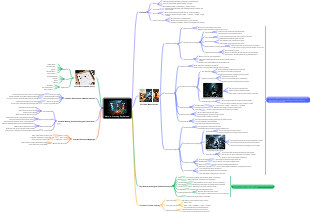
This mind map, titled Hero’s Journey Explained, provides a structured framework for applying Joseph Campbell’s mythological narrative model to storytelling. The mind map begins with the common 12-step structure, covering the three-act progression of Departure (Ordinary World, Call to Adventure, Refusal of the Call, Meeting the Mentor, Crossing the Threshold), Trials (Tests/Allies/Enemies, Approach, Ordeal, Reward), and Return (The Road Back, Resurrection, Return with the Elixir). Each step is detailed with narrative function, typical beats, and emotional dynamics. A practical guide to how to apply it to a story offers methods for adapting the 12-step structure to different story forms (novels, screenplays, game narratives). A quick checklist (diagnostic) helps creators assess whether each stage is effectively realized. Variations and flexible uses cover nonlinear journeys (skipping or reordering beats), ensemble journeys (distributing functions across multiple characters), non-literal “return” (internal transformation over physical return), and genre adaptations (adjusting emphasis for different genres). Character roles (archetypes) and their purpose analyze the narrative functions of hero, mentor, threshold guardian, herald, shapeshifter, shadow, ally, and trickster. Designed for screenwriters, novelists, game narrative designers, and creative writing students, this template offers a clear conceptual framework for structuring transformative character arcs.
Edited at 2026-03-20 01:45:36中国のDouyin(抖音)ECサイトにおけるユーザープロファイル分析を深掘りします。本分析では、ユーザー属性を年齢層(Z世代、ミレニアル世代、中壮年層、シルバー層)や都市ランクに基づいて層別化し、消費能力と購買行動を多角的に考察します。興味タグや関心事(美容、グルメ、テクノロジー、ライフスタイル)を明らかにし、ユーザーのアクティブ時間帯や購買動機を分析します。また、コンテンツ嗜好やスタイル、コンバージョンパス、短動画の企画方向性についても詳述し、効果的なマーケティング戦略を探ります

天猫美妆の「価格が高い」という異議に対処し、商品の価値を再構築するための戦略をご紹介します。まず、顧客の心理的障壁を取り除くために、価格への共感とフレーミングを行います。次に、商品の機能的価値と情緒的価値を最大化し、具体的な効果を可視化します。プロモーションによるお得感を強調し、会員特典や期間限定の希少性も活用します。最後に、リスクを払拭し、購入の緊急性を促すことで成約を促進します。このアプローチにより、顧客は価格以上の価値を実感できるでしょう
淘宝(Taobao)の検索流量転化漏斗分析では、効果的なマーケティング戦略を探るための重要なステージを紹介します。まず、検索露出ステージでは、キーワードマッチングやユーザー属性タグの最適化が鍵となります。次に、クリックスルーステージでは、視覚的な要素や価格戦略がクリック率に影響します。続いて、検討・関心ステージでは、商品詳細ページの説得力やユーザーレビューが重要です。最終的なコンバージョンステージでは、決済プロセスの心理的障壁を取り除く工夫が求められます。また、最適化ノードとフィードバック構造により、データ分析を活用した継続的な改善が可能です
中国のDouyin(抖音)ECサイトにおけるユーザープロファイル分析を深掘りします。本分析では、ユーザー属性を年齢層(Z世代、ミレニアル世代、中壮年層、シルバー層)や都市ランクに基づいて層別化し、消費能力と購買行動を多角的に考察します。興味タグや関心事(美容、グルメ、テクノロジー、ライフスタイル)を明らかにし、ユーザーのアクティブ時間帯や購買動機を分析します。また、コンテンツ嗜好やスタイル、コンバージョンパス、短動画の企画方向性についても詳述し、効果的なマーケティング戦略を探ります
天猫美妆の「価格が高い」という異議に対処し、商品の価値を再構築するための戦略をご紹介します。まず、顧客の心理的障壁を取り除くために、価格への共感とフレーミングを行います。次に、商品の機能的価値と情緒的価値を最大化し、具体的な効果を可視化します。プロモーションによるお得感を強調し、会員特典や期間限定の希少性も活用します。最後に、リスクを払拭し、購入の緊急性を促すことで成約を促進します。このアプローチにより、顧客は価格以上の価値を実感できるでしょう
淘宝(Taobao)の検索流量転化漏斗分析では、効果的なマーケティング戦略を探るための重要なステージを紹介します。まず、検索露出ステージでは、キーワードマッチングやユーザー属性タグの最適化が鍵となります。次に、クリックスルーステージでは、視覚的な要素や価格戦略がクリック率に影響します。続いて、検討・関心ステージでは、商品詳細ページの説得力やユーザーレビューが重要です。最終的なコンバージョンステージでは、決済プロセスの心理的障壁を取り除く工夫が求められます。また、最適化ノードとフィードバック構造により、データ分析を活用した継続的な改善が可能です
Hero's Journey Explained
Overview
Definition
A storytelling framework (monomyth) describing a protagonist’s transformative adventure
Popularized by Joseph Campbell; widely adapted in modern screenwriting and novels
Core Promise
The hero leaves the familiar world
Faces escalating challenges and inner conflict
Returns transformed, carrying change back to others
Why It Works
Mirrors psychological growth (fear → courage, ignorance → insight)
Provides a clear arc for stakes escalation and character development
Creates emotional payoff through sacrifice and earned change
The Three Macro-Phases
Departure (Leaving the Ordinary World)
Purpose
Disrupt the status quo and establish desire/need
Force a choice: remain safe or pursue the unknown
Typical Outcomes
Commitment to action
Crossing a point of no return
Trials (Initiation Through Conflict)
Purpose
Test competence, values, and identity
Increase stakes externally (threats) and internally (doubts/flaws)
Typical Outcomes
Skill acquisition, alliances, and deeper self-knowledge
Confrontation with the story’s core fear or lie
Transformation (Return With Change)
Purpose
The hero pays a price and earns a new self
The new self impacts the wider world
Typical Outcomes
Resolution of central conflict
Integration of lessons and restoration/reordering of life
A three-act arc that pushes the hero from comfort into pressure, then back with earned change that affects others.
Common 12-Step Structure (Detailed)
1) Ordinary World
Establish the hero’s baseline life, relationships, routine, and limitations
Show the “lack” (emotional wound, unmet need, moral weakness, or complacency)
Set thematic question (e.g., “What is courage?” “What does love require?”)
2) Call to Adventure
An inciting event disrupts normality (threat, opportunity, mystery, invitation)
Introduces the story goal (explicit or implied)
Raises stakes by showing consequences of inaction
3) Refusal of the Call
The hero hesitates due to fear, obligation, disbelief, or self-doubt
Clarifies what the hero risks losing and what they believe about themselves
Strengthens later commitment by making the choice meaningful
4) Meeting the Mentor
Mentor offers training, tools, perspective, or a moral compass
Can be a person, memory, book, AI, community, or hard-earned lesson
Mentor may be flawed or limited, prompting the hero to surpass them
5) Crossing the First Threshold
The hero commits and enters the Special World (new rules, dangers, culture)
Often includes a “threshold guardian” test (gatekeeper, rival, first battle)
Signals irreversible momentum
6) Tests, Allies, and Enemies
A sequence of challenges that teach the Special World’s rules
Allies appear (companions, guides, reluctant partners)
Enemies/rivals emerge and sharpen conflict
Subplots and team dynamics deepen theme and character contrasts
7) Approach to the Inmost Cave
The hero nears the story’s central danger (literal place or inner confrontation)
Planning, doubt, and tension rise; secrets are revealed
The “cave” often symbolizes the hero’s deepest fear or unresolved wound
8) Ordeal (The Central Crisis)
A major confrontation with death, loss, failure, or identity collapse
The hero’s old self is challenged or symbolically “dies”
Usually the midpoint-to-late turning point that makes retreat impossible
9) Reward (Seizing the Sword)
The hero gains something valuable (object, knowledge, ally, reconciliation)
Emotional relief may follow, but consequences loom
The reward often comes with moral complexity or hidden cost
10) The Road Back
A renewed push toward the ultimate goal; stakes accelerate
Antagonistic forces retaliate; time pressure increases
The hero chooses what kind of person they will be
11) Resurrection (Final Test)
Climactic trial proving transformation
The hero faces the greatest version of the threat—externally and internally
Requires applying the learned lesson under maximum pressure
12) Return with the Elixir
The hero returns to the Ordinary World (or builds a new one)
Brings “elixir”: healing, truth, freedom, technology, wisdom, justice, hope
Shows changed relationships, new equilibrium, and thematic resolution
Departure: What to Build and Clarify
Hero Setup
External want vs internal need
Want: concrete objective (win, escape, find, defeat)
Need: emotional/spiritual correction (trust, humility, self-worth)
Flaw and wound
Flaw causes misjudgments; wound explains why it exists
Values and boundaries
What the hero will/won’t do before the journey changes them
Stakes and Motivation
Personal stakes (identity, love, survival)
Social stakes (community, family, reputation)
Global/systemic stakes (world order, civilization, ecosystem)
Threshold Design
Clear “before/after” contrast between worlds
A decisive action that demonstrates agency
Trials: Designing Effective Tests
Types of Trials
Skill trials (learning new abilities, solving puzzles, strategy)
Moral trials (temptation, betrayal, choosing who to save)
Social trials (alliances, diplomacy, leadership, trust)
Psychological trials (fear, grief, shame, imposter syndrome)
Physical trials (combat, endurance, survival)
Escalation Principles
Increase cost of failure each time
Reduce easy options; narrow paths to success
Force trade-offs (success requires sacrifice)
Shift from external obstacles to internal ones
Allies and Enemies Functions
Allies
Reflect alternate responses to theme
Provide skills the hero lacks
Create conflict via incompatible goals
Enemies
Personify the hero’s shadow trait or opposing belief
Apply pressure that exposes the hero’s flaw
Grow more dangerous as the hero grows
The Ordeal as Turning Point
The hero’s “old strategy” fails decisively
A revelation reframes the mission or the self
The story’s emotional core surfaces (love, guilt, responsibility)
Transformation: Making Change Feel Earned
What “Transformation” Means
A new identity, belief, or moral stance
Integration of shadow aspects (fear acknowledged and managed)
Greater capacity for responsibility, intimacy, or sacrifice
Proving Change (Not Just Stating It)
Show behavior shifts under stress
Make the final choice echo earlier refusal—now answered differently
Demonstrate new competence and new compassion/clarity
The Return and the Elixir
Elixir types
Tangible: artifact, cure, treasure, evidence
Intangible: truth, forgiveness, peace, liberation, restored faith
Sharing vs withholding
The hero’s maturity is tested by what they do with the elixir
New equilibrium
The world is improved, or the hero creates a better “ordinary”
Character Roles (Archetypes) and Their Purpose
Hero
Drives action and embodies the theme through change
Mentor
Provides tools and perspective; may challenge or mislead
Threshold Guardian
Tests readiness; can become ally once respected
Herald
Delivers the call; signals impending change
Shapeshifter
Adds uncertainty; challenges trust and assumptions
Shadow (Antagonist)
Embodies the opposing force or the hero’s repressed aspect
Trickster
Disrupts, reveals hypocrisy, provides comic relief and insight
Archetypes are functions that apply pressure, deliver guidance, and mirror the hero’s internal conflict to drive change.
Variations and Flexible Uses
Non-Literal “Return”
The hero doesn’t go home; instead restores a community or finds a new home
Tragic or Pyrrhic Journeys
Transformation occurs, but at great cost or too late
Ensemble Journeys
Multiple heroes share steps; different characters carry different functions
Female and Non-Linear Journeys
Emphasis may shift toward relational transformation, healing, or cyclical return
Steps may repeat or loop as new truths emerge
Genre Adaptations
Mystery: “call” is the case; “ordeal” is the revelation; “elixir” is truth/justice
Romance: “special world” is intimacy; “ordeal” is rupture; “elixir” is commitment
Horror: “cave” is trauma; “resurrection” is survival with scars or hard wisdom
Practical Guide: How to Apply It to a Story
Step 1: Define Theme and the Hero’s Lie
Theme: what the story argues about life
Lie: what the hero wrongly believes (e.g., “I’m unlovable”)
Step 2: Map Want/Need to Plot Beats
Want drives external scenes; need drives internal turning points
Step 3: Place the Ordeal Where the Old Self Breaks
Ensure the crisis forces a new worldview, not just a bigger fight
Step 4: Design a Final Choice That Proves Change
The climax should require the learned lesson to succeed
Step 5: Make the Elixir Matter to Others
Show impact on relationships, community, or system—not only the hero
Quick Checklist (Diagnostic)
Departure
Is the Ordinary World clear and relatable?
Does the call threaten something the hero truly values?
Is the threshold a decisive commitment?
Trials
Do tests escalate in cost and complexity?
Are allies/enemies pressuring the hero’s flaw?
Does the ordeal change the hero’s strategy and identity?
Transformation
Does the climax demand the new self?
Is the return meaningful and visible?
Is the elixir shared in a way that resolves the theme?