Goals & Outcomes
Creative output
Quantity (publish cadence)
Quality (craft, originality)
Consistency (show up reliably)
Business impact (if applicable)
Well-being
Reduced stress/burnout risk
Align output, impact, and sustainability so productivity translates into durable creative momentum.
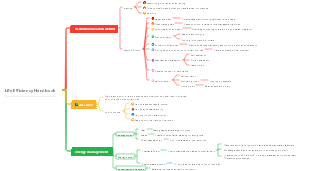
System Architecture (High Level)
Principles
Constraints create clarity
Core loops
Plan (weekly) → Execute (daily) → Review (weekly) → Improve (monthly)
Capture → Clarify → Organize → Do
Time Management (Scheduling the Work)
Planning horizons
Year/Quarter
Themes (e.g., “newsletter growth”, “course build”)
Major launches and milestones
Month
Content campaigns and deadlines
Capacity planning (available hours)
Week
Time blocks for deep work, admin, meetings
Calendar design
Fixed commitments
Recording/filming sessions
Community engagement windows
Time blocks
Deep work blocks (60–120 min)
Shallow work blocks (15–45 min)
Recovery blocks (walks, meals)
Buffers
Transition time (5–15 min)
“Overflow” catch-up blocks
Prioritization frameworks
80/20 analysis (high-leverage formats/topics)
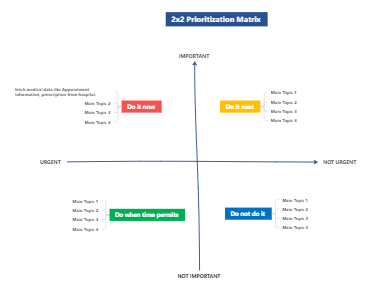
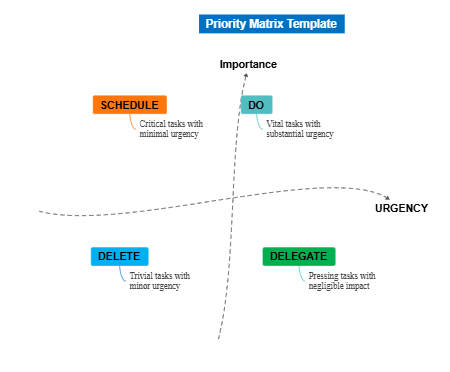
Eisenhower (urgent/important)
Constraint-based focus (one bottleneck at a time)
Focus methods
Pomodoro variants (25/5, 50/10, 90/20)
“Start ritual” to reduce activation energy
Time estimation & capacity
Time-tracking (lightweight)
Categories: create, edit, publish, market, admin, learn
Baseline throughput
Average minutes per deliverable type
Overcommitment guardrails
60–70% planned utilization
“No new projects mid-week” rule (optional)
Meetings & communication control
Office hours instead of ad-hoc calls
Async-first practices
Briefs, Loom videos, docs
Standard response windows
Energy Management (Managing the Creator’s Fuel)
Energy audit
Track energy levels (1–5) across day
Identify peak creative hours
Note energy drains (context switching, social media)
Daily rhythm design
Align deep creation with peak energy
Place admin tasks in low-energy windows
Protect morning or “prime” block
Recovery & rest
Sleep foundations
Light exposure management
Break strategies
Micro-breaks every 60–90 min
Active breaks (walk, stretch)
Weekly rest
1 full day off (or equivalent)
Deload weeks after launches
Physical foundations
Nutrition (stable blood sugar)
Protein + fiber breakfast
Movement
Strength training 2–3x/week (optional)
Mental & emotional energy
Stress regulation
Breathing, short meditation, journaling
Creative confidence
“Bad first draft” permission
Exposure therapy: publish imperfectly
Social energy boundaries
Comment moderation policies
Attention management
Information fasting blocks
“Create before consume” rule
Task Management (From Ideas to Deliverables)
Capture system
Idea inboxes
Notes app, voice memos, paper
Frictionless capture rules
Daily inbox zero (5–10 min)
Clarify & define work
Break down projects
Milestones → tasks → checklists
Reduce ambiguity
Examples, references, acceptance criteria
Organize structure
Task taxonomy
Projects (multi-step outcomes)
Areas (ongoing responsibilities)
Labels/tags
Content type (video, newsletter, podcast)
Stage (research, draft, edit, publish)
Execution workflows (Creator pipeline)
Content lifecycle
Research
Topic selection and angle
Source gathering and outlining
Draft/Script
Hook, structure, key points
Create/Record
Batch production sessions
Edit
First pass (structure) → polish (style)
Publish
Scheduling and QA checklist
Distribute
Repurpose into clips/posts/threads
Newsletter/community posts
Standard operating procedures (SOPs)
Asset checklist (files, backups)
Naming conventions and folder structure
Kanban / status board
Columns
Backlog → Ready → In Progress → Review → Scheduled/Published → Done
Work-in-progress limits
1–2 active creative projects
3–5 active tasks total (per person)
Delegation & leverage
Delegatable tasks
Editing, thumbnails, captions, scheduling
Research summaries, transcripts
Handoff packages
Brief, examples, constraints, deadline
Quality control
Feedback loops and style guide
Tool stack (optional)
Task manager (Notion/Trello/Asana)
Notes (Obsidian/Apple Notes)
Habit Formation (Making Productivity Automatic)
Habit design fundamentals
Identity-based habits (“I’m a consistent creator”)
Small start (2-minute rule)
Environment beats willpower
Keystone habits for creators
Daily creation session (even 20 minutes)
Exercise/sleep consistency
Habit building mechanics
Cue → routine → reward mapping
Habit stacking
After coffee → 10 min outline
After lunch → 15 min admin
Implementation intentions
If-then plans for obstacles
Tracking & reinforcement
Habit tracker (simple streaks)
Scorecard (process metrics)
Rewards
Immediate (tea, music, break)
Delayed (day off, purchase budget)
Breaking bad habits
Add friction
Log out, remove apps, grayscale
Replacement behaviors
Short walk instead of doomscroll
Environment design
“Ready-to-start” setup
Open template, mic set, outline ready
Visual cues
Whiteboard with weekly outcomes
Integrated Workflows (Putting the Pillars Together)
Weekly operating system
Weekly review (30–60 min)
Daily operating system
Morning (5–15 min)
Review calendar and top 1–3
Pick the “one thing” to ship progress
Execution blocks
Deep work first (if possible)
End-of-day (5–10 min)
Set tomorrow’s first task
Content batching strategy
Batch by mode
Research day, writing day, recording day, editing day
Batch by format
One long-form → many short-form
Batch by season
Record ahead for travel/holidays
Anti-burnout safeguards
Mandatory rest blocks after launches
“No creation after X pm” boundary (optional)
Metrics & Review (Measure What Matters)
Process metrics (leading indicators)
Cycle time per piece (idea → publish)
Output metrics
# published pieces per week/month
Quality metrics
Audience qualitative signals (comments, replies)
Performance metrics (lagging indicators)
Conversions (email signups, sales)
Review cadence
Weekly: adjust schedule and priorities
Monthly: refine systems, prune commitments
Quarterly: theme reset, strategic bets
Templates & Checklists (Reusable Assets)
Weekly planning template
Outcomes, blocks, constraints, risks
Daily plan template
Top 3, time boxes, first action
Content brief template
Audience, promise, angle, outline, CTA
Pre-publish checklist
QA, links, captions, thumbnail/title, scheduling
Post-publish review template
What worked, what didn’t, next experiment
Common Failure Modes & Fixes
Overplanning, underdoing
Cap planning time; commit to first action
Too many simultaneous projects
WIP limits; “finish before start”
Inconsistent energy
Rebuild sleep; shorten sessions; add recovery
Perfectionism
Versioning (v1 ship); deadlines; editor feedback
Distraction loops
Blockers; phone rules; create-before-consume
No clear niche/topic direction
Monthly experiments; keep winners, drop losers
Implementation Roadmap (Step-by-Step)
Week 1: Foundation
Set capture + inbox processing
Establish daily creation time block
Week 2: Pipeline
Build content workflow board
Create 2–3 SOP checklists
Week 3: Energy + rhythm
Adjust calendar and rest blocks
Week 4: Metrics + iteration
Remove one low-value commitment
Personalization (Make It Yours)
Creator type
Writer, video creator, podcaster, streamer, designer
Constraints
Day job hours, caregiving, travel
Preferred cadence
Daily short-form vs weekly long-form
Collaboration level
Solo → team-based (editor, VA)
Accessibility & sustainability
Pace aligned with health and life season
 Wondershare EdrawMind