MindMap Gallery Valero Energy SWOT Analysis
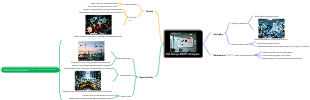
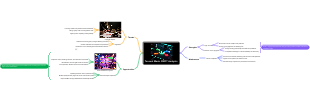
Explore the strengths and weaknesses of Valero Energy in our comprehensive SWOT analysis. This analysis delves into Valero's significant advantages, including its extensive refining capacity, cost efficiency, and strong market access, all of which bolster its operational flexibility. Additionally, we highlight the company's engagement in renewable energy and disciplined financial strategies. However, we also address key weaknesses such as high exposure to refining margin volatility, concentrated asset risks, and regulatory burdens. Geographic vulnerabilities and uncertainties in the renewable sector further challenge Valero's stability. This structured overview provides a clear understanding of Valero Energy's competitive landscape and potential risks.
Edited at 2026-03-25 14:44:19Mappa mentale per il piano di inserimento dei nuovi dipendenti nella prima settimana. Strutturata per giorni: Giorno 1 – benvenuto, configurazione strumenti, presentazione team. Secondo giorno – formazione su policy aziendali e obiettivi del ruolo. Terzo giorno – affiancamento e primi task guidati. Il quarto giorno – riunioni con dipartimenti chiave e feedback intermedio. Il quinto giorno – revisione settimanale, definizione obiettivi a breve termine e integrazione culturale.

Mappa mentale per l’analisi della formazione francese ai Mondiali 2026. Punti chiave: attacco stellare guidato da Mbappé, con triplice minaccia (profondità, taglio, sponda). Criticità: centrocampo poco creativo – la costruzione offensiva dipende dagli attaccanti che arretrano. Difesa solida (Upamecano, Saliba, Koundé). Portiere Maignan. Variabili: gestione infortuni e condizione fisica dei big. Ideale per scout, giornalisti e tifosi.
Mappa mentale per il piano di inserimento dei nuovi dipendenti nella prima settimana. Strutturata per giorni: Giorno 1 – benvenuto, configurazione strumenti, presentazione team. Secondo giorno – formazione su policy aziendali e obiettivi del ruolo. Terzo giorno – affiancamento e primi task guidati. Il quarto giorno – riunioni con dipartimenti chiave e feedback intermedio. Il quinto giorno – revisione settimanale, definizione obiettivi a breve termine e integrazione culturale.
Mappa mentale per l’analisi della formazione francese ai Mondiali 2026. Punti chiave: attacco stellare guidato da Mbappé, con triplice minaccia (profondità, taglio, sponda). Criticità: centrocampo poco creativo – la costruzione offensiva dipende dagli attaccanti che arretrano. Difesa solida (Upamecano, Saliba, Koundé). Portiere Maignan. Variabili: gestione infortuni e condizione fisica dei big. Ideale per scout, giornalisti e tifosi.
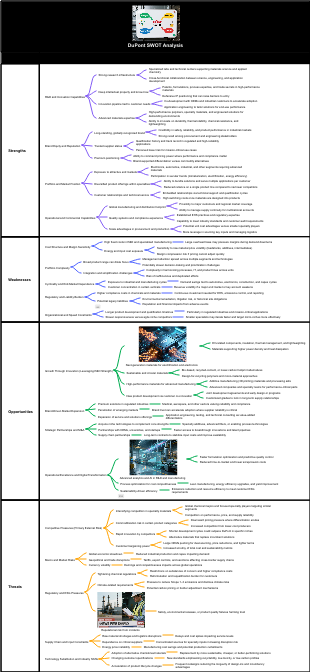
Valero Energy SWOT Analysis
Strengths
Scale & Asset Base
Large refining footprint with high total throughput capacity
Broad geographic presence (e.g., Gulf Coast concentration with access to export channels)
Diverse refinery configurations (incl. complex units that can process heavier/sour crudes)
Integrated logistics links (pipelines, terminals, docks) supporting throughput and flexibility
Cost Efficiency
Economies of scale in procurement, operations, and maintenance planning
Operational excellence programs (reliability, turnaround optimization, energy intensity reduction)
High utilization discipline during favorable margins; ability to idle/slow units when margins compress
Competitive feedstock sourcing and blending capabilities to lower per-barrel costs
Feedstock & Product Flexibility
Ability to run a range of crude slates based on price differentials and availability
Product mix optimization across gasoline, diesel, jet, and specialty products
Ability to capture regional and seasonal demand shifts through distribution reach
Market Access & Commercial Capabilities
Strong wholesale/industrial customer relationships and marketing channels
Export optionality to place refined products into global markets when domestic demand softens
Trading and risk management capabilities to support margin capture and inventory management
Renewable & Low-Carbon Optionality
Participation in renewable diesel and associated value chains (policy-driven demand)
Experience navigating compliance markets (e.g., RINs/LCFS mechanisms) and blending strategies
Financial & Capital Discipline
Track record of disciplined capital allocation (maintenance vs. growth investments)
Ability to return capital via dividends/buybacks when cash flows are strong
Liquidity access and scale supporting resilience through downcycles
Safety, Compliance, and Operational Expertise
Established safety systems and process safety management experience
Long operating history in regulated environments with permitting and compliance capabilities
Strengths concentrate in scale-driven cost position, operational flexibility, market access, and disciplined execution.
Weaknesses
High Exposure to Refining Margin Cyclicality
Earnings heavily tied to crack spreads and regional differentials
Limited structural insulation from macro demand swings compared with more integrated majors
Concentrated Asset Risk
Large portion of cash flow dependent on a finite set of refineries; outages can materially impact results
Turnaround timing can cluster maintenance costs and reduce near-term throughput
Regulatory and Environmental Cost Burden
Compliance costs for emissions controls, renewable blending mandates, and reporting
Potentially volatile costs associated with renewable identification credits (when applicable)
Carbon-Intensity Profile
Core refining operations are emissions-intensive, increasing reputational and policy risk
Higher future decarbonization capex needs relative to lower-carbon peers
Geographic/Weather Vulnerability
Gulf Coast exposure increases sensitivity to hurricanes, flooding, and power disruptions
Logistics disruptions (ports, waterways) can constrain crude supply and product evacuation
Dependence on External Feedstock Markets
No upstream production; reliant on crude sourcing and transport economics
Vulnerable to abrupt shifts in crude quality availability or transport bottlenecks
Renewable Business Uncertainties
Renewable fuels economics depend on policy incentives and feedstock costs
Ramp-up and operational learning curves can pressure near-term profitability
Weaknesses skew toward cyclicality, concentrated operational exposure, and rising carbon/regulatory constraints.
Opportunities
Optimization of Scale Advantages
Further debottlenecking and yield improvements using advanced process controls and analytics
Reliability upgrades to increase utilization and reduce unplanned downtime
Energy efficiency projects lowering variable costs and emissions simultaneously
Strategic Positioning in Renewables
Expand renewable diesel capacity or partnerships where policy support is durable
Secure advantaged renewable feedstocks and logistics to stabilize unit economics
Develop co-processing or SAF (sustainable aviation fuel) pathways as markets mature
Growing Export and Global Market Demand Pockets
Increase exports to regions with structural product deficits
Leverage marine access and storage to arbitrage global pricing differentials
Product Slate Shifts
Increase diesel/jet yield or specialty products where margins are structurally stronger
Capture petrochemical or specialty blending opportunities through selective investments
Digital and AI-Enabled Efficiency
Predictive maintenance to reduce downtime and extend equipment life
Real-time optimization for crude selection, blending, and scheduling
Supply-chain analytics to minimize inventory and maximize margin capture
Carbon Management and Compliance Monetization
Invest in carbon capture, hydrogen optimization, and flare reduction
Participate in credit markets where measurable reductions can create value
Portfolio Actions
Acquire or divest assets to improve complexity, location, and cost position
Expand midstream/logistics selectively to reduce bottlenecks and improve optionality
Threats
Market Volatility Risks (Core Threat)
Crack spread compression from oversupply, demand weakness, or refinery capacity additions
Rapid demand shocks (recessions, pandemics, behavioral shifts) reducing utilization and margins
Regional dislocations (e.g., inventory gluts) leading to sudden price/margin deterioration
Volatile crude differentials (WTI/Brent spreads, heavy-light spreads) impacting feedstock advantage
Regulatory and Policy Shifts
Stricter emissions rules increasing capex/opex and limiting operating flexibility
Changes to renewable fuel mandates or credit pricing that raise compliance costs
Carbon pricing or border adjustments affecting competitiveness of exports
Energy Transition and Demand Erosion
Long-term decline in gasoline demand due to EV adoption and efficiency standards
Accelerated electrification and modal shifts reducing refined product consumption
Potential asset stranding risk for less competitive or higher-emissions units
Competitive Pressures
Competition from newer, highly complex refineries with lower costs
International refiners with advantaged crude access and state support
Domestic capacity expansions or restarts intensifying margin competition
Operational and Safety Risks
Major incident risk (fires, explosions) leading to downtime, liabilities, and reputational damage
Aging equipment and infrastructure risks increasing maintenance intensity
Supply Chain and Logistics Disruptions
Pipeline constraints, port congestion, shipping disruptions, or sanctions affecting crude/product flows
Geopolitical shocks affecting crude availability, freight rates, and global pricing
Input Cost Inflation
Rising costs for labor, catalysts, chemicals, power, and maintenance services
Interest rate and financing cost impacts on large capital programs
Climate and Extreme Weather
Increased frequency/severity of hurricanes, heat waves, and floods disrupting operations
Water availability/quality constraints affecting cooling and processing in certain regions
Strategic Implications (SWOT Synthesis)
Use Scale Strengths to Manage Volatility
Prioritize high utilization and export optimization when margins are favorable
Preserve flexibility to reduce runs, shift product mix, and rebalance inventories in downturns
Deepen Cost Efficiency as a Durable Advantage
Focus on energy intensity reduction, reliability, and turnaround excellence
Standardize best practices across the fleet to lower per-barrel operating costs
Hedge Transition Risk via Selective Low-Carbon Growth
Invest in renewables and SAF pathways with robust policy support and advantaged feedstocks
Pursue emissions reductions that also improve operating efficiency (win-win projects)
Strengthen Resilience Against Weather and Disruptions
Hardening/backup power, flood protection, and logistics redundancy where economically justified
Enhance business continuity planning and diversified sourcing/evacuation routes
Maintain Capital Discipline Through the Cycle
Balance shareholder returns with reinvestment in reliability and compliance
Screen growth projects against downside margin scenarios and policy uncertainty