MindMap Gallery DuPont SWOT Analysis
Discover the strategic insights behind DuPont's business landscape through a comprehensive SWOT analysis. This analysis highlights DuPont's strengths, including robust R&D capabilities, strong brand equity, and a diversified product portfolio that positions it well in attractive markets. However, the company faces challenges such as high fixed costs, portfolio complexity, and exposure to market cyclicality. Delve into how DuPont leverages its innovation depth and global operational scale while addressing weaknesses to maintain its competitive edge in the specialty materials industry. Join us in exploring the dynamics that shape DuPont's future.
Edited at 2026-03-25 14:45:30Mappa mentale per il piano di inserimento dei nuovi dipendenti nella prima settimana. Strutturata per giorni: Giorno 1 – benvenuto, configurazione strumenti, presentazione team. Secondo giorno – formazione su policy aziendali e obiettivi del ruolo. Terzo giorno – affiancamento e primi task guidati. Il quarto giorno – riunioni con dipartimenti chiave e feedback intermedio. Il quinto giorno – revisione settimanale, definizione obiettivi a breve termine e integrazione culturale.

Mappa mentale per l’analisi della formazione francese ai Mondiali 2026. Punti chiave: attacco stellare guidato da Mbappé, con triplice minaccia (profondità, taglio, sponda). Criticità: centrocampo poco creativo – la costruzione offensiva dipende dagli attaccanti che arretrano. Difesa solida (Upamecano, Saliba, Koundé). Portiere Maignan. Variabili: gestione infortuni e condizione fisica dei big. Ideale per scout, giornalisti e tifosi.
Mappa mentale per il piano di inserimento dei nuovi dipendenti nella prima settimana. Strutturata per giorni: Giorno 1 – benvenuto, configurazione strumenti, presentazione team. Secondo giorno – formazione su policy aziendali e obiettivi del ruolo. Terzo giorno – affiancamento e primi task guidati. Il quarto giorno – riunioni con dipartimenti chiave e feedback intermedio. Il quinto giorno – revisione settimanale, definizione obiettivi a breve termine e integrazione culturale.
Mappa mentale per l’analisi della formazione francese ai Mondiali 2026. Punti chiave: attacco stellare guidato da Mbappé, con triplice minaccia (profondità, taglio, sponda). Criticità: centrocampo poco creativo – la costruzione offensiva dipende dagli attaccanti che arretrano. Difesa solida (Upamecano, Saliba, Koundé). Portiere Maignan. Variabili: gestione infortuni e condizione fisica dei big. Ideale per scout, giornalisti e tifosi.
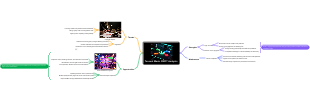
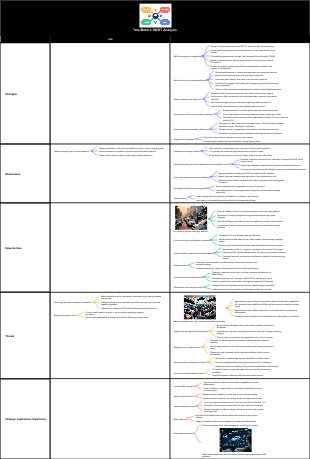
DuPont SWOT Analysis
Strengths
R&D and Innovation Capabilities
Strong research infrastructure
Specialized labs and technical centers supporting materials science and applied chemistry
Cross-functional collaboration between science, engineering, and application development
Deep intellectual property and know-how
Patents, formulations, process expertise, and trade secrets in high-performance materials
Defensive IP positioning that can raise barriers to entry
Innovation pipeline tied to customer needs
Co-development with OEMs and industrial customers to accelerate adoption
Application engineering to tailor solutions for end-use performance
Advanced materials expertise
High-performance polymers, specialty materials, and engineered solutions for demanding environments
Ability to innovate on durability, thermal stability, chemical resistance, and lightweighting
Brand Equity and Reputation
Long-standing, globally recognized brand
Credibility in safety, reliability, and product performance in industrial markets
Strong recall among procurement and engineering stakeholders
Trusted supplier status
Qualification history and track record in regulated and high-reliability applications
Perceived lower risk for mission-critical use cases
Premium positioning
Ability to command pricing power where performance and compliance matter
Brand-supported differentiation versus commodity alternatives
Portfolio and Market Position
Exposure to attractive end markets
Electronics, automotive, industrial, and other segments requiring advanced materials
Participation in secular trends (miniaturization, electrification, energy efficiency)
Diversified product offerings within specialties
Ability to bundle solutions and serve multiple applications per customer
Reduced reliance on a single product line compared to narrower competitors
Customer relationships and technical service
Embedded relationships via technical support and qualification cycles
High switching costs once materials are designed into products
Operational and Commercial Capabilities
Global manufacturing and distribution footprint
Proximity to major customers and regional market coverage
Ability to manage supply continuity for multinational accounts
Quality systems and compliance experience
Established EHS practices and regulatory expertise
Capability to meet industry standards and customer audit requirements
Scale advantages in procurement and production
Potential unit cost advantages versus smaller specialty players
More leverage in sourcing key inputs and managing logistics
Strengths center on innovation depth, trusted brand positioning, diversified specialty portfolio, and global operational scale.
Weaknesses
Cost Structure and Margin Sensitivity
High fixed costs in R&D and specialized manufacturing
Large overhead base may pressure margins during demand downturns
Energy and input cost exposure
Sensitivity to raw material price volatility (feedstocks, additives, intermediates)
Margin compression risk if pricing cannot adjust quickly
Portfolio Complexity
Broad product range can dilute focus
Management attention spread across multiple segments and technologies
Potentially slower decision-making and prioritization challenges
Integration and simplification challenges
Complexity in harmonizing processes, IT, and product lines across units
Risk of inefficiencies and duplicated efforts
Cyclicality and End-Market Dependence
Exposure to industrial and manufacturing cycles
Demand swings tied to automotive, electronics, construction, and capex cycles
Customer concentration in certain verticals
Revenue volatility if a major end market or key account weakens
Regulatory and Liability Burden
Higher compliance costs in chemicals and materials
Continuous investment needed for EHS, emissions control, and reporting
Potential legacy liabilities
Environmental remediation, litigation risk, or historical site obligations
Reputation and financial impacts from adverse events
Organizational and Speed Constraints
Longer product development and qualification timelines
Particularly in regulated industries and mission-critical applications
Slower responsiveness versus agile niche competitors
Smaller specialists may iterate faster and target micro-niches more effectively
Opportunities
Growth Through Innovation (Leveraging R&D Strength)
Next-generation materials for electrification and electronics
EV-related components, insulation, thermal management, and lightweighting
Materials supporting higher power density and heat dissipation
Sustainable and circular materials
Bio-based, recycled-content, or lower-carbon footprint alternatives
Design-for-recycling polymers and mono-material approaches
High-performance materials for advanced manufacturing
Additive manufacturing (3D printing) materials and processing aids
Advanced composites and specialty resins for performance-critical parts
New product development via customer co-innovation
Joint development agreements and early design-in programs
Customized grades to lock in long-term supply relationships
Brand-Driven Market Expansion
Premium solutions in regulated industries
Medical, aerospace, and other sectors valuing reliability and compliance
Penetration of emerging markets
Brand trust can accelerate adoption where supplier reliability is critical
Expansion of service and solutions offerings
Application engineering, testing, and technical consulting as value-added differentiators
Strategic Partnerships and M&A
Acquire niche technologies to complement core strengths
Specialty additives, advanced fillers, or enabling process technologies
Partnerships with OEMs, universities, and startups
Faster access to breakthrough innovations and talent pipelines
Supply chain partnerships
Long-term contracts to stabilize input costs and improve availability
Operational Excellence and Digital Transformation
Advanced analytics and AI in R&D and manufacturing
Faster formulation optimization and predictive quality control
Reduced time-to-market and lower scrap/rework costs
Process optimization for cost competitiveness
Lean manufacturing, energy efficiency upgrades, and yield improvement
Sustainability-driven efficiency
Emissions reduction and resource efficiency to meet customer ESG requirements
Opportunities emphasize electrification/electronics, circular materials, ecosystem partnerships, and digital/lean upgrades to expand premium value.
Threats
Competitive Pressures (Primary External Risk)
Intensifying competition in specialty materials
Global chemical majors and focused specialty players targeting similar segments
Competition on performance, price, and supply reliability
Commoditization risk in certain product categories
Downward pricing pressure where differentiation erodes
Increased competition from lower-cost producers
Rapid innovation by competitors
Shorter development cycles could outpace DuPont in specific niches
Alternative materials that replace incumbent solutions
Customer bargaining power
Large OEMs pushing for dual-sourcing, price reductions, and tighter terms
Increased scrutiny of total cost and sustainability metrics
Macro and Market Risks
Global economic slowdown
Reduced industrial production and capex impacting demand
Geopolitical and trade disruptions
Tariffs, export controls, and sanctions affecting cross-border supply chains
Currency volatility
Earnings and competitiveness impacts across global operations
Regulatory and ESG Pressures
Tightening chemical regulations
Restrictions on substances of concern and higher compliance costs
Reformulation and requalification burden for customers
Climate-related requirements
Pressure to reduce Scope 1–3 emissions and disclose climate risks
Potential carbon pricing or border adjustment mechanisms
Reputational risk from incidents
Safety, environmental releases, or product quality failures harming trust
Supply Chain and Input Constraints
Raw material shortages and logistics disruptions
Delays and cost spikes impacting service levels
Dependence on critical suppliers
Concentrated sources for specialty inputs increasing disruption risk
Energy price instability
Manufacturing cost swings and potential production curtailments
Technology Substitution and Industry Shifts
Adoption of alternative chemistries/materials
Replacement by more sustainable, cheaper, or better-performing solutions
Changing customer specifications
New standards emphasizing recyclability, low-toxicity, or low-carbon profiles
Acceleration of product lifecycle changes
Frequent redesigns reducing the longevity of design-ins and incumbency advantages