MindMap Gallery CVS Health Organizational Chart
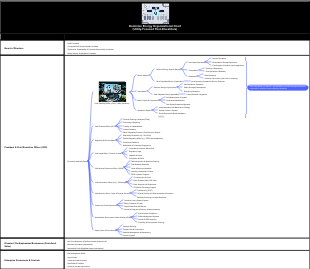
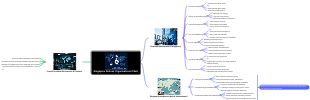
Discover the intricate structure of CVS Health through its comprehensive organizational chart, showcasing the key leadership and governance that drive the company. At the top, the Board of Directors oversees various committees focused on audit, compensation, governance, finance, and public policy. The Executive Leadership team, led by the CEO, encompasses diverse functions including finance, operations, legal, human resources, information technology, compliance, risk management, and communications. Additionally, the Retail Division plays a crucial role in store operations and consumer health. This structured hierarchy enables CVS Health to effectively manage its vast array of services and maintain its commitment to healthcare excellence.
Edited at 2026-03-25 14:54:10This strategic SWOT analysis explores how Aeon can navigate the competitive online landscape, highlighting strengths, weaknesses, opportunities, and threats. Strengths include strong brand recognition (trusted Japanese heritage, quality), omnichannel capabilities (stores + online + mall integration), customer loyalty programs (Aeon Card, points, member pricing), and physical footprint (extensive store network for pickup/returns). Weaknesses encompass digital maturity gaps (e-commerce penetration, app functionality, personalization vs. Amazon, Alibaba), cost structure challenges (store-heavy, real estate, labor), and supply chain complexity (fresh food, frozen logistics for online). Opportunities include enhancing e-commerce competitiveness (faster delivery, wider assortment, lower minimum order), leveraging data-driven strategies (purchase history, personalized offers, inventory optimization), expanding omnichannel integration (buy online pick up in store, ship from store), and private label growth (Topvalu, localized brands). Threats involve online-first players (Amazon, Alibaba, Sea Limited) with lower costs, wider selection, faster delivery, market dynamics (changing consumer behavior post-COVID, discount competitors), and regulatory risks (data privacy, cross-border e-commerce rules). Aeon can strengthen market position by investing in digital capabilities, leveraging store assets for omnichannel, and using customer data for personalization, while addressing cost structure and online competition.

This analysis explores how Aeon effectively tailors offerings to meet the diverse needs of family-oriented consumers through a comprehensive Segmentation, Targeting, and Positioning (STP) framework. Demographic segmentation examines family life stages (young families with babies, school-aged children, teenagers, empty nesters), household sizes (small vs. large), income levels (mass, premium), and parent age bands (millennials, Gen X). This identifies distinct consumer groups with different spending patterns. Geographic segmentation highlights store catchment types (urban, suburban, rural), community characteristics (density, income, competition), and local preferences (fresh food, halal, Japanese products). Psychographic segmentation delves into family values (health, safety, education, convenience), lifestyle orientations (busy professionals, home-centered, eco-conscious). Behavioral segmentation focuses on shopping missions (daily grocery, weekly stock-up, seasonal shopping), price sensitivity (value seekers, premium), channel preferences (in-store, online, pickup). Needs-based segmentation reveals core family needs related to value (good-better-best pricing), budget considerations (affordability, promotions, member pricing), safety (food quality, product recall), convenience (one-stop shopping, parking, store hours). Targeting prioritizes young families with school-aged children, budget-conscious households, and convenience-seeking shoppers. Positioning emphasizes Aeon as a family-friendly, value-for-money, one-stop destination with Japanese quality and local relevance. These insights enhance family shopping experiences through tailored assortments (kids’ products, school supplies), promotions (family bundles, weekend events), and services (nursing rooms, kids’ play areas).
This Kream Sneaker Consumption Scene Analysis Template aims to visualize purchasing and consumption journeys of sneakers, identifying key demand drivers and obstacles. User behavior within Kream includes searching, bidding, buying, selling, authentication, and community engagement. External influences include brand drops (Nike, Adidas), social media (Instagram, TikTok), influencer hype, and cultural trends. Target categories: limited editions, collaborations, retro releases, performance sneakers, and general releases. Timeframes: launch day, first week, first month, long-term (seasonal, yearly). Regions: North America, Europe, Asia (Korea, China, Japan). User segments: Collectors: value rarity, condition, completeness (box, accessories). KPIs: collection size, spend, authentication rate. Resellers: value profit margin, volume, turnover. KPIs: sell-through rate, average profit, listing frequency. Sneakerheads: value hype, trends, community validation. KPIs: purchase frequency, social engagement, wishlist adds. Casual trend followers: value style, convenience, price. KPIs: conversion rate, average order value, repeat purchases. Gift purchasers: value ease, presentation, brand trust. KPIs: gift message usage, return rate. Consumption journey: Awareness: social media, email, push notifications. Search: browse, filter, search by brand, model, size. Purchase: bid, buy now, payment, shipping. Authentication: inspection, verification, certification. Resale: list, price, sell, transfer. Sharing: review, unboxing, social post, community discussion. Key performance indicators: conversion rate, sell-through rate, average order value, customer lifetime value, authentication pass rate, return rate, Net Promoter Score. This framework helps understand sneaker trading dynamics, user motivations, and touchpoints for engagement and satisfaction.
This strategic SWOT analysis explores how Aeon can navigate the competitive online landscape, highlighting strengths, weaknesses, opportunities, and threats. Strengths include strong brand recognition (trusted Japanese heritage, quality), omnichannel capabilities (stores + online + mall integration), customer loyalty programs (Aeon Card, points, member pricing), and physical footprint (extensive store network for pickup/returns). Weaknesses encompass digital maturity gaps (e-commerce penetration, app functionality, personalization vs. Amazon, Alibaba), cost structure challenges (store-heavy, real estate, labor), and supply chain complexity (fresh food, frozen logistics for online). Opportunities include enhancing e-commerce competitiveness (faster delivery, wider assortment, lower minimum order), leveraging data-driven strategies (purchase history, personalized offers, inventory optimization), expanding omnichannel integration (buy online pick up in store, ship from store), and private label growth (Topvalu, localized brands). Threats involve online-first players (Amazon, Alibaba, Sea Limited) with lower costs, wider selection, faster delivery, market dynamics (changing consumer behavior post-COVID, discount competitors), and regulatory risks (data privacy, cross-border e-commerce rules). Aeon can strengthen market position by investing in digital capabilities, leveraging store assets for omnichannel, and using customer data for personalization, while addressing cost structure and online competition.
This analysis explores how Aeon effectively tailors offerings to meet the diverse needs of family-oriented consumers through a comprehensive Segmentation, Targeting, and Positioning (STP) framework. Demographic segmentation examines family life stages (young families with babies, school-aged children, teenagers, empty nesters), household sizes (small vs. large), income levels (mass, premium), and parent age bands (millennials, Gen X). This identifies distinct consumer groups with different spending patterns. Geographic segmentation highlights store catchment types (urban, suburban, rural), community characteristics (density, income, competition), and local preferences (fresh food, halal, Japanese products). Psychographic segmentation delves into family values (health, safety, education, convenience), lifestyle orientations (busy professionals, home-centered, eco-conscious). Behavioral segmentation focuses on shopping missions (daily grocery, weekly stock-up, seasonal shopping), price sensitivity (value seekers, premium), channel preferences (in-store, online, pickup). Needs-based segmentation reveals core family needs related to value (good-better-best pricing), budget considerations (affordability, promotions, member pricing), safety (food quality, product recall), convenience (one-stop shopping, parking, store hours). Targeting prioritizes young families with school-aged children, budget-conscious households, and convenience-seeking shoppers. Positioning emphasizes Aeon as a family-friendly, value-for-money, one-stop destination with Japanese quality and local relevance. These insights enhance family shopping experiences through tailored assortments (kids’ products, school supplies), promotions (family bundles, weekend events), and services (nursing rooms, kids’ play areas).
This Kream Sneaker Consumption Scene Analysis Template aims to visualize purchasing and consumption journeys of sneakers, identifying key demand drivers and obstacles. User behavior within Kream includes searching, bidding, buying, selling, authentication, and community engagement. External influences include brand drops (Nike, Adidas), social media (Instagram, TikTok), influencer hype, and cultural trends. Target categories: limited editions, collaborations, retro releases, performance sneakers, and general releases. Timeframes: launch day, first week, first month, long-term (seasonal, yearly). Regions: North America, Europe, Asia (Korea, China, Japan). User segments: Collectors: value rarity, condition, completeness (box, accessories). KPIs: collection size, spend, authentication rate. Resellers: value profit margin, volume, turnover. KPIs: sell-through rate, average profit, listing frequency. Sneakerheads: value hype, trends, community validation. KPIs: purchase frequency, social engagement, wishlist adds. Casual trend followers: value style, convenience, price. KPIs: conversion rate, average order value, repeat purchases. Gift purchasers: value ease, presentation, brand trust. KPIs: gift message usage, return rate. Consumption journey: Awareness: social media, email, push notifications. Search: browse, filter, search by brand, model, size. Purchase: bid, buy now, payment, shipping. Authentication: inspection, verification, certification. Resale: list, price, sell, transfer. Sharing: review, unboxing, social post, community discussion. Key performance indicators: conversion rate, sell-through rate, average order value, customer lifetime value, authentication pass rate, return rate, Net Promoter Score. This framework helps understand sneaker trading dynamics, user motivations, and touchpoints for engagement and satisfaction.
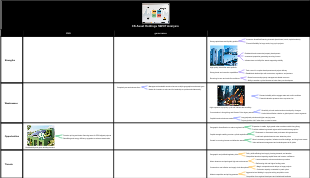
CVS Health SWOT Analysis
Strengths
Diversified, integrated healthcare model
Combination of retail pharmacy, PBM, health insurance, and clinical services
Coordinates benefits, pharmacy, and care delivery to improve outcomes and reduce total cost of care
Multiple revenue streams that offset weakness in any single segment
Scaled national footprint and brand recognition
Large retail presence enabling convenient access and high customer visibility
Broad membership/patient reach across commercial, Medicare, and Medicaid
Strong negotiating leverage due to size and volume
Strong PBM capabilities (Caremark)
Formulary, utilization management, and rebate negotiation expertise
Drives adherence and manages specialty pharmacy growth
Pharmacy + claims data assets enabling analytics-driven interventions
Insurance platform and clinical integration (Aetna)
Risk management and underwriting capabilities
Enables value-based care arrangements and tighter provider collaboration
Designs benefits steering to lower-cost, higher-quality settings
Expanding care delivery assets (retail clinics, home/virtual care, provider assets)
Convenient, lower-acuity sites reducing ER/urgent care utilization
Greater capacity for chronic care management and preventive services
Omnichannel access (in-person, digital, home-based) supporting engagement
Strong cash flow generation potential
Recurring demand for pharmacy and healthcare services
Funds technology investment, acquisitions, and debt reduction
Scale-driven efficiencies in procurement and operations
Deep healthcare data and analytics
Identifies care gaps, high-risk members, and adherence issues
Supports population health management and targeted interventions
Enhances clinical programs and reduces medical costs
Customer access and engagement channels
Frequent retail touchpoints for ongoing interactions
Digital tools, apps, and loyalty programs supporting retention
Pharmacy teams influencing adherence and preventive care uptake
Vertically integrated assets (PBM + insurer + retail + care delivery) plus scale/data create coordination, leverage, and cash-flow advantages.
Weaknesses
Complexity from operating multiple large businesses
Coordination challenges across insurance, PBM, retail, and provider operations
Risk of siloed incentives and slower decision-making
Execution risk integrating acquisitions and aligning strategies
Regulatory and public scrutiny of PBM practices
Perception issues around pricing transparency, rebates, and spread pricing
Increased compliance and reporting burden
Constraints on business model flexibility
Margin pressure in retail pharmacy
Reimbursement compression and intense price competition
Higher labor and operating costs in stores
Store traffic sensitivity to consumer behavior and front-of-store shifts
Exposure to drug pricing dynamics and specialty pharmacy trends
Spend concentration in high-cost specialty medications
Volatility from manufacturer pricing decisions and pipeline shifts
Ongoing investment needs in specialty distribution and patient support
Integration and performance challenges in care delivery expansion
Hard to standardize clinical workflows across sites/providers
Staffing shortages and wage inflation impacting clinics/services
Risk of synergy shortfalls vs acquisition expectations
Reputational risk in healthcare affordability debates
Perception of intermediaries contributing to high costs
Heightened attention from policymakers, media, and consumers
Technology and legacy system constraints
Modernization required for seamless member/patient experiences
Data interoperability hurdles across units and providers
Growing cybersecurity risk with expanding digital footprint
Opportunities
Growth in value-based care and population health
Expand risk-based contracts and accountable care arrangements
Use integrated data to reduce avoidable utilization and improve quality scores
Build care management for high-cost, high-need members
Expansion of primary care and chronic disease management
Build longitudinal relationships via primary care models
Scale diabetes, cardiovascular, COPD, and behavioral health services
Integrate medication management with clinical care plans
Specialty pharmacy and complex care services
Enhance patient support, adherence programs, outcomes tracking
Partner with manufacturers for distribution and patient services
End-to-end support for rare disease and gene therapy logistics
Medicare Advantage and aging population demand
Tailored plans and supplemental benefits aligned to seniors’ needs
In-home assessments, home delivery, and caregiver support
Improve star ratings and retention via clinical assets
Home-based and virtual care scaling
Improve access for rural and mobility-limited populations
Reduce costs via site-of-care shifts
Combine remote monitoring with pharmacy and care management
Employer and payer demand for cost containment and transparency
Integrated offers combining benefits, PBM, and care navigation
More transparent pricing models and point-of-sale options
Outcomes-based contracting and stronger program measurement
Data-driven personalization and AI-enabled efficiency
Predict rising-risk members earlier with predictive models
Automate admin tasks; optimize call center/pharmacy workflows
Personalized adherence nudges and care recommendations
Retail footprint optimization and new service offerings
Convert underperforming space into healthcare service hubs
Expand immunizations, screenings, and diagnostics
Community partnerships addressing social determinants of health
Strategic partnerships with health systems and providers
Co-develop care pathways, referral networks, shared-savings models
Improve network performance and patient experience
Build credibility and reduce friction with local providers
Threats
Intensifying competition across healthcare and pharmacy
PBMs, insurers, and other integrated players competing on price/services
Big-box, online pharmacies, and delivery-first models pressuring retail traffic
Provider-led or payer-provider combinations disintermediating middlemen
Regulatory reform targeting PBMs and drug pricing
Limits on rebates, spread pricing, and formulary practices
Price transparency mandates and reporting requirements
Profitability risk or forced business model changes
Reimbursement pressure from government programs and payers
Medicare/Medicaid rate changes squeezing margins
More audits, compliance costs, and payment integrity actions
Commercial payer pushback on pricing and networks
Medical cost inflation and utilization spikes
Hospital price increases, high-cost drugs, advanced therapies
Volatile utilization impacting insurance profitability
Behavioral health and chronic disease trends raising spend
Labor shortages and wage inflation
Hiring/retaining pharmacists, technicians, nurses, clinicians
Higher operating costs and service disruption risk
Unionization activity and workforce dissatisfaction
Cybersecurity and data privacy risks
Large datasets spanning claims, pharmacy, and clinical records increase exposure
Operational disruption, regulatory penalties, reputational damage risk
Increasing sophistication of healthcare-focused attacks
Legal risks and litigation
Opioid litigation exposure and ongoing compliance obligations
Class actions/disputes on pricing, network access, reimbursement
Contracting disputes with employers, payers, manufacturers, providers
Shifts in consumer behavior and channel migration
Growth of mail-order, digital-first pharmacy, subscription models
Reduced front-of-store purchases hurting retail economics
Higher expectations for convenience, transparency, digital experience
Macroeconomic and capital market pressures
Interest rate/refinancing risk affecting debt service
Downturns shifting enrollment mix and employer benefits
Lower discretionary spend reducing non-pharmacy sales