MindMap Gallery Zurich Insurance Organizational Chart
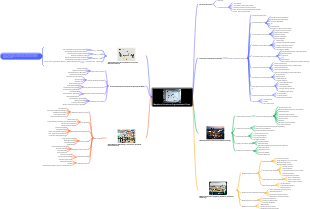
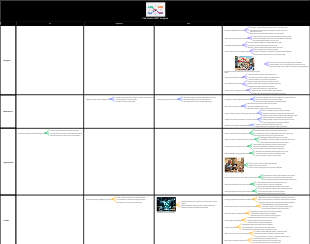
Discover the intricate structure of Zurich Insurance, a leader in the insurance industry. At the helm is the Board of Directors, overseeing key committees focused on audit, risk, governance, remuneration, and investment. Their primary responsibilities include strategy approval and governance oversight. The Group Executive Committee, led by the Group CEO, encompasses various roles from finance and risk management to technology and human resources. Each division, such as the Commercial Insurance Division, serves distinct markets, offering tailored underwriting solutions for large corporate and mid-market clients. Explore how Zurich Insurance integrates comprehensive risk management and innovative strategies to meet diverse client needs.
Edited at 2026-03-26 01:22:41This strategic SWOT analysis explores how Aeon can navigate the competitive online landscape, highlighting strengths, weaknesses, opportunities, and threats. Strengths include strong brand recognition (trusted Japanese heritage, quality), omnichannel capabilities (stores + online + mall integration), customer loyalty programs (Aeon Card, points, member pricing), and physical footprint (extensive store network for pickup/returns). Weaknesses encompass digital maturity gaps (e-commerce penetration, app functionality, personalization vs. Amazon, Alibaba), cost structure challenges (store-heavy, real estate, labor), and supply chain complexity (fresh food, frozen logistics for online). Opportunities include enhancing e-commerce competitiveness (faster delivery, wider assortment, lower minimum order), leveraging data-driven strategies (purchase history, personalized offers, inventory optimization), expanding omnichannel integration (buy online pick up in store, ship from store), and private label growth (Topvalu, localized brands). Threats involve online-first players (Amazon, Alibaba, Sea Limited) with lower costs, wider selection, faster delivery, market dynamics (changing consumer behavior post-COVID, discount competitors), and regulatory risks (data privacy, cross-border e-commerce rules). Aeon can strengthen market position by investing in digital capabilities, leveraging store assets for omnichannel, and using customer data for personalization, while addressing cost structure and online competition.

This analysis explores how Aeon effectively tailors offerings to meet the diverse needs of family-oriented consumers through a comprehensive Segmentation, Targeting, and Positioning (STP) framework. Demographic segmentation examines family life stages (young families with babies, school-aged children, teenagers, empty nesters), household sizes (small vs. large), income levels (mass, premium), and parent age bands (millennials, Gen X). This identifies distinct consumer groups with different spending patterns. Geographic segmentation highlights store catchment types (urban, suburban, rural), community characteristics (density, income, competition), and local preferences (fresh food, halal, Japanese products). Psychographic segmentation delves into family values (health, safety, education, convenience), lifestyle orientations (busy professionals, home-centered, eco-conscious). Behavioral segmentation focuses on shopping missions (daily grocery, weekly stock-up, seasonal shopping), price sensitivity (value seekers, premium), channel preferences (in-store, online, pickup). Needs-based segmentation reveals core family needs related to value (good-better-best pricing), budget considerations (affordability, promotions, member pricing), safety (food quality, product recall), convenience (one-stop shopping, parking, store hours). Targeting prioritizes young families with school-aged children, budget-conscious households, and convenience-seeking shoppers. Positioning emphasizes Aeon as a family-friendly, value-for-money, one-stop destination with Japanese quality and local relevance. These insights enhance family shopping experiences through tailored assortments (kids’ products, school supplies), promotions (family bundles, weekend events), and services (nursing rooms, kids’ play areas).
This Kream Sneaker Consumption Scene Analysis Template aims to visualize purchasing and consumption journeys of sneakers, identifying key demand drivers and obstacles. User behavior within Kream includes searching, bidding, buying, selling, authentication, and community engagement. External influences include brand drops (Nike, Adidas), social media (Instagram, TikTok), influencer hype, and cultural trends. Target categories: limited editions, collaborations, retro releases, performance sneakers, and general releases. Timeframes: launch day, first week, first month, long-term (seasonal, yearly). Regions: North America, Europe, Asia (Korea, China, Japan). User segments: Collectors: value rarity, condition, completeness (box, accessories). KPIs: collection size, spend, authentication rate. Resellers: value profit margin, volume, turnover. KPIs: sell-through rate, average profit, listing frequency. Sneakerheads: value hype, trends, community validation. KPIs: purchase frequency, social engagement, wishlist adds. Casual trend followers: value style, convenience, price. KPIs: conversion rate, average order value, repeat purchases. Gift purchasers: value ease, presentation, brand trust. KPIs: gift message usage, return rate. Consumption journey: Awareness: social media, email, push notifications. Search: browse, filter, search by brand, model, size. Purchase: bid, buy now, payment, shipping. Authentication: inspection, verification, certification. Resale: list, price, sell, transfer. Sharing: review, unboxing, social post, community discussion. Key performance indicators: conversion rate, sell-through rate, average order value, customer lifetime value, authentication pass rate, return rate, Net Promoter Score. This framework helps understand sneaker trading dynamics, user motivations, and touchpoints for engagement and satisfaction.
This strategic SWOT analysis explores how Aeon can navigate the competitive online landscape, highlighting strengths, weaknesses, opportunities, and threats. Strengths include strong brand recognition (trusted Japanese heritage, quality), omnichannel capabilities (stores + online + mall integration), customer loyalty programs (Aeon Card, points, member pricing), and physical footprint (extensive store network for pickup/returns). Weaknesses encompass digital maturity gaps (e-commerce penetration, app functionality, personalization vs. Amazon, Alibaba), cost structure challenges (store-heavy, real estate, labor), and supply chain complexity (fresh food, frozen logistics for online). Opportunities include enhancing e-commerce competitiveness (faster delivery, wider assortment, lower minimum order), leveraging data-driven strategies (purchase history, personalized offers, inventory optimization), expanding omnichannel integration (buy online pick up in store, ship from store), and private label growth (Topvalu, localized brands). Threats involve online-first players (Amazon, Alibaba, Sea Limited) with lower costs, wider selection, faster delivery, market dynamics (changing consumer behavior post-COVID, discount competitors), and regulatory risks (data privacy, cross-border e-commerce rules). Aeon can strengthen market position by investing in digital capabilities, leveraging store assets for omnichannel, and using customer data for personalization, while addressing cost structure and online competition.
This analysis explores how Aeon effectively tailors offerings to meet the diverse needs of family-oriented consumers through a comprehensive Segmentation, Targeting, and Positioning (STP) framework. Demographic segmentation examines family life stages (young families with babies, school-aged children, teenagers, empty nesters), household sizes (small vs. large), income levels (mass, premium), and parent age bands (millennials, Gen X). This identifies distinct consumer groups with different spending patterns. Geographic segmentation highlights store catchment types (urban, suburban, rural), community characteristics (density, income, competition), and local preferences (fresh food, halal, Japanese products). Psychographic segmentation delves into family values (health, safety, education, convenience), lifestyle orientations (busy professionals, home-centered, eco-conscious). Behavioral segmentation focuses on shopping missions (daily grocery, weekly stock-up, seasonal shopping), price sensitivity (value seekers, premium), channel preferences (in-store, online, pickup). Needs-based segmentation reveals core family needs related to value (good-better-best pricing), budget considerations (affordability, promotions, member pricing), safety (food quality, product recall), convenience (one-stop shopping, parking, store hours). Targeting prioritizes young families with school-aged children, budget-conscious households, and convenience-seeking shoppers. Positioning emphasizes Aeon as a family-friendly, value-for-money, one-stop destination with Japanese quality and local relevance. These insights enhance family shopping experiences through tailored assortments (kids’ products, school supplies), promotions (family bundles, weekend events), and services (nursing rooms, kids’ play areas).
This Kream Sneaker Consumption Scene Analysis Template aims to visualize purchasing and consumption journeys of sneakers, identifying key demand drivers and obstacles. User behavior within Kream includes searching, bidding, buying, selling, authentication, and community engagement. External influences include brand drops (Nike, Adidas), social media (Instagram, TikTok), influencer hype, and cultural trends. Target categories: limited editions, collaborations, retro releases, performance sneakers, and general releases. Timeframes: launch day, first week, first month, long-term (seasonal, yearly). Regions: North America, Europe, Asia (Korea, China, Japan). User segments: Collectors: value rarity, condition, completeness (box, accessories). KPIs: collection size, spend, authentication rate. Resellers: value profit margin, volume, turnover. KPIs: sell-through rate, average profit, listing frequency. Sneakerheads: value hype, trends, community validation. KPIs: purchase frequency, social engagement, wishlist adds. Casual trend followers: value style, convenience, price. KPIs: conversion rate, average order value, repeat purchases. Gift purchasers: value ease, presentation, brand trust. KPIs: gift message usage, return rate. Consumption journey: Awareness: social media, email, push notifications. Search: browse, filter, search by brand, model, size. Purchase: bid, buy now, payment, shipping. Authentication: inspection, verification, certification. Resale: list, price, sell, transfer. Sharing: review, unboxing, social post, community discussion. Key performance indicators: conversion rate, sell-through rate, average order value, customer lifetime value, authentication pass rate, return rate, Net Promoter Score. This framework helps understand sneaker trading dynamics, user motivations, and touchpoints for engagement and satisfaction.
Zurich Insurance Organizational Chart
Board of Directors
Board Chair
Board Committees
Audit Committee
Risk Committee
Nomination & Governance Committee
Remuneration Committee
Investment Committee
Key Responsibilities
Approves strategy and risk appetite
Oversees governance, controls, and capital management
Appoints and evaluates Group Executive Committee
Group Executive Committee (Group Management)
Group Chief Executive Officer (Group CEO)
Group Strategy & Business Management
Group Transformation & Change
Corporate Affairs & Communications
Group Chief Financial Officer (Group CFO)
Group Finance (Reporting & Control)
Treasury & Capital Management
Tax
Investor Relations
Financial Planning & Analysis (FP&A)
Group Chief Risk Officer (Group CRO)
Enterprise Risk Management (ERM)
Underwriting Risk Governance
Market & Credit Risk
Operational & Conduct Risk
Risk Analytics & Stress Testing
Group Chief Investment Officer (Group CIO)
Asset Allocation & Portfolio Management
Investment Risk & Performance
External Manager Oversight
Real Assets & Alternatives
Group Chief Operating Officer (Group COO)
Shared Services & Operations
Process Excellence & Automation
Service Quality & Customer Operations
Procurement & Vendor Management
Group Chief Information Officer / Chief Technology Officer (CIO/CTO)
IT Strategy & Enterprise Architecture
Infrastructure & Cloud Platforms
Software Engineering & Delivery
Data Platforms & Integration
IT Service Management
Group Chief Information Security Officer (CISO)
Cybersecurity Strategy & Governance
Security Operations Center (SOC)
Identity & Access Management
Security Risk & Compliance
Incident Response & Resilience
Group Chief Compliance Officer
Regulatory Affairs
Compliance Monitoring & Testing
Financial Crime (AML/CTF, Sanctions)
Policy Management & Training
Group General Counsel (Legal)
Corporate & Commercial Legal
Claims & Litigation Oversight
Legal Entity Governance
Intellectual Property & Contracting Standards
Group Chief Human Resources Officer (CHRO)
Talent Acquisition & Workforce Planning
Learning & Leadership Development
Compensation & Benefits
Employee Relations & Culture
Diversity, Equity & Inclusion
Group Chief Sustainability Officer / ESG Lead
Climate Strategy & Net-Zero Roadmap
Sustainable Underwriting & Investments
ESG Reporting & Disclosures
Social Impact & Community Programs
Business Divisions
Commercial Insurance Division (B2B)
Purpose & Scope
Large corporate and mid-market clients
Global, regional, and local commercial coverage
Core Functions
Underwriting
Industry & Segment Underwriting
Financial Institutions
Construction & Engineering
Energy & Power
Manufacturing
Technology & Media
Transportation & Logistics
Real Estate & Hospitality
Public Sector & Education
Specialty Lines
Property (Commercial)
Casualty / General Liability
Professional Indemnity / E&O
Directors & Officers (D&O)
Marine (Cargo, Hull)
Aviation
Trade Credit & Surety
Political Risk
Cyber (Commercial)
Accident & Health (Group)
Pricing & Portfolio Management
Rate adequacy and profitability monitoring
Exposure aggregation and accumulation control
Underwriting guidelines and authority levels
Distribution & Client Management
Broker & Partner Management
Global Accounts / Multinational Programs
Client Relationship Management (CRM)
Business Development & Sales Enablement
Risk Engineering & Loss Prevention
Site surveys and risk improvement plans
Catastrophe risk mitigation
Business continuity advisory
Commercial Claims
Claims Operations (Property & Casualty)
Complex Claims / Major Loss Unit
Litigation Management and recoveries
Claims Fraud (commercial)
Reinsurance & Alternative Risk Transfer
Treaty and facultative placements
Captives support and fronting
Structured solutions
Product & Innovation
New product development
Parametric solutions
Digital propositions for SMEs
Regional Structure (illustrative)
Americas (Commercial)
EMEA (Commercial)
Asia Pacific (Commercial)
Key Interfaces
Works closely with Group Risk for underwriting governance
Coordinates with Investments on asset-liability considerations
Aligns with Compliance on regulatory and conduct standards
Retail Insurance Division (B2C / Personal & Small Business)
Purpose & Scope
Individual customers and small businesses
Mass-market and affinity offerings
Core Functions
Product Lines
Auto / Motor
Homeowners / Renters
Travel
Personal Liability
Life Protection (where offered)
Health/Accident add-ons (where offered)
Small Business Packages
Property & Contents
Liability
Business Interruption
Commercial Auto (small fleets)
Pricing, Underwriting & Portfolio
Actuarial pricing and rating plans
Risk selection and underwriting rules
Fraud analytics and loss ratio management
Distribution Channels
Agents and branches
Brokers (retail-focused)
Direct (online, phone)
Partnerships / Affinity (banks, retailers, platforms)
Customer Service & Policy Administration
New business and renewals
Billing and collections
Policy changes and endorsements
Customer retention and loyalty programs
Retail Claims
First notice of loss (FNOL)
Fast-track claims for low complexity
Managed repair networks (auto/home)
Catastrophe response for retail events
Fraud detection and SIU (retail)
Digital & Customer Experience (CX)
Mobile app and self-service portals
Omnichannel experience design
Personalization and next-best-action
Customer feedback and NPS improvement
Geographic/Market Structure (illustrative)
Key country business units
Local product, pricing, and regulatory alignment
Key Interfaces
Works with Technology/Data teams on digital journeys and analytics
Aligns with Group Risk/Compliance on consumer protection standards
Coordinates with Operations for scalable service delivery
Two customer-facing engines—Commercial (B2B, complex risk) and Retail (B2C, high-volume service)—each spanning product, underwriting, distribution, claims, and regional execution.
Group-Wide Shared Functions (Enablement)
Finance (Group & Divisional)
Accounting and consolidation
Performance management
Capital planning and solvency management
Expense management
Risk Management (Group & Divisional)
Risk policies and frameworks
Model risk management
Catastrophe modeling and exposure management
Risk controls and assurance
Actuarial
Reserving
Pricing support
Capital modeling
Experience studies
Investments (Group-wide)
Asset management and oversight
ALM coordination with insurance liabilities
ESG integration in investments
Operations
Policy administration platforms
Claims operations support
Process standardization and lean
Outsourcing governance
Technology & Data
Core systems (policy, billing, claims)
Data governance and data quality
Analytics and AI enablement
Integration and APIs
Legal, Compliance & Ethics
Legal advisory and contracting
Regulatory compliance and reporting
Conduct risk and ethics program
Whistleblowing and investigations
Human Resources
Workforce strategy
Performance management
Labor relations
HR operations and HRIS
Procurement
Supplier selection and negotiation
Third-party risk coordination
Cost optimization
Corporate Affairs
Media relations
Public policy and government affairs
Brand management
Internal communications
Sustainability / ESG
ESG strategy integration
Climate risk coordination with ERM
Disclosure frameworks and reporting
Governance & Reporting Lines (How the Chart Fits Together)
Board of Directors
Oversees Group Executive Committee
Group CEO
Leads Commercial Insurance Division
Leads Retail Insurance Division
Oversees Group-wide Shared Functions
Divisional Leadership (Commercial / Retail)
Accountable for P&L, underwriting discipline, and growth
Coordinates with Group functions for governance and standards
Regional/Country Entities
Execute strategy locally under Group policies
Ensure compliance with local regulation and market practices
Typical Decision Rights (High-Level)
Board
Strategy approval, major acquisitions, capital and dividends, risk appetite
Group Executive Committee
Group targets, operating model, enterprise priorities, major initiatives
Commercial & Retail Division Heads
Product and portfolio strategy, distribution priorities, claims operating model
Country/Regional Management
Local execution, regulatory engagement, market-specific product adaptations