MindMap Gallery Nike Organizational Chart
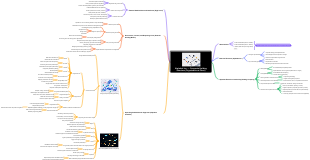
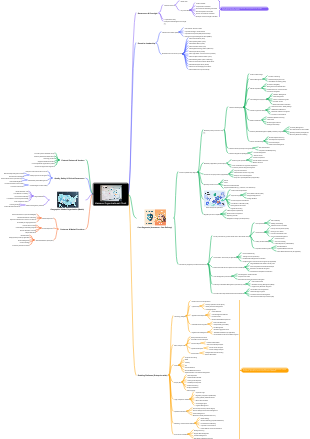
This organizational chart reveals the dynamic structure behind Nike’s success, highlighting governance, leadership, and product divisions. At the top, the Board of Directors ensures corporate governance and strategic oversight, supported by committees (Audit, Compensation, Governance, Sustainability). The Chief Executive Officer leads corporate strategy, stakeholder engagement, and overall performance. The Executive Leadership Team encompasses critical functions: Finance: capital allocation, planning, investor relations. Operations: supply chain, sourcing, logistics, manufacturing. Marketing: brand campaigns, athlete endorsements, consumer engagement. Human Resources: talent, culture, diversity, inclusion. Legal: compliance, IP, contracts. Technology: digital, data, e-commerce platforms. Sustainability: environmental goals, circular economy. Category divisions focus on product creation and development: Footwear: performance (running, basketball, football, training) and lifestyle (Air Force 1, Air Jordan, Dunks). Apparel: training, sportswear, lifestyle, outerwear. Equipment: bags, socks, accessories. Each division includes design, product management, merchandising, and development teams, ensuring cutting-edge design and market responsiveness. Regional management (North America, Europe, Greater China, Asia-Pacific, Latin America, EMEA) adapts global strategies to local markets. DTC (direct-to-consumer) unit manages Nike app, SNKRS, website, and flagship stores. This intricate framework fosters Nike’s commitment to performance (athlete feedback, innovation) and sustainability (Move to Zero, recycled materials, circular products).
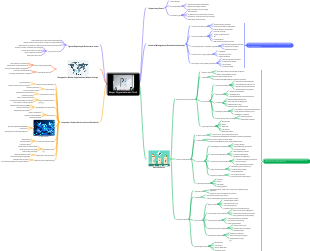
Edited at 2026-03-25 15:07:51This strategic SWOT analysis explores how Aeon can navigate the competitive online landscape, highlighting strengths, weaknesses, opportunities, and threats. Strengths include strong brand recognition (trusted Japanese heritage, quality), omnichannel capabilities (stores + online + mall integration), customer loyalty programs (Aeon Card, points, member pricing), and physical footprint (extensive store network for pickup/returns). Weaknesses encompass digital maturity gaps (e-commerce penetration, app functionality, personalization vs. Amazon, Alibaba), cost structure challenges (store-heavy, real estate, labor), and supply chain complexity (fresh food, frozen logistics for online). Opportunities include enhancing e-commerce competitiveness (faster delivery, wider assortment, lower minimum order), leveraging data-driven strategies (purchase history, personalized offers, inventory optimization), expanding omnichannel integration (buy online pick up in store, ship from store), and private label growth (Topvalu, localized brands). Threats involve online-first players (Amazon, Alibaba, Sea Limited) with lower costs, wider selection, faster delivery, market dynamics (changing consumer behavior post-COVID, discount competitors), and regulatory risks (data privacy, cross-border e-commerce rules). Aeon can strengthen market position by investing in digital capabilities, leveraging store assets for omnichannel, and using customer data for personalization, while addressing cost structure and online competition.

This analysis explores how Aeon effectively tailors offerings to meet the diverse needs of family-oriented consumers through a comprehensive Segmentation, Targeting, and Positioning (STP) framework. Demographic segmentation examines family life stages (young families with babies, school-aged children, teenagers, empty nesters), household sizes (small vs. large), income levels (mass, premium), and parent age bands (millennials, Gen X). This identifies distinct consumer groups with different spending patterns. Geographic segmentation highlights store catchment types (urban, suburban, rural), community characteristics (density, income, competition), and local preferences (fresh food, halal, Japanese products). Psychographic segmentation delves into family values (health, safety, education, convenience), lifestyle orientations (busy professionals, home-centered, eco-conscious). Behavioral segmentation focuses on shopping missions (daily grocery, weekly stock-up, seasonal shopping), price sensitivity (value seekers, premium), channel preferences (in-store, online, pickup). Needs-based segmentation reveals core family needs related to value (good-better-best pricing), budget considerations (affordability, promotions, member pricing), safety (food quality, product recall), convenience (one-stop shopping, parking, store hours). Targeting prioritizes young families with school-aged children, budget-conscious households, and convenience-seeking shoppers. Positioning emphasizes Aeon as a family-friendly, value-for-money, one-stop destination with Japanese quality and local relevance. These insights enhance family shopping experiences through tailored assortments (kids’ products, school supplies), promotions (family bundles, weekend events), and services (nursing rooms, kids’ play areas).
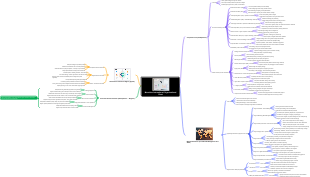
This Kream Sneaker Consumption Scene Analysis Template aims to visualize purchasing and consumption journeys of sneakers, identifying key demand drivers and obstacles. User behavior within Kream includes searching, bidding, buying, selling, authentication, and community engagement. External influences include brand drops (Nike, Adidas), social media (Instagram, TikTok), influencer hype, and cultural trends. Target categories: limited editions, collaborations, retro releases, performance sneakers, and general releases. Timeframes: launch day, first week, first month, long-term (seasonal, yearly). Regions: North America, Europe, Asia (Korea, China, Japan). User segments: Collectors: value rarity, condition, completeness (box, accessories). KPIs: collection size, spend, authentication rate. Resellers: value profit margin, volume, turnover. KPIs: sell-through rate, average profit, listing frequency. Sneakerheads: value hype, trends, community validation. KPIs: purchase frequency, social engagement, wishlist adds. Casual trend followers: value style, convenience, price. KPIs: conversion rate, average order value, repeat purchases. Gift purchasers: value ease, presentation, brand trust. KPIs: gift message usage, return rate. Consumption journey: Awareness: social media, email, push notifications. Search: browse, filter, search by brand, model, size. Purchase: bid, buy now, payment, shipping. Authentication: inspection, verification, certification. Resale: list, price, sell, transfer. Sharing: review, unboxing, social post, community discussion. Key performance indicators: conversion rate, sell-through rate, average order value, customer lifetime value, authentication pass rate, return rate, Net Promoter Score. This framework helps understand sneaker trading dynamics, user motivations, and touchpoints for engagement and satisfaction.
This strategic SWOT analysis explores how Aeon can navigate the competitive online landscape, highlighting strengths, weaknesses, opportunities, and threats. Strengths include strong brand recognition (trusted Japanese heritage, quality), omnichannel capabilities (stores + online + mall integration), customer loyalty programs (Aeon Card, points, member pricing), and physical footprint (extensive store network for pickup/returns). Weaknesses encompass digital maturity gaps (e-commerce penetration, app functionality, personalization vs. Amazon, Alibaba), cost structure challenges (store-heavy, real estate, labor), and supply chain complexity (fresh food, frozen logistics for online). Opportunities include enhancing e-commerce competitiveness (faster delivery, wider assortment, lower minimum order), leveraging data-driven strategies (purchase history, personalized offers, inventory optimization), expanding omnichannel integration (buy online pick up in store, ship from store), and private label growth (Topvalu, localized brands). Threats involve online-first players (Amazon, Alibaba, Sea Limited) with lower costs, wider selection, faster delivery, market dynamics (changing consumer behavior post-COVID, discount competitors), and regulatory risks (data privacy, cross-border e-commerce rules). Aeon can strengthen market position by investing in digital capabilities, leveraging store assets for omnichannel, and using customer data for personalization, while addressing cost structure and online competition.
This analysis explores how Aeon effectively tailors offerings to meet the diverse needs of family-oriented consumers through a comprehensive Segmentation, Targeting, and Positioning (STP) framework. Demographic segmentation examines family life stages (young families with babies, school-aged children, teenagers, empty nesters), household sizes (small vs. large), income levels (mass, premium), and parent age bands (millennials, Gen X). This identifies distinct consumer groups with different spending patterns. Geographic segmentation highlights store catchment types (urban, suburban, rural), community characteristics (density, income, competition), and local preferences (fresh food, halal, Japanese products). Psychographic segmentation delves into family values (health, safety, education, convenience), lifestyle orientations (busy professionals, home-centered, eco-conscious). Behavioral segmentation focuses on shopping missions (daily grocery, weekly stock-up, seasonal shopping), price sensitivity (value seekers, premium), channel preferences (in-store, online, pickup). Needs-based segmentation reveals core family needs related to value (good-better-best pricing), budget considerations (affordability, promotions, member pricing), safety (food quality, product recall), convenience (one-stop shopping, parking, store hours). Targeting prioritizes young families with school-aged children, budget-conscious households, and convenience-seeking shoppers. Positioning emphasizes Aeon as a family-friendly, value-for-money, one-stop destination with Japanese quality and local relevance. These insights enhance family shopping experiences through tailored assortments (kids’ products, school supplies), promotions (family bundles, weekend events), and services (nursing rooms, kids’ play areas).
This Kream Sneaker Consumption Scene Analysis Template aims to visualize purchasing and consumption journeys of sneakers, identifying key demand drivers and obstacles. User behavior within Kream includes searching, bidding, buying, selling, authentication, and community engagement. External influences include brand drops (Nike, Adidas), social media (Instagram, TikTok), influencer hype, and cultural trends. Target categories: limited editions, collaborations, retro releases, performance sneakers, and general releases. Timeframes: launch day, first week, first month, long-term (seasonal, yearly). Regions: North America, Europe, Asia (Korea, China, Japan). User segments: Collectors: value rarity, condition, completeness (box, accessories). KPIs: collection size, spend, authentication rate. Resellers: value profit margin, volume, turnover. KPIs: sell-through rate, average profit, listing frequency. Sneakerheads: value hype, trends, community validation. KPIs: purchase frequency, social engagement, wishlist adds. Casual trend followers: value style, convenience, price. KPIs: conversion rate, average order value, repeat purchases. Gift purchasers: value ease, presentation, brand trust. KPIs: gift message usage, return rate. Consumption journey: Awareness: social media, email, push notifications. Search: browse, filter, search by brand, model, size. Purchase: bid, buy now, payment, shipping. Authentication: inspection, verification, certification. Resale: list, price, sell, transfer. Sharing: review, unboxing, social post, community discussion. Key performance indicators: conversion rate, sell-through rate, average order value, customer lifetime value, authentication pass rate, return rate, Net Promoter Score. This framework helps understand sneaker trading dynamics, user motivations, and touchpoints for engagement and satisfaction.
Nike Organizational Chart
Governance & Top Leadership
Board of Directors
Core responsibilities
Corporate governance and oversight
Approving major strategy and capital allocation
Executive succession planning
Risk oversight (including compliance and ESG)
Key committees (typical structure)
Audit & Finance Committee
Compensation Committee
Nominating & Corporate Governance Committee
Sustainability/ESG oversight (dedicated or combined committee)
Chief Executive Officer (CEO)
Enterprise-wide responsibilities
Corporate strategy and performance
Global brand stewardship
Culture, talent, and leadership development
External stakeholder management
Executive Leadership Team (ELT)
Core corporate functions (enterprise-wide)
Chief Financial Officer (CFO)
Financial planning & analysis (FP&A)
Accounting, reporting, and controls
Treasury, tax, investor relations
Chief Operating Officer (COO) / Operations Leadership (if designated)
End-to-end operating model
Supply chain and manufacturing partnerships
Service, fulfillment, and operations excellence
Chief Marketing Officer (CMO) / Brand Marketing Leadership
Global brand marketing strategy
Consumer insights and demand creation
Media, creative, and storytelling
Chief Human Resources Officer (CHRO)
Talent acquisition and development
Compensation and benefits
Organizational effectiveness and culture
Chief Legal Officer / General Counsel
Legal strategy and compliance
IP, contracts, litigation
Corporate governance support
Chief Information Officer (CIO) / Technology Leadership
Enterprise technology platforms
Cybersecurity and IT operations
Digital product engineering enablement
Strategy / Corporate Development (if present)
Long-range planning
M&A / partnerships support
Communications / Public Affairs (if present)
Corporate communications
Government and community relations
Sustainability / ESG Leadership (if present)
Sustainable materials and circularity
Climate strategy and reporting
Social impact and responsible sourcing
Category (Product & Consumer) Divisions
Global Product Creation (cross-category)
Design
Product design (footwear/apparel/equipment)
Color/material design and storytelling
Innovation
Performance innovation and athlete insights
New materials and prototyping
Merchandising
Line planning by season and price tier
Assortment architecture and franchise management
Product Development
Engineering and technical development
Fit, wear-testing, and quality specifications
Sourcing & Manufacturing (in support)
Supplier management and capacity planning
Costing and lead-time management
Compliance and responsible manufacturing
Category: Footwear
Sub-categories (typical)
Running
Basketball
Training
Sportswear/Lifestyle
Soccer/Football
Skateboarding
Outdoor/Trail
Key roles within the category
Category GM/VP (P&L and strategy)
Footwear design and development teams
Merchandising and planning
Athlete/partner management (category-specific)
Category: Apparel
Sub-categories (typical)
Performance (running/training)
Team sports apparel
Sportswear/Lifestyle
Outerwear and seasonal collections
Key roles within the category
Apparel GM/VP
Materials and trims leadership
Fit and pattern engineering
Merchandising and planning
Category: Equipment & Accessories
Sub-categories (typical)
Bags and packs
Socks and headwear
Sport equipment (e.g., balls, protective gear where applicable)
Key roles within the category
Equipment GM/VP
Product engineering and testing
Merchandising and channel assortment
Category: Jordan Brand (brand/category division)
Product lines
Footwear
Apparel
Accessories
Brand management
Storytelling and heritage
Athlete and cultural partnerships
Merchandising and retail presentation
Category: Converse (subsidiary/brand division)
Product and merchandising
Classics and seasonal updates
Collaborations and limited editions
Go-to-market
Wholesale and direct-to-consumer
Brand marketing and communities
Geographic (Regional) Divisions
Regional Presidents / Managing Directors
Regional P&L ownership
Market strategy and localization
Channel expansion and partner management
Compliance with local regulations and labor standards
North America (NA)
Country/market clusters
United States
Canada
Regional functions
Sales and account management
Nike Direct operations (stores and digital)
Demand planning and allocation
Regional marketing and sports marketing
Europe, Middle East & Africa (EMEA)
Sub-regions (typical)
Western Europe
Central & Eastern Europe
Middle East
Africa
Regional functions
Key city strategies (major metro focus)
Football/soccer category emphasis and partnerships
Compliance, trade, and logistics coordination
Greater China (GC)
Market focus
Mainland China and associated territories as defined
Regional functions
Local consumer insights and product localization
Digital ecosystem partnerships
Retail expansion and membership growth
Asia Pacific & Latin America (APLA)
Sub-regions (typical)
Japan
South Korea
Southeast Asia
Australia/New Zealand
Latin America (major markets)
Regional functions
Distributor/partner management where applicable
Assortment localization by climate and sport culture
Emerging market growth programs
Channel / Go-to-Market (GTM) Structure
Nike Direct (DTC)
Digital commerce
Nike apps and web platforms
Membership and personalization
Performance marketing and CRM
Retail stores
Flagship/brand stores
Factory/outlet stores
Store operations and visual merchandising
Marketplace operations
Inventory, order management, and fulfillment
Returns and customer service
Wholesale / Strategic Accounts
Account management
Key retailers and buying groups
Joint business planning and sell-through
Merchandising and assortment planning
Pack-and-hold vs. curated assortments
Allocation and replenishment
Sales operations
Order capture, forecasting, and pricing governance
Partner / Distributor Markets (where used)
Distributor management
Brand standards and merchandising guidelines
Compliance and audit processes
Shared Services & Enabling Functions (Cross-Regional)
Global Supply Chain
Planning
Demand and supply planning
S&OP (sales and operations planning)
Logistics
Warehousing and distribution centers
Transportation and freight management
Supplier and manufacturing network
Capacity and quality management
Lead times and risk diversification
Finance
Controllership and reporting
Cost management and margin optimization
Procurement finance and spend analytics
Technology / Digital
Enterprise systems (ERP, data platforms)
Consumer digital products and experiences
Data science and analytics
Cybersecurity and privacy
Legal, Compliance & Risk
Regulatory compliance and ethics programs
IP protection and anti-counterfeiting
Trade compliance and customs
People (HR)
Workforce planning
Learning and leadership development
Diversity, equity, inclusion initiatives
Procurement
Indirect spend (services, facilities, marketing)
Vendor management and contract negotiation
Responsible sourcing standards
Corporate Communications
Internal communications
Media relations and crisis communications
Executive communications
Sustainability / ESG
Materials innovation and circular design programs
Environmental footprint reduction
Social responsibility and community investment
How Category and Geographic Divisions Interact (Matrix)
Category leadership responsibilities
Define global product strategy and seasonal franchises
Set design language, innovation priorities, and athlete focus
Establish global pricing architecture and product tiers
Regional leadership responsibilities
Localize assortments and marketing for market needs
Manage regional sales channels and distribution mix
Provide consumer insights back to category teams
Typical decision rights
Global (category/brand)
Core product direction and brand standards
Regional
Localization, market prioritization, and activation plans
Joint
Forecasting, allocation, key account plans, and major launches
Common coordination mechanisms
Seasonal line reviews and milestones
S&OP and demand planning councils
Cross-functional launch teams (product + marketing + sales + ops)