MindMap Gallery HP Marketing Mix Analysis
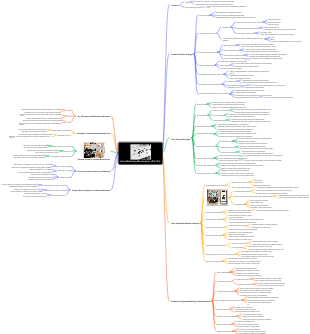
This analysis explores how HP strategically navigates the competitive landscape of PCs, printing, and enterprise solutions through its marketing mix. HP’s product portfolio spans Personal Systems, including laptops (Spectre, EliteBook), desktops, workstations, and accessories; and Printing, covering home printers, office multifunction devices, and commercial print solutions. Innovation focuses on design, performance, security, and sustainability. Pricing strategies balance competitive positioning in consumer segments with value-based pricing in commercial and enterprise markets. Tiered offerings—entry-level, mid-range, premium—address diverse customer needs. Subscription models like HP+ and managed print services create recurring revenue. Distribution strategy leverages a robust global network of retail partners, e-commerce channels, direct sales, and channel partners. Omnichannel presence ensures accessibility across consumer and business segments. Promotional approaches align messaging with market shifts toward hybrid work, emphasizing productivity, security, and collaboration tools. Campaigns highlight sustainability commitments, including recycled materials and energy efficiency. Product differentiation is achieved through design (premium aesthetics), performance (processing power, battery life), and sustainability (eco-friendly packaging, carbon-neutral initiatives). Bundling strategies combine PCs with printers, services, or subscriptions to enhance value for consumers and businesses. This dynamic marketing mix enables HP to adapt to evolving technology needs, balancing innovation, sustainability, and customer-centric solutions across global markets.
Edited at 2026-03-25 15:17:19This strategic SWOT analysis explores how Aeon can navigate the competitive online landscape, highlighting strengths, weaknesses, opportunities, and threats. Strengths include strong brand recognition (trusted Japanese heritage, quality), omnichannel capabilities (stores + online + mall integration), customer loyalty programs (Aeon Card, points, member pricing), and physical footprint (extensive store network for pickup/returns). Weaknesses encompass digital maturity gaps (e-commerce penetration, app functionality, personalization vs. Amazon, Alibaba), cost structure challenges (store-heavy, real estate, labor), and supply chain complexity (fresh food, frozen logistics for online). Opportunities include enhancing e-commerce competitiveness (faster delivery, wider assortment, lower minimum order), leveraging data-driven strategies (purchase history, personalized offers, inventory optimization), expanding omnichannel integration (buy online pick up in store, ship from store), and private label growth (Topvalu, localized brands). Threats involve online-first players (Amazon, Alibaba, Sea Limited) with lower costs, wider selection, faster delivery, market dynamics (changing consumer behavior post-COVID, discount competitors), and regulatory risks (data privacy, cross-border e-commerce rules). Aeon can strengthen market position by investing in digital capabilities, leveraging store assets for omnichannel, and using customer data for personalization, while addressing cost structure and online competition.

This analysis explores how Aeon effectively tailors offerings to meet the diverse needs of family-oriented consumers through a comprehensive Segmentation, Targeting, and Positioning (STP) framework. Demographic segmentation examines family life stages (young families with babies, school-aged children, teenagers, empty nesters), household sizes (small vs. large), income levels (mass, premium), and parent age bands (millennials, Gen X). This identifies distinct consumer groups with different spending patterns. Geographic segmentation highlights store catchment types (urban, suburban, rural), community characteristics (density, income, competition), and local preferences (fresh food, halal, Japanese products). Psychographic segmentation delves into family values (health, safety, education, convenience), lifestyle orientations (busy professionals, home-centered, eco-conscious). Behavioral segmentation focuses on shopping missions (daily grocery, weekly stock-up, seasonal shopping), price sensitivity (value seekers, premium), channel preferences (in-store, online, pickup). Needs-based segmentation reveals core family needs related to value (good-better-best pricing), budget considerations (affordability, promotions, member pricing), safety (food quality, product recall), convenience (one-stop shopping, parking, store hours). Targeting prioritizes young families with school-aged children, budget-conscious households, and convenience-seeking shoppers. Positioning emphasizes Aeon as a family-friendly, value-for-money, one-stop destination with Japanese quality and local relevance. These insights enhance family shopping experiences through tailored assortments (kids’ products, school supplies), promotions (family bundles, weekend events), and services (nursing rooms, kids’ play areas).
This Kream Sneaker Consumption Scene Analysis Template aims to visualize purchasing and consumption journeys of sneakers, identifying key demand drivers and obstacles. User behavior within Kream includes searching, bidding, buying, selling, authentication, and community engagement. External influences include brand drops (Nike, Adidas), social media (Instagram, TikTok), influencer hype, and cultural trends. Target categories: limited editions, collaborations, retro releases, performance sneakers, and general releases. Timeframes: launch day, first week, first month, long-term (seasonal, yearly). Regions: North America, Europe, Asia (Korea, China, Japan). User segments: Collectors: value rarity, condition, completeness (box, accessories). KPIs: collection size, spend, authentication rate. Resellers: value profit margin, volume, turnover. KPIs: sell-through rate, average profit, listing frequency. Sneakerheads: value hype, trends, community validation. KPIs: purchase frequency, social engagement, wishlist adds. Casual trend followers: value style, convenience, price. KPIs: conversion rate, average order value, repeat purchases. Gift purchasers: value ease, presentation, brand trust. KPIs: gift message usage, return rate. Consumption journey: Awareness: social media, email, push notifications. Search: browse, filter, search by brand, model, size. Purchase: bid, buy now, payment, shipping. Authentication: inspection, verification, certification. Resale: list, price, sell, transfer. Sharing: review, unboxing, social post, community discussion. Key performance indicators: conversion rate, sell-through rate, average order value, customer lifetime value, authentication pass rate, return rate, Net Promoter Score. This framework helps understand sneaker trading dynamics, user motivations, and touchpoints for engagement and satisfaction.
This strategic SWOT analysis explores how Aeon can navigate the competitive online landscape, highlighting strengths, weaknesses, opportunities, and threats. Strengths include strong brand recognition (trusted Japanese heritage, quality), omnichannel capabilities (stores + online + mall integration), customer loyalty programs (Aeon Card, points, member pricing), and physical footprint (extensive store network for pickup/returns). Weaknesses encompass digital maturity gaps (e-commerce penetration, app functionality, personalization vs. Amazon, Alibaba), cost structure challenges (store-heavy, real estate, labor), and supply chain complexity (fresh food, frozen logistics for online). Opportunities include enhancing e-commerce competitiveness (faster delivery, wider assortment, lower minimum order), leveraging data-driven strategies (purchase history, personalized offers, inventory optimization), expanding omnichannel integration (buy online pick up in store, ship from store), and private label growth (Topvalu, localized brands). Threats involve online-first players (Amazon, Alibaba, Sea Limited) with lower costs, wider selection, faster delivery, market dynamics (changing consumer behavior post-COVID, discount competitors), and regulatory risks (data privacy, cross-border e-commerce rules). Aeon can strengthen market position by investing in digital capabilities, leveraging store assets for omnichannel, and using customer data for personalization, while addressing cost structure and online competition.
This analysis explores how Aeon effectively tailors offerings to meet the diverse needs of family-oriented consumers through a comprehensive Segmentation, Targeting, and Positioning (STP) framework. Demographic segmentation examines family life stages (young families with babies, school-aged children, teenagers, empty nesters), household sizes (small vs. large), income levels (mass, premium), and parent age bands (millennials, Gen X). This identifies distinct consumer groups with different spending patterns. Geographic segmentation highlights store catchment types (urban, suburban, rural), community characteristics (density, income, competition), and local preferences (fresh food, halal, Japanese products). Psychographic segmentation delves into family values (health, safety, education, convenience), lifestyle orientations (busy professionals, home-centered, eco-conscious). Behavioral segmentation focuses on shopping missions (daily grocery, weekly stock-up, seasonal shopping), price sensitivity (value seekers, premium), channel preferences (in-store, online, pickup). Needs-based segmentation reveals core family needs related to value (good-better-best pricing), budget considerations (affordability, promotions, member pricing), safety (food quality, product recall), convenience (one-stop shopping, parking, store hours). Targeting prioritizes young families with school-aged children, budget-conscious households, and convenience-seeking shoppers. Positioning emphasizes Aeon as a family-friendly, value-for-money, one-stop destination with Japanese quality and local relevance. These insights enhance family shopping experiences through tailored assortments (kids’ products, school supplies), promotions (family bundles, weekend events), and services (nursing rooms, kids’ play areas).
This Kream Sneaker Consumption Scene Analysis Template aims to visualize purchasing and consumption journeys of sneakers, identifying key demand drivers and obstacles. User behavior within Kream includes searching, bidding, buying, selling, authentication, and community engagement. External influences include brand drops (Nike, Adidas), social media (Instagram, TikTok), influencer hype, and cultural trends. Target categories: limited editions, collaborations, retro releases, performance sneakers, and general releases. Timeframes: launch day, first week, first month, long-term (seasonal, yearly). Regions: North America, Europe, Asia (Korea, China, Japan). User segments: Collectors: value rarity, condition, completeness (box, accessories). KPIs: collection size, spend, authentication rate. Resellers: value profit margin, volume, turnover. KPIs: sell-through rate, average profit, listing frequency. Sneakerheads: value hype, trends, community validation. KPIs: purchase frequency, social engagement, wishlist adds. Casual trend followers: value style, convenience, price. KPIs: conversion rate, average order value, repeat purchases. Gift purchasers: value ease, presentation, brand trust. KPIs: gift message usage, return rate. Consumption journey: Awareness: social media, email, push notifications. Search: browse, filter, search by brand, model, size. Purchase: bid, buy now, payment, shipping. Authentication: inspection, verification, certification. Resale: list, price, sell, transfer. Sharing: review, unboxing, social post, community discussion. Key performance indicators: conversion rate, sell-through rate, average order value, customer lifetime value, authentication pass rate, return rate, Net Promoter Score. This framework helps understand sneaker trading dynamics, user motivations, and touchpoints for engagement and satisfaction.
HP Marketing Mix Analysis
Overview
Purpose
Evaluate HP’s marketing mix to understand how it competes across PCs, printing, services, and enterprise offerings
Scope
Product mix and portfolio structure
Pricing architecture and tactics
Global distribution (place) strategy and channel governance
Promotion approach and messaging alignment
Market context
Highly competitive, cyclical demand (especially PCs)
Strong ecosystem dependencies (component supply, OS/platform partners)
Shift toward hybrid work, managed services, and subscription models
Product Mix (Product)
Portfolio architecture
Core categories
Personal Systems
Consumer PCs
Laptops (mainstream, premium)
Desktops and all-in-ones
Chromebooks (education/entry segments)
Commercial PCs
Business notebooks/desktops (security, manageability)
Workstations (CAD/engineering/creative)
Peripherals & accessories
Monitors, docks, keyboards/mice, webcams, headsets
Printing
Home printing
Inkjet printers, multifunction devices
Photo printing (select models)
Office/SMB printing
Laser printers, multifunction devices
Managed print-ready models
Supplies and consumables
Ink/toner cartridges (high-margin recurring revenue)
Paper and specialty media (select markets)
Solutions & Services (often bundled around devices/print)
Device lifecycle services
Deployment, imaging, break/fix
Asset recovery and recycling programs
Managed services
Managed Print Services (MPS)
Device-as-a-Service (DaaS) style offerings
Security and endpoint management (partnerships + integrated tooling)
Sub-brand and line strategy
Consumer segmentation
Entry/value lines vs premium lifestyle lines
Gaming sub-lines (performance identity, accessories ecosystem)
Commercial segmentation
Enterprise-focused lines emphasizing security, durability, serviceability
Workstation families emphasizing ISV certifications
Printing segmentation
Home vs office use-cases
Cartridge vs tank-based systems (where applicable) to address TCO sensitivity
Differentiation and value propositions
Design & user experience
Thin-and-light form factors, display quality, acoustics/thermals
Premium materials and industrial design for flagship lines
Performance and reliability
Configurable CPU/GPU/RAM/storage options
Commercial durability testing; workstation certifications
Security and manageability (commercial emphasis)
Hardware/firmware protections and BIOS recovery features
Remote manageability, fleet tools, endpoint integration
Print ecosystem advantage
Broad printer installed base
Supplies and service network to lock in ongoing revenue
Sustainability as product attribute
Recycled materials in chassis/packaging
Energy efficiency certifications
Take-back, refurbishment, circular programs
Product lifecycle and innovation approach
Rapid refresh cadence in PCs driven by chip/platform cycles
Print platform continuity with periodic feature upgrades (speed, quality, connectivity)
Co-development and ecosystem leverage
Component suppliers (CPUs, GPUs, displays)
OS/platform partners and enterprise software alliances
Bundling and solution packaging
Hardware + services bundles
Warranty extensions, accidental damage protection
On-site support for commercial clients
Hardware + consumables programs (printing)
Subscription/auto-replenishment models
Managed print contracts including supplies and maintenance
Cross-category bundles
PC + monitor + dock + headset for hybrid work kits
Business fleet bundles with device management and security add-ons
Target segments and use-cases
Consumers
Home productivity, entertainment, education
Gaming and content creation (higher ASP)
SMB
Cost control, easy deployment, local support expectations
Large enterprises/public sector
Standardization, security, manageability, global SLAs
Education
Durable, easy-to-manage devices; competitive pricing; volume programs
Creative/professional
Workstations, color-accurate displays, peripheral ecosystems
Product risks and constraints
Commoditization pressure in mainstream PCs
Channel conflict between direct and reseller partners
Regulatory requirements by region (energy, safety, materials)
Supply chain volatility affecting availability and model mix
Pricing (Price)
Pricing objectives
Compete in price-sensitive categories while protecting margin via mix, bundling, and services
Drive recurring revenue through supplies and subscriptions (printing)
Encourage enterprise standardization via volume and contract pricing
Pricing architecture by segment
Good-better-best tiers
Entry models to defend share
Mid-tier as volume drivers
Premium tiers for margin and brand halo
Consumer vs commercial pricing
Consumer: promotional elasticity, seasonal discounting
Commercial: contract-based, service-inclusive, negotiated terms
Printing economics
Hardware often priced competitively to expand installed base
Supplies priced to sustain recurring margins
Tank/subscription options to address TCO-conscious buyers
Key pricing models
MSRP with frequent promotional price points (especially consumer PCs and printers)
B2B negotiated pricing
Volume discounts, bid/tender pricing
Framework agreements and global account pricing
Subscription and usage-based
Print subscription/auto-ship consumables
Managed services with per-seat or per-device monthly fees
Bundled pricing
Device + warranty/service bundles
Print hardware + supplies/service in one contract (MPS)
Discounting and promotions
Retail events and seasonality
Back-to-school, holiday, major retail festivals by region
Channel-led promotions
Co-op marketing funds, instant rebates, bundles
Education and employee purchase programs
Special pricing for institutions and staff
Clearance and end-of-life strategies
Price reductions to manage inventory during model refreshes
Price differentiation tactics
Configuration-based upsell
Memory/storage upgrades, display options, GPU tiers
Feature-based price fences
Security features, manageability, ruggedization in commercial lines
Print speed, duty cycle, duplexing, network features in office printers
Services attach
Extended warranty, onsite support, accidental coverage
Geographic and currency considerations
Local purchasing power and competitive benchmarks
Import duties, VAT/GST impacts on shelf prices
Currency fluctuation hedging and periodic repricing
Gray market controls and region-specific SKUs
Pricing performance metrics
ASP by category
Gross margin by product line and region
Attach rates (warranty, accessories, services)
Consumables penetration and subscription retention
Bid win-rate and contract renewal rates
Global Distribution Strategy (Place)
Channel strategy overview
Omnichannel approach combining direct and indirect routes
Goal balance
Scale and reach through partners
Margin and relationship control through direct channels
Service consistency for enterprise accounts
Primary routes to market
Direct-to-consumer (D2C)
HP.com e-commerce
Full portfolio visibility, configuration options, financing
Cross-sell accessories and services
Brand stores/experiential (where applicable)
Demonstrations for premium devices and printing solutions
Retail and e-tail partners
Big-box electronics retailers
Online marketplaces and major e-commerce platforms
Specialist PC/printing retailers by country
Commercial/enterprise channels
VARs and SIs
Solution design, deployment, managed services attach
Distributors
Regional distribution hubs feeding resellers
Credit terms and inventory financing support for channel
Direct enterprise sales
Global accounts, public sector, strategic tenders
Fleet standardization programs and SLAs
Service delivery network
Authorized service centers
On-site service partners
Logistics partners for parts and reverse logistics
Channel roles and assortment management
D2C channel
Broader configuration options and build-to-order where feasible
Exclusive bundles and web-only offers
Retail channel
Curated SKUs optimized for shelf, fast turnover
Promotional bundles (PC + accessories, printer + supplies)
B2B channel
Standardized commercial SKUs, imaging/deployment services
Printer fleet solutions and MPS contracts
Global logistics and supply chain footprint
Regional fulfillment strategy
Centralized and regional warehouses to reduce delivery times
Localized final-mile carriers based on market maturity
Inventory and availability management
Forecasting by region and channel
Allocation rules during shortages (priority to strategic accounts or high-margin mix)
Reverse logistics
Returns processing (D2C and retail)
Recycling/take-back programs for devices and supplies
Market coverage and localization
Developed markets
High penetration of e-commerce and subscription models
Mature enterprise procurement and managed services uptake
Emerging markets
Greater reliance on distributors and local resellers
Price sensitivity and demand for localized financing/payment options
Localization requirements
Language/keyboard layouts, power standards, regulatory labels
Local content and compliance for government/education tenders
Partner management and channel governance
Channel incentives
Rebates, MDF, sell-out bonuses
Training and certification
Sales enablement for commercial devices and print solutions
Technical certification for service delivery quality
Channel conflict mitigation
Deal registration and account mapping
Differentiated SKUs and pricing fences by channel
Performance measurement
Sell-through data, inventory turns, NPS/service metrics
Partner scorecards and tiering
Digital distribution enablers
Online configurators and quoting tools for SMB/enterprise
Integration with procurement systems (punchout catalogs)
Subscription management portals (printing/services)
Data-driven demand planning using channel POS signals
Promotion (Integrated with Mix)
Brand positioning themes
Innovation, reliability, security (commercial)
Design and performance (consumer/premium)
Productivity for hybrid work (devices + peripherals)
Sustainability commitments (materials, recycling, energy)
Key promotional channels
Digital marketing
Search, display, retargeting, affiliate programs
Social and influencer partnerships (consumer, gaming)
Retail co-marketing
Endcaps, in-store demos, joint promotions
B2B marketing
Account-based marketing, webinars, whitepapers
Trade shows and partner events
Lifecycle communications
Email/CRM for accessory and warranty upsell
Supplies replenishment reminders and subscription nudges
Messaging by segment
Consumer
Lifestyle, entertainment, ease-of-use, value deals
SMB
TCO, reliability, simple IT, quick setup
Enterprise/public sector
Security, manageability, compliance, global support
Printing
Cost-per-page, convenience, uptime, managed services outcomes
Strategic Fit and Interdependencies
Product–price fit
Tiered lineup enables competitive entry pricing and premium margin capture
Services and accessories increase total value per customer
Product–place fit
Commercial lines align with VAR/SI channels and direct enterprise sales
Consumer lines optimized for retail/e-commerce velocity
Price–place fit
Promotions concentrated in retail and D2C
Contract pricing and bundling dominate enterprise distribution
Print ecosystem flywheel
Hardware placement drives supplies and services recurring revenue
Managed print strengthens retention and reduces churn
KPIs and Evaluation Framework
Product KPIs
Market share by category and region
Product return rates and quality metrics
Attach rates for accessories and services
Pricing KPIs
Gross margin, ASP, discount depth
Subscription ARPU and churn (printing/services)
Distribution KPIs
On-time delivery, fill rate, lead times
Inventory turns, stockout rates
Partner productivity and sell-through velocity
Promotion KPIs
CAC, ROAS, conversion rate (D2C)
Lead-to-win rate (B2B)
Brand awareness and consideration metrics
Key Risks and Mitigations
Margin compression in commoditized segments
Mitigation: premium differentiation, services attach, tighter promo governance
Supply chain disruptions and demand swings
Mitigation: multi-sourcing, regional buffers, flexible allocation
Channel conflict and price transparency
Mitigation: channel-specific assortments, deal registration, MAP policies (where legal)
Regulatory and sustainability scrutiny
Mitigation: compliance-by-design, transparent reporting, expanded take-back programs
Strategic Recommendations (Mix Optimization)
Product
Strengthen differentiated commercial security/manageability bundles
Expand hybrid-work kits and certified peripheral ecosystems
Grow recurring revenue offers (managed services, subscriptions) tied to hardware
Price
Protect premium tiers with clear feature fences and limited discounting
Use TCO-led pricing for SMB/enterprise and printing solutions
Optimize promo calendar by region using elasticity and inventory signals
Place
Deepen enterprise/VAR capabilities for services-led growth
Improve D2C configuration, financing, and delivery SLAs
Enhance emerging-market distributor enablement and localized offerings
Promotion
Align messaging to outcomes (security, productivity, sustainability)
Scale ABM for strategic accounts; strengthen CRM for post-purchase upsell