MindMap Gallery GAC Group Market Segmentation, Targeting and Positioning Analysis
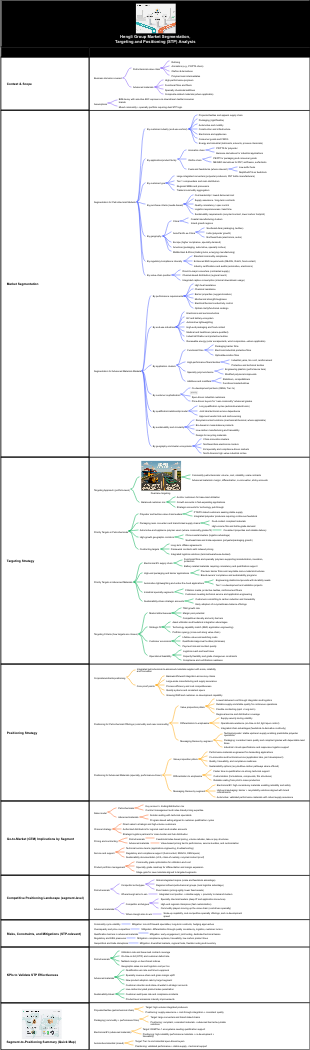
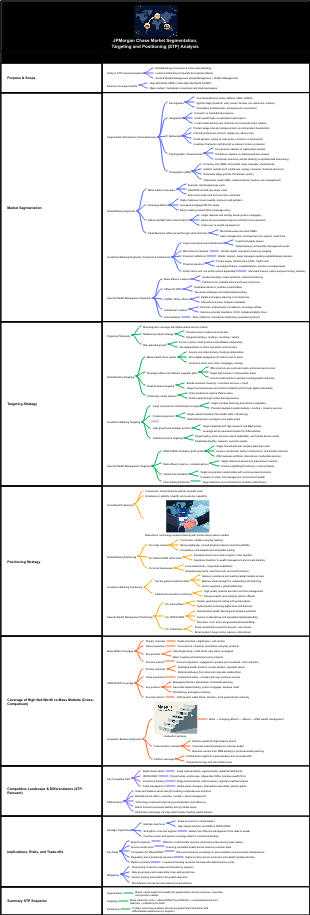
This analysis explores GAC Group’s strategic approach to Market Segmentation, Targeting, and Positioning (STP), designed to effectively engage diverse customer segments across sedans, SUVs, and New Energy Vehicles (NEVs). Segmentation is conducted across multiple dimensions. Demographic segmentation considers age, income, and household composition. Geographic segmentation distinguishes tier-one cities from emerging urban and rural markets. Psychographic segmentation captures lifestyle preferences, environmental consciousness, and brand affinity. Behavioral segmentation examines purchase patterns, technology adoption, and loyalty. Core needs range from affordability and fuel efficiency to safety, space, and premium features. Targeting prioritizes segments based on size, growth potential, competitive landscape, and regulatory support. In the sedan category, specific profiles include Entry Value Commuters seeking affordability and reliability; Mainstream Urban Professionals prioritizing design, efficiency, and technology; Family-Oriented Buyers emphasizing safety, space, and comfort; Premium Aspirers desiring luxury features and brand prestige; and Fleet/Corporate Sedans focused on total cost of ownership and durability. Positioning aligns GAC Trumpchi and Aion brands with distinct value propositions—Trumpchi for mainstream quality and value, Aion for cutting-edge EV technology and sustainability. By prioritizing high-attractiveness segments, GAC optimizes profitability and strategic alignment, ensuring its offerings resonate with evolving consumer needs in a dynamic automotive market.
Edited at 2026-03-25 15:20:34マンダラチャート:キャリア発展プランは、ビジネスパーソンのキャリア成長を体系的に計画・管理するための専門的な可視化ツールで、EdrawMind の強力なマンダラチャート作成機能を活用して開発されました。本テンプレートは、「キャリア発展(コア)」を中心に、人脈・昇進・効率・スキル・財務・健康・ブランド・学習という 8 つのコアキーワードを展開し、さらに各分野ごとに具体的な行動目標をマトリクス状に細分化することで、キャリア成長の全側面を可視化・体系化します。人脈構築・昇進戦略・業務効率化・スキルアップ・資産管理・健康維持・個人ブランディング・継続学習という 8 つの次元で、日次・週次・月次の具体的なアクションを明確に定義し、バランスの取れたキャリア成長を実現し、「偏り」を防ぎます。EdrawMind の柔軟なカスタマイズ機能により、目標の追加・修正・進捗管理が容易に行え、キャリア計画・自己管理・成長戦略立案など、あらゆる場面で活用できます。キャリア発展の可視化と体系化を実現し、持続的な成長をサポートする最適なツールです。

マンダラチャート:キャリア発展プランは、個人のキャリア成長を体系的に計画・管理するための専門的な可視化ツールで、EdrawMind の強力なマンダラチャート作成機能を活用して開発されました。本テンプレートは、キャリア発展の 8 つのコアキーワード(人脈・昇進・効率・スキル・財務・健康・ブランド・学習)を中心に、各分野ごとに具体的な行動目標をマトリクス状に展開し、キャリア成長の全側面を可視化・体系化します。人脈構築・昇進戦略・業務効率化・スキルアップ・資産管理・健康維持・個人ブランディング・継続学習という 8 つの次元で、月次・週次・日次の具体的なアクションを明確に定義し、バランスの取れたキャリア成長を実現し、「偏り」を防ぎます。EdrawMind の柔軟なカスタマイズ機能により、目標の追加・修正・進捗管理が容易に行え、ビジネスパーソンのキャリア計画・自己管理・成長戦略立案など、あらゆる場面で活用できます。キャリア発展の可視化と体系化を実現し、持続的な成長をサポートする最適なツールです。
これは、専門家、起業家、キャリアプランナー向けに設計された、再利用可能な「マンダラチャートキャリア開発プラン」テンプレートです。このテンプレートは「キャリア開発」を中心とし、8つの主要な成長分野へと展開していきます。視覚的かつ体系的なデザインにより、抽象的なキャリア目標を具体的な行動計画へと落とし込みます。テンプレートは明確な構造を持ち、読みやすく快適なピンクとブルーの配色を採用しています。中心領域は黒い四角で「キャリア開発」のテーマを強調し、周囲の青い四角は8つの成長方向を示しています。これは、個人の能力開発計画や業界育成戦略の策定に役立ちます。中心テーマと枝のラベルを置き換えるだけで、ニーズに合わせたキャリアプランマップを素早く作成でき、断片化された目標を体系的なキャリア開発の道筋へと統合するのに役立ちます。これは単なるキャリアプランニングの「ナビゲーションマップ」ではなく、断片化された目標を体系的なキャリア開発の道筋へと統合する、継続的に改善していく成長ツールです。
マンダラチャート:キャリア発展プランは、ビジネスパーソンのキャリア成長を体系的に計画・管理するための専門的な可視化ツールで、EdrawMind の強力なマンダラチャート作成機能を活用して開発されました。本テンプレートは、「キャリア発展(コア)」を中心に、人脈・昇進・効率・スキル・財務・健康・ブランド・学習という 8 つのコアキーワードを展開し、さらに各分野ごとに具体的な行動目標をマトリクス状に細分化することで、キャリア成長の全側面を可視化・体系化します。人脈構築・昇進戦略・業務効率化・スキルアップ・資産管理・健康維持・個人ブランディング・継続学習という 8 つの次元で、日次・週次・月次の具体的なアクションを明確に定義し、バランスの取れたキャリア成長を実現し、「偏り」を防ぎます。EdrawMind の柔軟なカスタマイズ機能により、目標の追加・修正・進捗管理が容易に行え、キャリア計画・自己管理・成長戦略立案など、あらゆる場面で活用できます。キャリア発展の可視化と体系化を実現し、持続的な成長をサポートする最適なツールです。
マンダラチャート:キャリア発展プランは、個人のキャリア成長を体系的に計画・管理するための専門的な可視化ツールで、EdrawMind の強力なマンダラチャート作成機能を活用して開発されました。本テンプレートは、キャリア発展の 8 つのコアキーワード(人脈・昇進・効率・スキル・財務・健康・ブランド・学習)を中心に、各分野ごとに具体的な行動目標をマトリクス状に展開し、キャリア成長の全側面を可視化・体系化します。人脈構築・昇進戦略・業務効率化・スキルアップ・資産管理・健康維持・個人ブランディング・継続学習という 8 つの次元で、月次・週次・日次の具体的なアクションを明確に定義し、バランスの取れたキャリア成長を実現し、「偏り」を防ぎます。EdrawMind の柔軟なカスタマイズ機能により、目標の追加・修正・進捗管理が容易に行え、ビジネスパーソンのキャリア計画・自己管理・成長戦略立案など、あらゆる場面で活用できます。キャリア発展の可視化と体系化を実現し、持続的な成長をサポートする最適なツールです。
これは、専門家、起業家、キャリアプランナー向けに設計された、再利用可能な「マンダラチャートキャリア開発プラン」テンプレートです。このテンプレートは「キャリア開発」を中心とし、8つの主要な成長分野へと展開していきます。視覚的かつ体系的なデザインにより、抽象的なキャリア目標を具体的な行動計画へと落とし込みます。テンプレートは明確な構造を持ち、読みやすく快適なピンクとブルーの配色を採用しています。中心領域は黒い四角で「キャリア開発」のテーマを強調し、周囲の青い四角は8つの成長方向を示しています。これは、個人の能力開発計画や業界育成戦略の策定に役立ちます。中心テーマと枝のラベルを置き換えるだけで、ニーズに合わせたキャリアプランマップを素早く作成でき、断片化された目標を体系的なキャリア開発の道筋へと統合するのに役立ちます。これは単なるキャリアプランニングの「ナビゲーションマップ」ではなく、断片化された目標を体系的なキャリア開発の道筋へと統合する、継続的に改善していく成長ツールです。
GAC Group Market Segmentation, Targeting and Positioning (STP) Analysis
Analysis Scope & Objectives
Purpose
Identify distinct customer segments across Sedans, SUVs, and New Energy Vehicles (NEVs)
Select priority targets by profitability, growth, and strategic fit
Define brand/product positioning to win in chosen segments
Coverage
Vehicle categories: Sedans, SUVs, NEVs (BEV/PHEV/EREV where applicable)
Customer types: Retail consumers, fleet/corporate, ride-hailing/mobility
Markets: Domestic core + selective international opportunities
Key Assumptions (Typical Auto Market STP)
Multi-brand portfolio enables tiered price/feature coverage
NEV adoption driven by policy, charging access, TCO, and tech preference
SUV demand tied to family use-cases and perceived safety/space
Market Segmentation Framework
Segmentation Dimensions
Demographic
Age bands: first-time buyers, young families, mature professionals
Household income: value, mainstream, premium
Family structure: single/couple, family with children, multi-generation
Geographic
Urban tier: Tier-1/2 vs Tier-3/4 vs rural/peripheral
Climate/terrain: cold regions (battery performance), mountainous (torque), coastal (corrosion)
Psychographic
Status-seeking vs pragmatic value
Tech enthusiasts vs tech-averse
Eco-conscious vs performance-driven
Behavioral
Usage: commuting, family travel, business travel, outdoor/leisure
Ownership intent: long-term ownership vs frequent upgrades
Channel preference: online-first vs dealer-centric
Purchase triggers: incentives, trade-in, new model launch, fuel price spikes
Needs-based (Core)
Total cost of ownership (TCO)
Space/comfort
Safety and ADAS
Charging convenience (NEV)
Performance/handling
Brand trust and after-sales
Segment Attractiveness Criteria
Size and growth rate
Profit pool (margin potential, option take-rate)
Competitive intensity and differentiation room
Regulatory/policy tailwinds (NEV credits, restrictions)
Capability fit (platforms, software, battery supply, channel)
Lifetime value (repurchase, ecosystem services, financing)
Category Deep-Dive: Sedans
Core Sedan Segmentation
Entry Value Commuters
Profile: budget-sensitive, first-time buyers, high price elasticity
Needs: reliability, low running cost, easy financing, simple infotainment
Barriers: limited budget, high sensitivity to maintenance costs
Mainstream Urban Professionals
Profile: stable income, daily commuting + occasional travel
Needs: comfort, quiet cabin, safety ratings, fuel efficiency/HEV options
Desired features: connected services, mid-level ADAS, premium interior feel
Family-Oriented Practical Buyers
Profile: small families preferring sedan ride comfort and trunk utility
Needs: rear-seat space, safety, durability, warranty
Premium Aspirers (Near-Premium)
Profile: status + value seekers, want premium cues at lower price
Needs: design, advanced cockpit, brand image, strong resale value
Fleet/Corporate Sedans
Profile: enterprises, government/municipal where applicable
Needs: low TCO, service network, uptime, bulk pricing, compliance
Sedan segments split between value commuters, mainstream professionals, family practicality, near-premium aspiration, and fleet efficiency.
Targeting Implications (Sedans)
Highest priority targets
Mainstream Urban Professionals (balanced volume + margin via trims/options)
Fleet/Corporate where after-sales scale advantages exist
Secondary targets
Premium Aspirers (margin upside, but higher brand/feature expectations)
Deprioritize/Selective
Entry Value (volume but margin pressure; compete with cost efficiency)
Positioning Themes (Sedans)
Efficient, comfortable, and smart for daily life
Safety and quiet comfort at a mainstream price
Near-premium design and technology without premium cost
Go-to-Market Levers (Sedans)
Product
Powertrain ladder: ICE/HEV/PHEV variants depending on policy and demand
Feature packaging: ADAS and cockpit tech as clear trim steps
Pricing
Transparent trim strategy, finance/lease offers for urban professionals
Channels
Strong dealer service coverage; digital lead-gen for professionals
Messaging
Reliability, efficiency, safety credentials, NVH comfort
Category Deep-Dive: SUVs
Core SUV Segmentation
Young Lifestyle Explorers (Compact SUVs)
Profile: younger buyers, style and versatility focused
Needs: design, connectivity, agile performance, affordability
Key features: panoramic roof, sporty styling, voice assistant, OTA
Family Space Seekers (Mid-size SUVs)
Profile: family with children, weekend travel
Needs: space, safety, comfort, practical storage, easy child-seat fit
Key features: 2nd-row comfort, large cargo, strong safety/ADAS
Multi-Generation Family Movers (3-row SUVs)
Profile: larger households, frequent group travel
Needs: 6/7-seat usability, HVAC coverage, ride comfort, reliability
Key features: third-row access, durability, extended warranty
Premium Comfort & Status (Upper SUVs)
Profile: higher income, status/comfort oriented
Needs: premium cabin, brand image, high-end ADAS, NVH excellence
Utility/Capability Buyers
Profile: value torque/handling, occasional towing/rough roads (where relevant)
Needs: powertrain strength, chassis robustness, service support
SUV demand clusters around youth lifestyle, core family space, multi-generation seating, premium comfort, and utility capability.
Targeting Implications (SUVs)
Highest priority targets
Family Space Seekers (largest sustainable demand; strong option take-rate)
Young Lifestyle Explorers (growth, strong digital marketing fit)
Secondary targets
Multi-Generation Movers (higher ASP; ensure differentiation and usability)
Premium Comfort & Status (margin; requires premium execution and brand halo)
Positioning Themes (SUVs)
Safe, spacious family SUV with intelligent assistance
Stylish urban SUV with connected, youthful experience
Comfort-first premium-like SUV built for long trips
Go-to-Market Levers (SUVs)
Product
Clear size ladder (compact → mid → 3-row), consistent design language
Safety/ADAS as family trust anchor; comfort packages for long trips
Pricing
Bundled family packages; trade-in programs to move sedan owners to SUVs
Channels
Experiential showrooms, test-drive events for families and young buyers
Messaging
Safety, space, family comfort, smart features, resale value
Category Deep-Dive: New Energy Vehicles (NEVs)
NEV Sub-Segmentation (Technology/Use Case)
Battery Electric Vehicles (BEVs)
Best for: predictable routes, strong charging access, urban/suburban commuting
Plug-in Hybrids (PHEVs) / Extended-Range (EREV)
Best for: mixed long-distance + city use; charging anxiety mitigation
NEV Body Types
NEV Sedans (efficiency, aero, commuting)
NEV SUVs (family + space; higher energy use but popular demand)
NEV MPVs (family/corporate shuttle; premium comfort niche)
Customer Segments for NEVs
Urban Tech Early Adopters
Profile: tech-forward, high interest in software features and OTA
Needs: advanced cockpit, fast charging, high-performance variants, smart ecosystem
Green Pragmatists (TCO-Driven)
Profile: cost-focused, rational buyers switching for savings
Needs: low running cost, battery warranty, reliability, stable resale
Charging-Constrained Considerers
Profile: limited home charging, apartment dwellers
Needs: PHEV/EREV solutions, charging network partnerships, convenience features
Premium Electric Seekers
Profile: premium experience without traditional luxury pricing (or with)
Needs: superior NVH, high-end materials, top-tier ADAS, brand prestige
Mobility/Fleet Electrifiers (Ride-hailing, delivery, corporate fleets)
Profile: high utilization, operational efficiency focus
Needs: durability, fast service, battery health management, financing, telematics
Safety-First Family EV Buyers
Profile: family buyers prioritizing safety, space, and comfort
Needs: safety ratings, child-friendly interiors, stable range in real conditions
Targeting Implications (NEVs)
Highest priority targets
Green Pragmatists (scalable volume; strong policy tailwinds)
Safety-First Family EV Buyers (SUV EV demand; higher ASP and options)
Growth/Innovation targets
Urban Tech Early Adopters (brand halo; software-led differentiation)
Opportunity targets
Mobility/Fleet Electrifiers (volume stability; requires service/uptime excellence)
Mitigation targets
Charging-Constrained Considerers via PHEV/EREV and charging partnerships
Positioning Themes (NEVs)
Smart electric mobility that is safe, reliable, and affordable to run
Software-defined, always-improving car experience (OTA + ecosystem)
No range anxiety: practical electrification for real life
Premium comfort EV with advanced safety and quietness
Go-to-Market Levers (NEVs)
Product
Battery and range strategy: real-world range transparency; fast-charge capability
Software: OTA cadence, ADAS roadmap, app ecosystem, personalization
Ownership services: battery warranty, roadside assistance, charging support
Pricing
TCO communication; financing/lease; battery warranty as value anchor
Infrastructure & Partnerships
Charging network access, home charger installation, workplace charging programs
Channels
Digital-first journeys; experience centers; community events for tech adopters
Messaging
Safety, battery durability, charging convenience, software intelligence
Cross-Category Targeting Strategy (Portfolio View)
Priority Target Groups (Unified)
Urban Professionals (Sedan/Compact SUV/BEV sedan)
Family Upgraders (Mid-size SUV/NEV SUV/PHEV)
Tech Enthusiasts (NEV flagship trims; performance and software)
TCO Maximizers (HEV/PHEV/BEV with strong warranty and service)
Fleet & Mobility Operators (Sedan/NEV fleet-focused variants)
Differentiated Value Propositions by Group
Professionals: comfort + connectivity + efficient powertrains
Families: safety + space + reliability + service convenience
Tech: advanced cockpit + OTA + leading ADAS + performance options
TCO: warranty + low running costs + predictable maintenance
Fleet: uptime + service SLA + telematics + bulk pricing
Positioning Architecture (How to Win vs Competitors)
Competitive Reference Points
Mainstream incumbents (value + reliability)
Tech-led NEV specialists (software + UX)
Premium brands (comfort + status)
Points of Parity (Must-Haves)
Safety fundamentals and credible ratings
Modern infotainment, smartphone integration, connected services
Competitive warranty and service network
Points of Difference (Differentiators)
Safety + intelligent assistance packaged for mainstream buyers
Balanced premium feel at mainstream pricing
Practical electrification mix (BEV + PHEV/EREV) addressing charging realities
Strong after-sales, battery health support, and transparent TCO
Brand/Model-Level Positioning Examples (Template)
Sedan line: quiet comfort + efficiency for urban daily use
SUV line: family safety + versatile space + smart assistance
NEV line: software-defined + safe + anxiety-free electrification
Key Consumer Journey & Targeting Tactics
Awareness
Segment-based creative: family safety stories vs tech feature demos
KOL/KOC and community building for NEV tech adopters
Consideration
Comparison tools: TCO calculators, charging maps, ADAS explainers
Test-drive formats: family day events, overnight EV trials
Purchase
Financing/lease personalization; trade-in and upgrade paths
Transparent trim walk: good/better/best packages aligned to needs
Ownership
Service app, OTA updates, loyalty rewards
Battery warranty clarity, maintenance plans, roadside support
Metrics & Validation (STP Effectiveness)
Segment KPIs
Lead-to-test-drive and test-drive-to-order conversion by segment
Mix and margin by trim/segment
NEV: charging adoption, active app users, OTA engagement
Retention: repurchase rate, referral rate, NPS
Market Response Signals
Price elasticity by segment
Incentive dependency
Competitive conquest rate (switching from rival brands)
Operational Fit
Production mix flexibility across sedan/SUV/NEV
Dealer readiness and service capability (especially for NEVs)
Risks & Mitigations
Sedans
Risk: demand shift to SUVs/NEVs compressing sedan growth
Mitigation: HEV/PHEV sedan options; differentiate on comfort/efficiency
SUVs
Risk: crowding and feature parity
Mitigation: safety leadership + family usability details + strong service value
NEVs
Risk: charging constraints, battery concerns, fast tech obsolescence
Mitigation: PHEV/EREV bridge, robust battery warranty, OTA roadmap clarity
Portfolio
Risk: internal cannibalization across body types and powertrains
Mitigation: clear price/feature ladder and distinct positioning per line
Strategic Recommendations (Actionable Summary)
Segment Prioritization
Lead with family SUV (ICE/HEV/PHEV/BEV variants) as volume anchor
Build NEV credibility with pragmatic, safety-first positioning plus tech halo trims
Maintain sedans as efficiency/comfort and fleet stronghold with selective innovation
Positioning Focus
Own safe + smart + practical value across mainstream segments
Use software and service as durable differentiators, not only hardware
Execution Priorities
Strengthen charging/service ecosystem and battery assurance
Standardize ADAS/safety messaging and trim clarity
Segment-specific campaigns and experiences to improve conversion and loyalty