MindMap Gallery BASF Company History
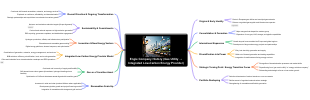
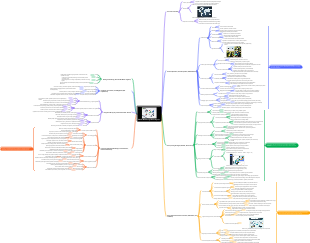
Discover the rich history of BASF, a global chemical leader that has evolved through innovation and strategic transformations. This timeline highlights key milestones from its founding in 1865 in Mannheim, Germany, where it began with coal-tar dyes, to its significant expansion during the World Wars and eventual re-establishment as an independent entity post-IG Farben dissolution. The company embraced globalization in the latter half of the 20th century, enhancing its portfolio through strategic acquisitions and a focus on specialty chemicals. By the 2000s, BASF had transformed into a modern chemical powerhouse, emphasizing sustainability and operational efficiency as it adapted to changing market demands. Explore how BASF's journey shapes the chemical industry today.
Edited at 2026-03-26 01:21:46This strategic SWOT analysis explores how Aeon can navigate the competitive online landscape, highlighting strengths, weaknesses, opportunities, and threats. Strengths include strong brand recognition (trusted Japanese heritage, quality), omnichannel capabilities (stores + online + mall integration), customer loyalty programs (Aeon Card, points, member pricing), and physical footprint (extensive store network for pickup/returns). Weaknesses encompass digital maturity gaps (e-commerce penetration, app functionality, personalization vs. Amazon, Alibaba), cost structure challenges (store-heavy, real estate, labor), and supply chain complexity (fresh food, frozen logistics for online). Opportunities include enhancing e-commerce competitiveness (faster delivery, wider assortment, lower minimum order), leveraging data-driven strategies (purchase history, personalized offers, inventory optimization), expanding omnichannel integration (buy online pick up in store, ship from store), and private label growth (Topvalu, localized brands). Threats involve online-first players (Amazon, Alibaba, Sea Limited) with lower costs, wider selection, faster delivery, market dynamics (changing consumer behavior post-COVID, discount competitors), and regulatory risks (data privacy, cross-border e-commerce rules). Aeon can strengthen market position by investing in digital capabilities, leveraging store assets for omnichannel, and using customer data for personalization, while addressing cost structure and online competition.

This analysis explores how Aeon effectively tailors offerings to meet the diverse needs of family-oriented consumers through a comprehensive Segmentation, Targeting, and Positioning (STP) framework. Demographic segmentation examines family life stages (young families with babies, school-aged children, teenagers, empty nesters), household sizes (small vs. large), income levels (mass, premium), and parent age bands (millennials, Gen X). This identifies distinct consumer groups with different spending patterns. Geographic segmentation highlights store catchment types (urban, suburban, rural), community characteristics (density, income, competition), and local preferences (fresh food, halal, Japanese products). Psychographic segmentation delves into family values (health, safety, education, convenience), lifestyle orientations (busy professionals, home-centered, eco-conscious). Behavioral segmentation focuses on shopping missions (daily grocery, weekly stock-up, seasonal shopping), price sensitivity (value seekers, premium), channel preferences (in-store, online, pickup). Needs-based segmentation reveals core family needs related to value (good-better-best pricing), budget considerations (affordability, promotions, member pricing), safety (food quality, product recall), convenience (one-stop shopping, parking, store hours). Targeting prioritizes young families with school-aged children, budget-conscious households, and convenience-seeking shoppers. Positioning emphasizes Aeon as a family-friendly, value-for-money, one-stop destination with Japanese quality and local relevance. These insights enhance family shopping experiences through tailored assortments (kids’ products, school supplies), promotions (family bundles, weekend events), and services (nursing rooms, kids’ play areas).
This Kream Sneaker Consumption Scene Analysis Template aims to visualize purchasing and consumption journeys of sneakers, identifying key demand drivers and obstacles. User behavior within Kream includes searching, bidding, buying, selling, authentication, and community engagement. External influences include brand drops (Nike, Adidas), social media (Instagram, TikTok), influencer hype, and cultural trends. Target categories: limited editions, collaborations, retro releases, performance sneakers, and general releases. Timeframes: launch day, first week, first month, long-term (seasonal, yearly). Regions: North America, Europe, Asia (Korea, China, Japan). User segments: Collectors: value rarity, condition, completeness (box, accessories). KPIs: collection size, spend, authentication rate. Resellers: value profit margin, volume, turnover. KPIs: sell-through rate, average profit, listing frequency. Sneakerheads: value hype, trends, community validation. KPIs: purchase frequency, social engagement, wishlist adds. Casual trend followers: value style, convenience, price. KPIs: conversion rate, average order value, repeat purchases. Gift purchasers: value ease, presentation, brand trust. KPIs: gift message usage, return rate. Consumption journey: Awareness: social media, email, push notifications. Search: browse, filter, search by brand, model, size. Purchase: bid, buy now, payment, shipping. Authentication: inspection, verification, certification. Resale: list, price, sell, transfer. Sharing: review, unboxing, social post, community discussion. Key performance indicators: conversion rate, sell-through rate, average order value, customer lifetime value, authentication pass rate, return rate, Net Promoter Score. This framework helps understand sneaker trading dynamics, user motivations, and touchpoints for engagement and satisfaction.
This strategic SWOT analysis explores how Aeon can navigate the competitive online landscape, highlighting strengths, weaknesses, opportunities, and threats. Strengths include strong brand recognition (trusted Japanese heritage, quality), omnichannel capabilities (stores + online + mall integration), customer loyalty programs (Aeon Card, points, member pricing), and physical footprint (extensive store network for pickup/returns). Weaknesses encompass digital maturity gaps (e-commerce penetration, app functionality, personalization vs. Amazon, Alibaba), cost structure challenges (store-heavy, real estate, labor), and supply chain complexity (fresh food, frozen logistics for online). Opportunities include enhancing e-commerce competitiveness (faster delivery, wider assortment, lower minimum order), leveraging data-driven strategies (purchase history, personalized offers, inventory optimization), expanding omnichannel integration (buy online pick up in store, ship from store), and private label growth (Topvalu, localized brands). Threats involve online-first players (Amazon, Alibaba, Sea Limited) with lower costs, wider selection, faster delivery, market dynamics (changing consumer behavior post-COVID, discount competitors), and regulatory risks (data privacy, cross-border e-commerce rules). Aeon can strengthen market position by investing in digital capabilities, leveraging store assets for omnichannel, and using customer data for personalization, while addressing cost structure and online competition.
This analysis explores how Aeon effectively tailors offerings to meet the diverse needs of family-oriented consumers through a comprehensive Segmentation, Targeting, and Positioning (STP) framework. Demographic segmentation examines family life stages (young families with babies, school-aged children, teenagers, empty nesters), household sizes (small vs. large), income levels (mass, premium), and parent age bands (millennials, Gen X). This identifies distinct consumer groups with different spending patterns. Geographic segmentation highlights store catchment types (urban, suburban, rural), community characteristics (density, income, competition), and local preferences (fresh food, halal, Japanese products). Psychographic segmentation delves into family values (health, safety, education, convenience), lifestyle orientations (busy professionals, home-centered, eco-conscious). Behavioral segmentation focuses on shopping missions (daily grocery, weekly stock-up, seasonal shopping), price sensitivity (value seekers, premium), channel preferences (in-store, online, pickup). Needs-based segmentation reveals core family needs related to value (good-better-best pricing), budget considerations (affordability, promotions, member pricing), safety (food quality, product recall), convenience (one-stop shopping, parking, store hours). Targeting prioritizes young families with school-aged children, budget-conscious households, and convenience-seeking shoppers. Positioning emphasizes Aeon as a family-friendly, value-for-money, one-stop destination with Japanese quality and local relevance. These insights enhance family shopping experiences through tailored assortments (kids’ products, school supplies), promotions (family bundles, weekend events), and services (nursing rooms, kids’ play areas).
This Kream Sneaker Consumption Scene Analysis Template aims to visualize purchasing and consumption journeys of sneakers, identifying key demand drivers and obstacles. User behavior within Kream includes searching, bidding, buying, selling, authentication, and community engagement. External influences include brand drops (Nike, Adidas), social media (Instagram, TikTok), influencer hype, and cultural trends. Target categories: limited editions, collaborations, retro releases, performance sneakers, and general releases. Timeframes: launch day, first week, first month, long-term (seasonal, yearly). Regions: North America, Europe, Asia (Korea, China, Japan). User segments: Collectors: value rarity, condition, completeness (box, accessories). KPIs: collection size, spend, authentication rate. Resellers: value profit margin, volume, turnover. KPIs: sell-through rate, average profit, listing frequency. Sneakerheads: value hype, trends, community validation. KPIs: purchase frequency, social engagement, wishlist adds. Casual trend followers: value style, convenience, price. KPIs: conversion rate, average order value, repeat purchases. Gift purchasers: value ease, presentation, brand trust. KPIs: gift message usage, return rate. Consumption journey: Awareness: social media, email, push notifications. Search: browse, filter, search by brand, model, size. Purchase: bid, buy now, payment, shipping. Authentication: inspection, verification, certification. Resale: list, price, sell, transfer. Sharing: review, unboxing, social post, community discussion. Key performance indicators: conversion rate, sell-through rate, average order value, customer lifetime value, authentication pass rate, return rate, Net Promoter Score. This framework helps understand sneaker trading dynamics, user motivations, and touchpoints for engagement and satisfaction.
BASF Company History (Timeline)
Founding & Early Expansion (1865–1913)
1865
Founded as Badische Anilin- & Soda-Fabrik in Mannheim (Baden, Germany) by Friedrich Engelhorn; soon operated mainly from Ludwigshafen on the Rhine.
Early focus on coal-tar dyes, soda, and chemical intermediates; began building integrated “Verbund” logic around shared raw materials, energy, and by-products.
1870s–1890s
Rapid scale-up of synthetic dye and industrial chemical production; stronger research capability and pilot-to-plant transfer.
Expanded exports as global textile industries demanded synthetic dyes.
1900–1913
Major investments in large-scale chemical processes and tighter site integration in Ludwigshafen, reinforcing efficiency and cost advantages of interconnected plants.
World War I, Industrial Breakthroughs & IG Farben Era (1914–1945)
1914–1918
Wartime pressures accelerated capacity for strategic chemicals.
Industrialized ammonia synthesis at scale via Haber-Bosch, enabling fertilizer and downstream chemicals.
1925
Became part of the merger forming IG Farbenindustrie AG (IG Farben), consolidating major German chemical firms.
1930s
Expanded fuels, rubber, and synthetic materials under autarky policies; large-scale chemical engineering growth.
1939–1945
WWII demands reshaped operations; facilities damaged and disrupted by bombing and industry collapse.
Postwar Dissolution & BASF Re-Founded (1945–1959)
1945–1952
IG Farben dismantled by Allied authorities; BASF assets and governance separated from IG Farben structure.
1952
Re-established as an independent company (BASF Aktiengesellschaft), rebuilding production networks and restarting exports.
1950s
Reconstructed and modernized Ludwigshafen; expanded petrochemicals and intermediates, setting foundations for postwar growth.
Globalization, Petrochemicals & Plastics Growth (1960–1979)
1960s
Expanded into petrochemicals and plastics using integration advantages (feedstocks → intermediates → polymers).
Broadened international footprint via subsidiaries and site development beyond Germany.
1970s
Scaled polymers, coatings raw materials, and industrial chemicals despite oil shocks; efficiency and integration became even more central.
From petrochemical build-out to global site expansion, integration buffered competitiveness through volatile energy markets.
Portfolio Broadening & Strategic Acquisitions (1980–1999)
1980s
Increased focus on specialty chemicals and higher-value applications while maintaining a large commodity backbone.
Strengthened R&D and application development closer to key customer industries (automotive, construction, consumer goods).
1990s
Expanded global operations amid European market integration and post-reunification shifts.
Deepened positions in performance products and crop-related chemistries, diversifying earnings.
Transformation into a Modern Global Chemical Leader (2000–2009)
2000
Expanded crop protection via acquisition of American Cyanamid’s crop protection business, strengthening BASF’s agricultural platform.
2005–2006
Portfolio reshaping through acquisition of specialty assets (including parts of Dow/Engelhard era), emphasizing optimization and specialty expansion.
2007
Acquired Degussa’s construction chemicals business, building a core pillar in construction-related offerings.
2008
Acquired Ciba Holding AG, expanding specialties in additives, pigments, and performance chemicals.
2009
Integrated and restructured to capture synergies; combined “Verbund” scale with higher-margin specialties.
Refocusing, Sustainability Push & Business Model Updates (2010–2019)
2011–2016
Increased focus on sustainability, energy efficiency, and product stewardship; R&D targeted resource efficiency and lower-emission solutions.
Continued global capacity investments, especially in Asia, aligning supply with demand growth.
2018
Acquired seed and non-selective herbicide businesses divested from Bayer (post Bayer–Monsanto remedies), strengthening Agricultural Solutions with seeds/traits expansion.
2019
Ongoing portfolio management and organizational adjustments to improve accountability and customer proximity.
Resilience, Energy Transition & Portfolio Streamlining (2020–Present)
2020–2021
Managed COVID-era disruptions while maintaining global supply; accelerated digitalization and operational resilience initiatives.
2022
European energy crisis and geopolitical shocks raised costs and supply risks; intensified adaptation of European footprint and energy-security measures.
2023
Advanced cost-saving programs and structural measures; sharper focus on core chemicals, materials, and agricultural solutions with profitability discipline.
2024–Present
Ongoing decarbonization (process electrification, renewable power sourcing, circular economy initiatives), expansion in growth regions, and streamlining/divestment of non-core activities—preserving “Verbund” advantage while shifting toward lower-carbon production.