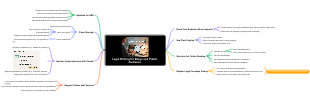
MindMap Gallery 创作者影评&剧评系统脑图
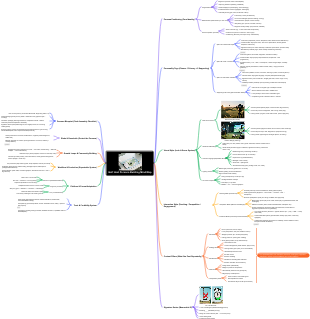
Introducing the Creator Film & TV Review System: a comprehensive framework designed to enhance your viewing and reviewing experience. This structured approach unfolds in three phases. In Phase 1, define your review mission, select the work and scope, conduct pre-watch research, and prepare necessary templates and tools. Phase 2 focuses on immersive watching and first-pass capture, emphasizing immediate reactions and time-coded notes for key scenes. Finally, Phase 3 involves post-watch recall and organization, where you capture hot takes, reconstruct the plot, map characters, and formulate theme hypotheses. Elevate your critique with clarity, originality, and depth, whether for general audiences or industry learners.
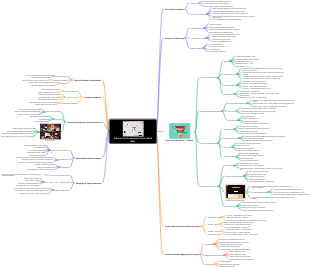
Edited at 2026-03-26 01:23:26中国のDouyin(抖音)ECサイトにおけるユーザープロファイル分析を深掘りします。本分析では、ユーザー属性を年齢層(Z世代、ミレニアル世代、中壮年層、シルバー層)や都市ランクに基づいて層別化し、消費能力と購買行動を多角的に考察します。興味タグや関心事(美容、グルメ、テクノロジー、ライフスタイル)を明らかにし、ユーザーのアクティブ時間帯や購買動機を分析します。また、コンテンツ嗜好やスタイル、コンバージョンパス、短動画の企画方向性についても詳述し、効果的なマーケティング戦略を探ります

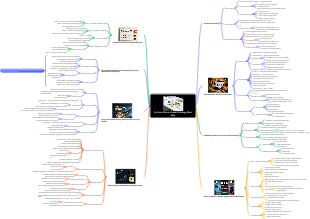
天猫美妆の「価格が高い」という異議に対処し、商品の価値を再構築するための戦略をご紹介します。まず、顧客の心理的障壁を取り除くために、価格への共感とフレーミングを行います。次に、商品の機能的価値と情緒的価値を最大化し、具体的な効果を可視化します。プロモーションによるお得感を強調し、会員特典や期間限定の希少性も活用します。最後に、リスクを払拭し、購入の緊急性を促すことで成約を促進します。このアプローチにより、顧客は価格以上の価値を実感できるでしょう
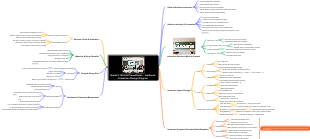
淘宝(Taobao)の検索流量転化漏斗分析では、効果的なマーケティング戦略を探るための重要なステージを紹介します。まず、検索露出ステージでは、キーワードマッチングやユーザー属性タグの最適化が鍵となります。次に、クリックスルーステージでは、視覚的な要素や価格戦略がクリック率に影響します。続いて、検討・関心ステージでは、商品詳細ページの説得力やユーザーレビューが重要です。最終的なコンバージョンステージでは、決済プロセスの心理的障壁を取り除く工夫が求められます。また、最適化ノードとフィードバック構造により、データ分析を活用した継続的な改善が可能です
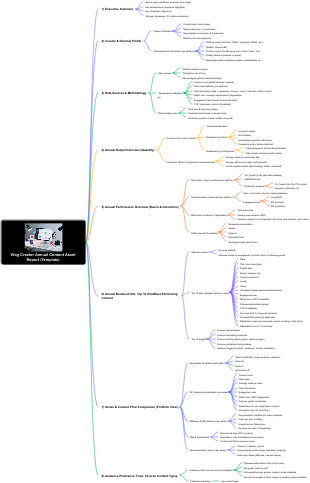
中国のDouyin(抖音)ECサイトにおけるユーザープロファイル分析を深掘りします。本分析では、ユーザー属性を年齢層(Z世代、ミレニアル世代、中壮年層、シルバー層)や都市ランクに基づいて層別化し、消費能力と購買行動を多角的に考察します。興味タグや関心事(美容、グルメ、テクノロジー、ライフスタイル)を明らかにし、ユーザーのアクティブ時間帯や購買動機を分析します。また、コンテンツ嗜好やスタイル、コンバージョンパス、短動画の企画方向性についても詳述し、効果的なマーケティング戦略を探ります
天猫美妆の「価格が高い」という異議に対処し、商品の価値を再構築するための戦略をご紹介します。まず、顧客の心理的障壁を取り除くために、価格への共感とフレーミングを行います。次に、商品の機能的価値と情緒的価値を最大化し、具体的な効果を可視化します。プロモーションによるお得感を強調し、会員特典や期間限定の希少性も活用します。最後に、リスクを払拭し、購入の緊急性を促すことで成約を促進します。このアプローチにより、顧客は価格以上の価値を実感できるでしょう
淘宝(Taobao)の検索流量転化漏斗分析では、効果的なマーケティング戦略を探るための重要なステージを紹介します。まず、検索露出ステージでは、キーワードマッチングやユーザー属性タグの最適化が鍵となります。次に、クリックスルーステージでは、視覚的な要素や価格戦略がクリック率に影響します。続いて、検討・関心ステージでは、商品詳細ページの説得力やユーザーレビューが重要です。最終的なコンバージョンステージでは、決済プロセスの心理的障壁を取り除く工夫が求められます。また、最適化ノードとフィードバック構造により、データ分析を活用した継続的な改善が可能です
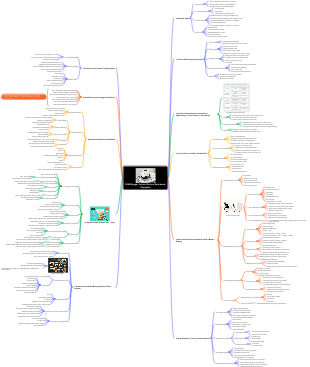
Creator Film & TV Review System Timeline
Phase 1 — Goal & Positioning (Before Watching)
Define the review mission
Choose focus: film criticism, TV/series criticism, or both
Decide review angle: storytelling, directing, acting, cinematography, theme, cultural context, genre, craft
Set audience: general viewers vs. cinephiles vs. industry learners
Define success metrics: clarity, originality, accuracy, consistency, retention, shareability
Select the work & scope
Identify title, release year, country/region, runtime/episode count, platform
Confirm review scope: single film / season review / episode-by-episode / arc-based
Establish spoiler policy: no spoilers / light spoilers / full spoilers + spoiler sections
Pre-watch research (lightweight to avoid bias)
Basic facts: director, writer, main cast, source material, genre, awards/festivals
Production context: budget scale, studio/network constraints, censorship/rating, intended audience
Creative intent (optional): director statements, interviews (note: may bias interpretation)
Comparable references: similar works, genre conventions, historical lineage
Prepare templates & tools
Note-taking method: timestamp notes / scene cards / voice memos
Storage: Notion/Obsidian/Docs + folder structure per title
Asset plan: screenshots policy, quotes, stills, citation rules
Standard review checklist: story, character, pacing, theme, craft, standout scenes, flaws, audience fit
Phase 2 — Watching & First-Pass Capture (During Watching)
First watch goals
Prioritize immersion: understand plot, tone, emotional arc
Capture immediate reactions: “what I felt” + “when it changed”
Mark confusion points: unclear motivations, plot gaps, exposition overload
Time-coded note capture
Record timestamps for: inciting incident, turning points, climax, resolution
Record timestamps for: character introductions, reveals, betrayals, deaths, turning decisions
Record timestamps for: visual motifs, music cues, recurring symbols
Record timestamps for: scene transitions (montage, ellipses, flashbacks, parallel editing)
Quick-tag system: PLOT / CHAR / THEME / VISUAL / SOUND / DIALOGUE / PACE / LOGIC / WORLD / SYMBOL
Scene inventory (light version)
For each key scene, jot: scene goal (what changes)
For each key scene, jot: stakes (what can be lost)
For each key scene, jot: conflict (internal/external)
For each key scene, jot: outcome (who wins/loses)
For each key scene, jot: memorable craft (framing, lighting, blocking, score, editing rhythm)
First-pass rating snapshots (optional)
Rate in-the-moment: engagement, clarity, emotional impact
Flag candidates for rewatch: “must rewatch” scenes for analysis
Phase 3 — Post-Watch Recall & Organization (Immediately After Watching)
Hot take capture (within 30 minutes)
3–5 bullet impressions: strongest point, weakest point, biggest surprise
Emotional summary: what lingered and why
One-sentence logline: what the work is “really about” (your interpretation)
Plot reconstruction
Write a concise beat outline
Identify structural form: three-act, five-act, hero’s journey, episodic procedural, anthology, mystery box
For series: season spine (main question), mid-season pivot, finale resolution/tease
For series: episode functions (setup, escalation, bottle episode, payoff)
Character map
List protagonists/antagonists: want vs. need
List protagonists/antagonists: internal wound/contradiction
List protagonists/antagonists: arc milestones (start → shift → end)
List key relationships and power dynamics
Theme hypothesis set
Draft 2–4 candidate themes
Match each theme to 2–3 supporting moments (scenes/lines/visual motifs)
Craft inventory
Cinematography: composition, lens choices, camera movement, color palette
Editing: pacing, continuity, montage logic, parallel cutting
Sound: score strategy, leitmotifs, silence, diegetic vs non-diegetic sound
Production design: sets, props, costume, period accuracy, symbolism
Performances: physicality, subtext, chemistry, accent consistency
Phase 4 — Deep Analysis (Rewatch + Frameworks)
Selective rewatch plan
Rewatch only flagged scenes first; expand if needed
Verify claims: confirm details with timestamps and exact lines
Capture evidence: precise moment + what it demonstrates
Narrative & structure analysis
Stakes ladder: how stakes escalate and whether escalation is earned
Cause-and-effect chain: identify conveniences, deus ex machina, plot armor
Information design: how mystery/clues are planted and paid off
Pacing diagnosis: slow (repetition/lack of escalation/unclear goal) vs fast (missing setup/compressed emotional beats)
Character & relationship analysis
Agency audit: who drives events vs. who is dragged by plot
Arc coherence: does change track with experiences?
Relationship dynamics: dependency, rivalry, mentorship, romance, betrayal
Dialogue function: exposition vs character revelation vs thematic argument
Theme & meaning analysis
Theme articulation: “The work argues that ___, because ___, shown by ___.”
Counter-reading: alternative interpretation + supporting evidence
Symbol/motif tracking: recurrence + evolution + payoff
Ending interpretation: what is resolved vs left ambiguous, and why it matters
Genre & convention analysis
Genre promises: what the audience expects
Subversion vs fulfillment: innovate vs clichés
Comparative positioning: similar works and key differences (tone, message, craft)
Craft deep-dive frameworks
Visual storytelling: blocking/power (space, low/high framing)
Visual storytelling: color scripting aligned with emotional states
Visual storytelling: shot analysis patterns (establishing → medium → close-up) and deliberate breaks
Editing language: match cuts, jump cuts, rhythm, ellipses, temporal clarity
Sound strategy: score placement logic; silence as tension; motif repetition
Performance reading: micro-expressions, gesture language, subtext vs spoken text
Quality & coherence evaluation
Internal logic: rules of world, consistency, consequences
Emotional logic: feels true even when heightened
Originality: novel ideas vs familiar packaging
Accessibility: clarity for newcomers vs reward for attentive viewers
Phase 5 — Review Positioning & Argument Design (Before Writing)
Define the review’s core thesis
Thesis formula: “This film/series succeeds/fails as ___ because ___, most evident in ___.”
Choose 1 primary thesis + 2–4 supporting pillars
Select review type
Consumer guide: should you watch it? who is it for?
Craft analysis: how it achieves effects
Cultural critique: what it says about society/politics
Ending explained / theme deep-dive
Episode recap + commentary (series format)
Determine spoiler architecture
Non-spoiler section: premise + overall verdict + craft snapshot
Spoiler section: structural analysis, ending, key reveals
Clear headings and spoiler warnings
Evidence plan
For each pillar: Claim → Evidence (scene/line/shot) → Interpretation → Impact
Balance: avoid “vibes-only”; avoid over-quoting
Fairness & bias check
Separate “I didn’t like” from “it’s poorly made”
Note preference conflicts (genre dislike, pacing tolerance, actor bias)
Acknowledge what it does well even if overall negative
Phase 6 — Writing (Draft to Full Manuscript)
Standard outline (adaptable)
Hook: sharp observation, question, or comparison
Quick context: title/year/creator + one-sentence premise
Thesis statement: main argument in 1–2 sentences
Body sections (2–5): storytelling/structure; characters/performances; themes/meaning; craft (visual/sound/editing); optional cultural context/genre position
Best moments: 2–3 standout scenes with why they work (avoid full recap)
Weak points: specific issues + why they matter (not nitpicks unless relevant)
Verdict: who should watch/skip + ideal viewing conditions
Writing standards
Be specific: replace “good cinematography” with what + how + effect
Avoid plot retelling: use plot only as evidence for argument
Keep claims falsifiable: anchor to moments viewers can verify
Maintain reader guidance: headings, signposting, short paragraphs for readability
Style options (choose and standardize)
Analytical/formal vs conversational/personal
Rating system: stars / 10-point / tier list / “Worth your time?” binary
Consistent vocabulary: define “pacing,” “stakes,” “tone,” “theme”
Phase 7 — Editing & Quality Control
Self-edit passes
Structure pass: thesis early + consistent; each section proves something new
Clarity pass: remove vague adjectives; add evidence; simplify long sentences; define jargon
Logic pass: check contradictions; ensure cause-effect reasoning
Fairness pass: briefly steelman opposing view if relevant
Length pass: cut repetition; keep best examples only
Fact-checking
Names/roles (director/writer), release dates, episode titles
Quote accuracy; avoid misattribution
Confirm technical terms (shot types, editing terms)
Spoiler compliance
Ensure spoiler sections are clearly marked
Social post snippets remain spoiler-free if promised
Sensitivity & ethics check
Avoid personal attacks on creators/actors
Flag sensitive topics (violence, SA, self-harm) if necessary
Avoid moral certainty; distinguish depiction from endorsement
Phase 8 — Publishing & Packaging
Format adaptation
Written article: headings, pull quotes, “TL;DR”
Video essay: script + b-roll plan + voiceover beats
Short-form: 3-point verdict + one killer example
Podcast: segment plan + discussion questions
Metadata & discoverability
Title formula: “Why [Title] Works/Fails: [Core Idea]”
SEO basics: include title + year + creator names + genre keywords
Tags/categories: genre, themes, director, platform, season number
Visual assets
Thumbnail/key image concept aligned with thesis
Captions for stills; source rules and fair-use awareness
Calls to action
Prompt discussion: “What did you think the ending implies?”
Link related reviews and creator pages
Phase 9 — Post-Publish Feedback Loop
Engagement tracking
Quantitative: views, read time, retention, comments, saves, shares
Qualitative: recurring questions, disagreements, confusion points
Revision policy
Correct factual errors publicly and quickly
Update with new context (director interview, later seasons) with date notes
Comment system workflow
FAQ responses: prepare standard replies for common questions
Moderation: spoiler control, harassment policy, community guidelines
Personal learning log
What worked in your argument?
Which evidence landed best?
What to improve next time (pacing, examples, structure)
Phase 10 — Systemization & Scaling (Long-Term)
Template library
Film review template (non-spoiler/spoiler)
Season review template
Episode recap template
“Ending explained” template
“Theme deep-dive” template
Knowledge base building
Database fields: title, year, region, genre, creators, themes, motifs, rating, key scenes
Cross-linking: connect works by director, genre evolution, recurring themes
Comparative framework
Maintain a benchmark list per genre
Track your own evolving taste and criteria over time
Production pipeline (for creators)
Calendar: watch date → draft date → edit date → publish date
Batch processes: watch multiple works, then write in batches
Collaboration options: co-writer notes, editor checklist, peer review swap
Quality bar maintenance
Periodic audit: re-read older reviews for consistency and growth
Anti-burnout rules: limit weekly output, standardize note depth, reuse templates