Wondershare EdrawMind
MindMap Gallery project management teams
project management teams
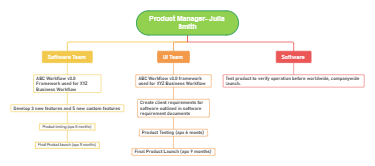
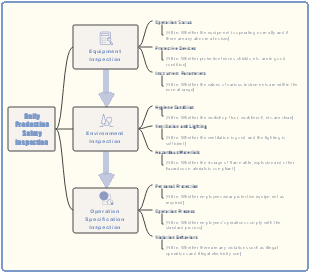
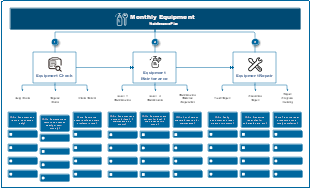
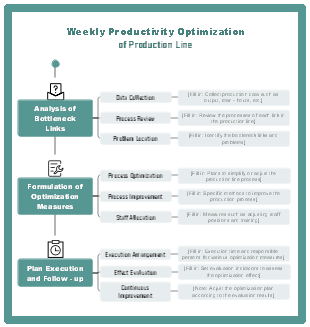
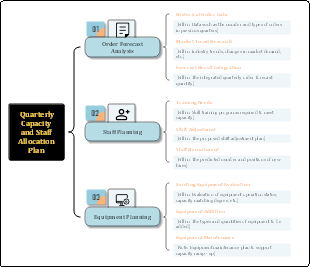
This is a mind map about project management teams.It adopts a structured meeting framework to systematically organize the full process of a requirement review session and the cross-functional collaboration mechanisms involved. The map is vertically organized around the review process: meeting arrangement (meeting time, location, participating department personnel), meeting process (requirement introduction, discussion session, feedback collection), and consensus reaching.
Edited at 2026-04-07 08:28:52
- Análise do Esquadrão da França
A seleção da França é, sem dúvida, uma das mais temidas no cenário do futebol mundial, especialmente com a aproximação da Copa do Mundo FIFA 2026. Este perfil analisa as forças e fraquezas do esquadrão francês, destacando seu núcleo excepcional e as táticas empregadas. Entre(Este conteúdo é gerado por IA. É apenas para referência.)
- Avaliação detalhada do esquadrão alemão, estilo de jogo e perspectivas para 2026
Este mapa mental, elaborado com o EdrawMind, apresenta uma análise preditiva e detalhada da Seleção Alemã de Futebol para a Copa do Mundo FIFA 2026, cobrindo desde a visão geral da equipe até suas vantagens e riscos. É um guia completo para entender o potencial da equipe, baseado na forma atual dos jogadores e na opinião pública. Começa com uma visão geral básica: a "Mannschaft", tetracampeã do mundo, chega à competição com o status de candidato ao título, combinando a tradição do futebol europeu com um estilo de jogo moderno, ofensivo e versátil. O coração do mapa é o esquadrão previsto de 26 jogadores, organizado por posição: Goleiros: Manuel Neuer (experiente e líder), Marc-André ter Stegen e Oliver Baumann. Defensores: Benjamin Henrichs, Matthias Ginter, Nico Schlotterbeck, David Raum, Joshua Kimmich, İlkay Gündoğan, Thilo Kehrer, Waldemar Anton e Malick Thiaw, que oferecem solidez, versatilidade e energia. Meias-campistas: Joshua Kimmich, İlkay Gündoğan, Florian Wirtz, Serge Gnabry, Pascal Groß, Robert Andrich, Mario Götze e Kai Havertz, formando um meio de campo criativo e dinâmico. Atacantes: Thomas Müller, Kai Havertz, Jamal Musiala, Niclas Füllkrug, Leroy Sané e Serge Gnabry, que trazem experiência, versatilidade e poder de finalização. O mapa detalha a filosofia do técnico Julian Nagelsmann, com uma ênfase no futebol ofensivo, de ataque e alta intensidade, baseado em jovens talentos e jogadores do Bayern de Munique e Borussia Dortmund. A formação inicial prevista (4-2-3-1) e a estrutura tática são analisadas, destacando a importância de Kimmich e Gündoğan como líderes. Além disso, avalia talentos jovens em ascensão como Jamal Musiala e Florian Wirtz, aponta as vantagens (abundância de talentos, coesão e experiência) e as fraquezas e riscos ocultos (falta de ponta de lança, eficiência em jogos difíceis e mentalidade dos jovens). Finaliza com as perspectivas da Copa: a fase de grupos, o objetivo de chegar às quartas de final e a ambição de competir pelo títu
- 2026 世界盃法國國家隊:陣容、戰術與晉級前景全面剖析
本分析針對 2026 年美加墨世界盃的法國國家隊,進行全方位的戰力與戰術剖析,幫助讀者深入了解這支衛冕冠軍的實力與潛力。首先,「團隊概述」部分介紹法國隊的歷史榮耀,包括兩次世界盃冠軍、兩次歐洲盃冠軍,以及長期位居 FIFA 排名前列的實力,強調其做為連屆大賽強隊的地位。 接著是「預測 26 人名單」,按守門員、後衛、中場、前鋒分類,逐一解析預選球員的特點與角色,重點解析基利安・姆巴佩、奧雷利安・楚阿梅尼、金斯利・科曼等核心球員的作用,以及他們如何在球隊中發揮關鍵影響力。「戰術體系」部分深入解析法國隊預計採用的陣型與風格,探討如何透過攻守平衡、快速反擊、邊路突破與中場壓迫,最大化球員的個人優勢。 「主要戰術要點」則進一步說明進攻組織、防守架構與攻防轉換速度,展現法國隊的整體戰鬥力與應變能力。此外,本分析也涵蓋「優勢與劣勢」部分,全面評估法國隊的優點與潛在風險,並指出其奪冠路上的關鍵挑戰,幫助讀者客觀看待這支球隊的潛力。整體而言,本分析完整呈現了法國隊在 2026 世界盃的陣容、戰術與前景,幫助讀者深入了解這支擁有超強陣容的衛冕熱門。
project management teams
- Análise do Esquadrão da França
A seleção da França é, sem dúvida, uma das mais temidas no cenário do futebol mundial, especialmente com a aproximação da Copa do Mundo FIFA 2026. Este perfil analisa as forças e fraquezas do esquadrão francês, destacando seu núcleo excepcional e as táticas empregadas. Entre(Este conteúdo é gerado por IA. É apenas para referência.)
- Avaliação detalhada do esquadrão alemão, estilo de jogo e perspectivas para 2026
Este mapa mental, elaborado com o EdrawMind, apresenta uma análise preditiva e detalhada da Seleção Alemã de Futebol para a Copa do Mundo FIFA 2026, cobrindo desde a visão geral da equipe até suas vantagens e riscos. É um guia completo para entender o potencial da equipe, baseado na forma atual dos jogadores e na opinião pública. Começa com uma visão geral básica: a "Mannschaft", tetracampeã do mundo, chega à competição com o status de candidato ao título, combinando a tradição do futebol europeu com um estilo de jogo moderno, ofensivo e versátil. O coração do mapa é o esquadrão previsto de 26 jogadores, organizado por posição: Goleiros: Manuel Neuer (experiente e líder), Marc-André ter Stegen e Oliver Baumann. Defensores: Benjamin Henrichs, Matthias Ginter, Nico Schlotterbeck, David Raum, Joshua Kimmich, İlkay Gündoğan, Thilo Kehrer, Waldemar Anton e Malick Thiaw, que oferecem solidez, versatilidade e energia. Meias-campistas: Joshua Kimmich, İlkay Gündoğan, Florian Wirtz, Serge Gnabry, Pascal Groß, Robert Andrich, Mario Götze e Kai Havertz, formando um meio de campo criativo e dinâmico. Atacantes: Thomas Müller, Kai Havertz, Jamal Musiala, Niclas Füllkrug, Leroy Sané e Serge Gnabry, que trazem experiência, versatilidade e poder de finalização. O mapa detalha a filosofia do técnico Julian Nagelsmann, com uma ênfase no futebol ofensivo, de ataque e alta intensidade, baseado em jovens talentos e jogadores do Bayern de Munique e Borussia Dortmund. A formação inicial prevista (4-2-3-1) e a estrutura tática são analisadas, destacando a importância de Kimmich e Gündoğan como líderes. Além disso, avalia talentos jovens em ascensão como Jamal Musiala e Florian Wirtz, aponta as vantagens (abundância de talentos, coesão e experiência) e as fraquezas e riscos ocultos (falta de ponta de lança, eficiência em jogos difíceis e mentalidade dos jovens). Finaliza com as perspectivas da Copa: a fase de grupos, o objetivo de chegar às quartas de final e a ambição de competir pelo títu
- 2026 世界盃法國國家隊:陣容、戰術與晉級前景全面剖析
本分析針對 2026 年美加墨世界盃的法國國家隊,進行全方位的戰力與戰術剖析,幫助讀者深入了解這支衛冕冠軍的實力與潛力。首先,「團隊概述」部分介紹法國隊的歷史榮耀,包括兩次世界盃冠軍、兩次歐洲盃冠軍,以及長期位居 FIFA 排名前列的實力,強調其做為連屆大賽強隊的地位。 接著是「預測 26 人名單」,按守門員、後衛、中場、前鋒分類,逐一解析預選球員的特點與角色,重點解析基利安・姆巴佩、奧雷利安・楚阿梅尼、金斯利・科曼等核心球員的作用,以及他們如何在球隊中發揮關鍵影響力。「戰術體系」部分深入解析法國隊預計採用的陣型與風格,探討如何透過攻守平衡、快速反擊、邊路突破與中場壓迫,最大化球員的個人優勢。 「主要戰術要點」則進一步說明進攻組織、防守架構與攻防轉換速度,展現法國隊的整體戰鬥力與應變能力。此外,本分析也涵蓋「優勢與劣勢」部分,全面評估法國隊的優點與潛在風險,並指出其奪冠路上的關鍵挑戰,幫助讀者客觀看待這支球隊的潛力。整體而言,本分析完整呈現了法國隊在 2026 世界盃的陣容、戰術與前景,幫助讀者深入了解這支擁有超強陣容的衛冕熱門。
- Recommended to you
- Outline