MindMap Gallery List of Champions of the Tour de France Road Cycling Race
The Tour de France is cycling’s most prestigious Grand Tour, founded in 1903 and held annually in July (except during the two World Wars). The champion is determined by the shortest cumulative time across approximately 3,300‑3,600km of flat, hilly, and high‑mountain stages. The race finishes on the Champs‑Élysées in Paris. Early Founding Period (1903–1947) – National Team Era: The first champion was Maurice Garin (France, 1903), riding without a professional team. Henri Cornet (1904), Louis Trousselier (1905), and René Pottier (1906) kept the title in France. Lucien Petit‑Breton won back‑to‑back titles (1907–1908). François Faber of Luxembourg won in 1910. During this era, teams were national squads, often sponsored by Peugeot (French sponsor, not team nationality). The race was suspended during WWI (1915–1918) and WWII (1940–1946). Commercial Team Era (1962–1999) – Team Registration by Nationality: The race shifted to commercial teams. Jacques Anquetil (France) dominated the early 1960s, winning four titles (1962–1964) for the French Fama team. Federico Bahamontes (Spain) won in 1965, followed by Lucien Aimar (Belgium, 1966) and Roger Pingeon (France, 1967). Eddy Merckx (Belgium) became a legend, winning multiple titles with the French Fama team (1969, 1971, 1973). Jan Janssen (Netherlands, 1968) and Luis Ocaña (Spain, 1972) also claimed victory. The race continues to evolve, with modern champions embracing new tactics, training methods, and technology. The Tour remains cycling’s ultimate test of endurance, strategy, and team work.
Edited at 2026-04-28 03:44:00The Tour de France is cycling’s most prestigious and historic race. This timeline traces its evolution from a newspaper promotion in 1903 to today’s global sporting spectacle. Origin (1903) : The race was founded by L’Auto, a French newspaper predecessor, to boost circulation and promote cycling. The first edition took place in July 1903, with Maurice Garin crowned the first champion. Early rules were brutal: extra‑long single‑day stages, night cycling, no supplies, and individual participation. Historical Periodization: Ancient Start‑up Era (1903–1914) : The race was suspended during World War I (4 years) and World War II (7 years) – the only two long‑term interruptions in Tour history. Mid‑Century Development (1919–1969) : The competition formally switched to team‑based racing. Iconic jerseys were introduced: yellow (leader), green (sprinter), polka‑dot (climber), and white (best young rider). The “Five Crown Kings” – legendary multiple winners – emerged. Contemporary Top‑Level Era (2000–Present) : The Tour became the pinnacle of the UCI World Tour. Anti‑doping systems improved, global live streaming and commercialization peaked, and mountain difficulty escalated each year. Iconic Milestones: First Tour (1903); yellow jersey birth (1919); polka‑dot jersey (1933); green jersey (1953); white jersey (1975). The Festina doping scandal (1998) was the sport’s biggest crisis. In 2026, a Chinese rider is expected to finish – a historic first. Highest Honors: Eddy Merckx leads with five overall victories. The youngest champion is Henri Cornet (19 years, 352 days). The oldest is Firmin Lambot (36 years, 131 days). Only three riders have won the Triple Crown (Tour, Giro, World Championship) in the same year. Rule Evolution: Early Tours featured individual, ultra‑long stages with no rest days and no classification jerseys. Modern Tours are team‑based, feature 21 standard stages, two rest days, and four honor jerseys.
The Tour de France is cycling’s most prestigious Grand Tour, founded in 1903 and held annually in July (except during the two World Wars). The champion is determined by the shortest cumulative time across approximately 3,300‑3,600km of flat, hilly, and high‑mountain stages. The race finishes on the Champs‑Élysées in Paris. Early Founding Period (1903–1947) – National Team Era: The first champion was Maurice Garin (France, 1903), riding without a professional team. Henri Cornet (1904), Louis Trousselier (1905), and René Pottier (1906) kept the title in France. Lucien Petit‑Breton won back‑to‑back titles (1907–1908). François Faber of Luxembourg won in 1910. During this era, teams were national squads, often sponsored by Peugeot (French sponsor, not team nationality). The race was suspended during WWI (1915–1918) and WWII (1940–1946). Commercial Team Era (1962–1999) – Team Registration by Nationality: The race shifted to commercial teams. Jacques Anquetil (France) dominated the early 1960s, winning four titles (1962–1964) for the French Fama team. Federico Bahamontes (Spain) won in 1965, followed by Lucien Aimar (Belgium, 1966) and Roger Pingeon (France, 1967). Eddy Merckx (Belgium) became a legend, winning multiple titles with the French Fama team (1969, 1971, 1973). Jan Janssen (Netherlands, 1968) and Luis Ocaña (Spain, 1972) also claimed victory. The race continues to evolve, with modern champions embracing new tactics, training methods, and technology. The Tour remains cycling’s ultimate test of endurance, strategy, and team work.
Paris–Roubaix, nicknamed the “Hell of the North,” is one of cycling’s most brutal one‑day classics. Known for its treacherous cobblestone sectors, the race has been a fixture of the UCI World Tour since 1896 (excluding war years). The champion is the rider who completes the course from Compiègne (Paris before 1968) to the Roubaix velodrome in the shortest time. Early Start‑up Era (1896–1945) : Joseph Bruyer won the inaugural edition (1896) as a lone amateur. The race grew through the 20th century with legends like Sylvan Giner (1936), Raymond Impanis (1945), and Eddy Merckx (1952). Bernard Hinault triumphed in 1983, while Francesco Moser (1996) and George Hincapie (1999) added to the winners’ list. Modern Era (2000–present) : Fabian Cancellara (2012), Peter Sagan (2018), Dylan van Baarle (2022), Jonas Vingegaard (2023), and Matteo Jorgenson (2025) have all conquered the cobbles. Recent champions include Matteo van der Poel (2025) and Wout van Aert (2026 prediction), showcasing the race’s continued allure for top classics specialists. Core Records: The most championships are shared by Roger de Vlaeminck (Belgium) and Tom Boonen (Belgium) with four victories each. The youngest champion is Albert de Joan (19 years old, 1902). The oldest champion is Ferdinand de Vogt (36 years old, 1914). By nationality, Belgian riders have won the most titles, followed by France and Italy. These records underscore Paris–Roubaix’s reputation as a true test of power, endurance, and technical skill.
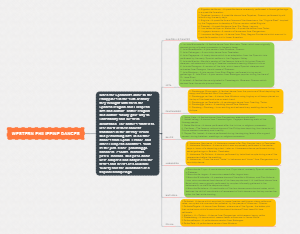
The Tour de France is cycling’s most prestigious and historic race. This timeline traces its evolution from a newspaper promotion in 1903 to today’s global sporting spectacle. Origin (1903) : The race was founded by L’Auto, a French newspaper predecessor, to boost circulation and promote cycling. The first edition took place in July 1903, with Maurice Garin crowned the first champion. Early rules were brutal: extra‑long single‑day stages, night cycling, no supplies, and individual participation. Historical Periodization: Ancient Start‑up Era (1903–1914) : The race was suspended during World War I (4 years) and World War II (7 years) – the only two long‑term interruptions in Tour history. Mid‑Century Development (1919–1969) : The competition formally switched to team‑based racing. Iconic jerseys were introduced: yellow (leader), green (sprinter), polka‑dot (climber), and white (best young rider). The “Five Crown Kings” – legendary multiple winners – emerged. Contemporary Top‑Level Era (2000–Present) : The Tour became the pinnacle of the UCI World Tour. Anti‑doping systems improved, global live streaming and commercialization peaked, and mountain difficulty escalated each year. Iconic Milestones: First Tour (1903); yellow jersey birth (1919); polka‑dot jersey (1933); green jersey (1953); white jersey (1975). The Festina doping scandal (1998) was the sport’s biggest crisis. In 2026, a Chinese rider is expected to finish – a historic first. Highest Honors: Eddy Merckx leads with five overall victories. The youngest champion is Henri Cornet (19 years, 352 days). The oldest is Firmin Lambot (36 years, 131 days). Only three riders have won the Triple Crown (Tour, Giro, World Championship) in the same year. Rule Evolution: Early Tours featured individual, ultra‑long stages with no rest days and no classification jerseys. Modern Tours are team‑based, feature 21 standard stages, two rest days, and four honor jerseys.
The Tour de France is cycling’s most prestigious Grand Tour, founded in 1903 and held annually in July (except during the two World Wars). The champion is determined by the shortest cumulative time across approximately 3,300‑3,600km of flat, hilly, and high‑mountain stages. The race finishes on the Champs‑Élysées in Paris. Early Founding Period (1903–1947) – National Team Era: The first champion was Maurice Garin (France, 1903), riding without a professional team. Henri Cornet (1904), Louis Trousselier (1905), and René Pottier (1906) kept the title in France. Lucien Petit‑Breton won back‑to‑back titles (1907–1908). François Faber of Luxembourg won in 1910. During this era, teams were national squads, often sponsored by Peugeot (French sponsor, not team nationality). The race was suspended during WWI (1915–1918) and WWII (1940–1946). Commercial Team Era (1962–1999) – Team Registration by Nationality: The race shifted to commercial teams. Jacques Anquetil (France) dominated the early 1960s, winning four titles (1962–1964) for the French Fama team. Federico Bahamontes (Spain) won in 1965, followed by Lucien Aimar (Belgium, 1966) and Roger Pingeon (France, 1967). Eddy Merckx (Belgium) became a legend, winning multiple titles with the French Fama team (1969, 1971, 1973). Jan Janssen (Netherlands, 1968) and Luis Ocaña (Spain, 1972) also claimed victory. The race continues to evolve, with modern champions embracing new tactics, training methods, and technology. The Tour remains cycling’s ultimate test of endurance, strategy, and team work.
Paris–Roubaix, nicknamed the “Hell of the North,” is one of cycling’s most brutal one‑day classics. Known for its treacherous cobblestone sectors, the race has been a fixture of the UCI World Tour since 1896 (excluding war years). The champion is the rider who completes the course from Compiègne (Paris before 1968) to the Roubaix velodrome in the shortest time. Early Start‑up Era (1896–1945) : Joseph Bruyer won the inaugural edition (1896) as a lone amateur. The race grew through the 20th century with legends like Sylvan Giner (1936), Raymond Impanis (1945), and Eddy Merckx (1952). Bernard Hinault triumphed in 1983, while Francesco Moser (1996) and George Hincapie (1999) added to the winners’ list. Modern Era (2000–present) : Fabian Cancellara (2012), Peter Sagan (2018), Dylan van Baarle (2022), Jonas Vingegaard (2023), and Matteo Jorgenson (2025) have all conquered the cobbles. Recent champions include Matteo van der Poel (2025) and Wout van Aert (2026 prediction), showcasing the race’s continued allure for top classics specialists. Core Records: The most championships are shared by Roger de Vlaeminck (Belgium) and Tom Boonen (Belgium) with four victories each. The youngest champion is Albert de Joan (19 years old, 1902). The oldest champion is Ferdinand de Vogt (36 years old, 1914). By nationality, Belgian riders have won the most titles, followed by France and Italy. These records underscore Paris–Roubaix’s reputation as a true test of power, endurance, and technical skill.
List of Champions of the Tour de France Road Cycling Race
Basic information of the competition
Full name of the event:
The Tour de France
Event type:
UCI Top Multi day Grand Prix, held annually in July
Winning rules:
Accumulated total time for each stage, shortest total time=champion yellow shirt
History of the event:
Founded in 1903, ceased operations during World War I (1915-1918) and World War II (1940-1946), and continued to operate normally
Characteristics of the schedule:
The total distance each year is not fixed, about 3300-3600km, with a combination of flat roads, hills, and high mountain tracks
Fixed endpoint:
Champs - É lys é es in Paris
List of Classic Champions Over the Years
1903-1947 Early Founding Period (National Team Era · Peugeot=French sponsor, non team nationality)
one thousand nine hundred and three
Maurice Garland (France)
No professional racing team, first championship
one thousand nine hundred and four
Henri Cornet (France)
No professional racing team
one thousand nine hundred and five
Louis Truzelier (France)
No professional racing team
one thousand nine hundred and six
Ren é Poitiers (France)
No professional racing team
one thousand nine hundred and seven
Lucien Petit Breton (France)
French national team, sponsored by Peugeot
one thousand nine hundred and eight
Lucien Petit Breton (France)
French national team, sponsored by Peugeot
one thousand nine hundred and nine
Fran ç ois Faber (Luxembourg)
Luxembourg national team, sponsored by Peugeot
one thousand nine hundred and ten
Oscar Lapize (France)
French national team, sponsored by Peugeot
one thousand nine hundred and eleven
Gabriel Poirot (France)
French national team, sponsored by Peugeot
one thousand nine hundred and twelve
Odile Dubois (Belgium)
Belgian national team, sponsored by Peugeot
one thousand nine hundred and thirteen
Philippe Ties (Belgium)
Belgian national team, sponsored by Peugeot
one thousand nine hundred and fourteen
Philippe Ties (Belgium)
Belgian national team, sponsored by Peugeot
1915-1918
Stop the First World War
one thousand nine hundred and nineteen
Henri Pellisier (France)
French national team, sponsored by Peugeot
one thousand nine hundred and twenty
Philippe Ties (Belgium)
Belgian national team, sponsored by Peugeot
one thousand nine hundred and twenty-one
Leon Squier (Belgium)
Belgian national team, sponsored by Peugeot
one thousand nine hundred and twenty-two
Felix Gobert (France)
French national team, sponsored by Peugeot
one thousand nine hundred and twenty-three
Henri Pellisier (France)
French national team, sponsored by Peugeot
one thousand nine hundred and twenty-four
Otel Bouti (Italy)
Italian national team, sponsored by Peugeot
one thousand nine hundred and twenty-five
Otel Bouti (Italy)
Italian national team, sponsored by Peugeot
one thousand nine hundred and twenty-six
Lucien Bison (France)
French national team, sponsored by Arsion
one thousand nine hundred and twenty-seven
Georges Langret (France)
French national team, sponsored by Arsion
one thousand nine hundred and twenty-eight
Nicolas Francois (Belgium)
Belgium national team, sponsored by Arsion
one thousand nine hundred and twenty-nine
Maurice Garlin (France)
French national team, sponsored by Arsion
one thousand nine hundred and thirty
Andr é Leduc (France)
French national team
one thousand nine hundred and thirty-one
Antoine Mane (France)
French national team
one thousand nine hundred and thirty-two
Andr é Leduc (France)
French national team
one thousand nine hundred and thirty-three
Georges Speeche (France)
French national team, sponsored by Arsion
one thousand nine hundred and thirty-four
Antoine Mane (France)
French national team
one thousand nine hundred and thirty-five
Roman Mayer (Belgium)
Belgium national team, sponsored by Arsion
one thousand nine hundred and thirty-six
Sylvan Giner (France)
French national team, sponsored by Arsion
one thousand nine hundred and thirty-seven
Roger Lapope (France)
French national team, sponsored by Arsion
one thousand nine hundred and thirty-eight
Ren é Chapelle (France)
French national team, sponsored by Arsion
one thousand nine hundred and thirty-nine
Sylvan Giner (France)
French national team, sponsored by Arsion
1940–1946
Suspension of World War II
one thousand nine hundred and forty-seven
Jean Robic (France)
French national team, sponsored by Peugeot
1948-1961 transitional period (still under the national team system)
one thousand nine hundred and forty-eight
Gino Batalli (Italy)
Italian national team, sponsored by Beretti
one thousand nine hundred and forty-nine
Faisto Kopi (Italy)
Italian national team, sponsored by Beretti
one thousand nine hundred and fifty
Ferdinand Kubler (Switzerland)
Swiss national team
one thousand nine hundred and fifty-one
Hugo Corbeche (France)
French national team
one thousand nine hundred and fifty-two
Faisto Kopi (Italy)
Italian national team, sponsored by Beretti
one thousand nine hundred and fifty-three
Louise Bouvet (France)
French national team
one thousand nine hundred and fifty-four
Louise Bouvet (France)
French national team
one thousand nine hundred and fifty-five
Louise Bouvet (France)
French national team
one thousand nine hundred and fifty-six
Roger Jacob (Belgium)
Belgium national team
one thousand nine hundred and fifty-seven
Jacques Anqueti (France)
French Autohome team, sponsored by Peugeot
one thousand nine hundred and fifty-eight
Sali Gaul (Belgium)
Belgium national team
one thousand nine hundred and fifty-nine
Federico Bahamonts (Spain)
Spanish national team
one thousand nine hundred and sixty
Gaston Neri (Italy)
The Italian national team
one thousand nine hundred and sixty-one
Jacques Anqueti (France)
French Autohome team, sponsored by Peugeot
1962-1999 Commercial Fleet Era (Fleet Registration Nationality)
one thousand nine hundred and sixty-two
Jacques Anqueti (France)
French Fama Racing Team
one thousand nine hundred and sixty-three
Jacques Anqueti (France)
French Fama Racing Team
one thousand nine hundred and sixty-four
Jacques Anqueti (France)
French Fama Racing Team
one thousand nine hundred and sixty-five
Federico Bahamonts (Spain)
Spanish commercial fleet
one thousand nine hundred and sixty-six
Lucien Aymer (Belgium)
Belgian commercial fleet
one thousand nine hundred and sixty-seven
Roger Puddy (France)
French commercial fleet
one thousand nine hundred and sixty-eight
Janus Janssen (Netherlands)
Dutch commercial fleet
one thousand nine hundred and sixty-nine
Eddie Mox (Belgium)
French Fama Racing Team
one thousand nine hundred and seventy
Eddie Mox (Belgium)
French Fama Racing Team
one thousand nine hundred and seventy-one
Eddie Mox (Belgium)
French Fama Racing Team
one thousand nine hundred and seventy-two
Eddie Mox (Belgium)
French Fama Racing Team
one thousand nine hundred and seventy-three
Luis Ocania (Spain)
Spanish commercial fleet
one thousand nine hundred and seventy-four
Eddie Mox (Belgium)
French Fama Racing Team
one thousand nine hundred and seventy-five
Bernard Thevenet (France)
French commercial fleet
one thousand nine hundred and seventy-six
Lucien Van Inpei (Belgium)
Belgian commercial fleet
one thousand nine hundred and seventy-seven
Bernard Thevenet (France)
French commercial fleet
one thousand nine hundred and seventy-eight
Bernard Chino (France)
French Renault Racing Team
one thousand nine hundred and seventy-nine
Bernard Chino (France)
French Renault Racing Team
one thousand nine hundred and eighty
Johann Schauer (Germany)
German commercial fleet
one thousand nine hundred and eighty-one
Bernard Chino (France)
French Renault Racing Team
one thousand nine hundred and eighty-two
Bernard Chino (France)
French Renault Racing Team
one thousand nine hundred and eighty-three
Laurent Finion (France)
French Renault Racing Team
one thousand nine hundred and eighty-four
Laurent Finion (France)
French Renault Racing Team
one thousand nine hundred and eighty-five
Bernard Chino (France)
French Renault Racing Team
one thousand nine hundred and eighty-six
Greg Lemon (USA)
American commercial fleet
one thousand nine hundred and eighty-seven
Stephen Roche (Ireland)
French commercial fleet
one thousand nine hundred and eighty-eight
Pedro Delgado (Spain)
Spanish commercial fleet
one thousand nine hundred and eighty-nine
Greg Lemon (USA)
American commercial fleet
one thousand nine hundred and ninety
Greg Lemon (USA)
American commercial fleet
one thousand nine hundred and ninety-one
Miguel Andulan (Spain)
Banqala Racing Team
one thousand nine hundred and ninety-two
Miguel Andulan (Spain)
Banqala Racing Team
one thousand nine hundred and ninety-three
Miguel Andulan (Spain)
Banqala Racing Team
one thousand nine hundred and ninety-four
Miguel Andulan (Spain)
Banqala Racing Team
one thousand nine hundred and ninety-five
Miguel Andulan (Spain)
Banqala Racing Team
one thousand nine hundred and ninety-six
Vicente Bos (Spain)
Spanish commercial fleet
one thousand nine hundred and ninety-seven
Jan Ulrich (Germany)
Deutsche Telekom fleet
one thousand nine hundred and ninety-eight
Marco Pantani (Italy)
Italian commercial fleet
From 1999 to present, contemporary commercial fleets
1999-2005
Armstrong doping scandal, officially stripped of 7 championships in 2012
two thousand and six
Oscar Pereiro (Spain)
Team Saxo Bank
two thousand and seven
Alberto Contado (Spain)
Team Saxo Bank
two thousand and eight
Carlos Sastre (Spain)
Team Saxo Bank
two thousand and nine
Alberto Contado (Spain)
Team Saxo Bank
two thousand and ten
Alberto Contado (Spain)
Team Saxo Bank
two thousand and eleven
Cadel Evans (Australia)
Swiss BMC Racing Team
two thousand and twelve
Bradley Wiggins (UK)
Team Sky
two thousand and thirteen
Chris Frum (UK)
Team Sky
two thousand and fourteen
Vincenzo Nibali (Italy)
Astana Racing Team
two thousand and fifteen
Chris Frum (UK)
Team Sky
two thousand and sixteen
Chris Frum (UK)
Team Sky
two thousand and seventeen
Chris Frum (UK)
Team Sky
two thousand and eighteen
Gerald Thomas (UK)
Team Sky
two thousand and nineteen
Igan Bernal (Colombia)
INEOS Racing Team
two thousand and twenty
Taday Bogacha (Slovenia)
Emirates fleet
two thousand and twenty-one
Taday Bogacha (Slovenia)
Emirates fleet
two thousand and twenty-two
Jonas Wengggaard (Denmark)
Treasure Fleet
two thousand and twenty-three
Jonas Wengggaard (Denmark)
Treasure Fleet
two thousand and twenty-four
Jonas Wengggaard (Denmark)
Treasure Fleet
two thousand and twenty-five
Taday Bogacha (Slovenia)
Emirates fleet
two thousand and twenty-six
To be determined, Barcelona will depart from July 4th to July 26th