 Wondershare EdrawMind
MindMap Gallery Cell Biology-Cell Signal Transduction Mind Map
- 318
- 1
- 2
Cell Biology-Cell Signal Transduction Mind Map
This is a mind map about cell signal transduction, cell biology, overview of cell signal transduction, G protein-coupled receptors and the signal transduction they mediate.
Edited at 2023-11-16 13:34:36
- bacteria
This is a mind map about bacteria, and its main contents include: overview, morphology, types, structure, reproduction, distribution, application, and expansion. The summary is comprehensive and meticulous, suitable as review materials.
- Plant asexual reproduction
This is a mind map about plant asexual reproduction, and its main contents include: concept, spore reproduction, vegetative reproduction, tissue culture, and buds. The summary is comprehensive and meticulous, suitable as review materials.
- Reproductive development of animals
This is a mind map about the reproductive development of animals, and its main contents include: insects, frogs, birds, sexual reproduction, and asexual reproduction. The summary is comprehensive and meticulous, suitable as review materials.
Cell Biology-Cell Signal Transduction Mind Map
- bacteria
This is a mind map about bacteria, and its main contents include: overview, morphology, types, structure, reproduction, distribution, application, and expansion. The summary is comprehensive and meticulous, suitable as review materials.
- Plant asexual reproduction
This is a mind map about plant asexual reproduction, and its main contents include: concept, spore reproduction, vegetative reproduction, tissue culture, and buds. The summary is comprehensive and meticulous, suitable as review materials.
- Reproductive development of animals
This is a mind map about the reproductive development of animals, and its main contents include: insects, frogs, birds, sexual reproduction, and asexual reproduction. The summary is comprehensive and meticulous, suitable as review materials.
- Recommended to you
- Outline
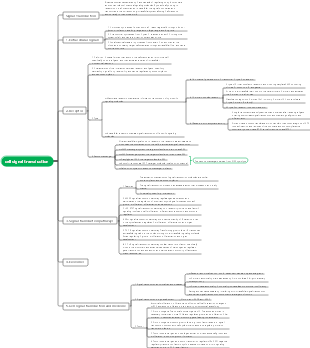
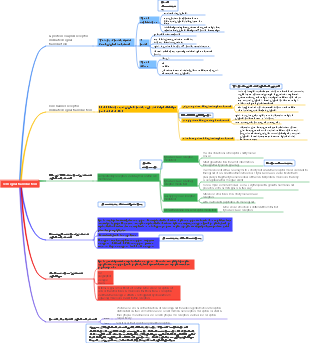
cell signal transduction
Overview of Cell Signaling
1. Cell communication
(1) Definition
Cell communication means that the information sent by one cell is transmitted to another target cell through a medium (also called a ligand) and interacts with its corresponding receptor, and then produces a series of physiological and biochemical changes in the target cell through cell signal transduction, and finally manifests The process of overall biological effects on target cells.
(2) Way
① Secrete chemical signals for cell communication
a. Endocrine
Signal molecules (such as hormones) are secreted by endocrine cells into the blood and transported to various parts of the body through blood circulation to act on target cells.
b. Paracrine
Cells secrete local chemical mediators into the extracellular fluid and act on nearby target cells through local diffusion.
Paracrine is also important in stimulating cell proliferation in traumatized or infected tissues to restore function.
c. Autocrine
Cells respond to signaling molecules secreted by themselves. For example, tumor cells synthesize and release growth factors that stimulate the entire body of cells, leading to the proliferation of tumor cells.
d. Transmission of nerve signals through chemical synapses
Achieve rapid transduction of electrical signals-chemical signals-electrical signals between neuronal cells.
②Contact-dependent communication between cells
Direct contact between cells without the release of signaling molecules, mediates intercellular communication through the interaction of cell transmembrane signaling molecules (ligands) with receptors on the plasma membrane of adjacent target cells, including cell-cell adhesion and cell-matrix adhesion. wait
③Gap junctions and plasmodesmata
Gap junctions are formed between adjacent cells in animals, and cells in plants communicate with each other through plasmodesmata. Metabolic coupling or electrical coupling is achieved through the exchange of small molecules, thereby achieving functional regulation.
2. Cell signaling molecules and receptors
(1) Signaling molecules
①Definition
Signaling molecules refer to the information carriers of cells, including chemical signals such as various hormones, local mediators and neurotransmitters, as well as physical signals such as sound, light, electricity and temperature changes.
②Classification of chemical signaling molecules
a. Gaseous signaling molecules
Including NO and CO, they can diffuse freely and enter cells to directly activate the effector enzyme (guanylyl cyclase) to produce the second messenger cGMP, which participates in many physiological processes in the body and affects cell behavior.
b. Hydrophobic signaling molecules
Mainly steroid hormones and thyroid hormones, with small molecules and strong hydrophobicity, can enter cells through the plasma membrane, combine with intracellular receptors to form hormone-receptor complexes, and regulate gene expression.
c. Hydrophilic signaling molecules
Including neurotransmitters, local mediators and most protein hormones, they cannot penetrate the target cell plasma membrane and can only generate second messengers or activate proteases or proteins in the cell through signal conversion mechanisms by binding to target cell surface receptors. Phosphatase, triggering cellular response.
d. Membrane-bound signaling molecules
Signaling molecules expressed on the plasma membrane of cells cause cellular responses by interacting with receptor molecules on the plasma membrane of target cells.
(2) Receptor
①Definition
Receptors refer to a class of macromolecules that can recognize and selectively bind to a certain ligand (signaling molecule), mainly glycoproteins, and a few glycolipids. Some receptors are complexes of glycoproteins and glycolipids.
②Classification
a. Intracellular receptors
Located in the cytoplasmic matrix or nuclear matrix, it mainly recognizes and binds small fat-soluble molecules, such as steroid hormones, thyroid hormones, vitamin D and retinoic acid.
b. Cell surface receptors
Cell surface receptors mainly recognize and bind hydrophilic signaling molecules, including secreted signaling molecules (such as neurotransmitters, peptide hormones, growth factors, etc.) or membrane-bound signaling molecules (such as cell surface antigens, cell surface adhesion molecules, etc.) )
Three major families of cell surface receptors
ion channel coupled receptor
The receptor itself has both a signal (ligand) binding site and an ion channel, and its transmembrane signal transduction does not require intermediate steps.
G protein coupled receptor (GPCR)
The largest family of cell surface receptors
enzyme-linked receptor
One type of receptor intracellular domain has potential enzymatic activity; the other type of receptor itself does not have enzymatic activity, but the intracellular segment of the receptor is associated with the enzyme.
Regardless of the type of receptor, it contains two functional domains
Functional domain that binds the ligand (binding specificity)
The functional domain that produces the effect (effect specificity)
③Receptor ligand binding effect - changing cell behavior
a. Fast response (short-term response): a short-term response that changes the activity or function of pre-existing proteins in cells, thereby affecting the metabolic function of cells.
b. Slow response (long-term response): affects the expression of special proteins in cells. The most common way is to activate or inhibit the long-term response of gene expression through modification of transcription factors.
The response of a cell to a signal not only depends on the specificity of its receptor, but also is related to the inherent characteristics of the cell. The same signal can produce different effects; different signals can also produce the same effect.
(3) Second messengers and molecular switches
①Second Messenger Doctrine
Extracellular chemical signals (first messengers) cannot enter cells. They act on cell surface receptors, resulting in the generation of intracellular signals (second messengers), which trigger a series of biochemical reactions in target cells and finally produce certain physiological effects. Chapter 2 Degradation of the second messenger terminates its signaling function.
②Second messenger
Second messenger refers to a non-protein small molecule produced intracellularly, which responds to the binding of extracellular signals to cell surface receptors through changes in its concentration (increase or decrease), regulates the activity of intracellular enzymes and non-enzyme proteins, and thereby regulates the activity of intracellular enzymes and non-enzyme proteins. The signal transduction pathway performs the function of carrying and amplifying signals, including cAMP, cGMP, Ca2, diacylglycerol (DAG), inositol-1,4,5-trisphosphate (IP3) and 3,4,5-trisphosphate Phosphatidylinositol (PIP3)
③Molecular switch
GTPase molecular switch regulatory protein
GTPase molecular switch regulatory proteins constitute the intracellular GTPase superfamily, including trimeric GTP-binding proteins and monomeric GTP-binding proteins such as Ras and Ras-like proteins. All GTPase switch proteins have two states: first, they bind to GTP and are in an activated (on) state, thereby changing the activity of special target proteins; second, they bind to GDP and are in an inactive (off) state. The GTPase switch protein controls the activity of downstream target proteins by switching between two states.
The signal-induced conversion of the switch regulatory protein from the inactive state to the activated state is mediated by the guanylate exchange factor (GEF). GEF causes the release of GDP from the switch protein, which then binds to GTP and triggers the conformational change of the switch regulatory protein (G protein). Activating it; as the bound GTP is hydrolyzed to form GDP and Pi, the switch regulatory protein returns to the inactive closed state; The hydrolysis rate of GTP is promoted by GTPase-promoting protein (GAP) and regulator of G protein signaling (RGS), and inhibited by guanylate dissociation inhibitor (GDI).
Through the hydrolysis of bound GTP, the GTPase switch protein converts from an activated state to an inactive state. This process is promoted by GAP and RGS and inhibited by GDI; the activation of the GTPase switch protein is promoted by GEF.
protein kinase/protein phosphatase
Another most common type of molecular switch mechanism is to phosphorylate target proteins through protein kinases and dephosphorylate target proteins through protein phosphatases, thereby regulating the activity of target proteins. Protein phosphorylation and dephosphorylation can change the charge of the protein and change the protein conformation, thereby leading to the enhancement or reduction of the protein activity. It is a ubiquitous regulatory mechanism in cells. Protein kinases and protein phosphatases are commonly used in almost all signaling pathways.
One type adds a phosphate group to the hydroxyl group of a tyrosine residue, which is called tyrosine kinase.
The other type adds a phosphate group to the hydroxyl group of serine or/and threonine residues in the target protein, which is called serine/threonine kinase.
calmodulin
As an intracellular second messenger, Ca2 plays a fundamental role in regulating cellular responses to various signals. Many G protein-coupled receptors (GPCRs) and other types of receptors play a role by affecting the cytoplasmic Ca2 concentration. Calmodulin (CaM) is a ubiquitous small molecule protein in the cytoplasm. Each CaM molecule has 4 calcium ion binding sites. It serves as a molecular switch protein that performs multiple functions to mediate the cellular effects of multiple calcium ions. CaM It can be in the "on" or "off" state of activation or inactivation respectively by binding or dissociating with calcium ions. The formed Ca-CaM complex can bind to a variety of enzymes and other target proteins and modify their activities.
3. Signal transduction system and its characteristics
(1) Basic components of the signal transduction system and the interaction of signaling proteins
The cell signal transduction system is a signal transmission chain composed of a variety of signaling proteins that perform different functions in cells. Receptors transmit signals through the interaction of intracellular signaling proteins, which must involve the mechanism between signaling proteins to ensure precise contact with each other. The interaction between intracellular glands and proteins is specifically mediated by protein pattern binding domains.
①Composition of signal path steps
a. Receptor activation: Cell surface receptors specifically recognize and bind ligands to form receptor-ligand complexes, leading to receptor activation.
b. Production of second messenger: Due to the conformational change of the activated receptor, primary transmembrane signal transduction results in the production of a second messenger or activated signaling protein in the target cell.
c. Cascade reaction: through the assembly of intracellular second messengers or intracellular signaling protein complexes, intracellular signal amplification is initiated.
d. Cell response: cells produce corresponding responses
e. Receptor desensitization or receptor downregulation: cell response is terminated or the response is reduced.
②Main members of the protein family with SH2 (prototype pattern domain for studying protein interactions) domain
a. Enzymes, such as protein kinase or protein phosphohydrolase domain, phospholipase C, etc.
b. Oncoproteins, such as human chronic myelogenous leukemia Bcr-Ab1 oncoprotein
c. Anchoring proteins, such as insulin receptor substrate (IRS), etc.
d. Adapter protein, containing a single SH2 and multiple SH3 domains, such as auxin receptor binding protein 2 (Grb2), etc.
e. Regulatory proteins, such as STAT-mediated cytokine signaling pathways
f. Transcription factors
(2) Assembly of intracellular signaling protein complexes
The formation of intracellular signaling protein complexes is the result of the interaction between signaling proteins and is an important structural basis for realizing various intracellular signaling pathways mediated by cell surface receptors - that is, enhancing the speed of cellular responses in time and space, Efficiency and specificity of response.
a. Cell surface receptors and certain intracellular signaling proteins preform intracellular signaling complexes by binding to large scaffold proteins. When the receptors are activated by binding to extracellular signals, the intracellular signaling proteins are activated in turn and transmitted downstream.
Combine first, then activate, then transfer
b. Activation-dependent cell surface receptors assemble intracellular signaling protein complexes. That is, after the surface receptors are activated by binding to extracellular signals, autophosphorylation occurs at multiple amino acid residue sites in the intracellular segment of the receptors, thereby providing cellular Different signaling proteins within provide anchoring sites to form transient signal transduction complexes that mediate downstream events respectively.
c. After the receptor is activated by binding to extracellular signals, modified inositol phospholipid molecules are formed on the adjacent plasma membrane, thereby recruiting signaling proteins with PH domains and assembling into signaling complexes.
(3) Main characteristics of signal transduction pathways
①Specificity
②Amplification effect
③Network and feedback
④Integration effect
G protein-coupled receptors and their mediated signal transduction
G protein-coupled receptors (GPCRs) are the largest family of cell surface receptors
1. Structure and mechanism of action of G protein-coupled receptors
(1) Structure of G protein-coupled receptor
①Contains 7 hydrophobic peptide segments to form an α-helical structure with 7 transmembranes. The N-terminus is on the outside of the cell and the C-terminus is on the cytoplasmic side.
② It is composed of three subunits: α, β, and γ. The β and γ subunits exist in the form of heterodimers. The α and βγ subunits are respectively anchored on the plasma membrane through covalently bound lipid molecules.
③The G subunit itself has GTPase activity and is a molecular switch protein
(2) Activation of G protein-coupled receptors
① When the ligand binds to the receptor, the trimeric G protein dissociates, and exchange of GDP and GTP occurs. The free Gα-GTP is in an activated open state, resulting in binding and activating the effector protein, thereby transmitting the signal.
② When Gα-GTP is hydrolyzed to form Gα-GDP, it is in an inactive state, terminating signal transmission and leading to the reassembly of the trimeric G protein, restoring the system and entering a resting state.
(3) All have effector proteins that bind to the plasma membrane
There are a variety of effector proteins on the cell surface through G protein-coupled receptors. Different G proteins are activated by different GPCRs, and then regulate different effector proteins, producing different cellular effects.
(4) There are proteins in the signaling pathway that participate in feedback regulation or cause receptor desensitization. Cells use different mechanisms to desensitize receptors, a phenomenon known as adaptation.
2. Cell signaling pathways mediated by G protein-coupled receptors (according to their effector proteins)
(1) Signaling pathway mediated by G protein-coupled receptors that activate ion channels
After the receptor is activated by binding to the ligand, it regulates the opening and closing of the transmembrane ion channel through the molecular switch coupled to the G protein, thereby regulating the activity of the target protein. This is the simplest cell response to a signal. .
① M acetylcholine receptors on cardiomyocytes activate G proteins to open K ion channels
a. The neurotransmitter acetylcholine is coupled to the Gi protein of cardiomyocytes. The acetylcholine ligand binds to the receptor to activate the receptor, causing the GDP bound to the α subunit of the Gi protein to be replaced by GTP, triggering the dissociation of the trimeric Gi protein. to release βγ subunits
b. The activated βγ subunit complex binds to the K ion channel and opens the K ion channel, which then triggers intracellular K outflow, leading to membrane hyperpolarization.
c. GTP hydrolysis in the α subunit causes the α subunit to recombine with the βγ subunit, leaving the Gi protein in an inactive state and closing the K ion channel.
It can be seen that the receptors of many neurotransmitters are GPCRs, and some effector proteins are sodium or potassium ion channels. The binding of neurotransmitters to receptors triggers the opening or closing of G protein-coupled ion channels, which in turn leads to changes in membrane potential.
②Activation of Gt protein-coupled light-sensitive receptors induces the closure of cGMP-gated cation channels
a. In rod photoreceptors in a dark-adapted state, high levels of cGMP keep cGMP-gated non-selective cation channels open, and light absorption produces activated opsin O*.
b. Activated opsin binds to the inactive GDP-Gt trimer protein and causes GDP to be replaced by GTP.
c. The Gt trimer protein dissociates to form free Giα, which binds to the inhibitory γ subunit of cGMP phosphodiesterase (PDE), leading to PDE activation.
d. At the same time, it causes the dissociation of the γ subunit from the catalytic α and β subunits. Due to the release of inhibition, the catalytic α and β subunits convert cGMP into GMP.
e. As the level of cGMP in the cytoplasm decreases, cGMP dissociates from the cGMP-gated cation channel in the plasma membrane and closes the cation channel.
(2) Activate or inhibit the signaling pathway mediated by adenylate cyclase G protein-coupled receptors
In this signaling pathway, the primary effector enzyme of Gα is adenylate cyclase, which regulates the level of the second messenger cAMP in target cells through changes in adenylate cyclase activity, thereby affecting the downstream events of the signaling pathway.
①Protein components involved in the regulatory system
Receptors for stimulating hormones (Rs)
Inhibitory hormone receptor (Ri)
Stimulatory G protein (Gs)
Inhibitory G protein (Gi)
Adenylyl cyclase (
②Signal transduction process
a. Production of cAMP
Stimulating hormones bind to the corresponding stimulatory receptors (Rs), couple to the stimulatory trimeric protein G protein, stimulate adenylyl cyclase activity, and increase cAMP levels in target cells; on the contrary, inhibitory hormones bind to the corresponding inhibitory hormone receptors (Rs). Ri) binds and reduces cAMP levels in target cells.
Adenylyl cyclase catalyzes ATP to generate cAMP in the presence of magnesium or manganese ions cAMP phosphodiesterase can degrade cAMP to generate 5’-AMP, resulting in a decrease in intracellular cAMP levels and terminating the signaling response.
b. The effect process of cAMP
cAMP binds to the regulatory subunit (R) of the inactive protein kinase A (PKA) to release the catalytic subunit (C), allowing PKA to gain activity and further catalyze the phosphorylation of downstream target proteins to exert biological effects.
③Regulatory effect of cAMP-PKA signaling pathway
a. Regulation of glycogen metabolism in liver cells and muscle cells by cAMP-PKA signaling pathway
First, when cAMP levels increase, cAMP-dependent PKA is activated. The activated PKA first phosphorylates glycogen phosphorylase kinase (GPK) to activate it, and then glycogen phosphorylase (GP) is phosphorylated and activated. Activated GP stimulates the degradation of glycogen, and activated PKA phosphorylates glycogen synthase (GS), inhibiting its glycogen synthesis.
Second, activated PKA phosphorylates and activates phosphoprotein phosphatase inhibitory protein (IP). The activated IP binds to phosphoprotein phosphatase (PP) and phosphorylates it to inactivate it. When cAMP levels decrease, PKA activity decreases. decreases, PP is activated, dephosphorylating GPK and GP, thereby reducing their activity and inhibiting glycogen degradation. Activated PP can also promote the dephosphorylation of glycogen synthase GS, resulting in increased GS activity and promotion of glycogen synthesis.
b. Regulation of gene expression in eukaryotic cells by cAMP-PKA signaling pathway
First, signaling pathway: hormone → G protein-coupled receptor → G protein → adenylyl cyclase → cAMP → cAMP-dependent protein kinase A → gene regulatory protein → gene transcription
Second, the regulatory process: the signal molecule binds to the receptor and activates adenylyl cyclase through Gα, resulting in an increase in the intracellular cAMP concentration. cAMP binds to the PKA regulatory subunit, resulting in the release of the catalytic subunit, and the activated PKA obtains the catalytic subunit. The base translocates into the nucleus and phosphorylates the gene regulatory protein (cAMP response element binding protein, CREB). The phosphorylated gene regulatory protein CREB specifically binds to the CREB binding protein (CBP) in the nucleus to form a complex, which binds to the target cell gene. Regulatory sequences bind to activate expression in target cells.
(3) Activation of phospholipase C, signaling pathway mediated by IP3 and DAG as dual messenger G protein-coupled receptors
Another signaling pathway through GPCR is the phosphatidylinositol signaling pathway, whose signal transduction is completed through the effector enzyme phospholipase C After the extracellular signal is received by the membrane receptor, it produces two intracellular messengers at the same time, activating two different signaling pathways respectively, namely IP3/Ca2 and IP3/PKC pathways to realize the cell's response to external signals. Therefore, this signaling system is Call it a "dual messenger system"
①IP3/Ca2 signaling pathway and calcium spark
a. IP3/Ca2 signaling pathway
First, extracellular signaling molecules bind to GPCRs, activate G proteins, and then activate phospholipase C (PLC), which catalyzes the hydrolysis of PIP2 to generate two second messengers, IP3 and DAG.
Second, through intracellular diffusion, Ip3 binds to and opens the IP3-sensitive Ca2 channel on the endoplasmic reticulum membrane, causing Ca2 to be released from the endoplasmic reticulum calcium pool into the cytoplasmic matrix along the electrochemical gradient. Causes cellular response by binding to calmodulin.
Therefore, the main function of IP3 is to trigger the transfer of Ca2 stored in the endoplasmic reticulum to the cytoplasmic matrix, thereby increasing the concentration of free Ca2 in the cytoplasm, and relying on the IP3-gated Ca2 channel on the endoplasmic reticulum membrane to transfer the stored Ca2 Release into the cytoplasmic matrix is the primary pathway for Ca2 mobilization in almost all eukaryotic cells.
Third, the released Ca2 simultaneously recruits free protein kinase C (PKC) in the cytoplasm to the cytoplasmic membrane.
Only IP3 can cause Ca2 release. IP3-mediated Ca2 capping is only transient, not least because activation of Ca2 pumps on the plasma membrane and endoplasmic reticulum membrane pumps Ca2 out of the cell and into the endoplasmic reticulum lumen, respectively. Moreover, it is due to the bidirectional regulation of IP3-gated Ca2 channels by Ca2 in the cytoplasm. On the one hand, Ca2 will increase the opening of the channel, resulting in more release of stored Ca2. On the other hand, further increase in Ca2 concentration in the cytoplasmic matrix will cause channel inactivation and terminate the release of Ca2.
b. Calmodulin
In general, Ca2 does not directly act on target proteins, but acts indirectly through Ca2-responsive proteins. Calmodulin refers to a Ca2-responsive protein ubiquitous in eukaryotic cells. It contains four structural domains, each of which can bind one Ca2.
c. Calcium sparks
Calcium spark refers to the phenomenon in which the fluorescence intensity of Ca2 probe Fluo-3 in a certain micro-area in the cell doubles in a short period of 10 ms and then disappears in 23 ms. Its diameter is about 2 μm and its volume is 8 fL.
②Ca2-NO-cGMP-activated protein kinase G signaling pathway
a. Production of NO
Vascular endothelial cells and nerve cells are NO-producing cells. The production of NO uses L-arginine as a substrate and requires the catalysis of NO synthase.
b. The signaling pathway in which NO causes vascular smooth muscle relaxation
First, vascular nerve terminals release acetylcholine, which acts on G protein-coupled receptors on vascular endothelial cells and activates phospholipase C, leading to an increase in cytoplasmic Ca2 levels through the second messenger IP3.
Second, when Ca2 binds to calmodulin, it stimulates NO synthase to catalyze the oxidation of arginine to form citrulline and release NO.
Third, NO enters adjacent smooth muscle cells through diffusion, activates NO receptors with guanylyl cyclase activity, and stimulates the production of the second messenger cGMP.
Fourth, cGMP inhibits the actin-myosin complex signaling pathway through the activation of cGMP-dependent protein kinase G, leading to relaxation of vascular smooth muscle.
③DAG-PKC signaling pathway
a. DAG-PKC signaling pathway
First, the Ca2 released by the IP3-Ca2 signaling pathway recruits free protein kinase C (PKC) in the cytoplasm to the cytoplasmic membrane. The second messenger DAG bound to the plasma membrane activates and activates PKC bound to the plasma membrane, and then PKC acts. on the downstream substrate.
Second, DAG is phosphorylated by DAG kinase to form phosphatidic acid, which enters the phosphatidylinositol metabolism pathway or is hydrolyzed into monoacylglycerol by DAG enzyme, thereby terminating its messenger function.
b.PKC
First, PKC contains two functional regions, one is a hydrophilic catalytic active center, and the other is a hydrophobic membrane-binding region.
Second, PKC is a Ca2- and phosphatidylserine-dependent serine/threonine protein kinase.
Third, activated PKC enhances the transcription of specific genes in at least two ways.
One is to activate a protein Jimide cascade reaction through PKC, leading to the phosphorylation and activation of gene regulatory proteins that specifically bind to DNA, thereby enhancing the transcription of special genes;
The second is through the activation of PKC, which leads to the phosphorylation of an inhibitory protein, thereby releasing the gene regulatory proteins in the cytoplasm from their inhibitory state and entering the nucleus to stimulate the transcription of specific genes.
Receptors and signaling pathways that mediate and regulate cellular gene expression
1. Enzyme-linked receptors and their transduced cell signaling pathways
(1) Structural characteristics and mechanisms of action of receptor tyrosine kinases and cytokines
Belongs to two major categories of catalytic enzyme-linked receptors: receptor tyrosine kinases (RTKs); cytokine receptors
①Enzyme-linked receptor classification
a. Receptor tyrosine kinase
b. Receptor serine and threonine kinase
c. Receptor tyrosine phosphatase
d. Receptor ornithine cyclase
e. Tyrosine protein kinase-coupled receptors
Characteristics: The currently known receptor tyrosine kinase (RTK) and cytokine receptor families have similar structural characteristics and mechanisms of action.
①Have similar structures, most of which are single-pass transmembrane proteins, with the N-terminal located outside the cell and the ligand-binding domain, the C-terminal located intracellularly, and the hydrophobic transmembrane α region in the middle; The difference is that the intracellular segment of RTK itself contains a tyrosine protein kinase domain, has tyrosine kinase activity, and has different autophosphorylation sites on tyrosine residues; The intracellular domain of the cytokine receptor itself does not have kinase activity, but it has a binding site for cytoplasmic tyrosine kinase (JAK). It is a type of receptor on the cell surface that is coupled to tyrosine kinase.
② These two types have basically the same activation mechanism: dimerization is a common mechanism for activation of single-transmembrane enzyme-linked receptors.
③After the kinase activity of the intracellular segment of the receptor or the activity of the kinase bound to the intracellular segment is activated, cross-phosphorylation occurs at specific tyrosine residue sites within the dimer, also known as receptor autophosphorylation. , further triggering conformational changes, which may be beneficial to the binding of ATP or the binding of other protein substrates. And within activated RTK, many phosphotyrosine residues can be recognized by intracellular signaling proteins containing SH2 domains and serve as anchoring sites for a variety of downstream signaling proteins.
(2) Ras-MAK kinase signaling pathway mediated by receptor tyrosine kinase
Almost all RTKs and cytokine receptors can mediate the Ras-MAK kinase signaling pathway
①Receptor tyrosine kinase (RTK)
a. The structure and function of RTK
RTK, tyrosine protein kinase receptor, is an important receptor family on the cell surface, including a ligand-binding domain located at the outer N-terminus and a tyrosine kinase domain located at the intracellular C-terminus.
The vast majority of RTKs are single-pass transmembrane proteins, and dimerization is a commonly activated mechanism.
The main function of RTK is to control cell growth and differentiation, rather than regulating intermediate cell metabolism.
b. RTK extracellular ligand
Soluble and membrane-bound polypeptide or protein hormones, including a variety of growth factors, insulin and insulin-like growth factors.
c. RTK activation process
The binding of ligand to the receptor causes the dimerization of the receptor to form a homo- or heterodimer, which activates the protein tyrosine kinase activity of the receptor, and then cross-phosphorylates one of the intracellular peptides of the receptor with each other within the dimer. or multiple tyrosine residues, i.e. autophosphorylation of the receptor. Activated RTK can bind to a variety of proteins with SH2 domains in the cytoplasm through phosphotyrosine residues and initiate downstream signaling.
d. RTK binding protein with SH2 domain
adapter protein
For example, growth factor receptor binding protein 2 (GRB2) functions to couple to other signaling proteins and participate in the formation of intracellular signal transduction complexes, but it itself does not have enzymatic activity and does not have the ability to transmit signals.
enzymes involved in signaling pathways
Such as GTPase-activating protein (GAP), enzymes related to inositol phospholipid metabolism, protein phosphatase (SyP), and Src non-receptor tyrosine protein kinase, etc.
Both contain two conserved but catalytically inactive pattern domains: SH2 and SH3 (Src homology region): SH2 selectively binds to tyrosine residues at different sites, and SH3 selectively binds to different proline-rich residues. sequence.
②RTK-Ras protein signaling pathway
a. Ras protein
Ras protein is a GTP-binding protein with GTPase activity. It is activated when combined with GTP and inactivated when combined with GDP. It is a molecular switch. Activation of Ras proteins is induced by ligand binding to RTKs, which is necessary to induce differentiation or proliferation of different types of cells.
b. RTK-Ras-MAPK signaling pathway
Ligand→RTK→Ras→Raf (MAPKKK)→MAPKK→MAPK→enters the cell nucleus→phosphorylation modification of other kinases or gene regulatory proteins (transcription factors), producing various effects on genes.
(3) PI3K-PKB (Akt) signaling pathway
①PI3K
a. It has Ser/Thr kinase activity and phosphatidylinositol kinase activity.
b. Composed of two subunits: a p110 catalytic subunit; a p85 regulatory subunit, which has an SH2 domain and can bind to activated RTKs and phosphotyrosine residues in the intracellular segment of various cytokine receptors, and is recruited to the plasma membrane, bringing its catalytic subunit close to the phosphatidylinositol in the inner leaflet of the plasma membrane.
c. PI3K catalyzes PI-4-P (PIP) to generate PI-3,4-P2 (PIP2), and catalyzes PI-3,4-P2 (PIP2) to generate PI-3, 4,5-P3 (PIP3).
②PKB
a. PKB is a Ser/Thr kinase and has high homology with PKA and PKc.
b. PKB is the product encoded by the retroviral oncogene v-Akt, so it is also called Akt.
c. In the resting state, the two phosphatidylinositol components are at low levels, and PKB exists in an inactive state in the cytoplasmic matrix. Under the stimulation of growth factors and other hormones, the level of PI-3-P increases, and PKB relies on The N-terminal PH domain binds to P at position 3 and translocates to the plasma membrane, releasing the catalytic site activity. Complete activation of PKB requires two other Ser/Thr protein kinases, PDK1 and PDK2.
③PI3K-PKB signaling pathway
Ligand→RTK→PI3K→PKB activation→target protein
④Biological role of PI3K-PKB signaling pathway
Promote cell survival
Promotes insulin-stimulated glucose uptake and storage
PI3K is an important regulator of intracellular protein sorting or endocytosis
(4) TGF-β receptor and its TGF-β-Smad signaling pathway
①TGF-β (Transforming Growth Factor β) Receptor
TGF-β receptor is essentially a receptor Ser/Thr kinase, including three receptors: RⅠ, RⅡ, and RⅢ.
②TGF-β-Smad signaling pathway
TGF-β→R→Smad proximal C-terminal Ser residue is phosphorylated and NLS is exposed→phosphorylated R-Smad, co-Smad and imp-β (three Smad transcription factors) form a complex and enter the nucleus→in Ran- Imp-β dissociates from the complex under the action of GTP → Smad2/Smad4 or Smad3/Smad4 complex binds to nuclear transcription factors to activate target gene transcription.
③Biological significance of TGF-β
Affect cell proliferation and differentiation
It plays an important role in wound healing, extracellular matrix formation, embryonic development, tissue differentiation, bone reconstruction, immune regulation and the development of the nervous system.
(5) Cytokine receptors and JAK-STAT signaling pathway
①Cytokines
Cytokines refer to active factors that affect and regulate the proliferation, differentiation and maturation of various types of cells, including interleukin (IL), interferon (IFN), colony-stimulating factor (CSF), erythropoietin (Epo) and certain hormones etc., plays an important regulatory role in the development of various cell types, especially in the growth, differentiation and maturation of hematopoietic cells and immune cells.
②Cytokine receptors
The JAK-STAT signaling pathway receptor is a receptor coupled to tyrosine protein kinase. The receptor spans the membrane in a single pass and is composed of two or more peptide chains. The receptor itself does not have enzymatic activity, but the intracellular segment has Binding site to cytoplasmic tyrosine protein kinase, i.e. receptor activity is dependent on non-receptor tyrosine protein kinase.
③Tyrosine protein kinase coupled to receptor
Cytoplasmic tyrosine protein kinases linked to cytokine receptors are a type of JAK family, whose members include JaK1, JaK2, JaK3 and Tyk2. Each kinase member binds to a specific cytokine receptor.
JAK binds to the N-terminal domain receptor and the C-terminal is the kinase domain.
Among the direct substrates of kinases is a class of adapter proteins that are gene transcription regulators, called signal transducers and activators of transcription (STATs).
④JAK-STAT signaling pathway
Cytokine → Receptor dimerization → Activation of JAK → Activated JAK phosphorylates the receptor → STAT binds to the phosphorylated tyrosine residue of the receptor through the SH2 domain → JAK phosphorylates the C-terminal tyrosine residue of STAT →STAT molecules dissociate from the receptor →phosphorylated STAT forms dimers and exposes the nuclear localization signal NLS →STAT enters the nucleus to regulate gene expression.
Other cell surface receptor-mediated signaling pathways
1. Signaling pathways that regulate cell gene expression
(1) Classification
①GPCR→cAMP→PKA and RTK→Ras→MAPK signaling pathway
Activation of receptors leads to the activation of cytoplasmic protein kinases, which translocate to the nucleus and phosphorylate specific nuclear transcription factors, thereby regulating gene transcription.
②TGF-β-smad and JAK-STAT signaling pathway
The binding of ligand to the receptor activates the activity of the receptor itself or the coupled kinase, which then directly or indirectly leads to the activation of special intracellular transcription factors, thereby affecting the expression of nuclear genes.
③Signaling pathways mediated by Wnt receptors and Hedgehog receptors
The binding of ligands to receptors triggers the assembly of cytoplasmic protein complexes, thereby releasing transcription factors, which are then translocated to the nucleus to regulate gene expression.
④NF-κB and Notch pathway (irreversible)
Through the protein cleavage of the inhibitor or the receptor itself, the activated transcription factor is released, and the transcription factor regulates gene expression after translocation into the nucleus.
(2) Common characteristics
① The mediated cellular response is a long-term response, resulting in changes in the transcription of genes in the nucleus.
② Long-term responses induced by extracellular signals affect many aspects of cell functions.
③The signal transduction process is highly controlled. The first three types of signal regulation pathway processes are reversible, while the fourth type is irreversible.
2. Signaling pathways mediated by other cell surface receptors
(1) Wnt-β-catenin
①Wnt and β-catenin
a. Wnt is a group of cysteine-rich secreted glycoproteins that can trigger the release of the transcription factor β-catenin from the cytoplasmic protein complex and regulate gene expression.
b. β-catenin is a transcriptional regulatory protein in mammals that is homologous to the Drosophila Arm protein. Its stability in the cytoplasm and its accumulation in the nucleus are key to the Wnt signaling pathway.
②Wnt-β-catenin signaling pathway
a. In the absence of Wnt signal: β-catenin binds to the Axin-mediated cytoplasmic protein complex → β-catenin is phosphorylated by GSK3 → phosphorylated β-catenin is ubiquitinated and then recognized and degraded by the proteasome → the transcription factor TCF Binds to inhibitory factors and acts as a repressor in the nucleus to inhibit target gene transcription.
b. When there is a Wnt signal: Wnt binds to Fz → the co-receptor LRP is phosphorylated → the scaffolding protein (Axin) binds to the cytoplasmic domain of LRP → the cytoplasmic protein complex of phosphorylated β-catenin dissociates → avoids β -Catenin is phosphorylated by glycogen synthase branchase 3 (GSK3) and remains stable in the cytoplasm → β-catenin translocates to the nucleus and binds to T cell factor (TCF) to activate target gene transcription
(2) Signaling pathway mediated by Hedgehog receptors
①Hedgehog
Hedgehog (Hh) signaling molecule is a localized protein ligand secreted by signaling cells. Its scope of action is very small, generally no more than 20 cells. There are three types of receptor proteins: Ptc, Smo, and iHog, which mediate the cell's response to Hh signals. Ptc and Smo have the function of receiving and transferring Hh signals, and the membrane protein iHog may serve as an auxiliary receptor to participate in the combination of Ptc and Hh signals.
In the absence of Hh signaling, Ptc mainly exists on the plasma membrane, maintaining Smo in an inactive state and sequestering it on intracellular membrane vesicles through an as-yet-unclear mechanism.
In the absence of Hh signal, the receptor Ptc protein inhibits the Smo protein on intracellular membrane vesicles, and the cytoplasmic regulatory protein forms a complex and binds to microtubules. In the complex, the key transcription factor Ci is phosphorylated by various kinases. Phosphorylated Ci is hydrolyzed into Ci75 fragments under the action of the ubiquitin/proteasome-related F-box protein Slimb, which acts as a repressor of Hh response genes and enters the nucleus to inhibit target cell expression.
In the presence of Hh signal, iHog protein assists Hh signal to bind to Ptc, inhibits Ptc activity and induces its endocytosis and digestion by lysosomes. At the same time, Smo receptor protein is phosphorylated and translocated to the cell surface to transmit signals downstream.
In the presence of Hh, Hh binds to Ptc to inhibit Ptc activity, causing Ptc to be internalized and digested → the inhibitory effect on Smo is relieved → Smo enters the cytoplasm through membrane vesicles → Smo is phosphorylated by CK1 and PKA, and Cos2 and Fu bound to it Protein hyperphosphorylation→Fu/Cos2/Ci complex dissociates from microtubules, forming a stable form of Ci→Ci enters the nucleus and binds to CREB-binding protein (CBP) to activate gene transcription.
②Biological significance
Controls cell fate, proliferation and differentiation. When this signaling pathway is abnormally activated, it will cause the occurrence and development of tumors.
(3) NF-κB signaling pathway receptor
①NF-κB
NF-κB is a transcription factor present in all eukaryotic cells that can specifically bind to the upstream enhancer sequence on the immunoglobulin kappa light chain gene and activate gene transcription.
②NF-κB signaling pathway
Ligand (TNF-α, IL-α) → Receptor → I → κB is activated → I → κB undergoes polyubiquitination and is degraded → NF-κB is unbound and exposes NLS → NF → κB enters the nucleus and is activated Gene transcription.
③Biological significance
a. Regulate various cytokines in immune and inflammatory responses
b. In mammalian development, NF-κB is essential for the survival of developing liver cells.
(4) Notch signaling pathway
①Notch receptor protein and ligand
The Notch signaling pathway is a contact-dependent communication method between cells. Both signaling molecules and their receptors are membrane integral proteins; the extracellular region of the Notch receptor protein contains multiple EGF-like repeat sequences and their binding to ligands. site, ligand also known as DSL
②Notch signaling pathway
The Notch protein in effector cells is cleaved by protease in the trans-Golgi network region, producing an extracellular subunit and a transmembrane-cytoplasmic subunit → ligands from adjacent signaling cells bind to the extracellular side of the Notch protein in effector cells → Notch protein occurs Secondary cleavage releases the cytoplasmic fragment → the cytoplasmic fragment enters the nucleus and activates gene transcription
③Biological significance
Regulates the differentiation direction of responding cells and determines the developmental fate of cells
(5) Signal transduction mediated by cell surface integrins
①Integrin
Protein is a transmembrane protein on the cell surface, consisting of a heterodimer of two subunits, α and β. Its extracellular segment has binding sites for a variety of extracellular matrix components, including fibronectin, collagen and protein. polysaccharide
②Signaling pathway mediated by integrins to the nucleus
a. Signaling pathway from cell surface to nucleus
Extracellular ligand → integrin → activation of tyrosine kinase Src → phosphorylation of tyrosine residues of focal adhesion kinase FAK → adapter protein Grb2 and intracellular guanylate exchange protein Sos → activated Grb2 → Sos protein complex Activate Sos→GTP→MAPK cascade reaction pathway→signal to the cell nucleus, activating gene transcription involved in cell growth and proliferation.
b. Signaling pathway from cell surface to cytoplasmic ribosomes
Src phosphorylation → phosphorylation of tyrosine residues of FAK → phosphatidylinositol kinase (PI3K) → activated PI3K catalyzes phosphatidylinositol to produce two derivatives: PI-3, 4-bisphosphate and PI-3, 4,5-trisphosphate → both act as membrane-bound messenger activated kinase P70 (s6k) → activated p70 phosphorylates the nucleosomal subunit S6 protein. In protein synthesis, ribosomes containing phosphorylated S6 proteins are preferentially used to translate certain specific mRNAs and synthesize certain proteins required by cells to move from G1 phase to S phase.
Integration and control of cell signaling
1. Cell response characteristics
① Different intensity or duration of extracellular signals control the nature of the response
②In different cells, the same receptor can trigger different downstream pathways due to different intracellular signaling proteins.
③Cells regulate cell responses to signals by integrating input signals from different pathways
2. Network integration information of protein kinases
(1) Cross dialogue
Cross-talk refers to the interactive relationship between various signaling pathways in the intracellular signaling network system.
(2) Network integrated information
The variety of different signaling pathways provides the linear character of the signaling pathway itself. Cells need to integrate and precisely control multiple signals and finally make appropriate responses.
3. Signal control: desensitization mechanism of target cells to signaling molecules
(1) Receptor confiscation
After all, confiscation refers to the way in which cells temporarily reduce the number of available receptors on the cell surface through ligand-dependent receptor-mediated endocytosis, but can release them again when needed.
(2) Receptor downregulation
Problematic down-regulation refers to the way in which receptor-ligand complexes are transferred to the intracellular compartment through receptor-mediated endocytosis, where they are digested and degraded by lysosomes and cannot be reused.
(3) Receptor inactivation
Individual life refers to the way in which the inhibitory protein binds to the receptor so that the ligand cannot bind to the receptor and the signaling pathway is lost.
(4) Inactivation of signaling proteins
Signaling protein inactivation means that the receptor protein is not changed and affected, but the signaling protein itself changes in the body, blocking the signaling pathway.
(5) Production of inhibitory proteins
After the receptor is activated by binding a ligand, inhibitory proteins are produced in downstream reactions and form a negative feedback loop to reduce or block the signal transduction pathway.