 Wondershare EdrawMind
MindMap Gallery CHAPTER 13-15
- 24
CHAPTER 13-15
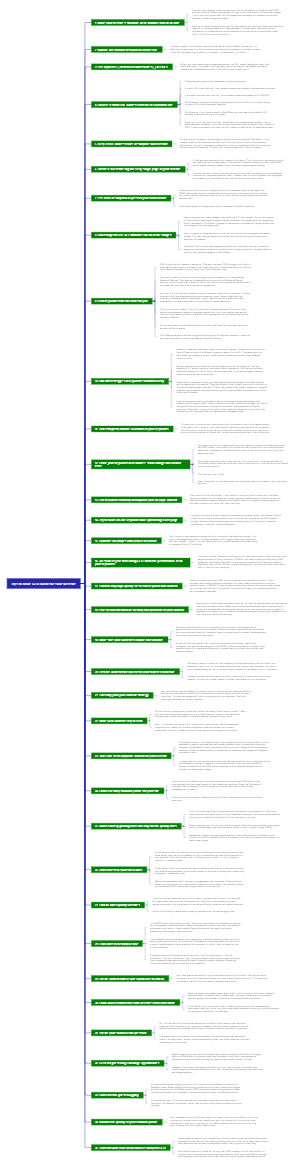
This mind map clearly illustrates the content of chapters 13-15, including personal selling, advertising, and social media, etc. In the personal selling section, it explains how to improve sales performance through personal selling skills; in the advertising section, it discusses how to develop effective advertising strategies; in the social media section, it details how to use social media for marketing promotion.
Edited at 2022-11-01 03:42:39
- CHAPTER 13-15
This mind map clearly illustrates the content of chapters 13-15, including personal selling, advertising, and social media, etc. In the personal selling section, it explains how to improve sales performance through personal selling skills; in the advertising section, it discusses how to develop effective advertising strategies; in the social media section, it details how to use social media for marketing promotion.
- THE SERVICE DELIVERY PROCESS
The service delivery process mind map delves into the artistry of blueprint design, including the importance of customer orientation and continuous improvement, as well as the practical steps of implementation. The operational competitiveness stages describe the process from market research to brand building, as well as strategies adopted at different stages, such as channel expansion and customer relationship management.
CHAPTER 13-15
- CHAPTER 13-15
This mind map clearly illustrates the content of chapters 13-15, including personal selling, advertising, and social media, etc. In the personal selling section, it explains how to improve sales performance through personal selling skills; in the advertising section, it discusses how to develop effective advertising strategies; in the social media section, it details how to use social media for marketing promotion.
- THE SERVICE DELIVERY PROCESS
The service delivery process mind map delves into the artistry of blueprint design, including the importance of customer orientation and continuous improvement, as well as the practical steps of implementation. The operational competitiveness stages describe the process from market research to brand building, as well as strategies adopted at different stages, such as channel expansion and customer relationship management.
- Recommended to you
- Outline





CHAPTER 13 - 15
13 ADVERTISING AND SOCIAL MEDIA
13.1 INTRODUCTION
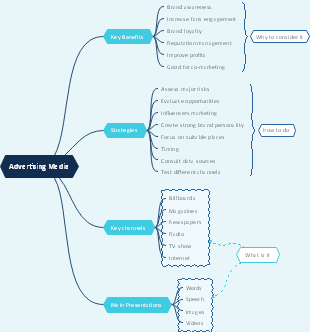
Advertising and promotion constitute a major area of marketing effort for most hospitality and tourism organizations, as numerous media are employed in an effort to communicate with selected target markets
The success of these advertising efforts rests to a large degree on the media and the manner in which they are used
One of the fastest-growing areas of promotion and advertising is the use of social media and digital marketing
Larger percentages of hospitality and tourism firm budgets are shifting to digital marketing efforts concerning the firm's website, e-mail campaigns, and social media
13.2 DEVELOPING MEDIA PLANS
Media planning process
The process firms use to determine and implement media strategies that help achieve the desired goals and objectives for its products and services
The stages in the media planning process:
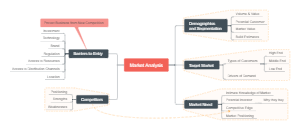
Performing a Market Analysis
The first stage of the process involves a thorough analysis of the market to identify the target markets that become the focus of the media program
This decision is based on the history of the firm, its competitors, and trends in the general population
For example, all advertising might be aimed at men and women between the ages of 25 and 35 with annual incomes above $45,000
Establishing Media Objectives
The media objectives should be focused on the goals associated with the media program and be attainable using media strategies
Some of the more common objectives for media programs are as follows:
To increase awareness among consumers in the target markets
To increase coverage in target markets
To maintain a positive impact on consumer attitudes and perceptions in regard to the firm's image and brand recognition
Good objectives will
(1) be stated in clear and concise language
(2) include a specific time frame in which to accomplish the objective
(3) include quantifiable terms that can be used as a standard by which to evaluate performance
For example, a local restaurant chain may want to improve the awareness of its restaurant to 75 percent of its target audience with a television ad campaign over the next 60 days
Developing Media Strategies
Once media objectives are established, it is necessary to develop media strategies that will lead to the attainment of the firm's goals
SELECTING THE MEDIA MIX
When selecting the media mix, it is important to examine the general nature of the target market segments
It is necessary to minimize wasted coverage while trying to maximize reach
Wasted coverage
refers to advertising exposures that do not involve members of the target market
For example, if low-income households are exposed to ads for an expensive restaurant, the restaurant is wasting money because it is paying to reach consumers who are not in its target market and would be unlikely to dine at the restaurant
Also, the objectives of the overall campaign must be considered in choosing media vehicles
Howard Heinsius, president of Needham and Grohmann, Inc. suggests several essentials in media selection:
Market focus
Carefully examine your market by product–service mix category or brand and by target market segment
Media focus
Follow trends in the national and local media, and evaluate the effectiveness of each
Periodic media update
Make sure that information about rates and circulation is current
Establish media effectiveness guidelines
Make sure the media is appropriate for the type of message and that it reaches the preferred target audience
Advertising by objective
Establish specific advertising objectives such as sales targets or consumer awareness levels to help you determine the best media combination
Coordinate advertising with marketing campaigns
Be sure that advertising and promotion is coordinated with the other efforts in the areas of personal selling, promotion, and public relations, as well as pricing and branding strategies
Develop a sound advertising budget
Choose the appropriate method for developing an advertising budget so that your campaign is efficient and effective
Plan around media pollution
Evaluate your media schedule in order to avoid potential noise in the communication process and extensive competition
Coordinate local efforts to match the national advertising efforts
Local advertising should supplement and complement your national and regional advertising
Use a variety of media
Extend the number of customers you reach and the frequency of exposure by using multiple advertising channels
Keep accurate files
Maintain accurate records of budgets, media schedules, and sales results to use in evaluating your performance
The media selection process involves matching available media with the firm's objectives
Therefore, the process is one of making choices at various levels
For example, once a decision is made to use some form of print media, the decision between newspaper and magazine follows
DETERMINING TARGET MARKET AND GEOGRAPHIC COVERAGE
Consideration must be given to the amount of coverage desired
Also, when making decisions, determine the relative costs of the various media
Hospitality and tourism firms have the option to advertise on an international, national, regional, or local level
Then, at each level, a firm must decide how long or how often to run an ad in a given geographic market
SCHEDULING THE MEDIA
Each hospitality or tourism organization must tailor the scheduling of media to fit its individual needs
Continuous advertising
The practice of keeping the amount of advertising relatively constant over time
Flighting media scheduling
The practice of scheduling advertising blitzes followed by periods of no advertising over a given time period
Pulsing advertising
Constant low-level flow of advertising with intermittent periods of blitz advertising
Normally, high levels of continuous advertising are thought to be superior, but economic considerations may necessitate the adoption of either flighting or pulsing media scheduling
13.3 PRINT MEDIA
The two most common forms of print media are
newspapers
magazines
Another form of print media is the yellow pages offered by local telephone companies or similar products offered by competing companies
All print media vehicles are popular among hospitality and tourism firms because of their ability to provide detailed information and target specific markets
In general, newspapers are a valuable form of media for local hospitality and tourism firms
Advertisements will reach a broad audience at a relatively low cost
Newspapers offer the following
ADVANTAGES
Short lead time for placing ads
It normally takes only 1 to 2 days advance notice to run an ad
Low cost
An advertisement in a local newspaper is usually lower in both absolute cost and cost per thousand in comparison to other types of media
Can be used for coupons
Newspapers allow for the use of coupons, which can increase volume and provide the information necessary for evaluating advertising effectiveness
Good coverage
Newspapers reach all demographic segments in a geographic area
DISADVANTAGES
Short life span of the advertisement
Newspapers generally have a one-day life span because they are published on a daily basis
Wasted coverage
Advertisers pay to reach the total number of newspaper subscribers, many of whom are not in the target market based on demographics or lifestyles
Clutter
There is a lot of competition for the reader's attention within the newspaper. It is easy to have an advertisement buried amid other advertisements, decreasing readership and effectiveness
In general, magazines offer better reproduction (e.g., color) than newspapers and allow marketers to segment on a regional basis
Magazines offer the following
ADVANTAGES
Quality reproduction
Color photographs reproduce particularly well
Long life span
Through pass-along readership, magazine advertisements are seen by more people and have a longer life span than that of newspapers and other media
Audience selectivity
Some magazines are aimed at the general population, but through the use of regional and metropolitan editions as well as selective market magazines, advertisers can pinpoint specific target markets
High information content
Magazines provide ample space to cover detailed topics and supply a good deal of information
DISADVANTAGES
Long lead time for ad placement
Magazine publishers require advertisers to adhere to closing dates far in advance of the distribution date (e.g., 30 days)
High production costs
Costs associated with magazine advertising are generally substantially higher than those for newspapers, including both absolute costs and the cost per thousand
Lack of flexibility
Magazines are not as well suited for local markets as newspapers, direct mail, or radio
Magazines are generally either regional or national in scope, but local city “what to do” magazines are an exception
Techniques for Successful Print Advertising
First, every effort should be made to attract the consumer's attention with the ad's headline
The headline must therefore get the attention of the reader and deliver the message
Second, print advertising is more effective if visual components, such as artwork and photographs, are used
Both of these formats are effective in magazines and newspapers
Third, every effort should be made to keep the layout and copy simple and straightforward
The advertisement should have one or perhaps two points and no more
Fourth, print advertising lends itself to the use of coupons
Coupons should be designed as mini-advertisements with all necessary information so that the consumer does not need to save the rest of the ad
They should be placed at the edge of the advertisement, and the advertisement itself should be at the edge of the page to make it easier to clip the coupon
Finally, when a given print advertisement has been effective, management should not hesitate to repeat it
Therefore, what has proven successful in the past should be repeated
Print Advertising Terms
The following terms are commonly used in print media, although some apply to other media as well:
Agate line
a measurement by which newspaper and some magazine advertising space is sold, regardless of the actual type size used
base rate
the lowest rate for advertising in print media
bleed advertisement
an advertisement that extends into all or part of the margin of a page
circulation
the number of copies distributed
primary circulation
includes those who subscribe
secondary circulation
includes those who read pass-along copies
qualified circulation
those individuals who qualify by engaging in a specific line of business
cost per thousand (CPM) formula
the oldest means for comparing media rates
frequency
the number of times the same audience—listeners, readers, or viewers—is reached
milline formula
used to determine the cost per line per million circulation and is used to compare the costs of advertising in different newspapers
reach
the number or percentage of people exposed to a specific publication
volume rate, or bulk rate
may be for total space, time used, or total dollars expended during a contract period, usually 12 months
13.4 BROADCAST MEDIA
Broadcast media—radio and television—are distributed over the airwaves
The level of involvement is lower than with print media and other advertising mediums, as listeners or viewers can be very passive if they choose
Radio Advertising
Radio advertising is able to develop a distinct personality for a hospitality or tourism operation, and it can reach consumers 24 hours a day
Radio advertising offers the following
ADVANTAGES
Personal
Radio spots can be written so that they speak directly to the consumer
Low relative cost
The cost of radio is usually quite low for local advertising, especially when a package involving several spots is purchased
Flexibility
Radio copy can be changed quickly in response to rapid changes in market conditions
Audience selectivity
Radio stations have specific formats that appeal to certain target markets
DISADVANTAGES
Lack of visual appeal
Extra effort must be made when developing the copy and sound effects for a radio commercial to stretch the listener's imagination
Clutter
The airwaves are filled with advertisements for other hospitality or tourism operations and for every consumer product and service imaginable
Fleeting message
Once the commercial has aired, it is gone
TECHNIQUES FOR SUCCESSFUL RADIO ADVERTISING
Short and simple music helps in developing ad recognition, especially if it is repeated as a musical logo in all radio commercials
The use of jingles and sound effects helps give consumers a mental image
Consumers will quickly forget the radio commercial, and unless the advertiser can encourage almost immediate action, the effectiveness of the advertising will be decreased
The advertisement should talk directly to consumers in a language and a tone that they will understand
The approach should be personal, much as if it were a conversation, albeit a one-way conversation
SELECTING RADIO SPOTS
Radio spots can be purchased in a wide variety of lengths, ranging from 10 seconds to 1 minute
Special attention should be paid to
(1) the number of spots
is important in achieving effectiveness in radio advertising
(2) the days the spots are broadcast
they suggest when the hospitality advertiser is seeking to promote business
(3) the times of day the spots are broadcast
radio should reach the consumer at a time when a decision is being made or when the advertiser is seeking to stimulate demand
PRODUCING RADIO COMMERCIALS
A commercial should consist of
introduction
usually consists of music and copy written to get the listener's attention
commercial copy
should explain the benefits of purchasing the product to the consumer
recap of pertinent points
should repeat points that the consumer should remember, such as a special price or new hours of operation
musical logo
often used to fade out the commercial
RADIO ADVERTISING TERMS
The following are terms commonly used in radio advertising:
advertising spot
a short advertising message on a participating program or between other radio programs that an advertiser does not sponsor
most people call this a commercial
Advertising spots may be
(1) fixed
broadcast at a time guaranteed by contract
(2) preemptible
broadcast at a certain time unless bumped by an advertiser willing to pay a higher rate
(3) floating
broadcast when the station decides (run of station, or ROS)
Drive time
the early morning and late afternoon/early evening hours when radio has its largest audiences and highest rates
gross rating points
Another way of comparing media vehicles and programs
Preemptible rates
charges for broadcast advertising spots that may be bumped to different time periods by advertisers paying higher rates
Television Advertising
Television is a very demanding medium, one that delivers large audiences but requires great skill in advertising
Before a hospitality or tourism organization decides to commit resources for television, very careful thought must be given to its impact on the remainder of the organization's advertising efforts
Television advertising offers the following
ADVANTAGES
Large audiences
Television, even at the local level, is able to deliver large numbers of viewers
High impact of message
The combination of quality sight, sound, and motion holds the potential for tremendous impact on viewers
Low cost per exposure
The absolute cost is high, but the cost per person reached is low due to the large volume of viewers
Credibility
Consumers perceive claims made in television commercials as credible (e.g., celebrity endorsers)
DISADVANTAGES
Low selectivity
It may be difficult to segment the target audience as narrowly as preferred, leading to some amount of wasted coverage.
Fleeting message
Much like radio, once a television advertisement is broadcast, it is gone, and a potential consumer cannot refer back to it
High absolute cost
For many hospitality and tourism organizations, the absolute cost of purchasing television time and producing commercials is simply too high
Clutter
Television commercials tend to be grouped together at certain times each hour
TECHNIQUES FOR SUCCESSFUL TELEVISION ADVERTISING
First, the visual aspect of the commercial must convey the message to the consumer
The sound should enhance the message, but the message should be able to stand on its visual impact alone
Second, television advertising must capture the viewer's attention immediately, or it is doomed to failure
If a commercial does not spark interest, people will not even watch
Third, the advertisement should stay with one idea and repeat it within the time allocated
For example, Wendy's, Burger King, and Taco Bell achieved success with campaigns centered on themes that were simple, direct, and memorable
Fourth, television advertisements should accurately project the image of the hotel or restaurant to consumers
For example, one upscale restaurant operating in a major metropolitan area enjoyed a fine reputation and steady clientele
TYPES OF TELEVISION COMMERCIALS
Television commercials can be categorized into six types:
Demonstration
Showing an actual part of the operation can be very effective
Straight announcer
This involves the use of only one announcer offering the benefit and support
Testimonial
This is a form of word-of-mouth promotion in which satisfied consumers talk about elements of the product–service mix
Problem solving
This type of commercial offers a problem or series of problems and shows how a given hospitality or tourism operation can be the proper solution
Story line
Some commercials tell a story in 30 to 60 seconds
Musical
Several successful television commercials have used the appealing visual effect of food products backed with appropriate music
TELEVISION ADVERTISING TERMS
The following are terms commonly used in television advertising:
a dissolve
one scene fades into the next, with the two showing simultaneously for a moment
Dubbing
refers to recording the sound portion of the commercial separately and then synchronizing it with the visual components
a fade in/fade out
the screen goes from black to the visual material, or the final visual shot is faded into black
fringe time
refers to the periods immediately before and after TV prime time, 4 P.M. to 8 P.M. and after 11 P.M. in all time zones except the Central time zone, where periods run an hour earlier
A network
a link of many stations by cable or microwave for simultaneous broadcast from a single originating point
Prime time
the time period when television has the largest audiences and highest advertising rates
13.5 DIRECT MAIL
Direct mail can and does work for many hospitality and tourism advertisers
Most hotels routinely send direct-mail pieces describing guest room and meeting facilities to potential meeting planners and then follow up with inquiries and personal calls to generate leads from the mailing
Direct mail is also used to promote special events, such as holidays or special packages, and often to offer promotional discounts
Direct mail campaigns offers the following
ADVANTAGES
Highly selective, low wasted coverage
With direct mail, an advertiser can be very selective with the target market using lists collected from customers and/or bought from list companies or other firms
Easily evaluated
It is easy to monitor the effectiveness of direct-mail pieces by looking at inquiries and sales related to “dropped” pieces
High information content
There are no time or space limits, as is the case with other media
Short lead time
It is relatively easy to produce, copy, and send direct-mail pieces
DISADVANTAGES
Poor image
Direct mail suffers from a poor image in the minds of many consumers
High relative cost per contact
Costs include mailing lists, printing, production of letters, envelope stuffing, and postage
Clutter
The number of direct-mail pieces that the typical consumer receives each day is increasing, and it is becoming more difficult to get the desired message to the consumer
Techniques for Successful Direct Mail Advertising
First, any direct-mail piece that achieves success must capture the potential consumer's attention
If the advertisement fails to motivate the consumer to act immediately, chances are that it will be set aside and eventually forgotten
Second, special attention needs to be given to the layout and copywriting of direct-mail pieces
long paragraphs of copy should be avoided because most people simply will not read them
Finally, direct-mail efforts are often successful because of the creativity on the part of the advertiser
It helps to do something different or unique to set yourself apart from other firms
Mailing Lists
Mailing lists fall into two categories:
in-house lists
These lists should include those who have patronized the hotel, restaurant, or tourist attraction or who have the potential to generate a significant amount of business
external lists
are obtained from companies that sell mailing lists based on demographics, socioeconomic levels, geographic areas, and numerous other variables
Maintaining mailing lists is critical to the cost-effectiveness and success of any direct-mail advertising program
13.6 SUPPORT MEDIA
In addition to the major types of media discussed earlier, there are other forms of media that are used by firms to support, or supplement, the media effort
Outdoor Advertising
Outdoor advertising has widespread use among those hospitality operations located near interstate highways, but it can be effective in other locations as well
Outdoor advertising offers the following
ADVANTAGES
Low cost per exposure
The number of people exposed to outdoor advertising is large compared to the cost of producing and placing it
High repetition
Consumers who frequent a given route will experience many exposures to an outdoor ad
Ability to target location
Outdoor advertising is particularly useful for hospitality and tourism firms in targeting customers looking for lodging, restaurants, or attractions in the immediate area
Availability of digital media
The development of digital billboards has improved the quality and flexibility of outdoor advertising
DISADVANTAGES
Poor audience selectivity/high wasted coverage
Although the cost per thousand is low, outdoor advertising does not lend itself to reaching small target market segments
Long lead time
It requires considerable planning and it takes a relatively long time to create and display an outdoor ad
Legislation/local restrictions
Beginning with the Highway Beautification Act in 1965, all levels of government have discussed and often have enacted legislation to limit and tightly control the construction of outdoor billboards and signs
Lack of flexibility
Once outdoor advertising is in place, it is not subject to change without considerable effort and cost
TECHNIQUES FOR SUCCESSFUL OUTDOOR ADVERTISING
First, the copy should be kept short and the print large
The message should be a maximum of five to seven words—the fewer, the better
Second, a picture or illustration is often helpful in gaining attention
The picture or illustration should convey the message and be used to provide clear name recognition
The best example is the McDonald's golden arches
TYPES OF OUTDOOR ADVERTISING
Standard outdoor advertising consists of
posters
are blank boards on which the printed advertising is mounted
painted bulletins
are more permanent signs on which the message is painted
Digital billboards placed in high traffic interior and exterior locations provide moving, eye-catching images presented in high-definition resolution
A showing
refers to the coverage of a market within a 30-day period, not the number of posters
outdoor advertising plant
a company that buys or leases real estate (where it erects standard-size boards) or rents walls of buildings
transit advertising
refers to advertising placed on vehicles used in transporting people or in public places that people encounter in their daily travel routines
For example, most cities sell advertising space on buses, taxis, and subways, as well as on walls in the stations where people wait for these forms of transportation
Finally, there are other alternative outdoor display mediums such as cinemas, digital place-based screens, arenas and stadiums, shopping malls, and marinas
Internet and Web Advertising
By using websites that attract tourists or others that are part of the target market for a hotel, restaurant, or tourist destination, the advertiser is able to reach new potential customers via Internet advertising
Internet advertising offers the following
ADVANTAGES
High selectivity
By selecting websites that have traffic from users that match the target market closely, the advertising can be highly targeted
Easy to monitor
Internet advertising allows advertisers to monitor the number of “hits” that an advertisement receives and then the number of individuals that “click through” to the advertiser's website to gather additional information
Low cost per exposure
The cost per thousand to place an Internet ad (e.g., banner ad) is extremely low
Short lead time
Once designed, Internet banner advertisements can be placed very quickly and can be changed equally quickly
DISADVANTAGES
Low target market selectivity of some websites
Websites that attract a broad array of users may provide little selectivity for hospitality companies
Clutter of banner advertising
Often websites have a number of banner advertisements that creates clutter and reduces that effectiveness of any single advertisement
Brochures and Collateral Materials
Brochures
A small pamphlet containing information and images related to products, services, and events
play a vital role in the advertising and promotional efforts of hotels, and they can be beneficial to restaurants and travel firms as well
Collateral materials
Printed and electronic materials such as brochures and websites that support the sales of products and services
The most important point to remember is to communicate your facility's positioning
It is imperative that you create and maintain an image in the consumer's mind
The following guidelines will lead to more successful brochures:
Brochure cover
It should communicate where your property is located and your positioning statement
The cover is valuable space, and it should be used to convey your primary selling message and the key consumer benefit
Photographs
All photographs should help stretch potential guests' imaginations
They should be able to see themselves in the setting
Information
Potential guests need information that will help them to better understand things about your product–service mix
The use of maps and/or graphics on the brochure helps the reader gain a better understanding of where you are located, as well as some specifics about the types of products and services offered
Copy
Just as with any type of advertising, the copy used in a brochure must talk to the consumer in his or her own language and must speak directly in terms of important benefits
It is important to avoid cliches, as these will actually turn off potential guests
Specialty Advertising
Materials bearing the firm's name and logo that are given or sold to a targeted consumer group
There are literally thousands of specialty items, including pens, pencils, calendars, rulers, paperweights, jewelry, matches, programs, candy jars, travel bags, T-shirts, and much more
Specialty advertising offers the following
ADVANTAGES
Retention
If the item is of value or usefulness to the recipient, it is likely to be retained, and the advertising message is seen repeatedly
Selectivity
Most specialty items are distributed directly to consumers in the firm's target market
For example, free items such as hotel pens and cups from children's meals can be taken home
Low cost
When purchased in large quantities, many specialty advertising items can be fairly inexpensive per unit
DISADVANTAGES
Clutter
Many firms distribute similar items such as pens and key chains
Image
It is important to use items that are consistent in quality with the overall quality perceptions that consumers have of the firm
13.7 SOCIAL MEDIA
Internet-based applications that allow organizations and individuals to exchange information in virtual communities and networks
Social media is interactive in that it allows individuals and organizations to share and modify the content created on the Web
Participants are encouraged to contribute and provide feedback, engage in conversations, and form virtual communities and networks
The most common type of social media is a social network such as Facebook or LinkedIn that allows individuals and organizations to share content and communicate with people that have common interests
Other types of social media include:
Microblogs
Short messages (updates) are distributed to subscribers
e.g., Twitter
Blogs
Online forums that allow members to hold conversations by posting messages
e.g., WordPress
Media sharing
Online services that enable individuals and organizations to upload and share media such as audio and video files and photos
e.g., YouTube, iTunes podcasts, and Flickr
Wikis and collaborative projects
Open sources allow anyone to make changes and edit content, whereas closed sources allow only members to make changes and edit content
e.g., Wikipedia
Types of Social Media Users
Many classification schemes exist for categorizing social media users, ranging from 5 user types to as many as 12 or more
They use different variables to classify users such as demographics, participation, exposure, and usage frequency
Social Media User Types and Strategies to Connect with Them
TYPE
The Lurker
Always listening and observing, but not participating
STRATEGIES
Don't expect regular interaction
Reach out directly using a direct message
More likely to respond to thought-provoking message
The Newbie
New to social media and social networks; they follow for a while before they participate
STRATEGIES
Provide information to help them with social media
Check new followers to identify them
The Predictable User
They share regularly and interact when prompted
Looking for things to share
Easy to spot
STRATEGIES
Provide useful and easy-to-share information
Research their feed to determine content they like to publish
Ping them regularly with content similar to what they normally share
The Chronic Oversharer
Share on a regular basis and divulge a lot of personal information
They send multiple messages at a time; might cause others to tune out unless they are credible
STRATEGIES
They will be quick to share, so send interesting content
If credible, they are a good opinion leader you can use to reach others
The Power User
Found proper balance between sharing, interacting, and providing value
Large quantity of followers, possible expert, and powerful social message content
STRATEGIES
Looking for quality over quantity, so you have to provide useful content to attract them
Social networking asset if you can connect with them
Tips for Using Social Media in Business
1. Know what you are talking about
2. Always be transparent
3. Be yourself
4. Post frequently
5. Add value
6. Respond
7. Listen to what others have to say
8. Learn from your mistakes
9. Be external
10. Have fun
Social Media Usage in Hospitality and Travel
All types of hospitality and travel organizations can benefit from the use of social media
The following is a brief discussion of the various social media tools that are used most in hospitality and travel, and some of their common uses:
USER-GENERATED COMMENTS AND REVIEWS
Now, consumers obtain most of this type of information from third-party providers who offer complete transparency
The objectivity of firms such as TripAdvisor and WikiTravel allow consumers to differentiate between hotels, restaurants, and other travel firms based on the quality of their operations
it is imperative that firms monitor these sites and take actions to address negative feedback from customer
BLOGS AND MICROBLOGS
Blogs and microblogs allow hospitality and travel firms to interact with their customers by posting content related to the firm and the local destination
Blogs can be used to post basic thoughts (by the firm and its customers) and chronicle the history of the firm through a “diary” of sorts
posting content on blogs can also benefit firms by increasing their visibility and ranking on search engines
Microblogs such as Twitter can be used to keep customers apprised of special promotions, announcements and awards, new products and services, and local events
SOCIAL NETWORKS
More and more “older” people (e.g., baby boomers) have joined social networks and participate on a regular basis
Social networks can be used to share information regarding the firm, its products and services, and local destination-specific information
This information can be shared, “liked,” and tagged by social network users
MEDIA SHARING
The last category involves the sharing of videos and photos and, to a lesser extent, audio files such as podcasts
Links to video platforms (e.g., YouTube) allow hotels to provide a visual representation of their properties for transient customers and meeting planners
The visual aspect of the video brochures allows hospitality firms such as resorts and cruise lines to simulate the service experience for potential customers
Measuring the Impact of Social Media
One of the benefits of social media over other forms of advertising and communications is that the impact can be measured using objective techniques
Also, the metrics used to evaluate social media campaigns can be integrated, and compared, with those used for other components of the marketing mix
Social Media Metrics for Exposure and Engagement
MEDIA TYPE + EXPOSURE
Number of followers (reach)
Number of followers for those who re-tweeted your message
Use “TweetReach”
ENGAGEMENT
Number of times link clicked
Number of times message re-tweeted
Number of times hashtag used
Number of fans for brand page
Number of friends from those who became fans during given period of time or promotion
Number of friends from those posting comments or “likes”
Use “Facebook Insights”
ENGAGEMENT
Number of times link clicked
Number of comments and “likes”
Number of wall posts and private messages
YouTube
Number of views tied to promotion or specific period of time
Number of total subscribers
ENGAGEMENT
Number of comments on your video
Number of times the video was rated
Number of times the video is shared
Number of new subscribers
Blogs
Number of visitors who viewed the posts tied to the promotion or specific period of time
ENGAGEMENT
Number of comments
Number of generated subscribers
Number of times posts were shared and where they were shared
Number of third-party blog referrals
Number of people on the distribution list
Number of people who actually received the e-mail
ENGAGEMENT
Number of people who opened the e-mail
Number of people who clicked on links
Number of people who shared the e-mail
Number of new subscriptions generated by the e-mail
The final metric that really matters is the return on investment (ROI)
This starts with the number of leads for potential business that are generated through exposure to your social media and e-mail campaigns
Then, it is important to determine the conversion rate of leads to sales
Finally, it is necessary to calculate the ROI based on the costs of creating and maintaining the social media vehicles, and the amount of revenue that can be directly linked to the social media campaign
14 SALES PROMOTIONS AND PUBLIC RELATIONS
14.1 INTRODUCTION
The hospitality and tourism industry is a people-oriented business
Hospitality operations promote hospitality, yet hospitality cannot be purchased, cannot be traded, and does not appear on the menu
Hospitality is intangible, yet it is absolutely necessary for success
In addition, hospitality and tourism firms are concerned about their images and work hard to maintain good images through advertising and public relations
14.2 SALES PROMOTIONS
Marketing activities other than advertising, personal selling, and public relations that attempt to stimulate consumer demand and increase sales
Sales promotions seek to accomplish several broad objectives and can be used for several reasons:
To increase consumer awareness
Advertising seeks to increase awareness as well, but sometimes it takes a targeted promotion to turn that awareness into consumer purchasing action
To introduce new products and services
Merely introducing the new product or service to the target markets is not enough; you need to create interest, encourage trial purchases, and stimulate future demand for the new products and services
To increase guest occupancy and customer counts
It is necessary to feature promotions that offer consumers a better deal or greater value than they can receive elsewhere
To combat competitors' actions
If the direct competition is gaining market share at the expense of your hotel or restaurant, you may be forced to match their promotion or to add one of your own with a new twist
To encourage present guests to purchase more
Total sales can be increased by packaging (bundling) different products and services at a total price that is less than the cost of purchasing the components separately
To stimulate demand in nonpeak periods
Promotions can be used to increase weekend business for a business-oriented hotel or stimulate offseason and shoulder-season business at a resort
Types of Sales Promotions
Firms use two common strategies within the broad sphere of sales promotion:
Push promotional strategy
A sales promotion strategy used to push the product–service mix through the service delivery system or channels of distribution
Pull promotional strategy
A sales promotion strategy aimed at stimulating the interest of consumers and having them pull the product through the channels of distribution
TECHNIQUES FOR PUSH PROMOTIONS
Point-of-sale (POS) displays
Advertisements or promotions placed in retail outlets where customers select products in an attempt to stimulate demand through impulse purchases
Cooperative advertising
A national chain normally provides advertising at the national, regional, and local levels to support its outlets
Advertising materials
To encourage the local property to run advertising, the national chain will supply camera-ready advertising materials as well as prepared radio commercials
Traditional and electronic collateral material
Many firms supplement their other promotional efforts with materials such as brochures, flyers, or directories of other outlets within the chain
Beyond the traditional print collateral materials, firms use Web-based promotions to communicate with current and prospective customers
Convention and owners'/managers' meetings
National chains use these meetings as a method to introduce new products and services to those who will be working in the individual units
TECHNIQUES FOR PULL PROMOTIONS
Sampling
For example, samples of menu items can be distributed in the lobby area of a fast-food restaurant or food court, thereby encouraging customers to try the product
Price reduction promotions
Price reductions for a limited time can encourage trial business and increase sales
Coupons
Certificates that entitle the consumer to receive a discount when presented at the retail outlet
Combination offers or bundling
This involves combining two or more products or services and offering them for less than what they would cost if purchased separately
Premiums
Something that is given away or sold at a reduced cost to bring in new guests, to encourage more frequent visits by current guests, and to build positive word of mouth about the operation
Examples include items such as hats, tote bags, glassware, and T-shirts with the logo printed on them
Contests and sweepstakes
The attraction of contests and sweepstakes is the highly desirable prizes that consumers can win
Contests require some skill on the part of the participant
Sweepstakes are based solely on chance
Commonly Used Techniques
COUPONS
The primary objectives for coupons are to stimulate trial of your products and services by reducing the price, encouraging multiple purchases, and generating temporary sales increases
Coupons offer several advantages:
The coupon represents a tangible inducement, offering a savings or benefit
The price reduction is for a limited time and will not affect profit margins in the long term
Coupons can be used to accomplish specific objectives, such as boosting business during nonpeak periods
The maximum cost of the promotion can be calculated in advance
Coupons have disadvantages as well:
Some employees will be tempted to defraud the business
It is possible for them to take cash and substitute coupons
Redemption rates are not easily predicted
Among the environmental factors that can affect the redemption rate are the value of the coupon, timing, and the activities of direct competitors
SAMPLING
Offering products and services for free to create awareness and generate interest
Sampling offers these advantages:
Getting consumers to try the product is superior to getting them to look at an advertisement
Sampling represents value to the consumer
Some disadvantages of sampling include:
Giving away products can become a major expense if it is done for an extended period of time
Samples of food products must be served when they are freshly prepared
PREMIUMS
Items that are given away—are used to bring in new guests, to encourage more frequent visits by current guests, and to build positive word of mouth about the operation
Advantages include the following:
Most consumers like to get something for nothing or for a good price
If the premium is clever or unique, it will build positive word of mouth as consumers tell others where they found it
Disadvantages of premiums include:
Storing and handling the premium items can be a challenge if they are large or bulky
Employees and others may take the premiums for their own use or for their families and friends
The quality of the premium must be equal or superior to the image of the hospitality facility
Anticipating demand for premiums is difficult
CONTESTS AND SWEEPSTAKES
Contests and sweepstakes are being used with increasing frequency, especially within the more competitive segments of the industry such as fast food
They are designed to increase the number of customers and build market share, often at the expense of the competition
Advantages of contests include the following:
Consumers are more involved in the process because there is some element of skill and thinking required, thereby presenting an opportunity to create and support a more lasting positive image in the consumer's mind
Those who enter have already shown an interest in your products and services and are more likely to purchase them
Disadvantages of contests include these:
There can be some difficulty in judging entries because the criteria are often subjective
Often the rules and guidelines for the contest are lengthy and may turn off potential participants
The advantages of sweepstakes include the following:
Entry is very easy; no purchase is necessary
Because the rules are usually quite simple, attention can be focused on the prizes in advertising
Sweepstakes will attract more participants than contests because it is easier to enter
Selection of the winner is easy and judging is not required
Disadvantages of sweepstakes include these:
The entry box may be stuffed
An individual's chances of winning the large prizes are very small, so people may get discouraged and not enter
Managing Successful Promotions
When developing a sales promotion campaign, the marketer must consider several major aspects
Like anything else managers do, developing a promotion calls for careful planning, execution of the plan, and evaluation:
1. Select the target market for the promotion
2. Establish specific objectives for the promotion
3. Select the promotional technique
4. Brainstorm about the potential offer
5. Create the promotional theme
6. Develop the promotional budget
7. Select the advertising media and vehicles to support the promotion
8. Develop an implementation timetable
9. Conduct internal training for the entire staff
10. Work the plan
11. Monitor results
Evaluating the Impact of Sales Promotions
Several elements of a sales promotion must be evaluated in order to determine the actual impact of the final promotion:
ADMINISTRATIVE COSTS ASSOCIATED WITH CONDUCTING A SALES PROMOTION
COST OF DISPLACED SALES
ADDITIONAL REVENUE FROM NEW CUSTOMERS
14.3 MERCHANDISING
A sincere effort should be made to merchandise hospitality services to consumers when they enter the establishment or visit the website
Therefore, merchandising involves any practice or activity that leads to the sale of products and services to retail customers
This includes product design, pricing, packaging, point-of-sale displays, promotions, and advertising
Entertainment
Entertainment can generate increased sales and more satisfied guests
When entertainment of any type is selected, the marketing concept should be the paramount concern
Live entertainment is not the right choice for all hospitality and tourism operations, but it can be considered for some, based on the following factors:
What impact will the entertainment have on volume, both in sales and in the number of guests?
Is the physical layout of the facility suitable for live entertainment?
How will the costs associated with live entertainment, such as payment to performers and increased advertising, be covered?
Other Merchandising Techniques
These include brochures and meeting planner guides, directories, flyers, in-house signs, and tent cards
All of these techniques offer a great deal of potential when they are used properly and directed toward the appropriate target audience
The following is a list of tips that can be used to create an effective brochure:
Understand your customer
Use visuals and colors to enhance the brochure
Focus on readability
Include important information
Remember to sell
14.4 PUBLIC RELATIONS
A nonpersonal stimulation of demand for a product or service by providing commercially significant news about the product or service in a published medium or obtaining favorable presentation in a medium that is not paid for by the sponsor
It requires great skill to effectively manage public relations, which is why many firms use external consultants and agencies to assist them with this effort
One of the basic needs of public relations is for the organization to provide accurate information
The development of a press kit can help accomplish this goal
Here are the essential components of a typical hotel press kit:
Fact sheet
Description of the local trading area
Special features of the product–service mix
Specific details about the product–service mix
Photographs
Biographical sketch of the general manager
Public Relations Techniques
Public relations can be applied in several ways
Some of the more common techniques include the following:
News releases
Photographs
Letters, inserts, and enclosures
House newsletters
Speeches and public appearances
Posters, bulletin boards, and exhibits
Audiovisual materials
Open houses and tours
Guidelines for Public Relations
The following guidelines offer several good ideas for increasing the effectiveness of public relations activities:
Always identify individuals in photographs when submitted so that the recipient does not play “editor's bingo” in guessing who's who
Do not fold, staple, crease, or otherwise mutilate photos, or write on the front or back with a heavy hand, thereby damaging the photo
Know the publications that you send material to so that you do not waste your company's money or the editor's time
Always provide pertinent information such as the company's name and address (not just the public relations or ad agency's name and address), retail price, or cost of the product so that the reader can evaluate its appeal and marketability, and so on
Do not send too many releases at one time and then complain that the publication did not select “the most important one.”
Be brief and provide a summary of the release so that it can be judged quickly (and properly) by someone who is not an expert in your field
Do not threaten editors with loss of advertising if they do not run your items or bait them with promises of advertising if they do
Evaluating Public Relations
The public relations efforts of firms need to be evaluated to ensure an effective long-term program
The following is a list of possible methods that can be used to evaluate these programs:
Personal observation
Public opinion surveys
Objective measures
Types of Media Relations Plans
Communications plan
An overall plan composed of several individual plans designed for each of the target markets or “publics”
Customer relations plan
The component of the communications plan used to market the organization to various consumer segments
Community relations plan
The component of the communications plan developed to create a favorable environment in the local community
Stakeholders relations plan
The component of the communications plan developed to foster business partnerships and alliances
Crisis management plan
The component of the communications plan prepared in the event of a natural or manmade disaster
Internal relations plan
The component of the communications plan developed to improve employee morale and the work environment
15 PERSONAL SELLING
15.1 INTRODUCTION
In the competitive world of hospitality sales and marketing, the ability to effectively identify potential business, qualify the prospects, engage in personal selling activities, and eventually book the business is critical to the success of the property.
Personal selling is merely one component of the promotion mix, which refers to the personal communication of information to persuade a prospective customer to buy something (e.g., a product or service) that satisfies that individual's needs
Sales Roles
One of the main factors that can be used to classify sales positions is the extent to which the salesperson is responsible for creating sales and developing new accounts
Order takers
Salespeople who attend to customer inquiries and repeat purchases
Order getters
Salespeople who are responsible for creating sales and developing new accounts
Some firms employ both order takers and order getters to obtain a customer mix
For example, telemarketing systems use the hotel's telecommunication technology, and trained personnel conduct marketing campaigns aimed at certain target markets
A sales blitz is another type of personal selling activity that targets specific groups within a condensed time frame
Profile of a Successful Salesperson
A profile of a successful salesperson would reveal several factors that contribute to the individual's success
Courtesy pays a big part in making an individual successful
A second aspect in the profile of a successful salesperson is complete knowledge of the product–service mix that is being sold
A third part of the profile is professional appearance and behavior
The desire and willingness to work is a fourth characteristic in the profile of a successful salesperson
Another quality that is a real asset in sales is organizational ability
A final quality that is an asset to the successful salesperson is a strong personality
15.2 SELLING TO GROUP MARKETS
Before a single telephone call or personal sales call is made, the sales manager must begin to develop a clear understanding of the nature of the buyer: the meeting planner
Meeting planners plan meetings that will be attended by all sorts of individuals who are part of a vast array of groups, from large national associations to small local civic groups
Selling in the hospitality industry is just like selling in other industries, especially service industries
One must learn to sell effectively
FAB Selling Technique
FAB is a common selling approach that focuses on the features, benefits, and advantages that a product or service offers consumers
Features
Describe facts, data, and product characteristics
IMPACT ON LARGE SALES
Neutral or slightly negative
Advantages
Show product strengths in relation to competitors' products
IMPACT ON LARGE SALES
Slightly positive
Benefits
Show how product meets the customer's needs
IMPACT ON LARGE SALES
Very positive
Meetings Market Segments
Selling to any group begins with understanding the needs of the prospective client and then showing the client how your firm's product–service mix can satisfy those needs
The sales manager must have a great deal of background information about the client's group, the group's needs, past meeting behavior and patterns, and objectives and plans for future meetings
ASSOCIATION MARKET SEGMENT
A group market consisting of organizations that have members who share a common cause or purpose
Associations hold several different types of meetings each year, including the following:
Annual convention for the entire membership
Board of directors meetings
Seminars and workshops
Committee meetings
An association often uses its annual convention as a revenue-producing event; the revenue is then used to fund some of the association's annual operating expenses
Another popular component of the association market is the SMERF group
An acronym for a combination of several market segments: social, military, educational, religious, and fraternal
CORPORATE MARKET SEGMENT
A group market consisting of employees and stakeholders of corporations that meet to address specific issues related to business operations
Types of corporate meetings vary widely, including the following:
Training meetings
Sales meetings
New product introduction meetings
Management meetings
Technical meetings
Annual stockholders meetings
Board of directors meetings
Larger corporations tend to have many meetings and may have established meeting planning departments
In addition to business meetings, incentive trips are often planned for corporations' employees as a reward for outstanding performance
Incentive trip
An all-expenses-paid vacation offered by corporations to reward employees for outstanding performance
DECISION FACTORS
Sales managers need to understand the factors that are important to each meeting planner in selecting a facility
The following is a list of the factors in order of importance:
1. Location and accessibility
2. Meeting room capacity
3. Flow and layout of space
4. Quality and capability of AV equipment
5. Room flexibility
6. Décor
7. Intelligent staff, from sales to service
8. Price flexibility
9. Quality of food
10. Participant experience
It is necessary for salespeople to perform an objective assessment of their properties and facilities based on these factors so that they can devise ways to accentuate their strengths and mitigate the effect of their weaknesses
OTHER MEETINGS MARKET SEGMENTS
In addition to association and corporate meetings, lodging and food service facilities have other leisure groups that can generate revenue
Banquet and catering facilities (e.g., hotels, restaurants, and country clubs) focus on weddings, reunions, anniversary parties, and other events that are mainly centered on the food component
The sports market is another leisure segment with the potential for generating revenue
Another market segment that can be very profitable for lodging and food service facilities is the tour group market
15.3 THE PERSONAL SELLING PROCESS
An interpersonal process in which a seller attempts to create a mutually satisfactory exchange with a buyer using various sales techniques
Why should a hospitality firm engage in personal selling?
First, it allows the firm to be presented in an interpersonal manner to a prospective client
Second, sales calls allow for two-way communication between the hotel sales manager and prospective clients
Sales calls should be made on prospective clients as well as previous clients
Three basic types of sales calls are
follow-up calls
are arranged with representatives of groups and organizations that have previously been clients of the hospitality firm
initiating calls
are made to people who have not been clients in the past but represent solid prospects for future business
blitz calls
distributing literature describing the product–service mix to as many potential clients as possible
Successful salespeople generally focus on four components of successful selling:
(1) prospecting and qualifying
(2) planning and delivering sales presentations
(3) overcoming objections
(4) closing the sale
Prospecting and Qualifying
The process of identifying and qualifying prospects who are most likely to purchase a company’s products
The following questions are helpful in determining whether a prospect is a good one:
Does the prospect have needs and wants that can be satisfied by the products and services of the hospitality firm?
Does the prospect have the ability to pay?
Does the prospect have the willingness to pay?
Does the prospect have the authority to sign a contract and commit the organization for the meeting function?
Is the prospect readily accessible?
Locating suitable prospects is a task confronting all sales representatives
What methods can be used to obtain leads that will result in good prospects?
The following list represents a few potential sources:
Inquiries
Names given by existing clients
Centers of influence
Developed lists
Direct-mail prospecting
Corporate sales offices
Cold calls
Personal sales calls made without prior arrangements or appointments
Planning and Delivering Sales Presentations
Soon after qualifying a prospect as a good candidate for the product–service mix of the hospitality firm, a sales manager should make contact
This is usually done by telephone
The overall goal of any personal selling activity is, of course, to promote purchase on the part of the prospect
AIDA model
A model sellers use to match presentations with the current level of consumer engagement, that starts with attention (or awareness) and proceeds through interest, desire, and action
Before making the sales call, a sales manager should develop an outline of the presentation
The sales presentation should begin with a formal introduction, followed with questions probing the prospect about his or her needs and objectives
The sales manager must emphasize the strong selling points of the hotel operation's product–service mix, while linking these strengths to the stated needs and objectives of the prospect
Finally, one of the most important skills that can be acquired by sales managers is the art of listening
Asking probing questions is an important part of the sales presentation
There are basically three types of probing questions:
1. Information gathering
2. Problem identification
3. Problem resolution
Active listening requires a salesperson to hear and understand what the buyer is trying to say, from the buyer's point of view
There are four techniques that can be used in active listening:
1. Encourage talking
2. Take notes
3. Paraphrase the customer's meaning with a confirmation question
4. Express an understanding of the customer's feelings and perceptions
Listening and obtaining feedback will provide valuable information to use in the sales presentation
Overcoming Objections
No matter how good a sales manager may be, sooner or later (and probably sooner) a prospect will object during the sales call
Most objections fall into one of the following categories:
Price
Products and services offered
Facility or brand
Pressure to decide
Individual sales manager
Several methods are used to effectively handle the objections that prospects will raise:
Agree and counter
Turn the objection into a reason for buying
Seek more information
Postpone the objection
Closing the Sale
Closure involves summarizing the major selling points and striving for agreement on the part of the prospect
A number of methods can be used to close a sale:
Continued affirmation
Prestige or status close
Assumptive close
Closing on a minor point
Standing room only
15.4 PERSONAL SELLING TOOLS
A number of tools can be developed and used by salespeople to improve their performance
These tools increase the efficiency and effectiveness of sales presentations
Key Account Management
A management model in which the level of attention increases for customers who are producing the largest share of the revenue and profits, or who have the potential to do so
Negotiation Skills
Communication between two or more individuals or parties seeking an outcome that is mutually beneficial
The goal of any negotiation is to achieve a win-win situation
The following tips will improve the sales manager's potential for success in negotiating:
When you give something up, try to gain something in return
Look for items other than price to negotiate
Do not attack your prospect's demand; look for the motive behind it
Do not defend your position; ask for feedback and advice from the prospect
Suggestive Selling
Attempting to enhance an initial sale by recommending compatible products and services
Up-selling
A technique that involves encouraging consumers to purchase relatively more expensive products and services, or those that provide a greater profit margin
Information Technology
The use of computer systems and applications to improve operating efficiency and effectiveness
For example, Delphi is a sales and catering software product developed by Newmarket International for larger hotels, hotel chains, casinos, and convention centers
15.5 ETHICAL ISSUES IN PERSONAL SELLING
As with most other areas of business, there is the potential for unethical behavior by salespeople
The following is a brief description of the most common types of unethical behavior among salespeople:
Sharing confidential information
There is a potential for salespeople to share confidential information with a customer's competitors, either deliberately or accidentally
Reciprocity
This refers to the mutual exchange of benefits between buyers and sellers
Bribery
Bribes in the form of monetary payoffs or kickbacks are unethical, if not illegal
Gift giving and entertainment
If the gift is being used to obtain the customer's business, then it amounts to a bribe
Making misleading sales claims
In their pursuit of sales and quotas, salespeople may decide to provide customers or prospects with misleading information
This results in some difficult negotiations at the time of the meeting
Business defamation
Salespeople sometimes make disparaging comments about their competitors when dealing with customers
Not only does this reflect poorly on the salesperson and the hotel, but in some instances it is actually illegal (e.g., slander or libel)
The extent to which a firm is successful in deterring unethical behavior on the part of its employees will depend on how it treats employees who violate its policies and the level of support for the policies throughout the organization