MindMap Gallery The essence, classification and value of preschool children’s games
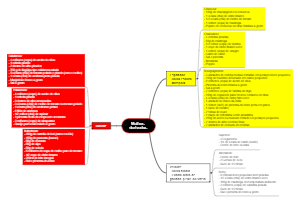
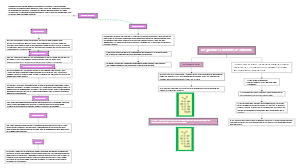
The essence, classification, and value of preschool children's games. Games enable preschool children to learn social roles, master social behavioral norms, improve preschool children's social skills, and exercise preschool children's will.
Edited at 2023-10-24 20:41:16preschool games
modern game theory
psychoanalytic theory
Freud's game theory
Games are "self" regulation, the contradictory mechanism of "id" and "superego"
Games can satisfy children's wishes that cannot be realized in real life and are driven by "hedonism"
Erikson's mastery theory
Play is a function of the self that can help the self coordinate and integrate biological and social factors.
The game regulates the stage conflicts of personality development and masters the emotional crises in conflicts.
Gender differences exist in children's play due to both biological and social influences
Game Theory of Cognitive Development
Piaget's game theory
Game features
Exercise nascent mental functions
Use assimilation tasks to change reality and meet children’s emotional needs
Game classification
Perceptual operation stage
practice games
pre-operational stage
symbolic game
Specific operation period
regular game
The essence of play according to Piaget
The essence of the game is assimilation rather than accommodation
Game Theory of the Social, Historical and Cultural School
Properties of game activities: imaginary situations and rules of games
The value of play: Creating children’s zone of proximal development
Games are the dominant activity for preschool children
classic game theory
remaining energy says
Representatives: Schiller, Herbert
The main points:
Game activities are the product of residual energy. The more energy you have left, the more games you will play.
There is more remaining energy and nowhere to vent it. The only way to release excess energy is through games.
Relaxation and pastime theory
Representatives: Lazarus, Patrick
The main points:
Games are a way of leisure that relaxes the body and mind
People can relieve tension and achieve relaxation and rest through games
repeat speech
Representative: Hall
The main points:
The games played by children are all copies and reproductions of the activities of human ancestors in ancient times.
Games are about preparing for future life
life preparation says
Representative: Gross
The main points:
Play is a natural instinct of animals
Children's games prepare for future life
Classification of preschool children’s games
Foreign game classification
Parton (level of social involvement)
nothing to do
parallel game
Play alone
United Games
collaborative games
watch
Biller (different forms of experience in the game)
functional games
imagination games
accept the game
structure game
Piaget (levels of cognitive development)
practice games
symbolic game
rules game
Classification of play in the former Soviet Union (correlation between level of participation in play and children
Play alone
parallel game
cooperative games
Classification of games in my country
Creative play (themed character imitation game, "Doll's House")
Rule-based games (rule games internalized in children, "hopscotch"
The value of preschool games
Games and preschool children’s social development
Enable preschool children to learn social roles and master social behavioral norms
Improve preschool children’s social skills
Exercise the will of preschool children
Games and the intellectual development of preschool children
Promote the development of imagination and creativity in preschool children
Deepen preschool children’s understanding of things around them
Promote the development of preschool children’s thinking skills
Games and physical development of preschool children
Promote the development of basic movements of preschool children
Promote physical growth and development of preschool children
Play and preschoolers’ emotional development
Can eliminate negative emotions in preschool children
Enrich preschool children’s emotional experience
Developing a sense of achievement in preschool children