MindMap Gallery Clinical transfusion laboratory quality management
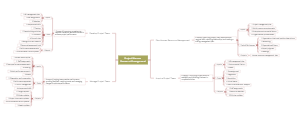
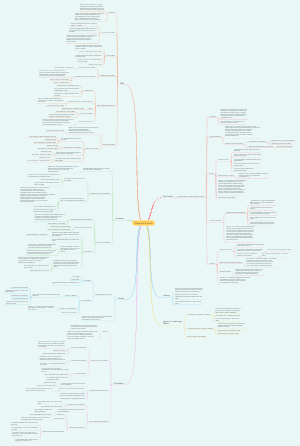
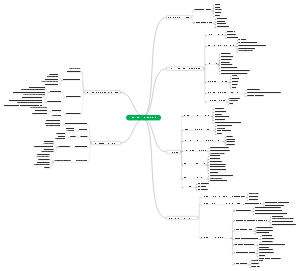
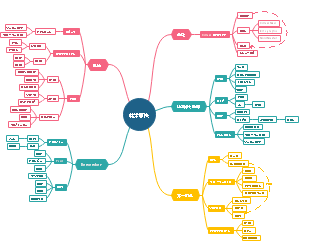
This is a mind map about quality management in clinical blood transfusion laboratories. The main contents include: clinical blood transfusion laboratory indoor quality control, blood transfusion compatibility test process control, and basic requirements.
Edited at 2024-02-01 16:49:12Avatar 3 centers on the Sully family, showcasing the internal rift caused by the sacrifice of their eldest son, and their alliance with other tribes on Pandora against the external conflict of the Ashbringers, who adhere to the philosophy of fire and are allied with humans. It explores the grand themes of family, faith, and survival.
This article discusses the Easter eggs and homages in Zootopia 2 that you may have discovered. The main content includes: character and archetype Easter eggs, cinematic universe crossover Easter eggs, animal ecology and behavior references, symbol and metaphor Easter eggs, social satire and brand allusions, and emotional storylines and sequel foreshadowing.
[Zootopia Character Relationship Chart] The idealistic rabbit police officer Judy and the cynical fox conman Nick form a charmingly contrasting duo, rising from street hustlers to become Zootopia police officers!
Avatar 3 centers on the Sully family, showcasing the internal rift caused by the sacrifice of their eldest son, and their alliance with other tribes on Pandora against the external conflict of the Ashbringers, who adhere to the philosophy of fire and are allied with humans. It explores the grand themes of family, faith, and survival.
This article discusses the Easter eggs and homages in Zootopia 2 that you may have discovered. The main content includes: character and archetype Easter eggs, cinematic universe crossover Easter eggs, animal ecology and behavior references, symbol and metaphor Easter eggs, social satire and brand allusions, and emotional storylines and sequel foreshadowing.
[Zootopia Character Relationship Chart] The idealistic rabbit police officer Judy and the cynical fox conman Nick form a charmingly contrasting duo, rising from street hustlers to become Zootopia police officers!
Clinical transfusion laboratory quality management
basic requirements
Tasks and functions
Red blood cell compatibility test
Platelet compatibility test (platelet specific antigen, HLA, etc. compatibility test)
Leukocyte compatibility test (granulocyte specific antigen, HLA, etc. compatibility test)
Organ and bone marrow transplant matching
Conditional laboratories: Carry out other immunohematology-related experiments
Basic requirements for laboratory setup
Setting up a clinical transfusion laboratory
The laboratory buildings, facilities and layout are constructed in accordance with the requirements of Biosafety Protection Level 2 (BSL-2), and personnel and equipment are allocated according to tasks and functions, as well as quality management.
Transfusion compatibility test process control
The basic principle
process change control
Develop procedures to control new processes or procedures where necessary, or to modify existing processes or procedures
QC
Develop a complete quality control plan to ensure that reagents, equipment and methods meet expected quality requirements
Identification and traceability
Process identification and traceability
Establish methods to identify each key step in the blood compatibility test and other test processes, and adopt control methods to ensure that the test results meet the requirements
Blood and specimen identification and traceability
Patient specimens are identified using barcode labels or traditional handwritten labels
The remaining specimens after the test should be stored for 7 days as required
Human resources control
Develop documents to clearly stipulate the qualifications and abilities that laboratory staff should have, the qualification requirements for different positions, job responsibilities, authorities and communication channels
document Control
The documents comply with relevant national laws, regulations and standards to ensure the adequacy and appropriateness of the documents
equipment control
The equipment configuration can meet the business needs of clinical blood transfusion laboratory
Material control
Reagents and materials comply with national standards, and the “three certificates” are complete
New anti-A and anti-B reagents for measuring antibody titer, specificity and affinity
"Chinese Pharmacopoeia" 2010 edition
Titer standard: The agglutination titer of anti-A against type A1, A2, and A2B red blood cells is not less than 128, 32, and 16 respectively; the agglutination titer of anti-B against type B red blood cells is not less than 128
Specificity: Anti-A should agglutinate with type A1 and A2B red blood cells, but not with type B and O red blood cells; anti-B should agglutinate with type B red blood cells, but not with type A1 and type O red blood cells; there is no hemolysis or other difficult-to-distinguishment Phenomenon
Affinity: The agglutination of anti-A and A1, A2, and A2B red blood cells should be less than 15 seconds, 30 seconds, and 45 seconds respectively; the agglutination of anti-B and B red blood cells should be less than 15 seconds, and the clot should reach more than 1mm2 within 3 minutes.
Reagents such as anti-D, reagent red blood cells, and microcolumn cards are subject to quality inspection according to the standards provided by the manufacturer.
process control
Blood transfusion request and specimen receipt
Blood transfusion application
The doctor accurately fills in the patient information, diagnosis, nature of blood transfusion (blood preparation, emergency or outpatient blood transfusion), past blood transfusion history, pregnancy history, etc. on the blood transfusion application form.
Only blood transfusion applications with complete, accurate and clear information will be accepted
specimen collection
Labels are attached before specimen collection. The labels must contain necessary and unique patient information.
After the collection is completed, the collector should sign the blood transfusion application form
specimen accepted
Confirm that all identification information on the blood transfusion application form is consistent with the blood sample test tube label information
If the label information is inconsistent, refuse to accept the specimen and blood transfusion application form, and notify the blood department to re-collect the specimen.
transfusion descriptive test
1.ABO blood group identification
Use the test tube method or microcolumn method, not the slide method
ABO blood type positive and negative typing is required
2.RhD blood type identification
Reagents
IgM monoclonal anti-D
IgM IgG mixed monoclonal anti-D
Combined with the indirect antiglobulin test, most known RhD blood types can be detected (including weak D, incomplete D, etc.)
method
Recipients only need to do a direct agglutination test with IgM monoclonal anti-D reagent, and do not need to do a weak D confirmatory test; because both weak D type and incomplete D type recipients can only be transfused with RhD negative red blood cells and platelets. or whole blood
3. Red blood cell accidental antibody screening test
The method used in the screening test should be performed under 37°C incubation conditions to ensure the detection of clinically significant unexpected antibodies.
Establish indoor quality control methods and rules for antibody screening laboratories to ensure accurate and reliable test results
4. Cross-match test
Before the experiment, carefully check that the information on the blood transfusion application form is consistent with the information on the test tube label of the blood recipient's specimen.
It can detect two kinds of red blood cell antibodies, IgM and IgG, to confirm whether the ABO blood types are the same or compatible, and whether there are unexpected antibodies against red blood cell antigens IgM or IgG.
Establish indoor quality control methods and rules to ensure reliable test results under controlled conditions
5. Check with past records
Establish a computer system to carry out automatic comparison procedures to ensure that the relevant information of the second blood transfusion during this hospitalization is compared with the last blood transfusion (ABO blood type, RhD blood type and unexpected antibody detection)
Can effectively detect wrong specimens taken by clinical departments
6. Review of donor blood ABO blood type and RhD blood type
Before whole blood, various red blood cell components, machine-collected or manually collected platelets are sent out, ABO blood type identification should be performed; if the label is RhD negative, the RhD blood type should be reviewed. Only when the test results are consistent with the blood bag label can a cross-match test be performed.
7. Precautions for transfusion compatibility testing
Pay attention to the control of important links that affect the test results, such as the ratio of serum and red blood cells, concentration of red blood cell suspension, reagent selection and use, test temperature and incubation time, centrifugation, accurate interpretation and interpretation of agglutination and/or hemolysis reactions, etc.
The cross-matching test requires one person to complete the entire test process. The ABO blood type of the recipient and the donor must be verified correctly before the cross-matching test can be performed.
Patients who have received blood transfusion or blood products containing red blood cells 3 months ago, pregnant women who are more than 3 months pregnant, and those whose medical history is unclear or unable to provide relevant medical history should use samples collected within 3 days before applying for blood transfusion for cross-matching tests (" "Clinical Blood Transfusion Technical Specifications" requirements)
When performing a cross-matching test using the test tube method, the direct centrifugation test with saline medium must not be ignored.
If the antibody screening is positive, antibody identification should be carried out to clarify which antigen the antibody targets, and blood that lacks the corresponding antigen should be selected for transfusion to the patient.
The surface of the blood bag must be marked when blood is issued (containing important personal and unique information of the blood recipient to facilitate verification by nurses before transfusion)
Blood selection and emergency blood use
1. Red blood cell compatibility transfusion blood type selection
Type O patients
Transfusion of type O red blood cells
Type A patients
Transfusion of type A and O red blood cells
Type B patients
Transfusion of type B and O red blood cells
Type AB patients
Transfusion of AB, A, B, and O red blood cells
2. Plasma compatibility blood type selection for transfusion
Type O patients
Transfusion of type O, A, B, AB compatible plasma
Type A patients
Transfusion of type A and AB compatible plasma
Type B patients
Transfusion of type B and AB compatible plasma
Type AB patients
Transfusion of type AB compatible plasma
3. Follow the principles when transfusing RhD-negative blood with RhD-positive blood
In principle, RhD-negative women of childbearing age cannot infuse RhD-positive blood components
When transfusing RhD-positive red blood cells, it should be confirmed that the recipient does not have anti-D, and a cross-match test should prove blood compatibility.
RhD-negative patients can be transfused with RhD-positive machine-collected platelets (the machine-collected platelets have less red blood cells remaining and there is no RhD antigen on the surface of the platelets)
4. When the patient's blood contains unexpected antibodies of clinical significance or has a history of such antibodies and needs to be transfused with whole blood or red blood cells, select blood that lacks the corresponding antigen and is compatible with the cross-matching test.
5. Emergency blood
Refers to emergency measures to issue and transfuse the same type or compatible blood without completing cross-matching if delayed blood transfusion will endanger the life of the recipient.
Medical institutions should develop procedures to standardize emergency blood use; before initiating emergency blood use procedures, doctors should inform patients or family members and record them in medical records.
People with unknown ABO blood type
Only type O red blood cells can be transfused
If the ABO blood type is known but the cross-match test cannot be completed, the patient can only receive whole blood and red blood cells of the same type or red blood cells with compatible blood types.
Collect the patient's blood samples as early as possible before emergency blood transfusion, conduct a remedial cross-matching test on the issued blood, and notify the clinical department of the test results in a timely manner
If it is found that a certain amount of blood is incompatible with the patient, the department should be notified as soon as possible to stop the transfusion of the blood and take corresponding measures.
In-house quality control in clinical transfusion laboratories
Definition and connotation
Operational techniques and acquisitions performed in order to meet quality requirements and meet quality requirements
Monitor the test process, evaluate and eliminate the reasons for unsatisfactory quality links, ensure that reagents, equipment and methods function to achieve expected results, and control the precision of laboratory inspection results
Meaning and characteristics
ABO blood group incompatibility transfusions are almost always caused by human error
clinical laboratory errors
Using wrong specimen
trial and error
Cross-matching slip writing error
bleeding error
Implementation of indoor quality control for ABO blood group and RhD blood group identification
Indoor quality control of ABO blood group and RhD blood group identification
Basic requirements and method selection
ABO blood type identification uses positive and negative typing
experiment method
It is best to choose test tube method or micro column method
Indoor quality control methods and rules for ABO blood group and RhD blood group identification
ABO blood group identification
Control anti-A detection ability: use type A quality control reagent red blood cells as positive control, use type B quality control reagent red blood cells as negative control
Control the anti-B detection ability: use type B quality control reagent red blood cells as a positive control, and use type A quality control reagent red blood cells as a negative control
RhD blood group identification
Control anti-D detection ability: use RhD-positive red blood cells as positive control and RhD-negative red blood cells as negative control
To prevent hemolysis from causing errors in ABO blood type determination, it is recommended to use EDTA red blood cell suspension to dilute red blood cells for reverse typing.
For patients who are found to have cold agglutinins or who are suspected of having high-potency cold agglutinins, when identifying ABO and RhD blood types, the patient's own red blood cells should be compared (the patient's red blood cells should be washed with warm saline before blood type identification).
The ABO blood group identification procedure is divided into two independent tests: positive typing and reverse typing, which are completed by two people independently.
Unexpected antibody screening test in-house quality control
Unexpected antibody screening test method selection
The false negative rate of accidental antibody screening tests is approximately 0.5% to 3.2%
method
indirect antiglobulin technology
antiglobulin test tube method
manual method
antiglobulin microcolumn method
Manual method or fully automatic equipment
polybrene method
Less sensitive than antiglobulin method
Kell blood group system antibodies cannot be effectively detected, but the K gene frequency in the Han population is almost zero, and the kk type is almost 100%
Except for Uyghur minority areas, it is feasible for other mainland laboratories to use the polybrene method to detect unexpected antibodies.
Cross-matching laboratory quality control
method
Direct centrifugation of saline medium
Antiglobulin test tube method or microcolumn method (containing antiglobulin reagent, microcolumn method is an alternative to the antiglobulin test tube method)
Fully automated equipment using micro-column technology for red blood cell compatibility testing
rule
The anti-globulin method at 37°C is widely used in laboratories for cross-matching tests, and the use of self-control is no longer advocated.
Only when there is incompatibility in the cross-matching test, self-control is necessary to determine whether there are autoantibodies.