 Wondershare EdrawMind
MindMap Gallery chronic bronchitis, chronic obstructive pulmonary disease
- 68
chronic bronchitis, chronic obstructive pulmonary disease
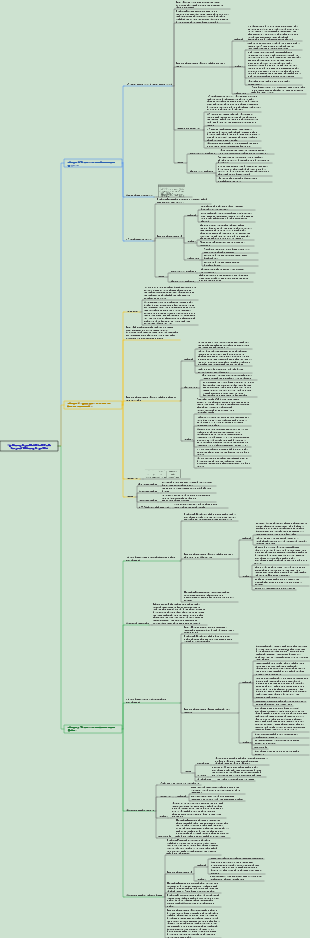
This is a mind map about chronic bronchitis, chronic obstructive pulmonary disease, introducing concepts, cause, pathology, clinical manifestations, laboratory examination, diagnosis, differential diagnosis, Treatment etc.
Edited at 2024-03-08 11:34:06
chronic bronchitis, chronic obstructive pulmonary disease
- Recommended to you
- Outline

chronic bronchitis, chronic obstructive pulmonary disease
chronic bronchitis
concept
Chronic non-specific inflammation of trachea, bronchial mucosa and surrounding tissues
Cough and phlegm are the main symptoms
Cause
smoking
Important environmental risk factors
Causes airway resistance↑
Destroy pulmonary elastic fibers
Promote the proliferation and hypertrophy of mucus glands and goblet cells → mucus secretion↑
occupational dust
air pollution
Infectious factors
Viral infection
Influenza virus, rhinovirus, adenovirus, respiratory syncytial virus
Bacterial infections
Multiple secondary viral infections
Common Streptococcus pneumoniae/Haemophilus influenzae
pathology
Degeneration, necrosis and shedding of bronchial epithelial cells
Later stages of squamous epithelial cell metaplasia (shortening of cilia/adhesion)
Bronchial tubes at all levels are infiltrated by inflammatory cells (mainly neutrophils/lymphocytes)
Goblet cell and mucus gland hyperplasia/excessive secretion → massive mucus retention
clinical manifestations
symptom
Main symptoms (cough/phlegm/wheezing)
Cough → Mainly morning cough (posture changes, sputum deposition at night)
★Aggravation at night (pulmonary edema)
Expectoration → white mucus/serous foam
Signs: Can be heard in the back/double lungs during acute attack→dry/moist rales→can be reduced after coughing
If you have asthma, you may hear widespread wheezing with prolonged respiratory periods.
Key early feature changes
Small airway dysfunction
laboratory tests
X-ray
No abnormality in early stage
Middle and late stage→Lung texture thickening/disorder/spot-like shadows
Respiratory function test (flow volume curve)
The ratio of expiratory volume in first second (FEV1)/forced vital capacity (FVC) after using bronchodilators <0.7 → indicates the development of chronic obstructive pulmonary disease
Decreased expiratory volume in the first second → is the main manifestation of obstructive ventilatory dysfunction
★There may be abnormalities in early small airways
★There are scattered wet and dry rales
diagnosis
Cough, expectoration, wheezing
The onset lasts for 3 months every year → lasts for 2 years/more than 3 years
Differential diagnosis
Bronchial Asthma
Have a personal history of allergies
Some people have an irritating cough
★No phlegm
Antibiotics ineffective/bronchial provocation test positive
widespread wheezing
★Chronic bronchitis is scattered wheezing sound
eosinophilic bronchitis
bronchiectasis
Repeated massive hemoptysis and thick sputum
treat
Control infection (use sensitive antibiotics)
Expectorant and antitussive drugs
Relieve asthma
If you have asthma, you can use bronchodilation
Chronic obstructive pulmonary disease (COPD)
concept
Persistent respiratory symptoms and airflow limitation
Associated with airway and alveolar abnormalities caused by significant exposure to harmful particles and gases
Pulmonary function tests are of great significance to this disease
The ratio of forced expiratory volume in the first second to forced vital capacity is less than 70%
Indicates airflow restriction
COPD is closely related to chronic bronchitis and emphysema
Lung function of patients with chronic bronchitis/emphysema→Detection of persistent airflow limitation (key)→
Diagnosed with COPD
COPD can lead to chronic respiratory failure and chronic cor pulmonale
Pathogenesis
inflammatory mechanism
Chronic inflammation of airways/pulmonary parenchyma/pulmonary vessels
Chronic mucus hypersecretion and destruction of lung parenchyma
Neutrophil activation and accumulation is an important part of inflammation
★Repeated infections will lead to → an increase in white blood cells/macrophages → an increase in the release of proteolytic enzymes → damage to tissues
Protease-Antiprotease Imbalance Mechanism
Proteolytic enzymes damage tissues
Alpha-antitrypsin is the most active type of antiprotease
Protease↑ or anti-trypsin↓ can cause emphysema
oxidative emergency mechanism
Pathophysiology
Mainly pathological changes of chronic bronchitis and emphysema
★Emphysema
(Abnormal and persistent expansion of the air space distal to the terminal bronchioles of the lungs, destruction of alveoli and bronchioles)
Alveolar thinning, alveolar cavity enlargement/rupture/loss of elasticity
According to the cumulative lung lobule section
Centrilobular emphysema (most common)
Stenosis of terminal bronchioles and/or first-order respiratory bronchioles leading to cystic dilation of distal second-order respiratory bronchioles, centrilobularly
full leaf type
Hybrid
Continuous airflow limitation leads to pulmonary ventilation dysfunction (main pathophysiological characteristics) → As the disease progresses → Lung tissue elasticity decreases → Alveolar retraction disorder
Residual volume and residual volume as a percentage of total lung capacity increase
Emphysema worsens → a large number of capillaries around the alveoli are squeezed → capillaries decrease/blood volume decreases → dead space increases
Ventilation-blood flow imbalance
Ventilation Ventilation Dysfunction Carbon Dioxide Retention
Hypoxemia (caused by ventilation impairment)
Hypercapnia (caused by ventilatory disorder)
clinical manifestations
symptom
Mostly asymptomatic in early stage
chronic cough
More obvious cough in the morning
expectoration
Mostly white mucus sputum
Shortness of breath
In the early stage, it usually occurs during strenuous activities.
Late stage also occurs in daily activities
Wheezing and chest tightness
physical signs
Inspection
The anteroposterior diameter of the thorax increases and the intercostal space widens (barrel chest)
palpation
Reduced bilingual tremor
percussion
Too unvoiced
Heart dullness area narrowed
Decreased lung/liver dullness boundary
auscultation
Reduced breath sounds in both lungs
Prolonged respiratory period
Wet and dry rales may occur
Distant heart sounds
laboratory tests
Pulmonary function test (gold standard)
After bronchodilator inhalation (ratio of forced expiratory volume in first second to forced vital capacity)
★★★FEV1/FVC<70% (continuous airflow limitation)
If it is >70%
chronic bronchitis
★Evaluate airflow restriction gold index
Forced expiratory volume in first second as a percentage of predicted value
The gold standard for assessing COPD severity
Total lung capacity/functional residual capacity/residual capacity↑
Vital capacity↓
Chest X-ray
other
Peripheral blood cells may have left-shifted nuclei
treat
Prognosis → The disease is irreversible
The most important drug for COPD
Bronchodilators
Drugs for acute exacerbations
Antibiotics fight infections
complication
spontaneous pneumothorax
Sudden worsening of dyspnea with marked cyanosis
Diagnosis should be confirmed by X-ray
chronic pulmonary heart disease
COPD causes reduction of pulmonary vascular bed → pulmonary artery constriction and vascular remodeling
Pulmonary hypertension, right ventricular hypertrophy and enlargement → right ventricular dysfunction
★Cor pulmonale Pneumothorax
X-ray is preferred
COPD acute exacerbation and pulmonary encephalopathy
arterial blood gas analysis
Replenish
Functional residual capacity↑
Hyperinflation of the lungs
bronchial provocation test
airway hypersensitivity
bronchodilation test
There is reversible airway obstruction
restrictive ventilatory disorder
interstitial pneumonia
COPD development
Early days
Small airway disease
Prolonged ventilation time
medium term
Large airway disease
Decreased ventilation
Late stage
followed by ventilatory dysfunction
Massive loss of alveoli and capillaries → obstruction of ventilation
Replenish
COPD effector cells → are neutrophils
Asthma effector cells → are mast cells, eosinophils
Replenish
Chronic bronchopneumonia → COPD (chronic obstructive pulmonary disease) → cor pulmonale
Incomplete obstruction of bronchioles → emphysema
Complete obstruction of bronchioles → atelectasis