 Wondershare EdrawMind
MindMap Gallery Adverse transfusion reactions and transfusion-transmitted diseases
- 55
Adverse transfusion reactions and transfusion-transmitted diseases
This is a mind map about adverse transfusion reactions and transfusion-transmitted diseases. The main content includes: transfusion-transmitted diseases and adverse transfusion reactions.
Edited at 2024-01-29 20:02:04
- New Employee First - week Onboarding Plan
Mappa mentale per il piano di inserimento dei nuovi dipendenti nella prima settimana. Strutturata per giorni: Giorno 1 – benvenuto, configurazione strumenti, presentazione team. Secondo giorno – formazione su policy aziendali e obiettivi del ruolo. Terzo giorno – affiancamento e primi task guidati. Il quarto giorno – riunioni con dipartimenti chiave e feedback intermedio. Il quinto giorno – revisione settimanale, definizione obiettivi a breve termine e integrazione culturale.
- Analisi del campo di allenamento inglese
Mappa mentale per l’analisi della formazione francese ai Mondiali 2026. Punti chiave: attacco stellare guidato da Mbappé, con triplice minaccia (profondità, taglio, sponda). Criticità: centrocampo poco creativo – la costruzione offensiva dipende dagli attaccanti che arretrano. Difesa solida (Upamecano, Saliba, Koundé). Portiere Maignan. Variabili: gestione infortuni e condizione fisica dei big. Ideale per scout, giornalisti e tifosi.
- Analisi della lineup francese
Mappa mentale per l’analisi della formazione francese ai Mondiali 2026. Punti chiave: attacco stellare guidato da Mbappé, con triplice minaccia (profondità, taglio, sponda). Criticità: centrocampo poco creativo – la costruzione offensiva dipende dagli attaccanti che arretrano. Difesa solida (Upamecano, Saliba, Koundé). Portiere Maignan. Variabili: gestione infortuni e condizione fisica dei big. Ideale per scout, giornalisti e tifosi.
Adverse transfusion reactions and transfusion-transmitted diseases
- New Employee First - week Onboarding Plan
Mappa mentale per il piano di inserimento dei nuovi dipendenti nella prima settimana. Strutturata per giorni: Giorno 1 – benvenuto, configurazione strumenti, presentazione team. Secondo giorno – formazione su policy aziendali e obiettivi del ruolo. Terzo giorno – affiancamento e primi task guidati. Il quarto giorno – riunioni con dipartimenti chiave e feedback intermedio. Il quinto giorno – revisione settimanale, definizione obiettivi a breve termine e integrazione culturale.
- Analisi del campo di allenamento inglese
Mappa mentale per l’analisi della formazione francese ai Mondiali 2026. Punti chiave: attacco stellare guidato da Mbappé, con triplice minaccia (profondità, taglio, sponda). Criticità: centrocampo poco creativo – la costruzione offensiva dipende dagli attaccanti che arretrano. Difesa solida (Upamecano, Saliba, Koundé). Portiere Maignan. Variabili: gestione infortuni e condizione fisica dei big. Ideale per scout, giornalisti e tifosi.
- Analisi della lineup francese
Mappa mentale per l’analisi della formazione francese ai Mondiali 2026. Punti chiave: attacco stellare guidato da Mbappé, con triplice minaccia (profondità, taglio, sponda). Criticità: centrocampo poco creativo – la costruzione offensiva dipende dagli attaccanti che arretrano. Difesa solida (Upamecano, Saliba, Koundé). Portiere Maignan. Variabili: gestione infortuni e condizione fisica dei big. Ideale per scout, giornalisti e tifosi.
- Recommended to you
- Outline
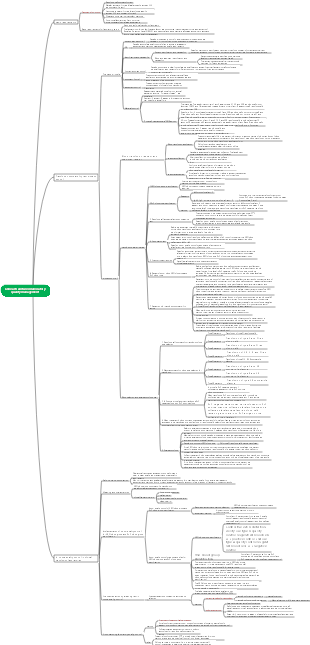
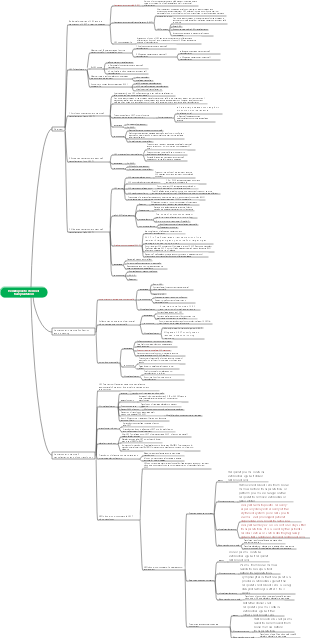
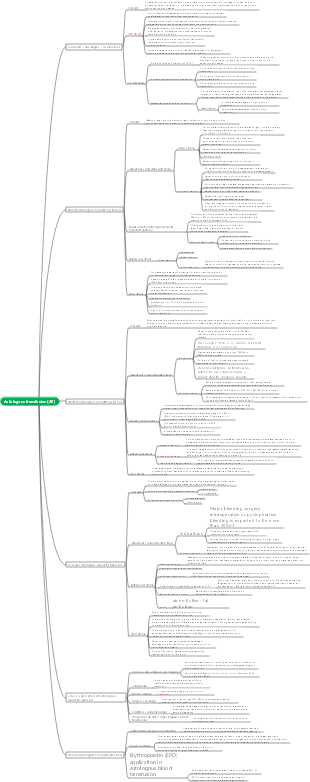

Adverse transfusion reactions and transfusion-transmitted diseases
Adverse transfusion reactions
Classification
by occurrence time
Acute reaction: blood transfusion within 24 hours
Delayed reaction: 24 hours after blood transfusion
According to the presence or absence of immune factors
immune response
non-immune reaction
1. Febrile non-hemolytic transfusion reaction (FNHTR)
The body temperature rises ³1°C during or after blood transfusion, with fever and chills being the main symptoms. Fever-type transfusion reactions caused by hemolysis, bacterial contamination, severe allergies, etc. are excluded.
The most common adverse blood transfusion reaction, accounting for 52.1% of adverse blood transfusion reactions, is more common in women with multiple blood transfusions or multiple pregnancies.
Etiology and pathogenesis
66% to 88% of FNHTR are caused by HLA antibodies, HNA antibodies or HPA antibodies, with HLA antibodies being the most common.
The frequency of HLA antibodies produced in patients with multiple blood transfusions is 54.7%. If blood is transfused again, an antigen-antibody reaction (leukocyte agglutination) occurs, which is destroyed by the monocyte-macrophage system and releases endogenous pyrogen, leading to FNHTR.
clinical manifestations
During blood transfusion or within 1 to 2 hours after blood transfusion, fever lasts for as little as a few minutes, as long as 1 to 2 hours, and no longer than 8 to 10 hours.
The level of fever is directly proportional to the infusion speed, the number of white blood cells input, and the amount of pyrogenic source. The body temperature is 38~41°C, accompanied by chills, headache, general malaise, nausea, vomiting, facial flushing, chills, rapid pulse, etc.
Diagnosis and differential diagnosis
No specific tests, diagnosis of exclusion is used
Exclude: infections, drugs (such as amphotericin B), hemolytic transfusion reactions, bacterial contamination of blood products, transfusion-related acute lung injury (TRALI), etc.
treat
Stop blood transfusion, slowly infuse normal saline to keep the vein open, and closely observe the condition
Eliminate hemolytic reactions and bacterial contamination, verify blood type and cross-matching, and consider drug factors or infectious diseases.
If the blood recipient develops a mild fever reaction and still needs to continue blood transfusion due to his condition, the blood preparation should be replaced again.
prevention
When the white blood cell content is <5x10⁶, it can effectively prevent the occurrence of FNHTR.
Transfusion of leukocyte-depleted blood products
2. Hemolytic transfusion reaction (HTR)
Classification
According to the reason of occurrence
immune hemolytic reaction
More common, ABO blood type, Rh blood type
non-immune hemolytic reaction
Rarely, red blood cells are destroyed by hypotonic fluid infusion, freezing, or overheating
According to the emergency
Acute hemolytic transfusion reaction (AHTR)
Intravascular hemolysis within 24 hours or immediately after transfusion
ABO blood group system
Most are IgM antibodies, and a few are complement-binding IgG antibodies, which activate complement and cause intravascular hemolysis.
Delayed hemolytic transfusion reaction (DHTR)
3 to 10 days after blood transfusion, or longer (such as after 6 weeks), extravascular hemolysis
Most of them are IgG, which generally do not activate complement and are phagocytized and destroyed by the monocyte-macrophage system of the liver and spleen, leading to extravascular hemolysis.
Press the hemolysis site
intravascular hemolysis
ABO blood group system
extravascular hemolysis
Rh, Kidd, Duffy, Kell, Diego and other blood group systems
Etiology and pathogenesis
Acute hemolytic transfusion reaction (AHTR)
Most are IgM antibodies, and a few are complement-binding IgG antibodies. Activation of complement causes intravascular hemolysis, and free hemoglobin appears in blood and urine.
Inflammatory mediators, such as histamine, cytokines (such as IL-1, IL-6, IL-8), TNF, etc., cause blood pressure drop, shock, bronchospasm, and fever
The antigen-antibody reaction stimulates platelets to release PF3 and activates the endogenous coagulation system. TNF induces endothelial cells to produce tissue factor and activates the exogenous coagulation system. TNF and IL-1 act on vascular endothelial cells to reduce the release of TM and white blood cells to promote coagulation, etc., leading to DIC
Renal failure due to ischemia during acute hemolysis
Delayed hemolytic transfusion reaction (DHTR)
Most of them are IgG, which do not activate complement or only activate C3. They are phagocytized and destroyed by the liver and spleen monocyte-macrophage system, causing extravascular hemolysis.
Levels of inflammatory mediators are very low and symptoms are mild
recall antibody response
First exposure to D antigen, appearing 4 to 8 weeks after anti-D transfusion, or 5 months later, without hemolysis
After another blood transfusion, the sensitized D antigen will produce a recall reaction, and a large number of antibodies will be produced within a few days, leading to hemolysis.
clinical manifestations
AHTR
Within minutes to hours of blood transfusion, irritability, fever, chills, chest or back pain, red complexion, difficulty breathing, tachycardia and drop in blood pressure, systemic bleeding, hemoglobinuria, and jaundice may occur.
Severe cases include renal failure, shock, disseminated intravascular coagulation (DIC), and even death.
Typical onset symptoms: sudden feeling of fear and uneasiness, head swelling, general numbness, chest pressure, chest pain and back pain; skin petechiae all over the body, bleeding from puncture sites and blood oozing from surgical wounds
Patients with severe diseases, especially newborns and immature children, those who use large amounts of sedatives, and those who use general anesthesia, have atypical clinical manifestations, only showing difficulty in surgical hemostasis, post-transfusion anemia, no clinical symptoms, and death due to anemic heart failure.
DHTR
Symptoms are mild, mainly extravascular hemolysis, and can also be fatal.
Unexplained fever, anemia, jaundice, occasionally hemoglobinemia and hemoglobinuria, renal failure, DIC
Because there are no obvious clinical symptoms, the diagnosis is easily missed. The diagnosis is confirmed only when the direct antiglobulin test (DAT) is positive and/or new alloantibodies are detected during another blood transfusion.
laboratory tests
Check whether the blood storage conditions are correct and whether the blood bags and blood samples are hemolyzed
Repeat testing of ABO and RhD blood types on specimens before and after transfusion, and pay attention to whether there is mixed agglutination.
Unexpected antibody screening was repeated on the samples before and after the blood transfusion, and the antibody identification spectrum cells reacted with the samples before and after the blood transfusion respectively.
Donor blood samples transfused into the patient within the past 24 hours were cross-matched with the patient's blood samples before and after transfusion.
The direct antiglobulin test (DAT) detects antibodies on the surface of red blood cells, and the indirect antiglobulin test detects antibodies in the serum.
Absorption-emission test detects the presence of antibodies
Detection of free hemoglobin, bilirubin, urea nitrogen, creatinine, urinary hemoglobin and hemosiderin in serum, peripheral blood smear examination, complete blood cell count, coagulation test
AHTR
Rh, Kidd, Duffy, Kell, Diego and other blood group systems
Decreased hematocrit, increased spherocytosis, decreased plasma haptoglobin (Hp), increased LDH, plasma free hemoglobin, positive direct antiglobulin test, and increased serum bilirubin 6 to 8 hours later
DHTR
Incompatible red blood cells are removed from the circulation and DAT becomes negative. Even if DAT is negative, the possibility of DHTR cannot be ruled out.
Diagnosis and differential diagnosis
If you have anemia, fever and a recent history of blood transfusion, you should be highly alert to the possibility of DHTR
Differential diagnosis
Bacteria contaminate blood
Stored blood is damaged physically, chemically, or by drugs
Certain infections cause hemolysis
hemolytic anemia
autoimmune hemolytic anemia
hereditary spherocytosis
G-6-PD deficiency
sickle cell anemia
microangiopathic hemolytic anemia
Paroxysmal nocturnal hemoglobinuria (PNH)
drug-induced hemolysis
non-immune hemolysis
treat
Acute hemolytic transfusion reaction (AHTR)
Early diagnosis, active treatment, prevention and treatment of shock, acute renal failure, DIC, etc.
Delayed hemolytic transfusion reaction (DHTR)
No treatment is required. If symptoms similar to acute hemolytic reaction occur, treat them as AHTR.
After DHTR occurs, identify alloantibodies and avoid transfusing red blood cells positive for the corresponding antigen during blood transfusion.
prevention
Strict pre-transfusion examination: ABO positive and negative typing, RhD typing, unexpected antibody screening, cross-matching test
Strict the clinical blood transfusion management system and strengthen technical training to avoid errors due to negligence in blood sample collection, blood type identification, cross-matching, blood issuance, and blood transfusion.
3. Allergic transfusion reaction
Etiology and pathogenesis
IgA antibody
Lack of IgA, or although the IgA content is normal but lacks a certain IgA subtype, IgA antibodies or allogeneic IgA antibodies are produced after multiple blood transfusions, and allergic reactions occur when the corresponding IgA is re-infused.
Other protein antibodies
Lack of IgG, IgE, haptoglobin, antitrypsin, transferrin, C3, C4, etc., resulting in corresponding antibodies, leading to allergic reactions
Allergy
Allergic constitution, transfusion of plasma or blood containing denatured protein can cause allergic reactions, often moderate or severe urticaria
IgE antibodies, which bind to mast cells and basophils, bind to corresponding antigens, and release histamine and 5-hydroxytryptamine to cause allergic reactions.
passively acquired antibodies
Allergic blood donors, whose antibodies (such as antibodies produced by allergies to drugs (aspirin, penicillin, etc.) or food and other ingredients) are transfused into a blood recipient, and an allergic reaction occurs when the blood recipient comes into contact with the corresponding antigen
patients with hypogammaglobulinemia
Patients are prone to allergic reactions and even shock even after intramuscular injection of immune globulin.
neonatal post-transfusion syndrome
In neonates with multiple blood transfusions, fetal blood transfusions, and blood transfusions, a benign syndrome of transient maculopapular rash accompanied by eosinophilia and thrombocytopenia may occur, which is related to the reaction of certain components in the blood donor's body.
clinical manifestations
a. Uncomplicated allergic reaction
Simple urticaria (local or widespread urticaria), mostly seen on the neck and upper trunk, without other systemic symptoms or signs
b. Anaphylactic reaction
Between the two, skin itching, urticaria, erythema, angioedema, severe bronchospasm, laryngeal edema, dyspnea, cyanosis, anaphylactic shock, nausea and vomiting, abdominal pain, and diarrhea
c.Severe allergic reaction
1 to 45 minutes after a blood transfusion occurs, the consequences will be serious and must be identified immediately and actively treated. No further infusion of any plasma-containing products is allowed.
Diagnosis and differential diagnosis
Anaphylactoid reactions and severe allergic reactions should be distinguished from circulatory overload, transfusion-related acute lung injury, hemolytic reaction, bacterial contamination reaction, and certain underlying diseases of the recipient.
treat
Mild allergic reactions (a few wheals or itching) do not require special treatment and can be prevented or treated with antihistamines
For severe allergic reactions, immediately stop the infusion of blood products, maintain the intravenous channel and inject saline or Ringer's solution, inhale oxygen, and give epinephrine, aminophylline and antihistamines. In severe cases, glucocorticoids will be given. In cases of severe laryngeal edema, Endotracheal intubation or tracheotomy
prevention
Ask about any history of allergies before blood transfusion. Those with a history of plasma allergies should take antihistamines or glucocorticoids as prophylaxis before blood transfusion. If necessary, wash red blood cells should be transfused.
For those who lack IgA and have IgA antibodies in their blood, transfusion of IgA-free blood components or washed red blood cells
4. Transfusion-associated graft-versus-host disease (TA-GVHD)
After infusion of blood containing the donor's immune active lymphocytes (mainly T lymphocytes), they are not recognized and rejected by the recipient's immune system. The donor's lymphocytes engraft in the recipient's body, proliferate, attack and destroy the recipient's tissues and organs. Hematopoietic system, a fatal immune transfusion complication
Etiology and pathogenesis
Disease conditions
a. Donor and recipient HLA incompatibility
b. There are immune active cells in the donor’s blood
c. The recipient is immunocompetent and cannot reject the donor cells.
recipient immune status
a. High-risk susceptible persons
Hematopoietic stem cell transplant recipients, patients with congenital immunodeficiency, patients with combined immunodeficiency, neonates and premature infants treated with exchange transfusion, and patients with intrauterine blood transfusion
b. Low-risk susceptible persons
Patients with solid tumors and hematological malignancies (such as leukemia, lymphoma, etc.) undergoing chemotherapy or radiotherapy
c. Patients with “relatively” normal immune response capabilities
Normal newborn, cardiac surgery, aneurysm repair, cholecystectomy
Blood transfusion often occurs between first and second degree relatives
Number of lymphocytes in blood products
A single infusion of 106 immunocompetent allogeneic T lymphocytes can cause TA-GVHD in immunocompromised patients
Blood products that can induce TA-GVHD (T cells ³2.0x10⁹/L)
Whole blood rich in active T lymphocytes (fresh whole blood)
red blood cell suspension
Condensed granulocytes (most common)
platelet concentrate
Blood products that cannot cause TA-GVHD
Fresh frozen plasma without cryoprotectant
Cryoprecipitate
Recipient HLA haplotype
After an HLA heterozygous recipient receives blood from a homozygous donor with exactly the same HLA haplotype gene, the recipient's T cells cannot recognize the donor's lymphocytes (will not reject them). After engraftment, the donor's T cells will Different HLA antigens are recognized as foreign bodies and attacked, resulting in TA-GVHD
Other relevant factors
TA-GVHD is related to CD8 and NK cell activity. Recipient CD8 cells and NK cells can recognize donor T lymphocytes to prevent TA-GVHD.
clinical manifestations
More complex, extremely atypical symptoms, lack of specificity
The onset of illness is 10 to 14 days after blood transfusion, with a minimum of 2 days and a maximum of 30 days. Death occurs quickly after 1 to 3 weeks, with a mortality rate of over 90%.
Damaged target organs: skin, liver, bone marrow, gastrointestinal tract
High fever, rash, abnormal liver function, jaundice, diarrhea, pancytopenia, and hypoplasia of bone marrow
laboratory tests
Blood routine
Decrease of three-lineage cells in peripheral blood, with or without elevation of bilirubin and transaminases
Chimeric cells exist in peripheral blood and tissue infiltrating lymphocytes, and HLA typing is an important basis for the diagnosis of TA-GVHD.
Detection of Y chromosome in female patients, DNA polymorphism analysis and specific molecular probe hybridization, etc.
diagnosis
Based on the susceptible population’s history of blood product transfusion, clinical symptoms, signs and skin histopathological manifestations
prevention
Strictly control the indications for blood transfusion and strengthen component transfusion
Blood product irradiation
5. Transfusion-related acute lung injury (TRALI)
Etiology and pathogenesis
More than 90% of antibodies come from blood donors (women who have been pregnant for more than 3 times), and a small number come from blood recipients
HLA class I, HLA class II antibodies, HNA1, HNA2 antibodies
Donor HLA antibodies and HNA antibodies cause the recipient's neutrophils (or red blood cells, platelets, or plasma) to accumulate in the pulmonary blood vessels, activate complement, increase the permeability of endothelial cells and microvessels, and cause pulmonary edema.
clinical manifestations
TRALI is a syndrome with diverse clinical symptoms and signs, similar to adult acute respiratory distress syndrome (ARDS), and the lung damage is reversible.
TRALI pentalogy (severe cases can cause death)
a. Acute dyspnea
b.Hypoxemia
c.Noncardiogenic pulmonary edema
d. Moderate hypotension
e. Fever
laboratory tests
The detection of HLA antibodies and/or HNA antibodies in blood components or plasma is evidence for the diagnosis of TRALI
Within 6 hours of blood transfusion, the patient showed transient neutropenia and hypocomplementemia, and X-ray examination showed signs of bilateral pulmonary edema.
Diagnosis and differential diagnosis
Diagnostic criteria
a.Acute respiratory distress
b. Chest X-ray shows bilateral pulmonary infiltrates
c. Symptoms appear within 6 hours of blood transfusion
d. Exclude transfusion-related overload or cardiogenic pulmonary edema
e. Hypoxemia (oxygen saturation <90%)
f. Recent acute lung injury without other risk factors including combined trauma, pneumonia, cardiopulmonary bypass, burns, toxic gas inhalation, pulmonary contusion, etc.
Differential diagnosis
Allergic transfusion reactions, transfusion-related circulatory overload, bacterial contamination and hemolytic transfusion reactions, etc.
treat
Remission within 48 to 96 hours, complete recovery of lung function, mortality rate <10%, severe cases combined with other complications and death
The key to treatment is to make a clear diagnosis, strengthen monitoring, and promptly improve hypoxia.
prevention
Strictly control indications for blood transfusion to avoid unnecessary blood transfusion
When there are clear indications for blood transfusion, choose blood products with little plasma or no plasma components and men with no history of blood transfusion as blood donors.
Women who have been pregnant for more than three times should not donate blood. 18% of multiparous women’s blood contains leukocyte antibodies, which increase with the number of pregnancies and can last for many years.
Improve the production process of blood products, reduce the plasma content in blood products that may cause TRALI, and do not use blood products from donors that may cause severe TRALI.
If the antibodies are from the recipient, leukocyte filtration should be performed during the transfusion
Stored autologous blood transfusion can be performed if conditions permit
6. Complications of massive blood transfusion
triad of death from massive transfusion
a. Acidosis
Acidosis is a sign of tissue hypoperfusion and insufficient oxygen supply
b. Hypothermia
In acute blood loss, the body initiates compensatory physiological activities to maintain blood volume. Mortality is directly related to the degree of hypothermia and the amount of blood transfusion required for coagulation disorders.
When coagulation disorder occurs, the maximum temperature drop cannot be lower than 35°C.
Warming of blood is required in the following situations:
Massive blood transfusion of more than 5 units
Blood transfusion rate is greater than 50ml/min
Exchange transfusion therapy, especially exchange transfusion treatment for hemolytic disease of the newborn
Strong cold-coagulating hormones are present in the recipient's body
The patient developed venous spasm and pain at the needle puncture site during blood transfusion.
c. Coagulation disorder
Coagulation disorder caused by massive blood transfusion is a multifactorial complication, and the impact of trauma is no less severe than that of massive blood transfusion.
Commonly used detection indicators: PLT, PT, APTT, TT, measured once every 4 units of blood are input
Metabolic changes in massive blood transfusion
a. Transfusion-related circulatory overload
Too much or too fast blood transfusion or infusion exceeds the load capacity of the cardiovascular system, causing increased venous pressure, increased pulmonary blood flow, reduced vital capacity, and easy death.
b. Changes in blood potassium
Causes hyperkalemia or hypokalemia
Hypokalemia: Anticoagulants containing citric acid are rapidly converted into sodium bicarbonate in the liver, causing metabolic alkalosis.
Hyperkalemia: The escape of potassium from blood cells causes an increase in blood potassium, and oliguria and metabolic acidosis caused by shock aggravate hyperkalemia.
c. High blood ammonia
Blood ammonia increases when red blood cells (4±2°C) are stored. Patients with liver insufficiency, hepatic encephalopathy or liver failure cannot metabolize blood ammonia in time, causing hepatic encephalopathy.
d.Citrate poisoning
The liver cannot metabolize citrate in time, and excessive citrate combines with calcium and magnesium ions, causing hypocalcemia and hypomagnesemia.
e. Pulmonary microvascular embolism
Pulmonary microvascular embolism caused by infusion of microaggregates in blood
Microaggregates are composed of microaggregated particles formed by white blood cells, platelets and fibrin in stored blood, and increase with the extension of storage time.
7. Bacterial transfusion reaction
Etiology and pathogenesis
Blood collection, blood component preparation, storage and transfusion are all prone to bacterial contamination.
The spectrum of bacteria that contaminate blood products is wide, with Gram-positive bacteria accounting for 49%, Gram-negative bacteria accounting for 46%, and other mixed bacteria accounting for 5%.
clinical manifestations
Gram-negative bacteria contamination
Symptoms appear 30 minutes after blood transfusion. In severe cases, blood transfusion reaction can occur after transfusion of 10~20ml of blood.
Flushed complexion, chills, high fever, irritability, dry cough and difficulty breathing, etc. In severe cases, shock, acute renal failure and DIC may occur.
Under general anesthesia, the patient only showed physical signs such as a drop in blood pressure and continued bleeding from the surgical wound, but did not show chills or high fever.
Gram-positive bacterial contamination
The clinical manifestations are mild, and sometimes there is no transfusion reaction or only a fever reaction.
It may be related to the fact that Gram-positive bacteria do not produce endotoxin
laboratory tests
Direct smear microscopy and bacterial culture
Diagnosis and differential diagnosis
Diagnosis: Symptoms and signs of bacterial transfusion reactions such as high fever, shock, and congestion of skin and mucous membranes appear within a short period of time after blood transfusion. The diagnosis can be made when combined with laboratory tests.
Differential diagnosis: febrile non-hemolytic transfusion reaction (FNHTR), acute hemolytic transfusion reaction (AHTR)
treat
Stop blood transfusion and keep venous access open
Use high-dose broad-spectrum antibiotics as soon as possible
Treat complications, acute renal failure, shock and DIC, etc.
Symptomatic treatment
prevention
Choose qualified disposable blood collection and blood transfusion equipment
Strictly implement aseptic procedures during blood collection, blood component preparation, storage, transportation and infusion.
Blood products contaminated by suspected bacteria shall not be issued or transfused.
Blood donors with infectious lesions postpone donating blood
Observe closely during blood transfusion and terminate blood transfusion if necessary
8. Hemosiderinosis (haemochromatosis)
A group of diseases caused by excessive iron load in the body. Long-term and repeated infusion of whole blood can easily lead to hemochromatosis.
Etiology and pathogenesis
After long-term repeated blood transfusions, excess iron is deposited in monocytes, macrophages and other tissue cells in the form of hemosiderin, causing damage to the liver, heart, pancreas, hypothalamus and thyroid gland.
Skin pigmentation, myocarditis, hyperthyroidism, insufficient secretion of hypothalamic gonadal hormones, joint pain, joint deformation and liver cirrhosis, etc.
clinical manifestations
Hemosiderinosis caused by blood transfusion is common in patients with chronic anemia whose blood transfusion treatment involves a blood transfusion volume exceeding 10,000 ml.
skin pigmentation
The first manifestation is dark gray or blue-gray skin all over the body, especially in exposed parts, scar tissue surface and external genitalia.
liver disease
Early hepatomegaly, liver fibrosis, late stage cirrhosis, hepatic encephalopathy, etc.
heart disease
Arrhythmias, cardiomegaly, heart failure, etc.
Islet disease and diabetes
Symptoms and signs of diabetes such as three more and one less, increased blood sugar, and positive urine sugar
Other organ diseases
Hypothalamus-adenopituitary gland, adrenal gland, parathyroid gland, thyroid gland, gonads and joint synovium, etc.
laboratory tests
Laboratory tests for iron overload
Elevated serum iron
Serum transferrin saturation increases, reaching 80%~100%
Serum ferritin (SF)>700mg/L
Laboratory tests for tissue and organ involvement
Affected organs have corresponding laboratory test findings
diagnosis
Medical history, blood transfusion history, clinical symptoms and laboratory tests
transfusion-transmitted diseases
1. AIDS (Acquired Immunodeficiency Syndrome (AIDS)
etiology
Pathogen: Human immunodeficiency virus (HIV), a single-stranded RNA virus, belongs to the family Retroviridae and is divided into HIV-1 and HIV-2.
Infect CD4 T cells, monocytes-macrophages, B lymphocytes, microglia and bone marrow stem cells, etc.
It is sensitive to both acid and heat. The number of HIV drops significantly at pH 6. Viral enzymes can be destroyed at 56°C for 30 minutes. Infectivity disappears after 3 hours at 60°C or 30 minutes at 80°C.
Sensitive to disinfectants, 1% glutaraldehyde for 5 minutes, 5% sodium hypochlorite, and 70% ethanol for 1 minute to kill the virus; not sensitive to ultraviolet rays or alkalinity
Epidemiology
way for spreading
Sexual contact transmission
mother-to-child transmission
Bloodborne
Blood products, intravenous drug use, organ transplantation, trauma, blood collection, tooth extraction and various surgeries, etc.
infection process
The whole process includes: acute HIV infection, asymptomatic HIV infection, and third stage of AIDS, which can take as short as half a year or as long as more than 20 years.
HIV infection caused by blood transfusion transformed into AIDS within 7 years, with complex clinical manifestations, severe symptoms, and extremely high mortality rate
laboratory tests
Pathological examination
HIV antibody test
HIV occupational exposure occurs
The wound should be treated urgently, and the local area should be gently squeezed repeatedly to squeeze out as much blood as possible from the wound. Wash the wound with plenty of water or saline. Disinfect the wound with disinfectant (75% ethanol, 0.5% iodine, 2000 mg/L) and bandage it.
2. Viral hepatitis
etiology
Hepatitis A, B, C, D, E, and G viruses, namely HAV, HBV, HCV, HDV, HEV, HGV
Hepatitis B
etiology
HBV, double-stranded DNA virus
HBV has strong resistance and can withstand temperature, drying, ultraviolet rays and general concentration disinfectants. It can be sterilized by high pressure at 121°C for 20 minutes, dry roasted at 100°C for 1 hour, boiled at 100°C for 2 minutes, and 0.5% peracetic acid. HBV can be inactivated by direct treatment with solution, 3% bleach solution, and 5% sodium hypochlorite solution.
Epidemiology
way for spreading
mother-to-child transmission
Bloodborne
Blood transfusions, use of contaminated syringes, stab wounds, sharing toothbrushes and razors, contaminated surgical instruments, etc.
Sexual contact transmission
laboratory tests
Liver function test: serum bilirubin, ALT, AST
HBV antigen and antibody detection: HBsAg, anti-HBs, HBsAg, anti-HBe, anti-HBc
HBV DNA detection: the most direct evidence of early HBV infection
Other tests: prothrombin time, urine routine and blood ammonia test
Hepatitis C
etiology
HCV, linear single positive-stranded RNA virus
HCV is sensitive to organic solvents. 10% chloroform solution can kill HCV. Fumigation treatment with 1:1000 formaldehyde solution at 37°C for 6 hours, 100°C for 5 minutes or 60°C for 10 hours can make it lose its infectivity.
HCV in blood products can be inactivated at 80°C for 72 hours or by adding denaturants.
Epidemiology
The prevalence rate of HCV antibodies in my country in 1994 was 3.2%, and the risk of HCV infection increased by 2 to 6 times after blood transfusion more than three times.
HCV exists in blood, semen, vaginal secretions, saliva and tears, etc.
HCV infection is asymptomatic but tends to become chronic, with a higher risk of cirrhosis and liver cancer.
laboratory tests
HCV antigen detection: HCV antigen can be detected about 40 days after infection with HCV
Anti-HCV detection: The average window period for anti-HCV detection by ELISA is 70 days
HCV-RNA detection: Serum HCV-RNA appears several weeks earlier than anti-HCV after HCV infection. Detection of serum HCV-RNA has become the "gold indicator" of early HCV viremia.
Liver function, urine routine, blood ammonia test
3. Cytomegalovirus (CMV) infection
etiology
CMV, DNA virus
The positive rate of anti-CMV in normal people is as high as 40% to 90%, and it is present in blood, saliva, semen, cervical secretions, breast milk, and internal organs
Epidemiology
way for spreading
transfusion transmission
mother-to-child transmission
Organ transplant spread
Sexual contact transmission
Effects on immunocompetent recipients
Regardless of whether the recipient is positive or negative for CMV antibodies before transfusion, transfusion of blood products with latent or active CMV infection can cause post-transfusion CMV infection, which is generally asymptomatic. CMV can lie dormant in tissues and white blood cells for many years.
Effects on immunocompromised blood recipients
Transfusion of CMV-containing blood products to premature infants, hematopoietic stem cell transplants, organ transplants, malignant tumors, AIDS and other patients with immune deficiencies or suppression can cause post-transfusion CMV infection symptoms and serious death.
laboratory tests
Exfoliated cells and histopathological examination: Urine, saliva, tracheal secretions, gastric lavage, breast milk and cerebrospinal fluid all contain CMV, and characteristic giant cells can be detected; pathological biopsies of liver, spleen, stomach and other tissues can detect CMV. giant cells
Virus isolation and antigen detection: CMV isolation requires the use of human embryonic fibroblasts, which takes a long time and is not conducive to clinical development; CMV antigen detection is beneficial to the early diagnosis of CMV infection
Prevention of transfusion-transmitted CMV
Transfusion of blood products from CMV antibody negative donors
Transfusion of white blood cell-depleted blood products
Transfusing stored blood
Intravenous CMV immune globulin
Apply CMV vaccine
4. Human T-lymphotropic virus (HTLV) infection
Pathogen
The first human retrovirus, RNA virus, discovered
HTLV-I type
Widely prevalent and harmful, infecting CD4 T cells
Blood, breast milk, and semen all contain HTLV-I
HTLV-II type
Epidemiology
Transmission routes of HTLV-I/II
mother-to-child transmission
Sexual contact transmission
transfusion transmission
Transfusion of HTLV-I positive blood products, incomplete sterilization of syringes, needles, etc.
The HTLV-I infection rate in my country is low, about 0.3%. There are no symptoms after infection. About 2%~5% of HTLV-I infected people develop adult T lymphocyte leukemia/lymphoma 20~30 years later.
Prevention of transfusion-transmitted HTLV
Strictly control the indications for blood transfusion and reduce or avoid transfusion of blood products
Transfusion of leukocyte-depleted blood preparations or blood preparations stored for ³14 days
In HTLV-I/II endemic areas, consider screening blood donors and blood products for HTLV-I/II antibodies as appropriate.
5. Syphilis
etiology
Treponema pallidum (TP)
Poor in vitro viability, easily inactivated by boiling, drying and general disinfectants. Heating at 39°C for 5 hours, 40°C for 3 hours, 60°C for 3~5 minutes, and 100°C immediately.
It has strong resistance to cold, surviving for 48 hours at 0°C, and its pathogenicity can be preserved for several years at -78°C.
Blood refrigerated at 4°C loses its vitality in 3 to 6 days and is no longer infectious.
Epidemiology
way for spreading
Sexual contact transmission
mother-to-child transmission
transfusion transmission
laboratory tests
Treponema pallidum test
Dark field microscopy
Immunofluorescence staining examination
serology test
Unheated serum reagin (USR) test
Treponema pallidum hemagglutination test (TPHA)
Fluorescent Treponema Antibody Absorption Test (FTA-ABS)
Gelatin agglutination test (TPPA)
Western Blotting Test (WB)
ELISA method
PCR technology
gold standard method
6. Malaria
etiology
Plasmodium infection in humans
Plasmodium vivax
Plasmodium ovale
Plasmodium malariae
Plasmodium falciparum
After Plasmodium enters the human body, it parasitizes and reproduces in liver cells (extra-erythrocytic stage). After maturing, it invades red blood cells and reproduces (intra-erythrocytic stage). The recipient is infected by transfusion of red blood cell preparations containing Plasmodium. Asymptomatic carriers are transmitted by blood transfusion. source of infection
Plasmodium can survive in blood stored at room temperature or 4°C for 1 week, and the risk of infection is very low when infusing blood preparations stored for more than 2 weeks.
Epidemiology
Malaria ranks first among the fatal parasitic diseases in the world
Transmission vector: Female Anopheles mosquitoes suck blood
way for spreading
Female Anopheles mosquito sucks blood
Transfusion of blood preparations containing malaria parasites
mother-to-child transmission
transfusion-associated malaria
The clinical course of transfusion of various blood preparations containing Plasmodium trophozoites, schizonts or merozoites is different from that of natural infection. Plasmodium infected by blood transfusion cannot settle in the liver (no extra-erythrocytic stage), only the intra-erythrocytic stage, and will not Relapse due to malaria parasites latent in the liver re-entering the blood
laboratory tests
Blood smear test
indirect immunofluorescence test
Other methods
PCR technology of Plasmodium DNA, ELISA method and radioactive immunoassay method for detecting Plasmodium-specific antigens and antibodies
Prevention of transfusion-associated malaria
Strictly review the history of malaria of blood donors. Malaria patients cannot donate blood for 3 years
Try not to use fresh blood. The possibility of malaria transmission from blood stored at 4°C for 2 weeks is very small.
7. Toxoplasmosis
etiology
zoonotic
The trophozoites are Toxoplasma-shaped, hence the name Toxoplasma gondii
Intracellular parasitic protozoa can invade various tissue cells except red blood cells
Humans, mammals, birds, and reptiles are all intermediate hosts, and cats are the final hosts.
way for spreading
mother-to-child transmission
Pregnant women should not touch cats
Oral transmission
contact spread
Blood transfusion and organ transplant transmission
8. Other transfusion-transmitted diseases
Trypanosomiasis, taeniasis, Ebola hemorrhagic fever, West Nile virus disease, variant Creutzfeldt-Jakob disease, etc.
9. Prevention and control of blood transfusion-transmitted diseases
Strict screening of blood donors
Strict screening and testing of blood viral markers
Strengthen the aseptic technical operation of blood collection and blood product preparation
Viral inactivation of blood products
Rational use of blood and strong promotion of component blood transfusion and autologous blood transfusion