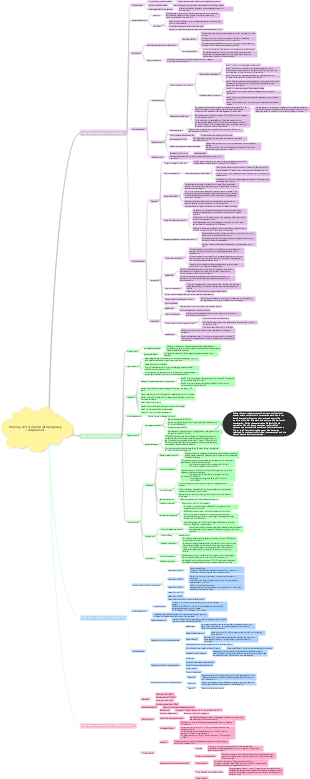
MindMap Gallery Obstetrics and Gynecology (3) – Gynecology
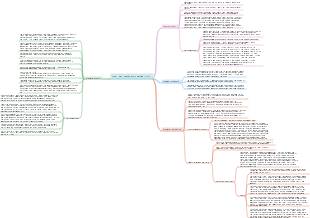
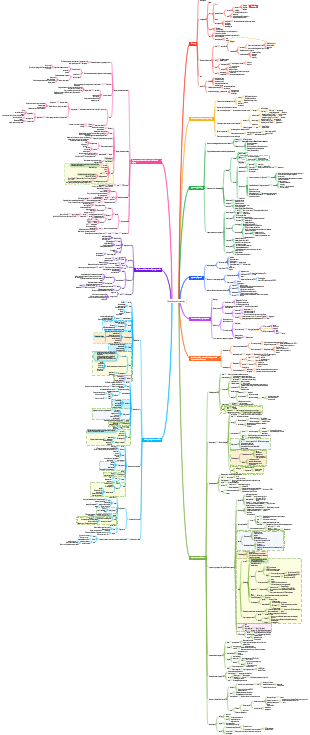
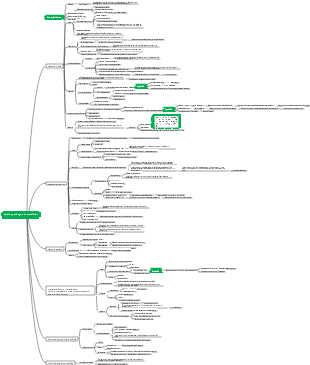
Including ovarian tumors, cervical inflammation, pelvic inflammatory disease and genital union, gestational trophoblastic disease, endometriosis and uterine adenomyoma, etc.
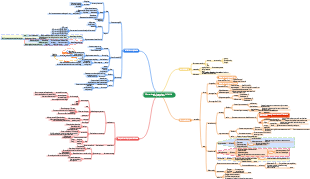
Edited at 2024-01-12 09:25:13This infographic, created using EdrawMax, outlines the pivotal moments in African American history from 1619 to the present. It highlights significant events such as emancipation, key civil rights legislation, and notable achievements that have shaped the social and political landscape. The timeline serves as a visual representation of the struggle for equality and justice, emphasizing the resilience and contributions of African Americans throughout history.

This infographic, designed with EdrawMax, presents a detailed timeline of the evolution of voting rights and citizenship in the U.S. from 1870 to the present. It highlights key legislative milestones, court decisions, and societal changes that have expanded or challenged voting access. The timeline underscores the ongoing struggle for equality and the continuous efforts to secure voting rights for all citizens, reflecting the dynamic nature of democracy in America.
This infographic, created using EdrawMax, highlights the rich cultural heritage and outstanding contributions of African Americans. It covers key areas such as STEM innovations, literature and thought, global influence of music and arts, and historical preservation. The document showcases influential figures and institutions that have played pivotal roles in shaping science, medicine, literature, and public memory, underscoring the integral role of African American contributions to society.
This infographic, created using EdrawMax, outlines the pivotal moments in African American history from 1619 to the present. It highlights significant events such as emancipation, key civil rights legislation, and notable achievements that have shaped the social and political landscape. The timeline serves as a visual representation of the struggle for equality and justice, emphasizing the resilience and contributions of African Americans throughout history.
This infographic, designed with EdrawMax, presents a detailed timeline of the evolution of voting rights and citizenship in the U.S. from 1870 to the present. It highlights key legislative milestones, court decisions, and societal changes that have expanded or challenged voting access. The timeline underscores the ongoing struggle for equality and the continuous efforts to secure voting rights for all citizens, reflecting the dynamic nature of democracy in America.
This infographic, created using EdrawMax, highlights the rich cultural heritage and outstanding contributions of African Americans. It covers key areas such as STEM innovations, literature and thought, global influence of music and arts, and historical preservation. The document showcases influential figures and institutions that have played pivotal roles in shaping science, medicine, literature, and public memory, underscoring the integral role of African American contributions to society.
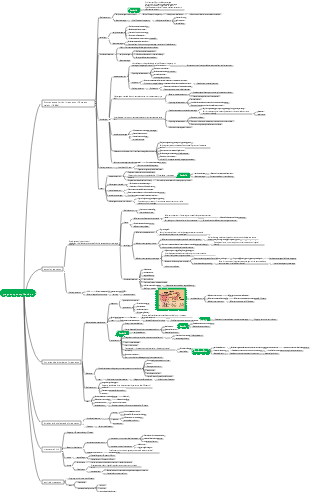
Obstetrics and Gynecology
Vulva and vaginitis
vaginal microecology
Vaginal microecological balance and influencing factors
maintaining factors
Estrogen (thickening, glycogen-ph, immune-T, ph-suppressing)
Lactobacilli (ph, competitive inhibition)
Influencing factors
Estrogen ⬇️
Frequent sexual intercourse, vaginal douching (ph)
long term antibiotics
exogenous pathogens
Evaluation and clinical application
Morphological Testing (Main)
Vaginal secretion wet mount (clue cells, Trichomonas vaginalis, white blood cells)
Gram smear (predominant bacteria, Nugent score, pseudohyphae or blastospores)
Functional testing
ph
H2O2
Leukocyte lipase (neutrophils)
Sialidase (anaerobic bacteria)
nonspecific vulvitis
Bartholin gland inflammation
vaginal inflammation
Trichomonas vaginitis
clinical manifestations
foamy discharge
Scattered bleeding spots, “strawberry-like” cervix
diagnosis
Method: Wet mount method
Dissolving solution: 0.9% sodium chloride
Differential diagnosis
Aerobic vaginitis (similar symptoms, laboratory tests for identification)
treat
Nitroimidazole
Cure standard: no detection for 3 consecutive days
Vulvovaginal candidiasis
Pathogen
Candida-biphasic
Yeast phase (spores): asymptomatic colonization and spread
Hyphal phase: invades tissue
clinical manifestations
Tofu-like and curd-like discharge
diagnosis
Method: Wet mount method
Dissolving solution: 10% potassium hydroxide
Differential diagnosis
Cytolytic vaginosis (laboratory test identification)
treat
Remove triggers
Azole antifungal drugs
Clotrimazole preparations
Miconazole preparations
Nystatin preparations
bacterial vaginosis
Cause
Anaerobic bacteria-main: Gardnerella
clinical manifestations
Off-white, uniform discharge, fishy odor
Vaginal mucosa without lesions
diagnosis
Clue cell positive (0.9% sodium chloride)
Amine test positive - 10% potassium hydroxide
treat
Anti-anaerobic drugs: metronidazole, cronidazole, clindamycin
atrophic vaginitis
Cause
Reduced estrogen levels (mainly aerobic bacterial infection)
clinical manifestations
Light yellow, pus-like discharge
diagnosis
Wet mount method (no pathogenic bacteria found in large numbers of white blood cells)
Differential diagnosis
Bloody discharge or granulation tissue or ulcer to differentiate from malignancy (biopsy)
treat
in principle
Supplement estrogen to enhance vaginal resistance; use antibiotics to inhibit bacterial growth
Supplement estrogen (apply estriol)
Antibacterial (norfloxacin)
Vulvovaginitis in infants and young children
cervical inflammation
acute cervicitis
diagnosis
Two characteristic manifestations
Purulent secretions visible to the naked eye on the cervical canal or cervical canal swab
Cotton swab induced cervical canal bleeding
White blood cell test
Cervical white blood cell test >=30/Hp
Vaginal white blood cell test >=10/Hp
treat
antibiotic
empirical
Azil, doxycycline
Target pathogens
Simple acute Neisseria gonorrhoeae cervicitis
Cephalosporins
Chlamydia trachomatis
Tetracyclines: doxycycline
Macrolides: azithromycin, erythromycin
chronic cervicitis
Cause
Pathogen stimulation or acute cervicitis that does not heal
Pathological classification
chronic cervical mucositis
cervical polyps
Soft and crispy
Mostly single, can also be multiple
The root can be attached to the external opening of the cervix or within the cervical canal
Cervical hypertrophy
Diagnosis (diagnosis of exclusion)
Cytological examination
Differential diagnosis
Cervical columnar epithelial ectopia and cervical squamous intraepithelial lesions
Cervical gland cyst (multiple physiological changes)
Uterine malignant tumors
treat
Cause treatment
Physiotherapy
Healing in 4 to 8 weeks
cervical polyps
Pelvic inflammatory disease and genital union
pelvic inflammatory disease
pathogenic bacteria
endogenous pathogenic bacteria
Staphylococcus aureus
exogenous pathogenic bacteria
Neisseria gonorrhoeae, Chlamydia trachomatis
route of infection
Ascending genital tract infection
lymphatic infection
Puerperium, abortion, intrauterine device
Streptococcus, Escherichia coli
Hematogenous spread
tuberculosis
spread directly
Pathological classification
endometritis
Fallopian tube thickening, fallopian tube inflammation, fallopian tube oophoritis
peritonitis
septicemia
Hepatitis
Diagnosis: medical history➕symptoms➕signs➕auxiliary examination
basic diagnosis
primary diagnosis
specific diagnosis
Differential diagnosis
acute appendicitis
Rupture of ectopic pregnancy
Torsion or rupture of ovarian pedicle
treat
in principle
Mainly antibiotic treatment, surgery if necessary Principles of antibiotic use: empirical, timely, broad-spectrum, and individualized
drug
A
third generation cephalosporins
B
Quinolones
Operation
sequelae of pelvic inflammatory disease
symptom
Infertility
ectopic pregnancy
recurrent pelvic inflammatory disease
hydrosalpinx
genital tuberculosis
way for spreading
Hematogenous spread (most common)
clinical manifestations
Infertility
Menstrual disorders (early - more, late - less)
Lower abdominal pain
systemic symptoms
diagnosis
Pathological examination (most reliable)
Curettage 1 week before menstruation or 6 hours after menstruation
X-ray
Hysterosalpingography
treat
Anti-tuberculosis treatment
supportive care
Surgical treatment
Endometriosis and uterine adenomyoma
endometriosis
Epidemiology
mechanism
planting theory
coelomic metaplasia theory
induction doctrine
genetics
immunity
other
pathology
under the mirror
Endometrial glands, stroma, fibrosis and bleeding
clinical manifestations
symptom
Dysmenorrhea: secondary dysmenorrhea, progressive aggravation
Infertility (mainly due to luteal insufficiency)
physical signs
Tender nodules may be palpable in the rectouterine fossa, uterosacral ligaments, or under the posterior uterine wall (typical)
examine
Film degree exam
CA125
Detect changes in condition
installment
in accordance with
Laparoscopy
As long as the recto-uterine depression disappears, it is stage IV.
treat
Purpose
Reduce and remove lesions, relieve and control pain, treat and promote fertility, prevent and reduce recurrence
expectant therapy
medical treatement
"Fake Pregnancy Treatment"
birth control pills
progesterone
"Fake menopause treatment"
Danazol
gonadotropin-releasing hormone agonist
Surgical treatment
fertility preserving surgery
Ovarian function-preserving surgery
radical surgery
prevention
Prevent reflux of menstrual blood
taking birth control pills
Prevent and treat damage to the endometrium
uterine adenomyoma
Epidemiology
It usually occurs in multiparous women between 30 and 50 years old.
Cause
Endometrial base damage caused by multiple pregnancies and childbirths, induced abortion, chronic endometritis, etc.
high levels of estrogen
pathology
There are ectopic endometrial glands and stroma distributed in the myometrium in an insular shape.
Auxiliary inspection
Isotopia
clinical manifestations
Dysmenorrhea
physical signs
The uterus is uniformly enlarged or has raised nodules, is hard and tender
treat
Depends on patient, age of symptoms and fertility requirements
Surgical treatment
Lesion resection
Basin dysfunction and genital damage diseases
organ prolapse
Classification
uterine prolapse
vaginal prolapse
Prolapse of the anterior vaginal wall (bladder prolapse)
Difficulty urinating
Prolapse of the posterior vaginal wall (rectal prolapse)
becomes difficult
Cause
pregnancy, childbirth
High intra-abdominal pressure
Long-term cough, early labor after childbirth
Pelvic floor muscle and fascial disorders
Graduation
Type I
Mild
Partial prolapse of the uterus and the cervix does not reach the edge of the hymen
Severe
Cervix reaches hymen margin
Type II
Mild
The cervix prolapses from the vagina, but the uterus does not prolapse
Severe
The cervix and part of the uterus prolapse outside the vagina
Type III
The cervix and uterus are completely prolapsed outside the vagina
clinical manifestations
Mild no obvious discomfort
II, you can return it by yourself after prolapse
III, need to be returned manually
friction, ulcer
Infection and suppuration
treat
vaginal closure
Suitable for the elderly
Basin reconstruction surgery
vaginal uterine suspension
Mann's surgery
cervical cancer
Cervical squamous intraepithelial lesions
Cause
HPV
sexual risk behavior
organizational characteristics
transformation zone
Squamous metaplasia
Squamous epithelialization
Cervical erosion healing process
All benign
pathology
Low-grade squamous intraepithelial lesion (LSIL)
CIN I
Basement membrane subcutaneous 1/3
High-grade squamous intraepithelial lesion HSIL
CIN II
Basement membrane subcutaneous 2/3
CIN III
Greater than 2/3 or full thickness of basement membrane
clinical manifestations
contact bleeding
diagnosis
Cervical exfoliative cytology test TBS
Cervical Biopsy ECC
treat
LSIL
HPV(-): follow-up
HPV( ): physical therapy
HSIL
uterine conization
cervical cancer
pathology
Squamous cell carcinoma (most common, 75-80%)
in general
exogenous
Proliferative type
Ulcerative type
Narrow type
under the mirror
Type I
keratinocyte type
Type II
non-keratinizing large cell type
Type III
small cell type
Adenocarcinoma (20-25%)
transfer pathway
direct spread (most common)
lymphatic metastasis
First level group
Secondary group (with "belly")
Inguinal lymph nodes
para-aortic lymph nodes
Hematogenous metastasis (rare)
installment
Type I-confined to cervix
IA
Less than or equal to 5mm
IB
5mm,2cm,4cm
Type II - does not involve the lower 1/3 of the vagina and does not involve the pelvis
IIA
Not involving the uterus
IIB
Type III-super stage II, accumulated lymph nodes
Type IV
clinical manifestations
contact bleeding
physical signs
rice watery discharge
diagnosis
Medical history➕clinical manifestations➕exfoliative cytology➕biopsy➕uterine conization
treat
Surgery is the main procedure for IIA and above, and radiotherapy for IIB and below
Surgical treatment
IA1, total extrafascial hysterectomy
IA2, modified extensive or extensive hysterectomy and pelvic lymphadenectomy
IB1, IB2, IIA1, extensive hysterectomy and pelvic lymphadenectomy
radiotherapy
In the early stage, it is mainly intracavity, and in the late stage, it is mainly outside the body.
Follow-up
Within 2 years, review once in March to June
3 to 5 years, review every 6 months
Starting from the 6th year, review once a year
uterine tumors
Uterine fibroids
Good hair: 30~50
Cause
Estrogen stimulation can increase the size of fibroids
Increased progesterone can cause fibroids to proliferate
Classification
According to parts
Intramural fibroids
subserosal fibroids
submucosal fibroids
lesions
Translucency (most common)
cystic change
red color
With nausea, vomiting, fever
Sarcomatosis (possible worsening)
Calcification
clinical manifestations
Increased menstrual flow (usually does not cause period changes)
Increased leucorrhea secretion
Compression symptoms (frequent urination, constipation, pain, etc.)
diagnosis
Symptoms➕Signs➕Examination (B-ultrasound-confirmed)
treat
Generally no treatment, follow-up
medical treatement
htK
Surgical treatment
tumor resection
Subserosal-laparoscopic
Intramural - hysteroscopy and laparoscopy are both acceptable
Submucosal-hysteroscopy
non-surgical treatment
interventional embolization
Pregnancy complicated by uterine fibroids
The impact of fibroids on pregnancy
Premature birth (difficult to implant), miscarriage (affects blood supply)
Abnormal fetal position and birth canal obstruction
Postpartum hemorrhage (large area of placenta attachment)
Effects of pregnancy on fibroids
Red discoloration (can be alleviated by conservative treatment)
endometrial cancer
good hair
"old lady"
Cause
Long-term estrogen stimulation without progesterone antagonism
endogenous
No functional bleeding
polycystic ovarian syndrome, PCOS
Functional ovarian tumors
Early menarche, late menopause
Low yield
exogenous
estrogen therapy
endometrial hyperplasia
genetics
Physical factors
Types
Type I
estrogen dependent
endometrial adenocarcinoma
Type II
estrogen-independent
clear cell carcinoma
mucinous carcinoma
pathology
endometrial adenocarcinoma
serous carcinoma
mucinous carcinoma
clear cell carcinoma
intracancerous tumor
transfer pathway
Lymphatic metastasis (most common)
spread directly
Hematogenous metastasis (only present in late stages)
installment
I: Confined to the uterine body
A:<1/2
B:>=1/2
II: Down to the cervical stroma
IIA: Involvement of cervical mucosa
IIB: Involvement of cervical stroma
III: Cumulative Attachments
IIIB: vaginal involvement
IV: Surrounding tissue
Clinical manifestations and signs
clinical manifestations
irregular bleeding
physical signs
The uterus is large and soft
Cancerous tissue can be seen falling off the cervix
diagnosis
Videography
B-ultrasound: space-occupying lesions
Diagnostic curettage
Basis for diagnosis (segmented, tube first, cavity later)
Biopsy
treat
Surgical treatment
Stage I: Total hysterectomy and bilateral adnexectomy
Stage II: Extensive hysterectomy
Stage III and IV: Tumor palliation
radiotherapy
medical treatement
progesterone therapy
Antagonistic estrogen therapy: tamoxifen
Chemotherapy (limited effectiveness)
family planning
contraception
intrauterine device
mechanism
Interference with implantation (main)
hormonal contraception
Contraindications
side effect
Other contraceptives
Contraceptive Failure Remedies
surgical abortion
negative pressure aspiration
within 10 weeks
induced abortion
10 to 14 weeks
complication
induced abortion syndrome
Atropine treatment
medical abortion
Infertility and Assisted Reproductive Technology
infertility
Cause
The female factor is 50%
Male factor 40%
10% for both parties
examine
Ovarian function test
Fallopian tube function test
hysteroscopy, laparoscopy
treat
ovulation induction
Clomiphene CC
assisted reproductive technology
artificial insemination
In vitro fertilization-embryo transfer IVF-ET
Intracytoplasmic sperm injection (ICSI)
Preimplantation genetic diagnosis screening PGD/PGS
Reproductive endocrine diseases
abnormal uterine bleeding
Anovulatory abnormal uterine bleeding
Prevalent: puberty, perimenopause
Pathophysiology
puberty
Ovarian-hypothalamic-pituitary dysfunction
No ovulation-stimulating LH surge is formed
perimenopause
ovarian atrophy
Classification
Estrogen breakthrough bleeding (unantagonized)
Low estrogen breakthrough bleeding
Hyperestrogen breakthrough bleeding
Either don’t come, come in large quantities
Estrogen-induced bleeding (estrogen deficiency)
Pathological changes
proliferative endometrium
endometrial hyperplasia
without atypical hyperplasia
simple hyperplasia
complex hyperplasia
dysplasia
atrophic endometrium
clinical manifestations
Menstrual cycle disorders
No abdominal pain (no organic disease)
diagnosis
Rule out organic disease! !
monophasic body temperature
Diagnostic curettage
Manifestation: Proliferative endometrium
Time: One or two days before menstruation or 6 hours after menstruation
treat
Stop bleeding
progesterone
Hb>80
Estrogen (large amount, large amount, small amount, small amount)
Can be used for anemia (Hb<80)
androgens
period adjustment
progesterone
ovulation induction
Clomiphene CC
"Promote bubble growth"
ikB
"Promote foaming and ovulation"
Urinary gonadotropin (contains both FSH and LH)
Ovulatory uterine bleeding
Luteal insufficiency
clinical manifestations
The cycle is shortened and the menstrual period is normal.
diagnosis
Biphasic body temperature, high temperature phase is short (less than 11 days)
Diagnostic curettage
Performance: The endometrium is in the early or middle secretory phase
Time: 1 to 2 days before menstruation or 6 hours after menstruation
treat
Luteinizing hormone (chorionic gonadotropin)
progesterone supplement
Irregular shedding of the endometrium (incomplete luteal atrophy)
clinical manifestations
Normal cycle, prolonged menstruation
diagnosis
Biphasic body temperature, the high temperature phase decreases slowly
Diagnostic curettage
Time: 5th to 6th day of menstrual period
Performance: presence of secretor intima or mixed intima
treat
Progesterone (negative feedback inhibits LH)
Trichotropin (lutein-stimulating function)
amenorrhea
Classification
primary amenorrhea
Over 14 years old, no secondary sex characteristics develop
Over 16 years old, with development of secondary sex characteristics but no menstruation
secondary amenorrhea
Cause
primary
The presence of secondary sexual characteristics
true hermaphroditism
lack of secondary sex characteristics
Turner syndrome/Turner syndrome
Secondary
Hypothalamic (most common)
mental stress
weight loss
exercise amenorrhea
drug-induced amenorrhea
Pituitary
Pituitary infarction
Sheehan syndrome/Sheehan syndrome/Sheehan syndrome
Postpartum hemorrhage leads to ischemic necrosis of pituitary gland
pituitary gland tumor
Ovarian
uterine sex
Asherman syndrome (most common)
diagnosis
Auxiliary inspection
Functional test
progesterone test
➕: Bleeding (with E but without P)
1st degree amenorrhea
➖:No bleeding
Estrogen and progesterone sequential experiment
➕: Bleeding (no E, no P)
II degree amenorrhea
➖:No bleeding
uterine amenorrhea
Pituitary stimulation experiment
➕:Bleeding
Normal pituitary gland
➖:No bleeding
Hypopituitarism (Sheehan syndrome)
Gonadotrophin measurement LH/FSH
rise
Ovarian
Not rising
Polycystic ovary syndrome PCOS
endocrine changes
Increased androgens
Increased estrogen (mainly E1)
Increased LH/FSH ratio
Increased insulin
Increased serum prolactin PRL
pathology
Long-term stimulation by E increases the probability of endometrial cancer
clinical manifestations
Menstrual disorders (oligomenorrhoea)
Infertility
hirsutism, acne
obesity
acanthosis nigricans
diagnosis
Ovulation: rare or absent
Androgens: high
Polycystic: many in number or large in size
treat
Adjust menstrual cycle
antiandrogens
ovulation induction
prone to ovarian hyperstimulation syndrome
Improve insulin resistance
menopausal syndrome
endocrine changes
Decreased estrogen fluctuations (hot flashes)
Decreased androgens
Increased FSH
clinical manifestations
diagnosis
treat
generally
Hormone replacement therapy HRT
E
Hysterectomy
E➕P
normal uterus
Tibolone, no P supplement required
gestational trophoblastic disease
hydatidiform mole
Classification
Complete mole (from paternal diploidy)
Partial mole (triploidy)
clinical manifestations
vaginal bleeding after menopause
Abnormal enlargement and softening of the uterus
Hyperthyroidism
Ovarian flavinoid cyst
natural return
Within 6 months, invasive mole
More than 1 year, choriocarcinoma
Between the two, it is possible
examine
B-ultrasound
Falling snow-like or honeycomb-like echo/small cystic strong echo
blood hCG
greater than 100000
identify
miscarriage/ectopic pregnancy
twin pregnancy
treat
Uterine curettage (suction and curettage)
Follow-up
blood hCG
A total of one year after being negative
1 time in January to 6 months
1 time in February to June
Symptom inquiry
Gynecological examination
Ultrasound and other imaging
gestational trophoblastic tumor
clinical manifestations
nonmetastatic trophoblastic tumor
vaginal bleeding
stomach ache
Ovarian luteinized cyst
metastatic trophoblastic tumor
lung
vaginal
liver
brain
diagnosis
Medical history➕Clinical manifestations➕Blood hCG➕B-ultrasound/X-ray/CT➕Pathology (confirmed)
Types
anatomy
prognostic classification
The prognosis of term postpartum choriocarcinoma is poor
The longer the time passes, the worse the prognosis
treat
Mainly chemotherapy, supplemented by surgery
Low risk (single drug)
MTX
High Risk (Combined)
EMA-CO (preferred)
Ovarian Cancer
Classification
Epithelial tumors (most common in middle-aged and elderly people) (50-70%)
serous tumors
fallopian tube epithelial differentiation
Classification
Serous cystadenoma (good)
bilateral
mucinous tumor
like cervical mucus differentiation
pathology
psammosome
Classification
Mucinous cystadenoma (good)
Unilateral
endometrioid tumor
Differentiation into endometrium
Germ cell tumors (most common in children and adolescents)
teratoma
Mature teratoma (good)/dermoid cyst
Most common benign tumors
Can cause hyperthyroidism
Immature teratoma (malignant)
2 to 3 germ layers
malignancy reversal tendency
dysgerminoma
Radiotherapy is the most sensitive (but the first choice is surgery!)
Yolk sac tumor/endodermal sinus tumor
malignant, rare
yolk sac develops
More common in children and young women
Synthetic alpha-fetoprotein
Chemosensitivity
Sex cord-stromal tumors (with endocrine function)
granulosa cell tumor
malignant, unilateral
Smooth surface, solid or partially cystic
Theca cell tumor (good)
Fibroids (good)
Unilateral
Many middle-aged women
With pleural effusion and ascites (Meigs syndrome)
metastatic tumor
Common Kukenberg tumor (gastrointestinal metastasis)
Multiple bilateral
signet ring cells
medium size
multiplicity
transfer pathway
spread directly
intraperitoneal implantation
lymphatic metastasis
The lymphatic plexus under the right diaphragm is easily invaded
clinical manifestations
benign
malignant
Late stage: abdominal distension, abdominal mass, abdominal effusion
complication
Pelvic torsion (most common)
Mature teratomas are common (also known as dermoid cysts)
rupture
Infect
Malignant transformation
diagnosis
Physical examination
Film degree exam
B-ultrasound (commonly used)
Tumor markers
CA125
epithelial markers
SerumAFP
Yolk sac tumor sensitive
blood hcG
sex hormones
SerumHF4
Cytological examination
Laparoscopy or laparotomy
Differential diagnosis
benign
Ovarian tumor-like lesions (follicular cysts and corpus luteum cysts)
malignant
endometriosis
tuberculous peritonitis
Tumors outside the reproductive tract
treat
Mainly surgery
Chemotherapy
Ovarian epithelial cancer (platinum-based)
TC (paclitaxel➕carboplatin)
Malignant germ cell tumors and sex cord-stromal tumors
BEP (bleomycin➕etoposide➕cisplatin)
radiotherapy
dysgerminoma sensitive
Follow-up
In the first year, once in March
From 2nd to 4th month, once from 4th to 6th month
After the 5th year, once a year