MindMap Gallery Team management
How to obtain efficient team benefits through team management and how to conduct specific team management in all aspects. This mind map is the essence of a course worth 20,000 yuan and is used for team management.
Edited at 2021-12-26 08:06:46This strategic SWOT analysis explores how Aeon can navigate the competitive online landscape, highlighting strengths, weaknesses, opportunities, and threats. Strengths include strong brand recognition (trusted Japanese heritage, quality), omnichannel capabilities (stores + online + mall integration), customer loyalty programs (Aeon Card, points, member pricing), and physical footprint (extensive store network for pickup/returns). Weaknesses encompass digital maturity gaps (e-commerce penetration, app functionality, personalization vs. Amazon, Alibaba), cost structure challenges (store-heavy, real estate, labor), and supply chain complexity (fresh food, frozen logistics for online). Opportunities include enhancing e-commerce competitiveness (faster delivery, wider assortment, lower minimum order), leveraging data-driven strategies (purchase history, personalized offers, inventory optimization), expanding omnichannel integration (buy online pick up in store, ship from store), and private label growth (Topvalu, localized brands). Threats involve online-first players (Amazon, Alibaba, Sea Limited) with lower costs, wider selection, faster delivery, market dynamics (changing consumer behavior post-COVID, discount competitors), and regulatory risks (data privacy, cross-border e-commerce rules). Aeon can strengthen market position by investing in digital capabilities, leveraging store assets for omnichannel, and using customer data for personalization, while addressing cost structure and online competition.

This analysis explores how Aeon effectively tailors offerings to meet the diverse needs of family-oriented consumers through a comprehensive Segmentation, Targeting, and Positioning (STP) framework. Demographic segmentation examines family life stages (young families with babies, school-aged children, teenagers, empty nesters), household sizes (small vs. large), income levels (mass, premium), and parent age bands (millennials, Gen X). This identifies distinct consumer groups with different spending patterns. Geographic segmentation highlights store catchment types (urban, suburban, rural), community characteristics (density, income, competition), and local preferences (fresh food, halal, Japanese products). Psychographic segmentation delves into family values (health, safety, education, convenience), lifestyle orientations (busy professionals, home-centered, eco-conscious). Behavioral segmentation focuses on shopping missions (daily grocery, weekly stock-up, seasonal shopping), price sensitivity (value seekers, premium), channel preferences (in-store, online, pickup). Needs-based segmentation reveals core family needs related to value (good-better-best pricing), budget considerations (affordability, promotions, member pricing), safety (food quality, product recall), convenience (one-stop shopping, parking, store hours). Targeting prioritizes young families with school-aged children, budget-conscious households, and convenience-seeking shoppers. Positioning emphasizes Aeon as a family-friendly, value-for-money, one-stop destination with Japanese quality and local relevance. These insights enhance family shopping experiences through tailored assortments (kids’ products, school supplies), promotions (family bundles, weekend events), and services (nursing rooms, kids’ play areas).
This Kream Sneaker Consumption Scene Analysis Template aims to visualize purchasing and consumption journeys of sneakers, identifying key demand drivers and obstacles. User behavior within Kream includes searching, bidding, buying, selling, authentication, and community engagement. External influences include brand drops (Nike, Adidas), social media (Instagram, TikTok), influencer hype, and cultural trends. Target categories: limited editions, collaborations, retro releases, performance sneakers, and general releases. Timeframes: launch day, first week, first month, long-term (seasonal, yearly). Regions: North America, Europe, Asia (Korea, China, Japan). User segments: Collectors: value rarity, condition, completeness (box, accessories). KPIs: collection size, spend, authentication rate. Resellers: value profit margin, volume, turnover. KPIs: sell-through rate, average profit, listing frequency. Sneakerheads: value hype, trends, community validation. KPIs: purchase frequency, social engagement, wishlist adds. Casual trend followers: value style, convenience, price. KPIs: conversion rate, average order value, repeat purchases. Gift purchasers: value ease, presentation, brand trust. KPIs: gift message usage, return rate. Consumption journey: Awareness: social media, email, push notifications. Search: browse, filter, search by brand, model, size. Purchase: bid, buy now, payment, shipping. Authentication: inspection, verification, certification. Resale: list, price, sell, transfer. Sharing: review, unboxing, social post, community discussion. Key performance indicators: conversion rate, sell-through rate, average order value, customer lifetime value, authentication pass rate, return rate, Net Promoter Score. This framework helps understand sneaker trading dynamics, user motivations, and touchpoints for engagement and satisfaction.
This strategic SWOT analysis explores how Aeon can navigate the competitive online landscape, highlighting strengths, weaknesses, opportunities, and threats. Strengths include strong brand recognition (trusted Japanese heritage, quality), omnichannel capabilities (stores + online + mall integration), customer loyalty programs (Aeon Card, points, member pricing), and physical footprint (extensive store network for pickup/returns). Weaknesses encompass digital maturity gaps (e-commerce penetration, app functionality, personalization vs. Amazon, Alibaba), cost structure challenges (store-heavy, real estate, labor), and supply chain complexity (fresh food, frozen logistics for online). Opportunities include enhancing e-commerce competitiveness (faster delivery, wider assortment, lower minimum order), leveraging data-driven strategies (purchase history, personalized offers, inventory optimization), expanding omnichannel integration (buy online pick up in store, ship from store), and private label growth (Topvalu, localized brands). Threats involve online-first players (Amazon, Alibaba, Sea Limited) with lower costs, wider selection, faster delivery, market dynamics (changing consumer behavior post-COVID, discount competitors), and regulatory risks (data privacy, cross-border e-commerce rules). Aeon can strengthen market position by investing in digital capabilities, leveraging store assets for omnichannel, and using customer data for personalization, while addressing cost structure and online competition.
This analysis explores how Aeon effectively tailors offerings to meet the diverse needs of family-oriented consumers through a comprehensive Segmentation, Targeting, and Positioning (STP) framework. Demographic segmentation examines family life stages (young families with babies, school-aged children, teenagers, empty nesters), household sizes (small vs. large), income levels (mass, premium), and parent age bands (millennials, Gen X). This identifies distinct consumer groups with different spending patterns. Geographic segmentation highlights store catchment types (urban, suburban, rural), community characteristics (density, income, competition), and local preferences (fresh food, halal, Japanese products). Psychographic segmentation delves into family values (health, safety, education, convenience), lifestyle orientations (busy professionals, home-centered, eco-conscious). Behavioral segmentation focuses on shopping missions (daily grocery, weekly stock-up, seasonal shopping), price sensitivity (value seekers, premium), channel preferences (in-store, online, pickup). Needs-based segmentation reveals core family needs related to value (good-better-best pricing), budget considerations (affordability, promotions, member pricing), safety (food quality, product recall), convenience (one-stop shopping, parking, store hours). Targeting prioritizes young families with school-aged children, budget-conscious households, and convenience-seeking shoppers. Positioning emphasizes Aeon as a family-friendly, value-for-money, one-stop destination with Japanese quality and local relevance. These insights enhance family shopping experiences through tailored assortments (kids’ products, school supplies), promotions (family bundles, weekend events), and services (nursing rooms, kids’ play areas).
This Kream Sneaker Consumption Scene Analysis Template aims to visualize purchasing and consumption journeys of sneakers, identifying key demand drivers and obstacles. User behavior within Kream includes searching, bidding, buying, selling, authentication, and community engagement. External influences include brand drops (Nike, Adidas), social media (Instagram, TikTok), influencer hype, and cultural trends. Target categories: limited editions, collaborations, retro releases, performance sneakers, and general releases. Timeframes: launch day, first week, first month, long-term (seasonal, yearly). Regions: North America, Europe, Asia (Korea, China, Japan). User segments: Collectors: value rarity, condition, completeness (box, accessories). KPIs: collection size, spend, authentication rate. Resellers: value profit margin, volume, turnover. KPIs: sell-through rate, average profit, listing frequency. Sneakerheads: value hype, trends, community validation. KPIs: purchase frequency, social engagement, wishlist adds. Casual trend followers: value style, convenience, price. KPIs: conversion rate, average order value, repeat purchases. Gift purchasers: value ease, presentation, brand trust. KPIs: gift message usage, return rate. Consumption journey: Awareness: social media, email, push notifications. Search: browse, filter, search by brand, model, size. Purchase: bid, buy now, payment, shipping. Authentication: inspection, verification, certification. Resale: list, price, sell, transfer. Sharing: review, unboxing, social post, community discussion. Key performance indicators: conversion rate, sell-through rate, average order value, customer lifetime value, authentication pass rate, return rate, Net Promoter Score. This framework helps understand sneaker trading dynamics, user motivations, and touchpoints for engagement and satisfaction.
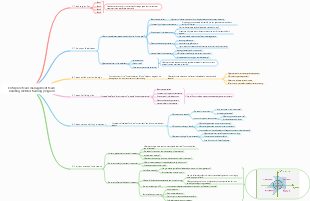
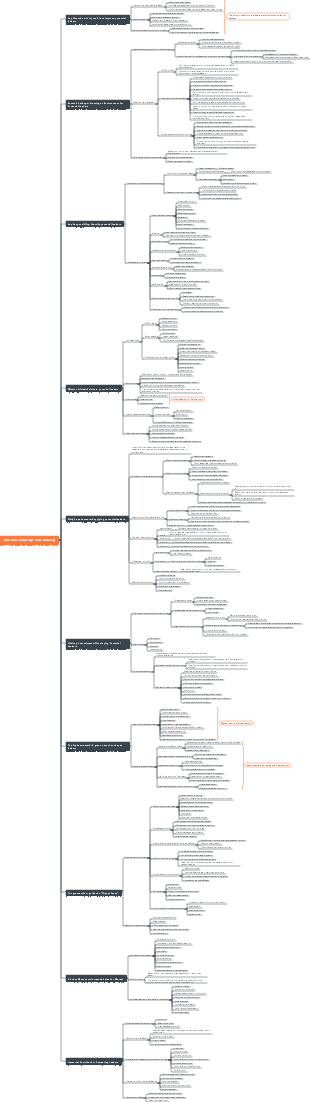
Team management
Core: Confucianism and Dharma
Human nature has not changed for thousands of years
Essence of Legalism
wholeheartedly
Legalism
Evil: Punishing the deeds but not the mind, catching villains from the outside in
Confucianism
Goodness: establishing a gentleman from the inside out
both sides
Reward: material, spiritual
Reward the people of the world with their goods;
It is better to teach a person how to fish than to teach him how to fish;
Punishment: Catch the villain from the outside in
Killing the big ones will bring you power, and rewarding the small ones will bring you enlightenment. Therefore, killing one person is enough to shock the three armies and kill them; rewarding one person is enough to please all the people and reward them.
Deng Xiaoping's Three Essays
cat theory
A white cat or a black cat is a good cat if it catches mice.
Discussion
Crossing the river by feeling the stones
Don't argue
Three swords
Law: The system restrains the people
Representative: Shang Yang
Technique: power tactics to restrain officials
Representative: Shen Buhai
Strength: centralization
Representative: Shen Dao
get along
position
A perfect CEO should be a combination of three personalities: an external person, a thinker and an action person. ——Peter Drucker
location determines value
Quadrant I
Invite guests to dinner to enhance relationships
Quadrant III
nourish
dismiss
Change department
marginalized
Quadrant IV
nourish
Temporarily entering Quadrant III
Changing of the guard
manner
relative
If we sleep together, we are like brothers.
Loyal
Follow the First Master and do not avoid hardships and dangers
Respectfully
And there are many people sitting there, waiting all day long
Three Kingdoms
How to do things
Legalism: Standing on the position of the monarch and planning for the monarch, you can do whatever you want
Confucianism: If you stand as a monarch and plan for the world, you will go far.
Three things that outstanding middle- and high-level cadres must know
succeed
establishment
Establish standards and processes
1089 calculation
educate people
meeting
"Eight must-haves" for Samsung meetings
theme
agenda
Prepare
discipline
Be punctual
train
result
Record
Three formulas for Samsung meetings
Just having a meeting, if no one implements it after the meeting, is equal to zero
Work was assigned at the meeting, but if it is not checked after the meeting, it means nothing.
People don't want to do what you want, people will only do what you supervise and check.
Trust cannot replace supervision! ——Wang Qishan
Seizing the things that are not implemented and at the same time pursuing those who do not implement them is tantamount to implementation
Three sentences to improve your emotional intelligence
What you said makes sense!
too important
Why didn't I think of that?
Reasons for talent leaving
The money was not given in place
Feeling wronged
Six strategies for team management
six strategies
1. High-pressure type: What do I say and what do you do?
Advantages: simple, fast, efficient, strong execution
Disadvantages: depression, excuses, intentional mistakes, lack of innovation
Applicable to
Emergencies
Bottom line events, issues of principle
When abilities are far apart
2. Authoritative style: describe the vision and achieve victory (painting and eating pie)
Advantages: The leader becomes the spiritual leader of the team, able to fight wherever directed, highly unified in thinking, unprecedented unity, and high morale.
Disadvantages: Personality worship, ideological dependence, one-word speech, decision-making risks
Applicable to: When the team is in adversity
3. Organizational: Use emotional ties to unite people’s hearts
advantage:
Employees like and are willing to speak their minds
Management is humane and enjoyable
Loyalty, sense of belonging
Disadvantages: high cost, cliques, and managers can easily be sidelined
Applies to:
When you need to win over someone
When you need to hear the truth
Need to announce things that are detrimental to employees
When people are distracted
when being promoted
4. Democratic style: working together, brainstorming, and reaching consensus
Advantages: Diversity of ideas; fairness, justice, and openness; releasing the right to speak, enhancing sense of responsibility, and sense of accomplishment; reaching consensus before executing; can reduce resistance.
Disadvantages: The decision-making period is long; the requirements for participants are too high; the truth is in the hands of a few people
use:
Meeting but not discussing, discussing but not making a decision
Break everyone before the meeting
5. Leading style: Give you space, give you a stage, you can do things, I will rest assured
Advantages: Employees are motivated and have fewer constraints, so they can fully demonstrate their talents and get exercise.
shortcoming:
High demands on subordinates
If a subordinate screws up, the leader must take responsibility
You go and fight the monsters; I'll take the blame.
Applies to:
The bigger the company and the higher the position, the more important the lead-in is.
When cultivating talents
6. Coaching style: If you don’t know how, I’ll teach you.
Advantages: Employees' abilities are improved, the relationship between leaders and subordinates is cultivated, and the company's talents emerge in large numbers.
Disadvantages: High requirements for managers’ coaching skills
Applicable to
New employees
Older employees with less skills
application
Airborne leadership
The Three Oldest Tricks (Legalism)
Substitute horses
Receive rights
give pressure
New Three Tricks (Confucianism)
interactive staff
Touch employees
Move employees
Team management tools
YCYA Matters Commitment Tool