MindMap Gallery Project communication management
Communication is the process of generating, transmitting, receiving, understanding and examining information. Communication is essential in projects, let’s learn together
Edited at 2020-07-16 18:09:25Discover how Aeon can navigate the competitive online landscape with a strategic SWOT analysis. This comprehensive overview highlights Aeon’s strengths, such as its strong brand recognition, omnichannel capabilities, and customer loyalty programs, alongside its weaknesses, including digital maturity gaps and cost structure challenges. Opportunities for growth include enhancing e-commerce competitiveness and leveraging data-driven strategies, while threats from online-first players and market dynamics require attention. Explore how Aeon can strengthen its market position through innovation and customer-centric approaches in the ever-evolving retail environment.

Discover how Aeon effectively tailors its offerings to meet the diverse needs of family-oriented consumers through a comprehensive Segmentation, Targeting, and Positioning (STP) analysis. Our approach begins with demographic segmentation, examining family life stages, household sizes, income levels, and parent age bands to identify distinct consumer groups. Geographic segmentation highlights store catchment types and community characteristics, while psychographic segmentation delves into family values and lifestyle orientations. Behavioral segmentation focuses on shopping missions, price sensitivity, and channel preferences. Finally, needs-based segmentation reveals core family needs related to value and budget considerations. Join us as we explore these insights to enhance family shopping experiences at Aeon.
Discover the dynamics of sneaker transactions with our Kream Sneaker Consumption Scene Analysis Template. This comprehensive framework aims to visualize the purchasing and consumption journeys of sneakers, identifying key demand drivers and obstacles. It covers user behavior within Kream and external influences, targeting various sneaker categories over specific timeframes and regions. The analysis defines user segments, including collectors, resellers, sneakerheads, casual trend followers, and gift purchasers, each with unique values and KPIs. It outlines the consumption journey from awareness to resale, highlighting critical touchpoints such as search, purchase, inspection, and sharing experiences. Key performance indicators are established to measure engagement and satisfaction throughout the process. Join us in exploring the intricate world of sneaker trading!
Discover how Aeon can navigate the competitive online landscape with a strategic SWOT analysis. This comprehensive overview highlights Aeon’s strengths, such as its strong brand recognition, omnichannel capabilities, and customer loyalty programs, alongside its weaknesses, including digital maturity gaps and cost structure challenges. Opportunities for growth include enhancing e-commerce competitiveness and leveraging data-driven strategies, while threats from online-first players and market dynamics require attention. Explore how Aeon can strengthen its market position through innovation and customer-centric approaches in the ever-evolving retail environment.
Discover how Aeon effectively tailors its offerings to meet the diverse needs of family-oriented consumers through a comprehensive Segmentation, Targeting, and Positioning (STP) analysis. Our approach begins with demographic segmentation, examining family life stages, household sizes, income levels, and parent age bands to identify distinct consumer groups. Geographic segmentation highlights store catchment types and community characteristics, while psychographic segmentation delves into family values and lifestyle orientations. Behavioral segmentation focuses on shopping missions, price sensitivity, and channel preferences. Finally, needs-based segmentation reveals core family needs related to value and budget considerations. Join us as we explore these insights to enhance family shopping experiences at Aeon.
Discover the dynamics of sneaker transactions with our Kream Sneaker Consumption Scene Analysis Template. This comprehensive framework aims to visualize the purchasing and consumption journeys of sneakers, identifying key demand drivers and obstacles. It covers user behavior within Kream and external influences, targeting various sneaker categories over specific timeframes and regions. The analysis defines user segments, including collectors, resellers, sneakerheads, casual trend followers, and gift purchasers, each with unique values and KPIs. It outlines the consumption journey from awareness to resale, highlighting critical touchpoints such as search, purchase, inspection, and sharing experiences. Key performance indicators are established to measure engagement and satisfaction throughout the process. Join us in exploring the intricate world of sneaker trading!
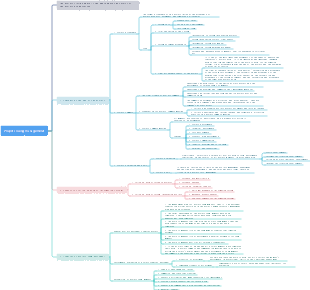
Project communication management
concept
Communication is the process of generating, transmitting, receiving, understanding and checking information
Communication model and principles of effective communication
1. Communication model
Communication is a two-way process, that is, the sender generates a code, which is transmitted to the receiver through a certain medium, and then a certain meaning is generated through the receiver's understanding.
In order to ensure the accuracy of communication, the receiver must communicate with the sender through certain understanding and checking methods. When the information is correct, a communication process is completed.
Communication is a two-way interpretation system. If you cannot understand the other party's understanding or perspective, communication will also be ineffective.
2. Factors that hinder effective communication
Physical distance between communicating parties
environmental factors of communication
Lack of clear communication channels
complex organizational structure
complex technical terms
harmful attitudes
Communication management plan preparation
basic concept:
Definition: The process of determining the information and communication needs of project stakeholders, that is, who needs what information, when they need it, and how it is delivered to them.
Process steps:
1. Determine the communication information needs of stakeholders, that is, who needs to communicate, who needs what information, when they need it and how to send the information.
2. Describe the structure of information collection and documentation.
3. Sending information and important information formats, mainly refers to creating files for sending information; obtaining access methods for information.
main content:
1. Stakeholder communication requirements
After understanding and investigating the stakeholders, you can analyze and respond to the requirements of the stakeholders and formulate a stakeholder communication plan.
main content;
Project members need to see that information.
What information does the project manager need?
What the top management needs
File access permissions, access paths, and accepted file formats, etc.
2. A description of the information to be released, including format, content and level of detail.
3. The person or organization receiving the information
4. The methods and techniques required to transmit information.
Meeting
Written notice, including email
Purpose-built project management software
5. Communication frequency
6. Reporting process: for problems that cannot be solved by lower levels, determine the time requirements and management chain for problem reporting
7. Methods to update and refine the communication management plan as the project progresses. .
8. Common vocabulary list
Meetings in the project
Regular meeting of the project
Progress survey and reporting
problem solving
Potential risk analysis
Human resources coordination
Project kick-off meeting
The internal kick-off meeting focuses on internal resource allocation and confirmation of constraints.
The external kick-off meeting focuses on coordinating the project interface work between Party A and Party B.
Project summary meeting
Understand the work of the entire process and the performance of relevant teams or members.
Issues arise and improvements are proposed.
Summarize the lessons learned during the whole process.
The summarized documents are discussed and stored in the company's knowledge base after approval, thereby forming the company's knowledge accumulation.
Communication management planning techniques
1. Technical factors affecting project communication
1. Urgency of information needs
2. Is the technology in place?
3. Expected project staffing
4. Length of project time
5. Project environment
2. Communication method
talk alone
project meeting
Project briefing, notice
project report, project summary
enter:
Enterprise environmental factors
organizational process assets
Communication needs analysis
communication technology
project scope statement
project management plan
Output:
Project Communication Management Plan
information distribution
1. Comparison of commonly used communication methods
Written and spoken
internal and external
formal vs informal
vertical vs. horizontal
2. Technologies and methods for information distribution
1. Information collection and retrieval system
2. Information release system
3. The process of summarizing experiences and lessons
1. Activities in the experience and lesson summary process
Emphasize identifying successful experiences and lessons learned from project failures.
Includes providing recommendations on how to improve the future performance of the project.
2. Results of the experience and lesson summary process
1. Update of experience and lessons knowledge base
2. Add new data to the knowledge management system
3. Update of corporate policies, procedures and processes
4. Improvement of business skills
5. Overall improvement of products and services
6. Update of risk management plan
4. Communication management should prioritize organizational process assets.
1. Record of experiences and lessons learned
2. Project records
3. Project report
4. Project demonstration introduction
5. Feedback from project stakeholders
6. Notification to project stakeholders
5. Performance report
Definition: It refers to collecting all baseline data and providing project performance information to project stakeholders.
content
1. Project progress and adjustments.
2. Project completion status.
3. Total project investment and funding availability.
4. Actual expenditure of project funds.
5. Main benefits of the project.
6. Implementation of financial system.
7. Performance of each functional team of the project team. .
8. Problems and improvement measures during project execution.
9. Prediction
10. Change request
11. Other issues that need explanation
The main steps:
1. Collect basis materials
1. The list for collecting information should be designed based on the data required for performance evaluation and the information required for evaluation.
2. Questionnaires are an effective means of collecting evaluation data.
3. In accordance with the requirements of project performance evaluation, major liability accidents and safety accidents that occur within the evaluated project shall be regarded as important factors affecting project performance and the evaluation points shall be reduced as appropriate.
2. Project performance review
Including the evaluation of the gap between the company's expectations and requirements for the project and the actual work of the project, as well as the evaluation of the improvements made during the implementation of the project.
6. Project stakeholder management
Meaning: Manage their communication so that different project stakeholders can obtain project information of corresponding levels and solve problems among project stakeholders, so that the project can advance smoothly as planned.
scope:
client
Senior leadership
project team
method:
By investigating the needs and expectations of project stakeholders, you can understand the goals, objectives, and communication levels of project stakeholders.
When communicating with stakeholders, the project manager needs to fully understand the needs of the project stakeholders in order to fully cooperate with the stakeholders to achieve the goals.
When conducting stakeholder communication management, the communication methods identified in the communication plan for each project stakeholder should be used.
The main goal of stakeholder management is to promote stakeholders' understanding and support for the project, so that stakeholders understand the project's progress and possible impacts.
enter:
project management plan
communication plan
organizational process assets
Output:
problem solved
Communications Management Plan (Updated)
organizational process assets