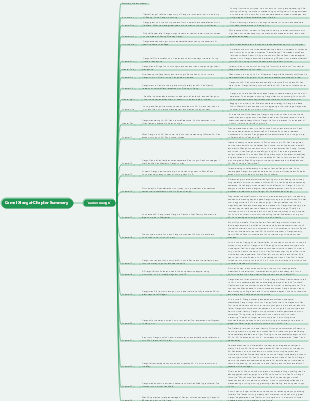
MindMap Gallery Robinson Crusoe-Chapter Summary
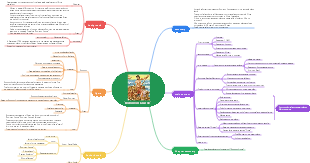
Robinson Crusoe - Chapter summary, friends who want to know more but don't want to spend time can just read the essence! If you like it, you can like it and save it~
Edited at 2023-03-04 22:00:02This strategic SWOT analysis explores how Aeon can navigate the competitive online landscape, highlighting strengths, weaknesses, opportunities, and threats. Strengths include strong brand recognition (trusted Japanese heritage, quality), omnichannel capabilities (stores + online + mall integration), customer loyalty programs (Aeon Card, points, member pricing), and physical footprint (extensive store network for pickup/returns). Weaknesses encompass digital maturity gaps (e-commerce penetration, app functionality, personalization vs. Amazon, Alibaba), cost structure challenges (store-heavy, real estate, labor), and supply chain complexity (fresh food, frozen logistics for online). Opportunities include enhancing e-commerce competitiveness (faster delivery, wider assortment, lower minimum order), leveraging data-driven strategies (purchase history, personalized offers, inventory optimization), expanding omnichannel integration (buy online pick up in store, ship from store), and private label growth (Topvalu, localized brands). Threats involve online-first players (Amazon, Alibaba, Sea Limited) with lower costs, wider selection, faster delivery, market dynamics (changing consumer behavior post-COVID, discount competitors), and regulatory risks (data privacy, cross-border e-commerce rules). Aeon can strengthen market position by investing in digital capabilities, leveraging store assets for omnichannel, and using customer data for personalization, while addressing cost structure and online competition.

This analysis explores how Aeon effectively tailors offerings to meet the diverse needs of family-oriented consumers through a comprehensive Segmentation, Targeting, and Positioning (STP) framework. Demographic segmentation examines family life stages (young families with babies, school-aged children, teenagers, empty nesters), household sizes (small vs. large), income levels (mass, premium), and parent age bands (millennials, Gen X). This identifies distinct consumer groups with different spending patterns. Geographic segmentation highlights store catchment types (urban, suburban, rural), community characteristics (density, income, competition), and local preferences (fresh food, halal, Japanese products). Psychographic segmentation delves into family values (health, safety, education, convenience), lifestyle orientations (busy professionals, home-centered, eco-conscious). Behavioral segmentation focuses on shopping missions (daily grocery, weekly stock-up, seasonal shopping), price sensitivity (value seekers, premium), channel preferences (in-store, online, pickup). Needs-based segmentation reveals core family needs related to value (good-better-best pricing), budget considerations (affordability, promotions, member pricing), safety (food quality, product recall), convenience (one-stop shopping, parking, store hours). Targeting prioritizes young families with school-aged children, budget-conscious households, and convenience-seeking shoppers. Positioning emphasizes Aeon as a family-friendly, value-for-money, one-stop destination with Japanese quality and local relevance. These insights enhance family shopping experiences through tailored assortments (kids’ products, school supplies), promotions (family bundles, weekend events), and services (nursing rooms, kids’ play areas).
This Kream Sneaker Consumption Scene Analysis Template aims to visualize purchasing and consumption journeys of sneakers, identifying key demand drivers and obstacles. User behavior within Kream includes searching, bidding, buying, selling, authentication, and community engagement. External influences include brand drops (Nike, Adidas), social media (Instagram, TikTok), influencer hype, and cultural trends. Target categories: limited editions, collaborations, retro releases, performance sneakers, and general releases. Timeframes: launch day, first week, first month, long-term (seasonal, yearly). Regions: North America, Europe, Asia (Korea, China, Japan). User segments: Collectors: value rarity, condition, completeness (box, accessories). KPIs: collection size, spend, authentication rate. Resellers: value profit margin, volume, turnover. KPIs: sell-through rate, average profit, listing frequency. Sneakerheads: value hype, trends, community validation. KPIs: purchase frequency, social engagement, wishlist adds. Casual trend followers: value style, convenience, price. KPIs: conversion rate, average order value, repeat purchases. Gift purchasers: value ease, presentation, brand trust. KPIs: gift message usage, return rate. Consumption journey: Awareness: social media, email, push notifications. Search: browse, filter, search by brand, model, size. Purchase: bid, buy now, payment, shipping. Authentication: inspection, verification, certification. Resale: list, price, sell, transfer. Sharing: review, unboxing, social post, community discussion. Key performance indicators: conversion rate, sell-through rate, average order value, customer lifetime value, authentication pass rate, return rate, Net Promoter Score. This framework helps understand sneaker trading dynamics, user motivations, and touchpoints for engagement and satisfaction.
This strategic SWOT analysis explores how Aeon can navigate the competitive online landscape, highlighting strengths, weaknesses, opportunities, and threats. Strengths include strong brand recognition (trusted Japanese heritage, quality), omnichannel capabilities (stores + online + mall integration), customer loyalty programs (Aeon Card, points, member pricing), and physical footprint (extensive store network for pickup/returns). Weaknesses encompass digital maturity gaps (e-commerce penetration, app functionality, personalization vs. Amazon, Alibaba), cost structure challenges (store-heavy, real estate, labor), and supply chain complexity (fresh food, frozen logistics for online). Opportunities include enhancing e-commerce competitiveness (faster delivery, wider assortment, lower minimum order), leveraging data-driven strategies (purchase history, personalized offers, inventory optimization), expanding omnichannel integration (buy online pick up in store, ship from store), and private label growth (Topvalu, localized brands). Threats involve online-first players (Amazon, Alibaba, Sea Limited) with lower costs, wider selection, faster delivery, market dynamics (changing consumer behavior post-COVID, discount competitors), and regulatory risks (data privacy, cross-border e-commerce rules). Aeon can strengthen market position by investing in digital capabilities, leveraging store assets for omnichannel, and using customer data for personalization, while addressing cost structure and online competition.
This analysis explores how Aeon effectively tailors offerings to meet the diverse needs of family-oriented consumers through a comprehensive Segmentation, Targeting, and Positioning (STP) framework. Demographic segmentation examines family life stages (young families with babies, school-aged children, teenagers, empty nesters), household sizes (small vs. large), income levels (mass, premium), and parent age bands (millennials, Gen X). This identifies distinct consumer groups with different spending patterns. Geographic segmentation highlights store catchment types (urban, suburban, rural), community characteristics (density, income, competition), and local preferences (fresh food, halal, Japanese products). Psychographic segmentation delves into family values (health, safety, education, convenience), lifestyle orientations (busy professionals, home-centered, eco-conscious). Behavioral segmentation focuses on shopping missions (daily grocery, weekly stock-up, seasonal shopping), price sensitivity (value seekers, premium), channel preferences (in-store, online, pickup). Needs-based segmentation reveals core family needs related to value (good-better-best pricing), budget considerations (affordability, promotions, member pricing), safety (food quality, product recall), convenience (one-stop shopping, parking, store hours). Targeting prioritizes young families with school-aged children, budget-conscious households, and convenience-seeking shoppers. Positioning emphasizes Aeon as a family-friendly, value-for-money, one-stop destination with Japanese quality and local relevance. These insights enhance family shopping experiences through tailored assortments (kids’ products, school supplies), promotions (family bundles, weekend events), and services (nursing rooms, kids’ play areas).
This Kream Sneaker Consumption Scene Analysis Template aims to visualize purchasing and consumption journeys of sneakers, identifying key demand drivers and obstacles. User behavior within Kream includes searching, bidding, buying, selling, authentication, and community engagement. External influences include brand drops (Nike, Adidas), social media (Instagram, TikTok), influencer hype, and cultural trends. Target categories: limited editions, collaborations, retro releases, performance sneakers, and general releases. Timeframes: launch day, first week, first month, long-term (seasonal, yearly). Regions: North America, Europe, Asia (Korea, China, Japan). User segments: Collectors: value rarity, condition, completeness (box, accessories). KPIs: collection size, spend, authentication rate. Resellers: value profit margin, volume, turnover. KPIs: sell-through rate, average profit, listing frequency. Sneakerheads: value hype, trends, community validation. KPIs: purchase frequency, social engagement, wishlist adds. Casual trend followers: value style, convenience, price. KPIs: conversion rate, average order value, repeat purchases. Gift purchasers: value ease, presentation, brand trust. KPIs: gift message usage, return rate. Consumption journey: Awareness: social media, email, push notifications. Search: browse, filter, search by brand, model, size. Purchase: bid, buy now, payment, shipping. Authentication: inspection, verification, certification. Resale: list, price, sell, transfer. Sharing: review, unboxing, social post, community discussion. Key performance indicators: conversion rate, sell-through rate, average order value, customer lifetime value, authentication pass rate, return rate, Net Promoter Score. This framework helps understand sneaker trading dynamics, user motivations, and touchpoints for engagement and satisfaction.
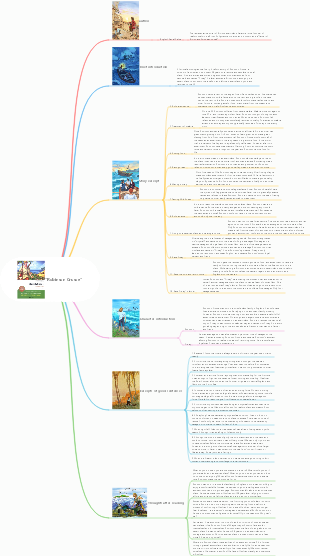
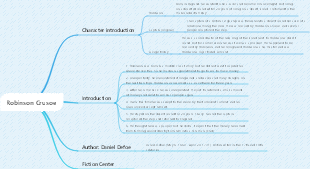
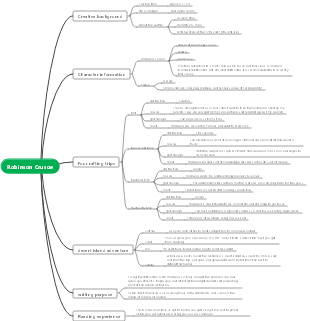
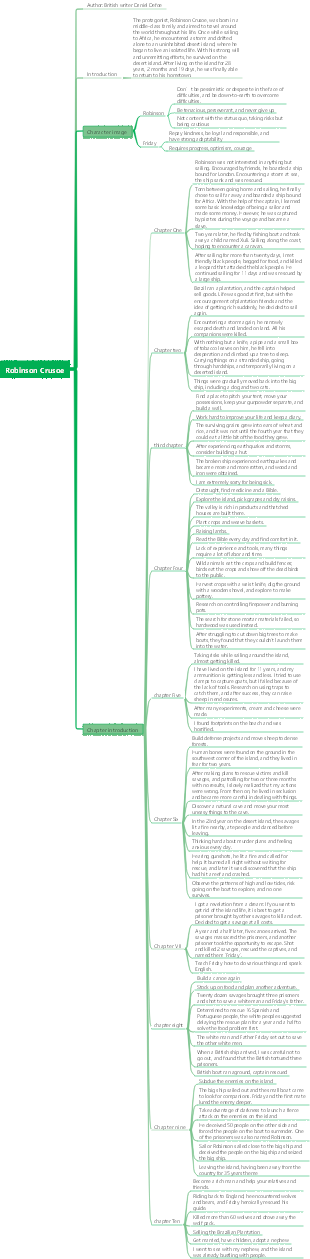
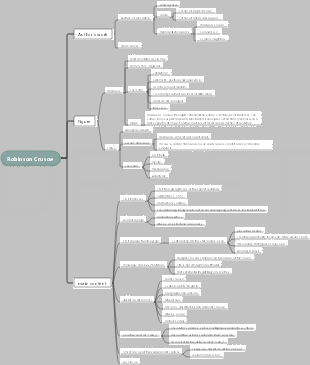
"Robinson Crusoe" Chapter Summary
first part
First voyage
reason
Has a strong woolen spirit
Young people’s rebellious mentality towards their parents’ family of origin
Strong pursuit of wealth
Time: September 1, 1651
Destination: London
Encountered a terrible storm
ship sank
rescued by boat
Reaching London by dry road
second voyage
Destination: Guinea, Africa
trade commodities
the second part
Africa made a fortune doing business
third voyage
Encountered pirates
Captured as a slave
tend the garden
Watching ships
Escaped to sea two years later
Pushed Mar the Moor into the sea
Take the ship and escape from the barbarian coast with Xury
Hunting hares and lions
Make friends with native black people
Rescued by Portuguese merchant ship
Arrive in Brazil by ship
the third part
Buy and operate a Brazilian plantation
sugarcane plantation
As the plantation improves, life gets better and better
fourth voyage
Time: September 1, 1659
Destination: Africa
Attracted to Africa for slave trafficking
Ship ran aground and sank in hurricane
Location: Near the unnamed island on the north coast of South America
All sailors and passengers drowned, only one survived
Drifting to an unknown desert island
Spend the night in a tree early
Prevent danger from happening
All he had on him was a knife and a pipe
Go to the broken ship to find the remaining items
Food: bread, biscuits, meat, wheat grains, etc.
Tools: Gun, bullets, gunpowder
Familiar with desert island environment
There are only wild animals and birds on the deserted island
Build a house
place to stay
store gunpowder
Try to capture and tame a goat
fourth part
Start recording time with calendar
Carve vertical marks on the wooden pillars once a day
discover the valley
The valley is rich in resources
Build a hut as a base
Try growing barley and rice
Try making various pottery
Toast making tools
Use animal skins to make clothes, umbrellas and other items
the fifth part
domesticated parrot
Named Bol
Accompany yourself to relieve boredom
Cutting down trees to build ships
big wooden boat
canoe
Gradually becoming self-sufficient in materials
Food can be supplied
Ample supply of fresh water
Wood is abundant
Using grape wine to make raisins, etc.
Rich supply of meat
Digging the island's canal alone
Try an island-hopping cruise
Part VI
Found savage footprints
Discover the cannibals
save servant friday
Cannibals discovered will be sacrificed on Friday
Save Friday with a plan
Teach a variety of Friday content
language
Food, clothing, housing and transportation
use weapons
Part 7
Free other prisoners
Save Friday's father
Save the captured Spaniards
16 people in total
Encountered a British merchant ship
A mutiny occurs on the ship, and the captain, first mate, and others are kidnapped and driven to the island.
Rescued everyone who was held hostage
Kill the mutinous crew member
Know the remaining party members and use tactics to subdue the prisoners
Part Eight
The British captain led all the crew on board the ship
The Spanish and some mutinous sailors continued to live on the island
Prevent further rebellion
establish a colony
Part 9
back to uk
Returned to the UK after 35 years, including 28 years on the island
Things are different and people are different
Looking for old friends in Lisbon
Take back Brazilian industry
Sailing to the East Indies again
Visit a once uninhabited island
Continue traveling