MindMap Gallery Robinson Crusoe
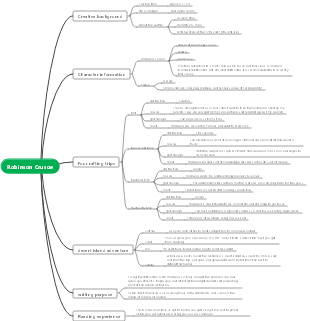
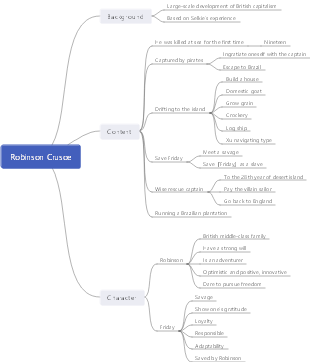
"Robinson Crusoe" mainly tells the story of the protagonist Robinson Crusoe, who was born in a middle-class family and aimed to travel around the world throughout his life. Once while sailing to Africa, he encountered a storm and drifted alone to an uninhabited desert island, where he began to live an isolated life. With his strong will and unremitting efforts, he survived on the desert island. After living on the island for 28 years, 2 months and 19 days, he was finally able to return to his hometown.
Edited at 2022-03-20 16:33:19This strategic SWOT analysis explores how Aeon can navigate the competitive online landscape, highlighting strengths, weaknesses, opportunities, and threats. Strengths include strong brand recognition (trusted Japanese heritage, quality), omnichannel capabilities (stores + online + mall integration), customer loyalty programs (Aeon Card, points, member pricing), and physical footprint (extensive store network for pickup/returns). Weaknesses encompass digital maturity gaps (e-commerce penetration, app functionality, personalization vs. Amazon, Alibaba), cost structure challenges (store-heavy, real estate, labor), and supply chain complexity (fresh food, frozen logistics for online). Opportunities include enhancing e-commerce competitiveness (faster delivery, wider assortment, lower minimum order), leveraging data-driven strategies (purchase history, personalized offers, inventory optimization), expanding omnichannel integration (buy online pick up in store, ship from store), and private label growth (Topvalu, localized brands). Threats involve online-first players (Amazon, Alibaba, Sea Limited) with lower costs, wider selection, faster delivery, market dynamics (changing consumer behavior post-COVID, discount competitors), and regulatory risks (data privacy, cross-border e-commerce rules). Aeon can strengthen market position by investing in digital capabilities, leveraging store assets for omnichannel, and using customer data for personalization, while addressing cost structure and online competition.

This analysis explores how Aeon effectively tailors offerings to meet the diverse needs of family-oriented consumers through a comprehensive Segmentation, Targeting, and Positioning (STP) framework. Demographic segmentation examines family life stages (young families with babies, school-aged children, teenagers, empty nesters), household sizes (small vs. large), income levels (mass, premium), and parent age bands (millennials, Gen X). This identifies distinct consumer groups with different spending patterns. Geographic segmentation highlights store catchment types (urban, suburban, rural), community characteristics (density, income, competition), and local preferences (fresh food, halal, Japanese products). Psychographic segmentation delves into family values (health, safety, education, convenience), lifestyle orientations (busy professionals, home-centered, eco-conscious). Behavioral segmentation focuses on shopping missions (daily grocery, weekly stock-up, seasonal shopping), price sensitivity (value seekers, premium), channel preferences (in-store, online, pickup). Needs-based segmentation reveals core family needs related to value (good-better-best pricing), budget considerations (affordability, promotions, member pricing), safety (food quality, product recall), convenience (one-stop shopping, parking, store hours). Targeting prioritizes young families with school-aged children, budget-conscious households, and convenience-seeking shoppers. Positioning emphasizes Aeon as a family-friendly, value-for-money, one-stop destination with Japanese quality and local relevance. These insights enhance family shopping experiences through tailored assortments (kids’ products, school supplies), promotions (family bundles, weekend events), and services (nursing rooms, kids’ play areas).
This Kream Sneaker Consumption Scene Analysis Template aims to visualize purchasing and consumption journeys of sneakers, identifying key demand drivers and obstacles. User behavior within Kream includes searching, bidding, buying, selling, authentication, and community engagement. External influences include brand drops (Nike, Adidas), social media (Instagram, TikTok), influencer hype, and cultural trends. Target categories: limited editions, collaborations, retro releases, performance sneakers, and general releases. Timeframes: launch day, first week, first month, long-term (seasonal, yearly). Regions: North America, Europe, Asia (Korea, China, Japan). User segments: Collectors: value rarity, condition, completeness (box, accessories). KPIs: collection size, spend, authentication rate. Resellers: value profit margin, volume, turnover. KPIs: sell-through rate, average profit, listing frequency. Sneakerheads: value hype, trends, community validation. KPIs: purchase frequency, social engagement, wishlist adds. Casual trend followers: value style, convenience, price. KPIs: conversion rate, average order value, repeat purchases. Gift purchasers: value ease, presentation, brand trust. KPIs: gift message usage, return rate. Consumption journey: Awareness: social media, email, push notifications. Search: browse, filter, search by brand, model, size. Purchase: bid, buy now, payment, shipping. Authentication: inspection, verification, certification. Resale: list, price, sell, transfer. Sharing: review, unboxing, social post, community discussion. Key performance indicators: conversion rate, sell-through rate, average order value, customer lifetime value, authentication pass rate, return rate, Net Promoter Score. This framework helps understand sneaker trading dynamics, user motivations, and touchpoints for engagement and satisfaction.
This strategic SWOT analysis explores how Aeon can navigate the competitive online landscape, highlighting strengths, weaknesses, opportunities, and threats. Strengths include strong brand recognition (trusted Japanese heritage, quality), omnichannel capabilities (stores + online + mall integration), customer loyalty programs (Aeon Card, points, member pricing), and physical footprint (extensive store network for pickup/returns). Weaknesses encompass digital maturity gaps (e-commerce penetration, app functionality, personalization vs. Amazon, Alibaba), cost structure challenges (store-heavy, real estate, labor), and supply chain complexity (fresh food, frozen logistics for online). Opportunities include enhancing e-commerce competitiveness (faster delivery, wider assortment, lower minimum order), leveraging data-driven strategies (purchase history, personalized offers, inventory optimization), expanding omnichannel integration (buy online pick up in store, ship from store), and private label growth (Topvalu, localized brands). Threats involve online-first players (Amazon, Alibaba, Sea Limited) with lower costs, wider selection, faster delivery, market dynamics (changing consumer behavior post-COVID, discount competitors), and regulatory risks (data privacy, cross-border e-commerce rules). Aeon can strengthen market position by investing in digital capabilities, leveraging store assets for omnichannel, and using customer data for personalization, while addressing cost structure and online competition.
This analysis explores how Aeon effectively tailors offerings to meet the diverse needs of family-oriented consumers through a comprehensive Segmentation, Targeting, and Positioning (STP) framework. Demographic segmentation examines family life stages (young families with babies, school-aged children, teenagers, empty nesters), household sizes (small vs. large), income levels (mass, premium), and parent age bands (millennials, Gen X). This identifies distinct consumer groups with different spending patterns. Geographic segmentation highlights store catchment types (urban, suburban, rural), community characteristics (density, income, competition), and local preferences (fresh food, halal, Japanese products). Psychographic segmentation delves into family values (health, safety, education, convenience), lifestyle orientations (busy professionals, home-centered, eco-conscious). Behavioral segmentation focuses on shopping missions (daily grocery, weekly stock-up, seasonal shopping), price sensitivity (value seekers, premium), channel preferences (in-store, online, pickup). Needs-based segmentation reveals core family needs related to value (good-better-best pricing), budget considerations (affordability, promotions, member pricing), safety (food quality, product recall), convenience (one-stop shopping, parking, store hours). Targeting prioritizes young families with school-aged children, budget-conscious households, and convenience-seeking shoppers. Positioning emphasizes Aeon as a family-friendly, value-for-money, one-stop destination with Japanese quality and local relevance. These insights enhance family shopping experiences through tailored assortments (kids’ products, school supplies), promotions (family bundles, weekend events), and services (nursing rooms, kids’ play areas).
This Kream Sneaker Consumption Scene Analysis Template aims to visualize purchasing and consumption journeys of sneakers, identifying key demand drivers and obstacles. User behavior within Kream includes searching, bidding, buying, selling, authentication, and community engagement. External influences include brand drops (Nike, Adidas), social media (Instagram, TikTok), influencer hype, and cultural trends. Target categories: limited editions, collaborations, retro releases, performance sneakers, and general releases. Timeframes: launch day, first week, first month, long-term (seasonal, yearly). Regions: North America, Europe, Asia (Korea, China, Japan). User segments: Collectors: value rarity, condition, completeness (box, accessories). KPIs: collection size, spend, authentication rate. Resellers: value profit margin, volume, turnover. KPIs: sell-through rate, average profit, listing frequency. Sneakerheads: value hype, trends, community validation. KPIs: purchase frequency, social engagement, wishlist adds. Casual trend followers: value style, convenience, price. KPIs: conversion rate, average order value, repeat purchases. Gift purchasers: value ease, presentation, brand trust. KPIs: gift message usage, return rate. Consumption journey: Awareness: social media, email, push notifications. Search: browse, filter, search by brand, model, size. Purchase: bid, buy now, payment, shipping. Authentication: inspection, verification, certification. Resale: list, price, sell, transfer. Sharing: review, unboxing, social post, community discussion. Key performance indicators: conversion rate, sell-through rate, average order value, customer lifetime value, authentication pass rate, return rate, Net Promoter Score. This framework helps understand sneaker trading dynamics, user motivations, and touchpoints for engagement and satisfaction.
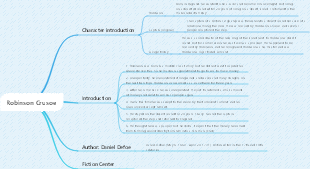
Robinson Crusoe
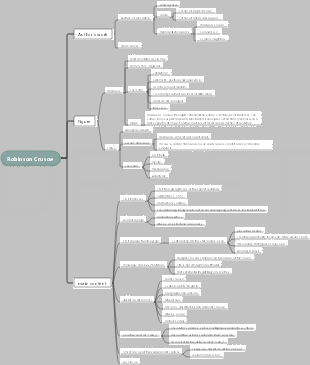
Author: British writer Daniel Defoe
Introduction
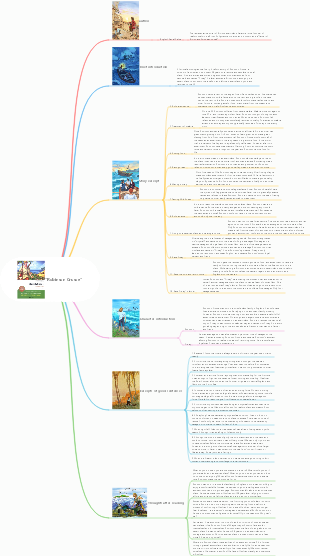
The protagonist, Robinson Crusoe, was born in a middle-class family and aimed to travel around the world throughout his life. Once while sailing to Africa, he encountered a storm and drifted alone to an uninhabited desert island, where he began to live an isolated life. With his strong will and unremitting efforts, he survived on the desert island. After living on the island for 28 years, 2 months and 19 days, he was finally able to return to his hometown.
Character image
Robinson
Don’t be pessimistic or desperate in the face of difficulties, and be down-to-earth to overcome difficulties.
Be tenacious, perseverant, and never give up
Not content with the status quo, taking risks but being cautious
Friday
Repay kindness, be loyal and responsible, and have strong adaptability
Requires progress, optimism, courage
Chapter introduction
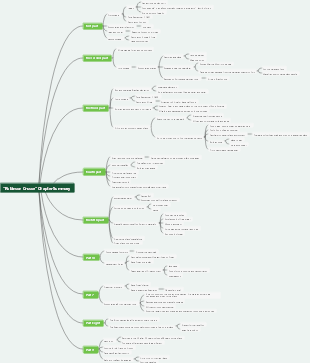
Chapter One
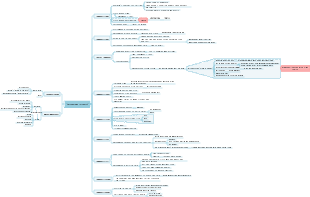
Robinson was not interested in anything but sailing. Encouraged by friends, he boarded a ship bound for London. Encountering a storm at sea, the ship sank and was rescued.
Torn between going home and sailing, he finally chose to sail far away and boarded a ship bound for Africa. With the help of the captain, I learned some basic knowledge of being a sailor and made some money. However, he was captured by pirates during the voyage and became a slave.
Two years later, he fled by fishing boat and took away a child named Xuli. Sailing along the coast, hoping to encounter a caravan.
After sailing for more than twenty days, I met friendly black people, begged for food, and killed a leopard that attacked the black people. He continued sailing for 11 days and was rescued by a large ship.
Chapter two
Brazil ran a plantation, and the captain helped sell goods. Life was good at first, but with the encouragement of plantation friends and the idea of getting rich suddenly, he decided to sail again.
Encountering a storm again, he narrowly escaped death and landed on land. All his companions were killed.
With nothing but a knife, a pipe and a small box of tobacco leaves on him, he fell into desperation and climbed up a tree to sleep. Carrying things on a stranded ship, going through hardships, and temporarily living on a deserted island.
Things were gradually moved back into the big ship, including a dog and two cats.
third chapter
Find a place to pitch your tent, move your possessions, keep your gunpowder separate, and build a wall.
Work hard to improve your life and keep a diary.
The surviving grains grew into ears of wheat and rice, and it was not until the fourth year that they could eat a little bit of the food they grew.
After experiencing earthquakes and storms, consider building a hut.
The broken ship experienced earthquakes and became more and more rotten, and wood and iron were obtained.
I am extremely sorry for being sick.
Chapter Four
Distraught, find medicine and a Bible.
Explore the island, pick grapes and dry raisins.
The valley is rich in products and thatched houses are built there.
Plant crops and weave baskets.
Raising lambs.
Read the Bible every day and find comfort in it.
Lack of experience and tools, many things require a lot of labor and time.
Wild animals eat the crops and build fences; birds eat the crops and show off the dead birds to the public.
Harvest crops with a waist knife, dig the ground with a wooden shovel, and explore to make pottery.
Research on controlling firepower and burning pots.
The search for stone mortar materials failed, so hardwood was used instead.
After struggling to cut down big trees to make boats, they found that they couldn't launch them into the water.
chapter Five
Taking risks while sailing around the island, almost getting killed.
I have lived on the island for 11 years, and my ammunition is getting less and less. I tried to use clamps to capture goats, but I failed because of the lack of tools. Research on using traps to catch them, and after success, they can raise sheep in enclosures.
After many experiments, cream and cheese were made.
I found footprints on the beach and was horrified.
Chapter Six
Build defense projects and move sheep to dense forests.
Human bones were found on the ground in the southwest corner of the island, and they lived in fear for two years.
After making plans to rescue victims and kill savages, and patrolling for two or three months with no results, I slowly realized that my actions were wrong. From then on, he lived in seclusion and became more careful in dealing with things.
Discover a natural cave and move your most uneasy things to the cave.
In the 23rd year on the desert island, the savages lit a fire nearby, ate people and danced before leaving.
Thinking hard about murder plans and feeling anxious every day.
Hearing gunshots, he lit a fire and called for help. It burned all night without waiting for rescue, and later it was discovered that the ship had hit a reef and crashed.
Observe the patterns of high and low tides, risk going on the boat to explore, and no one survives.
Chapter VII
I got a revelation from a dream: If you want to get rid of the island life, it is best to get a prisoner brought by other savages to kill and eat. Decided to get a savage at all costs.
A year and a half later, five canoes arrived. The savages massacred the prisoners, and another prisoner took the opportunity to escape. Shot and killed 2 savages, rescued the captives, and named them "Friday".
Teach Friday how to do various things and speak English.
chapter eight
Build a canoe again
Stock up on food and plan another adventure.
Twenty dozen savages brought three prisoners and shot to save a white man and Friday's father.
Determined to rescue 16 Spanish and Portuguese people, the white people suggested delaying the rescue plan for a year and a half to solve the food problem first.
The white man and Father Friday set out to save the other white men.
When a British ship arrived, I was careful not to go out, and found that the British tortured three prisoners.
British boat ran aground, captain rescued
Chapter nine
Subdue the enemies on the island
The big ship sailed out and the small boat came to look for companions. Friday and the first mate lured the enemy deeper.
Take advantage of darkness to launch a fierce attack on the enemies on the island
He deceived 50 people on the other side and forced the people on the boat to surrender. One of the prisoners was also named Robinson.
Sailor Robinson sailed close to the big ship and deceived the people on the big ship and seized the big ship.
Leaving the island, having been away from the country for 35 years theme
chapter Ten
Become a rich man and help your relatives and friends.
Riding back to England, he encountered wolves and bears, and Friday heroically rescued his guide.
Killed more than 60 wolves and drove away the wolf pack.
Selling the Brazilian Plantation
Get married, have children, adopt a nephew
I went to sea with my nephew, and the island was already bustling with people.