 Wondershare EdrawMind
MindMap Gallery Autologous transfusion (AT)
- 40
Autologous transfusion (AT)
This is a mind map about autologous blood transfusion (AT), including concepts, advantages, classification, Storage autologous blood transfusion, dilution autologous blood transfusion, Salvage autologous blood transfusion, etc.
Edited at 2024-01-19 16:29:26
- Recommended to you
- Outline
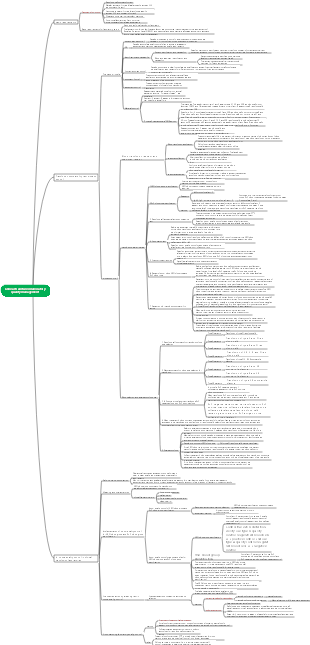
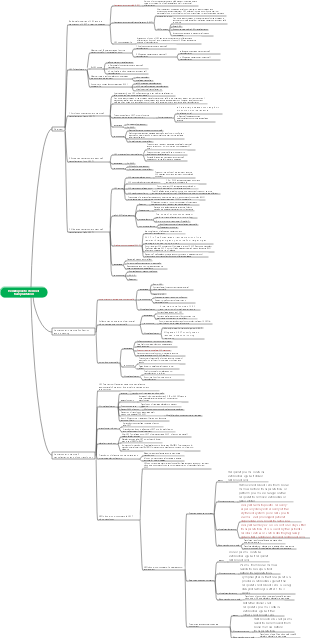


Autologous transfusion (AT)
Concepts, advantages, classification
concept
A treatment method that collects blood or/and blood components for storage, or collects blood for processing when the patient is in a bleeding state, and then self-transfuses the blood or/and blood components when needed.
advantage
Avoid infectious diseases and immune transfusion reactions caused by allogeneic blood and blood components
Special groups (cross-incompatible, rare blood types, religious beliefs rejecting allogeneic blood, etc.) provide blood and blood components
Storage autologous blood transfusion can stimulate the differentiation of hematopoietic stem cells and promote red blood cell production
Diluted autologous blood transfusion can reduce the patient's blood viscosity and improve microcirculation
Provide a large source of blood, reduce the demand for allogeneic blood, and alleviate the tight blood supply situation
Classification
Stored Autologous Transfusion (PAD)
Collect the patient's blood or blood components before using the blood and store it appropriately, and then infuse it back to the patient when needed
diluted autologous blood transfusion
1. Acute isovolumetric dilution autologous blood transfusion
2. Acute non-isovolemic dilution autologous blood transfusion
3. Acute hypervolemic dilution autologous blood transfusion
salvage autologous blood transfusion
During the patient's operation, the blood that was discharged before the operation or/and the surgical field blood was recovered, anticoagulated, filtered, washed, concentrated, etc. and then returned to the patient.
Classification
Intraoperative salvage autologous blood transfusion
Postoperative salvage autologous blood transfusion
stored autologous blood transfusion
concept
Weeks or even months before surgery, collect your own blood or blood components and store them for use during surgery.
Indications and Contraindications
Indications
For most elective surgeries, such as cardiac surgery, thoracic surgery, vascular surgery, plastic surgery, orthopedics, etc., the patient's Hb>110g/L, or Hct>0.33
Those with multiple irregular red blood cell antibodies causing inconsistency in the cross-match blood test
Patients with severe adverse reactions to blood transfusion who require re-transfusion
rare blood type
Patients who refuse to use blood from others due to religious beliefs
Contraindications
For patients with a history of disease attacks that are not fully controlled, blood collection may induce disease attacks.
Patients with a history of blood donation reactions and delayed syncope
With coronary heart disease, congestive heart failure, severe aortic stenosis, ventricular arrhythmia, severe hypertension, etc.
Patients with Hb<110g/L and bacterial infection
Patients taking drugs that suppress compensatory cardiovascular responses
Generally, pregnant women should avoid blood collection during the first 3 months of pregnancy and between the 7th and 9th months of pregnancy.
Blood collection dosage and blood collection protocol
The volume of blood collected at one time shall not exceed 500ml or 10% of the total blood volume of the self, and the maximum shall not exceed 12%.
The frequency of blood collection should be at least 3 days apart, and blood collection should be stopped 3 days before surgery.
Blood collection plan
Leapfrog blood collection
Conversion blood collection method (blood collection and transfusion method)
step accumulation blood collection method
Adverse reactions
local reaction
hematoma
local infection
Other reactions
Systemic infection caused by local infection, syncope, muscle spasm or twitching, nausea, vomiting, cardiac dysfunction, dyspnea, air embolism, microthrombosis, blood loss anemia
Precautions
Fully assess the patient's potential for blood transfusion and do not recommend surgery with low possibility.
Develop a careful plan to decide whether to use erythropoietin (EPO) and other drugs
The blood transfusion department must have detailed patient medical records and important organ information
Label and register your own blood
Supplement iron, EPO, etc. 1 week before blood collection
Sign the informed consent form for autologous blood transfusion
diluted autologous blood transfusion
concept
By supplementing crystalloids and colloids to reduce the concentration of blood cells in unit volume of blood, the number of blood cells lost and the amount of bleeding can be significantly reduced during the same amount of surgical bleeding.
Indications and contraindications
Indications
Patients under 65 years old with normal heart, liver, and kidney functions may be appropriately relaxed.
Hb>120g/L, Hct>0.33, normal platelet function, PLT³100x109/L
Preoperative estimated blood loss ³1000ml or 20% of blood volume
Children or the infirm can relax appropriately according to their weight.
Rare blood types, patients who refuse to use other people’s blood due to religious beliefs
Contraindications
Severe visceral disease or dysfunction, such as myocardial infarction, pulmonary hypertension, and renal insufficiency
Severe anemia, blood cell Hct<0.30, PLT<50x109/L or abnormal platelet function
With coagulation disease, bacteremia or other infectious diseases, uncorrected shock, hypoalbuminemia, plasma protein £25g/L
Blood collection dose
Comprehensive assessment of blood collection volume based on patient age, weight, main visceral function, type of surgery, expected blood loss, etc.
The blood collection volume is calculated based on 10% to 15% of the patient's total blood volume. If the patient is in good health, it can reach 20% to 30%.
The maximum dilution limit is that Hct is 0.20 and Hb is 65g/L after dilution
Infused back to the patient before the end of surgery or after surgery
Adverse reactions
systemic reaction
Dilution causes blood viscosity to decrease, blood flow resistance to decrease, cardiac output to increase, and diastolic blood pressure to decrease leading to insufficient coronary blood flow and cardiopulmonary insufficiency.
bleeding tendency
The use of large amounts of blood substitutes during dilution results in decreased platelet adhesion and abnormal fibrin formation, dilution of coagulation factors, increased peripheral circulation blood flow, and vasodilation leading to bleeding.
red blood cell agglutination
Thinning blood substitutes can sometimes cause red blood cells to agglutinate and blood viscosity to rise.
Precautions
Under anesthesia, the effect of muscle relaxants can expand the peripheral blood circulation system. Pay attention to replenishing fluids to maintain effective circulating blood volume.
salvage autologous blood transfusion
concept
The red blood cells lost in the patient's own blood are basically normal, have not been damaged or contaminated, and can be reused after recovery.
According to recycling treatment method
washing type
non-washable
By recycling processing time
intraoperatively
After surgery
Indications and contraindications
Indications
Major bleeding surgery, intraoperative or postoperative bleeding is expected to be more than 400ml
Those who are anemic and may need blood transfusion during surgery
Cardiac surgery, orthopedics, vascular surgery, urology, organ transplantation, plastic surgery
Contraindications
Malignant tumors, gastrointestinal diseases, luminal visceral perforation, open trauma lasting more than 4 hours, wound infection, bacteremia or sepsis, dilation and curettage (amniotic fluid contamination), etc.
Adverse reactions
bleeding tendency
Washed and recovered blood does not contain platelets, coagulation factors, and fibrinogen. Large amounts of reinfused blood can lead to coagulation dysfunction, protein loss, and water and electricity quality disorders.
Hemoglobinemia, renal insufficiency
pulmonary dysfunction
Pulmonary microthrombosis causes pulmonary dysfunction, and a 20~40mm blood transfusion filter should be used
Disseminated intravascular coagulation (DIC)
Blood that has been retained in the body cavity for a long time contains a large amount of tissue thromboplastin and is accompanied by bacterial contamination, and reinfusion can easily cause DIC.
Bacterial infection, sepsis
Bacterially Contaminated Blood Reinfusion Causes Sepsis After Trauma
other
air embolism, fat embolism
Precautions
Blood recovered during surgery must not be transferred to other patients for use.
In the blood recovered during the operation, platelets, coagulation factors, and plasma proteins are basically lost. Platelets and coagulation factors should be replenished according to the amount of recovered blood.
The recovered blood that has not been washed contains a large amount of anticoagulant, and the corresponding antagonist should be given according to the amount of anticoagulant used.
Patients who undergo intraoperative salvage autologous blood transfusion should use antibiotics routinely after surgery
A blood transfusion device must be used when recovering blood for reinfusion
Clinical application of autologous blood transfusion
Thoracic and Cardiovascular Surgery
Minimal contamination of the surgical field, best indications for dilution autologous blood transfusion and salvage autologous blood transfusion
Minimum standards for blood dilution: Hct not less than 20%, Hb not less than 60g/L
Orthopedics
Combined use of stored autologous blood transfusion and recovery autologous blood transfusion
trauma surgery
Intraoperative salvage autologous blood transfusion
Surgical Oncology
Use irradiation technology (25~30Gy) to process and recover washed red blood cells to kill tumor cells
Obstetrics and Gynecology
Intraoperative salvage autologous blood transfusion is a safe and effective blood transfusion method for patients with bleeding after ectopic pregnancy
People who do not accept allogeneic blood transfusions
Autologous blood transfusion using continuous circulatory system
New technology for blood protection
controlled blood pressure reduction
Use a variety of methods and drugs to dilate blood vessels, actively reduce vascular pressure in the surgical area, and reduce bleeding.
blood anesthesia
After anesthesia, before surgery or before extracorporeal circulation, drugs that act on the coagulation and fibrinolytic systems are selectively or preventively applied to inhibit the reaction of blood components so that they cannot be activated and remain in a "hibernation state" for recovery and "awakening" after surgery.
The commonly used blood anesthetic is aprotinin, which can reduce surgical bleeding by 54.8%.
Erythropoietin (EPO) application in autologous blood transfusion
EPO treatment requires at least 5 days to increase RBC, Hb, Hct and reticulocytes
EPO is combined with preoperative autologous stored blood to collect more autologous blood.