MindMap Gallery Seven steps to market positioning
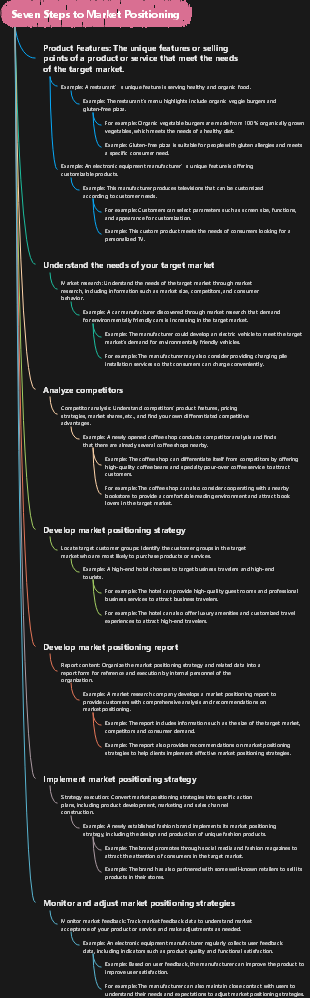
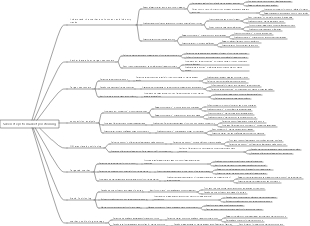
This is a mind map about the seven steps of market positioning. It tells the story of the seven steps of market positioning. If you are interested in the story of the seven steps of market positioning, you are welcome to collect and like this mind map~
Edited at 2021-10-15 18:14:00This Valentine's Day brand marketing handbook provides businesses with five practical models, covering everything from creating offline experiences to driving online engagement. Whether you're a shopping mall, restaurant, or online brand, you'll find a suitable strategy: each model includes clear objectives and industry-specific guidelines, helping brands transform traffic into real sales and lasting emotional connections during this romantic season.

This Valentine's Day map illustrates love through 30 romantic possibilities, from the vintage charm of "handwritten love letters" to the urban landscape of "rooftop sunsets," from the tactile experience of a "pottery workshop" to the leisurely moments of "wine tasting at a vineyard"—offering a unique sense of occasion for every couple. Whether it's cozy, experiential, or luxurious, love always finds the most fitting expression. May you all find the perfect atmosphere for your love story.
The ice hockey schedule for the Milano Cortina 2026 Winter Olympics, featuring preliminary rounds, quarterfinals, and medal matches for both men's and women's tournaments from February 5–22. All game times are listed in Eastern Standard Time (EST).
This Valentine's Day brand marketing handbook provides businesses with five practical models, covering everything from creating offline experiences to driving online engagement. Whether you're a shopping mall, restaurant, or online brand, you'll find a suitable strategy: each model includes clear objectives and industry-specific guidelines, helping brands transform traffic into real sales and lasting emotional connections during this romantic season.
This Valentine's Day map illustrates love through 30 romantic possibilities, from the vintage charm of "handwritten love letters" to the urban landscape of "rooftop sunsets," from the tactile experience of a "pottery workshop" to the leisurely moments of "wine tasting at a vineyard"—offering a unique sense of occasion for every couple. Whether it's cozy, experiential, or luxurious, love always finds the most fitting expression. May you all find the perfect atmosphere for your love story.
The ice hockey schedule for the Milano Cortina 2026 Winter Olympics, featuring preliminary rounds, quarterfinals, and medal matches for both men's and women's tournaments from February 5–22. All game times are listed in Eastern Standard Time (EST).
Seven steps to market positioning
Determine the target market for which your product or service is suitable
Analyze potential demand and purchasing power of target market
Research the demographics, consumer behavior and lifestyle habits of your target market
Investigate basic information such as population size, age structure, gender ratio, etc. of the target market
Analyze the consumption habits, purchasing preferences and changing trends of consumer behavior in the target market
Research the impact of the target market's lifestyle, values and cultural background on purchasing decisions.
Investigate latent needs and unmet needs of target markets
Understand the characteristics and scale of potential demand in the target market through market research, questionnaires and other methods
Analyze the demand gaps and competition in the target market and determine the opportunities and challenges of market positioning.
Determine target market segments
Segment the market based on the characteristics of the product or service and the demand characteristics of the target market
Market segmentation is based on factors such as the target market’s purchasing behavior, values, interests and hobbies.
Determine the location and channel selection of target markets
Select the geographical scope of the target market based on the geographical restrictions of the product or service and the distribution of the target market
Choose sales channels and distribution channels that are suitable for the target market to ensure that the product or service can effectively reach the target market.
Analyze competitors
Research your competitors’ products or services
Analyze the features and advantages of competitors’ products or services
Compare competitors' pricing strategies, sales channels, and marketing campaigns.
Understand your competitors’ target markets and market shares
Understand your competitors’ target markets and market segments through market research or public data
Analyze the market share and competitive situation of competitors in the target market.
Identify differentiating advantages
Determine the differentiating features of your product or service
Understand the unique selling points and core features of your product or service
Analyze the quality, functionality, price and other differentiating factors of the product or service.
Determine a differentiated value proposition
Define the core values and benefits of your product or service
Determine how well the differentiated value proposition matches the needs of the target market.
Set market positioning strategy
Determine target market positioning
Determine the direction of market positioning based on the needs and differentiated advantages of the target market
Define the positioning statement of the target market, target consumers, and core competencies.
Develop market positioning strategy
Select the dimensions and elements of the positioning strategy, such as product features, value proposition, target market segmentation, etc.
Determine how the market positioning strategy will be executed and marketing activities will be carried out.
Evaluate the effectiveness of market positioning
Track market dynamics and competitive trends in target markets
Regularly analyze the market size, growth rate and market trends of target markets
Observe changes in competitors' market shares, product innovations, and marketing strategies.
Evaluate market positioning performance and results
Evaluate the effectiveness of market positioning through sales, market share and other indicators
Analyze market feedback and consumer feedback to understand the acceptance and impact of market positioning.
Adjust and optimize market positioning strategies
Timely adjust and optimize market positioning strategies according to market changes and competition conditions
Improve the differentiation and value proposition of products or services based on market feedback and consumer insights.