 Wondershare EdrawMind
MindMap Gallery Chapter 3 Mineral Nutrition and Nitrogen Nutrition of Plants
- 48
Chapter 3 Mineral Nutrition and Nitrogen Nutrition of Plants
The mineral nutrition and nitrogen nutrition of plants mainly introduces the essential elements in plants, the absorption and utilization of mineral elements by plants, and the absorption of solutes by plant cells.
Edited at 2024-03-27 16:34:17
- New Employee First - week Onboarding Plan
Mappa mentale per il piano di inserimento dei nuovi dipendenti nella prima settimana. Strutturata per giorni: Giorno 1 – benvenuto, configurazione strumenti, presentazione team. Secondo giorno – formazione su policy aziendali e obiettivi del ruolo. Terzo giorno – affiancamento e primi task guidati. Il quarto giorno – riunioni con dipartimenti chiave e feedback intermedio. Il quinto giorno – revisione settimanale, definizione obiettivi a breve termine e integrazione culturale.
- Analisi del campo di allenamento inglese
Mappa mentale per l’analisi della formazione francese ai Mondiali 2026. Punti chiave: attacco stellare guidato da Mbappé, con triplice minaccia (profondità, taglio, sponda). Criticità: centrocampo poco creativo – la costruzione offensiva dipende dagli attaccanti che arretrano. Difesa solida (Upamecano, Saliba, Koundé). Portiere Maignan. Variabili: gestione infortuni e condizione fisica dei big. Ideale per scout, giornalisti e tifosi.
- Analisi della lineup francese
Mappa mentale per l’analisi della formazione francese ai Mondiali 2026. Punti chiave: attacco stellare guidato da Mbappé, con triplice minaccia (profondità, taglio, sponda). Criticità: centrocampo poco creativo – la costruzione offensiva dipende dagli attaccanti che arretrano. Difesa solida (Upamecano, Saliba, Koundé). Portiere Maignan. Variabili: gestione infortuni e condizione fisica dei big. Ideale per scout, giornalisti e tifosi.
Chapter 3 Mineral Nutrition and Nitrogen Nutrition of Plants
- New Employee First - week Onboarding Plan
Mappa mentale per il piano di inserimento dei nuovi dipendenti nella prima settimana. Strutturata per giorni: Giorno 1 – benvenuto, configurazione strumenti, presentazione team. Secondo giorno – formazione su policy aziendali e obiettivi del ruolo. Terzo giorno – affiancamento e primi task guidati. Il quarto giorno – riunioni con dipartimenti chiave e feedback intermedio. Il quinto giorno – revisione settimanale, definizione obiettivi a breve termine e integrazione culturale.
- Analisi del campo di allenamento inglese
Mappa mentale per l’analisi della formazione francese ai Mondiali 2026. Punti chiave: attacco stellare guidato da Mbappé, con triplice minaccia (profondità, taglio, sponda). Criticità: centrocampo poco creativo – la costruzione offensiva dipende dagli attaccanti che arretrano. Difesa solida (Upamecano, Saliba, Koundé). Portiere Maignan. Variabili: gestione infortuni e condizione fisica dei big. Ideale per scout, giornalisti e tifosi.
- Analisi della lineup francese
Mappa mentale per l’analisi della formazione francese ai Mondiali 2026. Punti chiave: attacco stellare guidato da Mbappé, con triplice minaccia (profondità, taglio, sponda). Criticità: centrocampo poco creativo – la costruzione offensiva dipende dagli attaccanti che arretrano. Difesa solida (Upamecano, Saliba, Koundé). Portiere Maignan. Variabili: gestione infortuni e condizione fisica dei big. Ideale per scout, giornalisti e tifosi.
- Recommended to you
- Outline

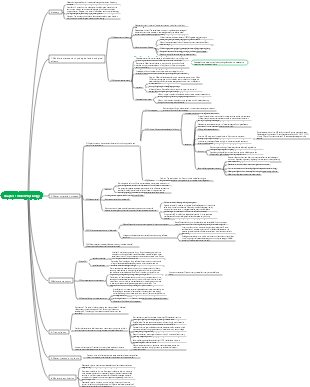
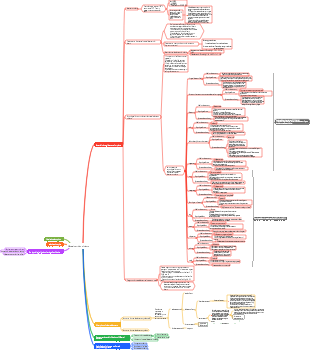

third chapter Mineral nutrition and nitrogen nutrition of plants
The absorption, transport and assimilation of mineral elements by plants and the role of mineral elements in life activities are often called mineral elements of plants.
The absorption and utilization of nitrogen by plants is called nitrogen nutrition
Section 1 Essential elements in plants
The non-volatile off-white residue is called ash
The substances in ash are various mineral oxides, sulfates, phosphates, silicates, etc.
The elements that make up ash are called ash elements
Because they come directly or indirectly from soil minerals, they are called mineral elements
Nitrogen is not a mineral element
essential elements for plants
Refers to elements essential for plant growth and development
Types of essential plant elements
Carbon, hydrogen, oxygen, nitrogen, phosphorus, potassium, calcium, magnesium, sulfur, iron, copper, boron, zinc, manganese, molybdenum, chlorine, silicon, nickel and sodium. The last 15 are mineral elements.
Classification of essential plant elements
There are 10 macroelements: carbon, hydrogen, oxygen, nitrogen, phosphorus, potassium, calcium, magnesium, sulfur and silicon.
There are 9 trace elements: iron, boron, manganese, zinc, copper, molybdenum, chlorine, nickel and sodium.
How to determine essential plant elements
The composition of natural soil is complex and the elements in it cannot be controlled. Therefore, it is impossible to determine the essential elements for plants using soil culture.
Plants are usually cultured using solution culture or sand-based culture using artificially prepared nutrient solutions with controllable ingredients to determine the essential mineral elements of plants and their roles in plants.
Solution culture Solution culture, also known as hydroponics, is a method of growing plants in a solution containing all or part of the nutrients. Containers wrapped in tin foil or opaque containers are often used to prevent light and avoid the growth of algae. The nutrient solution should be replaced frequently and ventilated frequently with an oxygen pump.
Sand-based culture method Sand-based culture method, referred to as sand culture method, is a method of fixing plants with substrates such as washed quartz sand or glass balls, and adding nutrient solution at the same time to cultivate plants.
When studying essential elements of plants, certain elements can be removed or added to the prepared nutrient solution to observe the growth and development and physiological and biochemical changes of plants. If a certain element is removed from the culture medium in which plants grow and develop normally, the plants will grow poorly and develop specific symptoms. When the element is added, the symptoms disappear, it means that the element is an essential element for the plant. On the contrary, if subtracting a certain element has no adverse effect on plant growth and development, it means that the element is not essential for plants.
Conditions of nutrient solution The nutrient solution must meet the following four conditions: ① Contain all nutrients necessary for plant growth; ② Nutrients should be active ingredients, and the quantity and proportion of nutrients can meet the needs of plant growth; ③ During the plant growth period The internal energy can maintain the pH suitable for plant growth. ④ The nutrient solution should be a physiologically balanced solution.
Criteria for judging essential plant elements
Indispensable. Without this element, the growth and development of plants are hindered and they cannot complete their life cycle normally.
Irreplaceable. Without this element, plants will show specific deficiency symptoms. Only by adding this element can this deficiency syndrome be eliminated.
Direct functionality: This element has a direct effect on plant nutritional physiology, rather than an indirect effect on promoting plant growth and development due to the element improving the environmental conditions for plant growth (such as the physical and chemical properties of the soil).
Physiological effects of essential plant elements
General physiological effects of essential plant elements
as a component of the building blocks of cells
For example, carbon, hydrogen, oxygen, nitrogen, phosphorus, sulfur, etc. are components of organic substances such as sugars, lipids, proteins, and nucleic acids.
as a regulator of life activities
Essential plant elements serve as enzyme components and enzyme activators, controlling enzymatic reactions; they are components of endogenous physiologically active substances (hormones and vitamins, etc.) and regulate plant metabolism, growth and development.
act electrochemically
For example, K*, Na*, CI* and other ions can adjust the osmotic potential of cells and maintain intracellular charge balance; H*, OH*, etc. regulate the pH of cells, and elements such as iron, zinc, copper, nickel, and molybdenum participate in redox reactions.
as cellular messenger substances
Such as calcium.
Physiological effects of macroelements
physiological effects of nitrogen
The nitrogen absorbed by plants is mainly inorganic nitrogen, namely ammonium nitrogen (NH4*) and nitrate nitrogen (NO5*). It can also absorb part of organic nitrogen (such as urea)
(1) The main physiological functions of nitrogen The main physiological functions of nitrogen are: ① Nitrogen is the main component of proteins, nucleic acids, and phospholipids, and these three are important components of cellular structural materials such as protoplasm, cell nuclei, and biological membranes; ② Nitrogen It is a component of enzymes, ATP, various coenzymes and prosthetic groups (such as NAD*, NADP, FAD, etc.), which play an important role in material metabolism and energy metabolism; ③ Nitrogen is a component of certain plant hormones (such as auxin and cell division) Vitamins (such as vitamin B, vitamin B, vitamin B, vitamin PP), etc., which regulate life activities; ④ Nitrogen is a component of chlorophyll and is closely related to photosynthesis. It can be seen that nitrogen plays an important role in plant life activities, so nitrogen is also called the element of life.
(2) Symptoms of nitrogen deficiency. When nitrogen is deficient, the synthesis of organic matter is blocked, resulting in short plants, yellow or red leaves, few branches (branching), few flowers, incomplete grains, and reduced yield. Due to the high mobility of nitrogen, compounds in old leaves can be decomposed and transported to young tissues for reuse. Therefore, old leaves show symptoms first when nitrogen is lacking.
(3) The harm of too much nitrogen: When there is too much nitrogen, the leaves of plants will be dark green and the branches and leaves will be leggy. The maturity period is delayed; the mechanical tissue in the stem is underdeveloped, which can easily lead to lodging and infestation by diseases and insect pests. However, appropriately applying more nitrogen fertilizer to leafy vegetable crops is beneficial to increasing yield and improving quality.
physiological effects of phosphorus
Phosphorus is mainly absorbed by plants in the form of H2PO4* or HPO42*.
(1) The main physiological functions of phosphorus: ① Phosphorus is the main component of nucleic acids, nucleoproteins and phospholipids; ② Phosphorus is a component of many coenzymes (such as NAD*, NADP*, etc.), and is also a component of ATP and ADP Ingredients; ③ Phosphorus plays an important role in plant material metabolism, such as participating in the metabolism of sugars, fats and proteins, and can promote the transportation of sugars; ④ Plant cell fluid contains certain acids and salts to form a buffer system, which is harmful to cells The maintenance of osmotic potential plays a certain role.
(2) Symptoms of phosphorus deficiency: When phosphorus is lacking, the plants are thin and small, the tillers or branches are reduced, the leaves are green or purple, the flowering and maturity stages are delayed, the yield is low, and the resistance is weakened. Phosphorus is a reusable element, so when phosphorus is lacking, symptoms will first appear on older leaves.
(3) The harm of too much phosphorus: When there is too much phosphorus, small scorch spots will appear on the leaves, which is caused by the precipitation of calcium phosphate. Excessive phosphorus will also hinder the absorption of silicon by plants, which can easily cause symptoms such as zinc deficiency and calcium deficiency in plants.
Physiological effects of potassium
Potassium is absorbed by plants in the form of K* and exists in the plant body, and does not participate in the composition of important organic matter
(1) The main physiological effects of potassium The main physiological effects of potassium are: ① Potassium participates in important metabolism in plants as an activator of pyruvate kinase, malate dehydrogenase, fructokinase and other enzymes; ② Potassium can promote protein and The synthesis of sugars and can promote the transportation of sugars; ③Potassium can increase the hydration degree of protoplasts and reduce their viscosity, thereby enhancing the water retention capacity of cells and improving premature resistance; ④Potassium is an important component of cell osmotic potential , participates in the control of physiological processes such as cell water absorption and stomatal movement; ⑤ Potassium is the most important charge balance component in plant cells. It plays a vital role in maintaining the normal life activities of living cells across membranes (plasma membrane, tonoplast membrane, chloroplast membrane, mitochondrial membrane). etc.) plays an irreplaceable role in potential.
(2) Potassium deficiency: When potassium is deficient, plants have reduced early resistance and cold resistance, the plants are weak and prone to lodging, the leaves turn yellow, the leaf edges are scorched, and the growth is slow. Because the middle part of the leaf is still growing faster, the entire leaf will form a cup-like bend or shrink. Potassium is an element that can be reused. When potassium is lacking, symptoms will first appear in older leaves.
(3) The harm of too much potassium. Excessive application of potassium will cause the plant's absorption of calcium and other cations to decrease, leading to "heart rot" in leafy vegetables, "bitter pox" in apples, etc.
Physiological effects of calcium
Calcium is absorbed by plants in the form of Ca'*
(1) The main physiological functions of calcium. The main physiological functions of calcium are: ① Calcium is an important intracellular messenger. In plant cytoplasm, calcium ions can combine with calmodulin (CaM) to form calcium-calmodulin (Ca*- The CaM) complex participates in signal transduction and plays an important regulatory role in many cellular reactions; ② Calcium is a component of calcium pectate in the intercellular layer of plant cell walls; ③ Calcium participates in the formation of spindles and is therefore related to mitosis; ④ Calcium Ions can serve as a bridge between phosphoric acid in phospholipids and carboxyl groups of proteins, stabilizing the membrane structure; ⑤ Calcium is an activator of ATP hydrolase and phospholipid hydrolase; ⑥ Calcium can form calcium oxalate with oxalic acid in plants , eliminate the poison of excessive oxalic acid to plants; ⑦ Calcium helps the formation of plant callus and also plays a certain role in plant disease resistance.
(2) Calcium deficiency symptoms: In the early stage of calcium deficiency, the terminal buds and young leaves turn light green, and then the leaf tips appear typical hook-shaped, and then become necrotic. Calcium is an element that is difficult to move and can be reused, so humin symptoms first appear on young stems and leaves. For example, when Chinese cabbage is deficient in calcium, the heart leaves turn brown.
Physiological effects of magnesium
Magnesium is absorbed by plants in the form of Mg*.
(1) The main physiological functions of magnesium The main physiological functions of magnesium are: ① Magnesium is a component of chlorophyll, and about 20% of the magnesium in plants exists in chlorophyll; ② Magnesium is a component of many enzymes in photosynthesis and respiration [such as 1,5 -Activator of ribulose diphosphate carboxylase/oxygenase, acetyl-CoA synthetase]; ③The activation of amino acids requires the participation of magnesium. Magnesium can combine the ribosome subunits into a stable structure. If the magnesium concentration is too high, If it is low, the ribosome will disintegrate and the protein synthesis ability will be lost; 4. Magnesium is an activator of DNA polymerase and RNA polymerase, so magnesium is involved in the synthesis of DNA and RNA; 5. Magnesium is also a component of chromosomes. Acts during cell division.
(2) Symptoms of magnesium deficiency. The most obvious symptom of magnesium sensitivity is leaf chlorosis, which is characterized by starting from the lower leaves first. The mesophyll often turns yellow while the veins remain green. This is the main difference from nitrogen deficiency symptoms. Severe magnesium deficiency can cause premature aging and shedding of leaves, eventually causing the entire plant to wither and die.
Physiological effects of sulfur
Sulfur is mainly absorbed by plants in the form of sulfate radical (SO42*).
(1) The main physiological functions of sulfur The main physiological functions of sulfur are: ① Sulfur is a component of cysteine and methionine, and therefore is also a component of protein. -SH and -S-S- between sulfur-containing amino acids in proteins can transform into each other, which not only regulates the redox reaction in plants, but also stabilizes the spatial structure of proteins; ② Sulfur is plant coenzyme A (CoA), The components of thiamine, biotin, etc. are closely related to the metabolism of carbohydrates, proteins, and fats; ③ Sulfur is a component of thioredoxin, iron-sulfur protein, and nitrogenase, and plays a role in plant photosynthesis, nitrogen fixation, and other reactions. plays an important role in.
(2) Symptoms of sulfur deficiency: Sulfur is difficult to move. When deficient, young leaves show symptoms first, and new leaves become evenly chlorotic, yellow and fall off easily. Sulfur deficiency is rarely encountered in crop cultivation practices because there is sufficient sulfur in the soil to meet plant needs.
Physiological effects of silicon
Silicon is absorbed by plants in the form of H4SiO4
(1) The main physiological effects of silicon The main physiological effects of silicon are: ① Silicon is mainly deposited in the cell wall and intercellular space in the form of amorphous water compounds (SiO2·nH2O), and can also form complexes with polyphenols to become cell wall additives. Thick substances to increase the rigidity and elasticity of cell walls; ② Silicon promotes the formation of reproductive organs and can increase the number of ears, spikelets and single grain quality of cereal crops; ③ Silicon can relieve the stress of various metals (including aluminum and Magnesium) is toxic to plants.
(2) Symptoms of silicon deficiency: When plants are deficient in silicon, their transpiration is accelerated, their growth is stunted, and they are prone to lodging or fungal infection. Especially in rice, the ability to resist diseases, insect pests and lodging is significantly reduced when silicon is deficient.
Physiological effects of trace elements
Physiological effects of chlorine
Nitrogen is absorbed by plants in the form of CI*. Only a very small amount of oxygen is incorporated into the organic matter, of which 4-chloroindoleacetic acid is a natural growth hormone.
(1) The main physiological effects of chlorine The main physiological effects of chlorine are: ① CI* participates in the photolysis of water during photosynthesis; ② CI* is also required for the division of leaf and root cells; ③ CI* regulates cytosolic potential and maintains charge. Plays an important role in balance.
(2) Symptoms of chlorine deficiency: When chlorine is lacking, the leaves will wilt, become chlorotic and necrotic, and finally turn brown. At the same time, the growth of the root system is hindered, becomes thicker, and the root tip becomes rod-shaped.
Physiological effects of iron
Iron is mainly absorbed by plants in the form of Fe2^ or chelated iron.
(1) The main physiological functions of iron The main physiological functions of iron are: ① Iron is a prosthetic group for many enzymes, such as cytochrome oxidase, peroxidase, catalase, and ferredoxin. In these enzymes, iron can transfer electrons through the change Fe3* e *=Fe2*. Iron is also a metal component of ferritin and molybdenum ferritin in nitrogenase, which plays a role in biological nitrogen fixation. ②The enzyme that catalyzes chlorophyll synthesis requires activation by Fe2*.
(2) Symptoms of iron deficiency Iron is necessary for the synthesis of chlorophyll, so iron deficiency causes yellowing of leaves. In recent years, it has been discovered that iron affects the structure of chloroplasts and the synthesis of chlorophyll. For example, when the eye algae is deficient in iron, the chloroplasts also disintegrate while the chlorophyll is decomposed.
Iron is an element that is difficult to reuse, so the most obvious symptom of iron deficiency is that the young buds and leaves become chlorotic and turn yellow, or even turn yellow-white, while the lower leaves remain green.
Physiological effects of boron
Boron is absorbed by plants in the form of H3BO3
(1) The main physiological functions of boron: ① Boron promotes the construction and development of plant reproductive organs, because boron is conducive to the formation of pollen, and can promote the germination, elongation and fertilization process of pollen; ② Boron Promote the transportation and metabolism of sugar, because boron can combine with free sugar, making the sugar polar, making it easier for sugar to pass through the plasma membrane and promoting its transport; boron can increase the activity of uridine diphosphate glucose (UDPG) pyrophosphorylase Activity, promotes the synthesis of sucrose; ③ Boron participates in the synthesis of hemicellulose and cell materials, promoting cell elongation and division; it is also involved in the synthesis of nucleic acids and proteins, hormone reactions, membrane function, cell division, root development and other physiological processes There is a certain relationship; ④ Boron can inhibit the formation of phenolic acid compounds such as caffeic acid and chlorogenic acid in plants, which may cause root lignification.
(2) Symptoms of boron deficiency: When boron is lacking, anthers and filaments shrink, pollen is underdeveloped, seed setting rate is low, root tips and terminal buds are necrotic, apical dominance is lost, and branches increase.
Physiological effects of manganese
Manganese is mainly absorbed by plants in the form of Mn2*.
(1) The main physiological effects of manganese The main physiological effects of manganese are: ① Manganese is an activator of many important enzymes, such as hexose phosphokinase, carboxylic acids, dehydrogenating acids, RNA polymerase, some enzymes in fatty acid synthesis, and The activation of nitric acid reducing acid, indole acetic acid (IAA) oxidation, etc. all require the participation of manganese; ② Manganese is a component of the oxygen-evolving complex in photosystem II and participates in the photosynthetic oxygen-emitting reaction. The photolysis of water in photosynthesis requires manganese. Participation ③ Manganese is a component of superoxide dismutase and participates in the scavenging of free radicals in mitochondria.
(2) Symptoms of manganese deficiency: During manganese deficiency, the leaves become chlorotic between the veins, but the veins remain green, and the leaves begin to turn yellow from the leaf edges. This is the main difference between manganese deficiency and iron deficiency. Mn2* is highly mobile in plants. When manganese deficiency occurs, symptoms will generally appear on young leaves to medium-aged leaves, rather than the youngest leaves. Symptoms of manganese deficiency in cereal crops often appear on older leaves.
Physiological effects of sodium
Sodium is absorbed by plants as Na*
(1) The main physiological effects of sodium. The main physiological effects of sodium are: ① Sodium ions can increase the solute potential, expand cells and promote growth: ② Sodium can catalyze phosphoric acid in C4 plants and Crassulacea acid metabolism (CAM) plants. Regeneration of enolpyruvic acid (PEP); ③Sodium can partially replace the role of potassium and increase the osmotic potential of cells
(2) Symptoms of sodium deficiency: When sodium is deficient, plants will show yellowing and necrosis, and may even be unable to bloom.
Physiological effects of zinc
Zinc is absorbed by plants in the form Zn2*
(1) The main physiological functions of zinc. The main physiological functions of zinc are: ① Zinc is a component or activator of many enzymes, such as glutamate dehydrogenase, superoxide dismutase, carbonic anhydrase, etc.; ② Zinc is involved in The synthesis of indole acetic acid (IAA) is because the precursor of indole acetic acid is tryptophan, and zinc is an essential component of tryptophan synthase.
(2) Zinc deficiency symptoms: Zinc deficiency will affect auxin synthesis, resulting in stunted growth of young leaves and stems of plants, resulting in leaf diseases and cluster leaf diseases.
physiological effects of copper
In well-aerated soil, copper is absorbed by plants in the form of Cu2*, while in moist and anoxic soil, it is mostly absorbed in the form of Cu2*.
(2) The main physiological functions of copper The main physiological functions of copper are: ① Copper is a component of polyphenol oxidase, ascorbic acid oxidase, laccase and other enzymes, and plays an important role in the redox of respiration; ② Copper is a substance The component of cyanine participates in photosynthetic electron transfer; ③ Copper can improve the ability of potatoes to resist late blight, so spraying copper sulfate has a good effect on preventing and treating the disease.
(2) Symptoms of copper deficiency: During copper deficiency, leaves grow slowly, appear blue-green, and young leaves become chlorotic. When copper deficiency is severe, leaves fall off. In addition, copper deficiency will cause the degeneration of the leaf palisade tissue and the expansion of the substomatal cavity, causing the plant to wilt due to excessive transpiration even when the water supply is sufficient.
Physiological effects of nickel
Nickel is absorbed by plants in the form Ni2*.
(1) The main physiological functions of nickel The main physiological functions of nickel are: ① Nickel is the metal component of urease, and the function of urease is to catalyze the hydrolysis of urea into carbon dioxide (CO2) and ammonia (NH3), so plants lacking urease will A large amount of urea accumulates in the plant, seriously affecting the germination of seeds; ② Nickel is also one of the components of hydrogenase, which plays a role in generating hydrogen in biological nitrogen fixation; ③ Nickel can activate α-amylase activity in barley seeds.
(2) Symptoms of nickel deficiency: When nickel is lacking, more urea accumulates in the leaf tips, causing the leaves to become abnormal or even necrotic.
Physiological effects of molybdenum
Molybdenum is absorbed by plants in the form of MoO24*
(1) The main physiological functions of molybdenum The main physiological functions of molybdenum are: ① Molybdenum is a component of nitrate reductase and plays an electron transfer role ② Molybdenum is a component of molybdenum ferritin in nitrogen-fixing enzyme and plays a role in the nitrogen fixation process; ③ Molybdenum It is an essential component of xanthine dehydrogenase and certain oxidases in the synthesis of abscisic acid.
(2) Symptoms of molybdenum deficiency: When molybdenum is lacking, the leaves are smaller, the leaves are chlorotic between the veins, there are necrotic spots, and the edges of the leaves are scorched and curled inward. When cruciferous plants are deficient in molybdenum, their leaves become curled and deformed, and old leaves become thickened and scorched. When cereal crops are deficient in molybdenum, the grains shrink or fail to form grains.
Section 3 Absorption and utilization of mineral elements by plants
Roots absorb mineral elements and water out of proportion
In short, the absorption of water and mineral elements by plants is both interrelated and independent of each other. The interconnection is reflected in the fact that mineral elements must be dissolved in water before they can be absorbed by the roots and enter the apoplast of the roots with the water flow. The absorption of mineral elements reduces the osmotic potential of cells and promotes water absorption by plants. The mutual independence is reflected in the different absorption ratios and mechanisms of the two. Water absorption is mainly based on passive water absorption caused by transpiration, while mineral element absorption is based on active absorption that consumes metabolic energy. In addition, the distribution directions of the two are also different. Water is mainly distributed to the leaves, while mineral elements are mainly distributed to the growth center at that time.
Roots are selective for ion uptake
The selective absorption of ions refers to the phenomenon that plants absorb different proportions of cations and anions from different ions or the same salt in the same solution. For example, when NaNO3 is supplied, the plant absorbs its anion (NO3*) and the cation (Na*). Since the total number of positive and negative charges in plant cells must be balanced, when a plant absorbs a certain ion, it will be accompanied by the discharge of ions with the same charge and the same charge number, or with the opposite charge and the same charge. Absorption of several ions. When plants selectively absorb NO3*, Na will accumulate in the environment, and OH* or HCO3* will also accumulate, thereby increasing the pH of the medium. The salts that cause the medium to become alkaline because plant roots absorb more anions than cations are called physiological alkaline salts, such as various nitrates. When (NH4)2SO4 is supplied, the plant absorbs more cations (NH4*) than anions (SO42*) and the root cells will release H*. Therefore, while SO42* is accumulated in the environment, a large amount of H* is also accumulated. The salts that cause the pH of the medium to drop and make the medium acidic because plant roots absorb more cations than anions are called physiological acid salts, such as various ammonium salts. In the same way, the absorption of anions and cations by roots is very similar, and salt compounds that hardly change the pH of the surrounding medium can be called physiologically neutral salts, such as NH4NO3. Obviously, if certain physiological acidic salts or physiological alkaline salts are applied to the soil for a long time, it may cause changes in soil pH and thus damage the soil structure. Therefore, when applying chemical fertilizers, attention should be paid to the reasonable combination of fertilizer types.
Single salt poisoning and ion oxidation
Any plant, if cultured in a single salt solution, will soon become abnormal and eventually die. This phenomenon is called simple salt poisoning.
Simple salt poisoning can occur with either nutrient or non-nutrient elements and occurs in plants when solution concentrations are very low.
If a small amount of other salts are added to the single salt solution, the toxicity of the single salt will be eliminated. This phenomenon in which ions can eliminate poison from each other is called ion competition, also known as ion confrontation.
There are genotypic differences
There are obvious differences between different plant species, and even between different varieties of the same plant, in the types, absorption rates, and utilization efficiency of mineral elements absorbed.
The area where roots absorb mineral elements
The root system is the most important organ for terrestrial plants to absorb mineral elements. The parts where it absorbs mineral elements and the parts where it absorbs water are the unsuberized parts of the root tip. In fact, the root hair area is the area that absorbs the most mineral elements, because the root hair area has a large absorption surface area and the conduction tissue has been well developed. It is expected that the accumulation of less mineral elements in the root hair zone is due to the fact that the absorbed mineral elements can be transported out quickly through the transport tissue.
The process by which roots absorb mineral elements
Transport of solutes from soil solution to roots
Solutes in the soil solution can enter the root surface by concentration or diffusion. The flow of solutes with water to the roots is collective transport, while the movement of molecules from high to low concentrations is diffusion transport.
Ions enter root surface cells and cortex
Ions enter the root canal
There are two parallel pathways for ions to enter the root vessel from the root surface: the apoplast pathway and the symplast (S pathway). The apoplast pathway reaches the stele through the cell wall and intercellular space; the symplast pathway bypasses the vacuole through plasmodesmata. , transported from cell to cell toward the stele.
There is a space at the root that maintains diffusion balance with the external solution and where ions and water can freely enter and exit, which is called free space. The transport of ions in free space is called the apoplastic pathway of ion transport
The ions pass through the free space to the protoplasm surface and then enter the protoplasm of the root epidermis or cortical cells through active or passive absorption. Ions entering the protoplasm can enter the parenchyma cells from the epidermal cells through plasmodesmata. It is then released from the xylem parenchyma cells into the vessels. Release can be passive or active and selective. There is ATPase on the plasma membrane of xylem parenchyma cells. It is speculated that these parenchyma cells play an active role in transporting secreted ions to the vessels.
Factors affecting root absorption of mineral elements
soil temperature
Within a certain range, the rate at which roots absorb mineral elements accelerates as the soil temperature increases. When the soil temperature rises beyond a certain value, the absorption rate decreases. This is because soil temperature can affect root respiration by affecting root respiration. Active absorption of mineral elements. Temperature also affects the activity of enzymes. At a suitable temperature, various metabolisms are strengthened, the amount of mineral elements required increases, and the roots absorb more. The condition of protoplasm colloid can also affect the root system's absorption of mineral elements. At low temperatures, protoplasm colloid is highly viscous, has low permeability, and has low absorption. At a suitable temperature, the protoplasm has low viscosity, high permeability, and rapid absorption of ions. High temperatures (above 40°C) can reduce the rate at which roots absorb mineral elements. The reason may be that high temperatures inactivate enzymes, thereby affecting root metabolism. High temperatures also lead to accelerated corking of the root tip, reducing the absorptive area. High temperature can also cause the permeability of protoplasm to increase, causing absorbed mineral elements to leak into the environment.
In addition, the level or change of atmospheric temperature also affects the absorption of mineral elements by plants. On the one hand, atmospheric temperature affects the physiological activities of roots by affecting soil temperature. On the other hand, atmospheric temperature directly affects the physiological conditions of the above-ground parts of plants (such as transpiration rate, growth status of above-ground parts, etc.) and indirectly affects the absorption of mineral elements by roots.
Soil aeration status
When there is good aeration, the soil oxygen content is high, the root respiratory metabolism is strong, and the rate of absorption of mineral elements is fast. When the soil is deprived of oxygen, the life activities of the root system are affected, thereby reducing the absorption of minerals. Therefore, measures to improve soil aeration, such as increasing the application of organic fertilizers, improving soil structure, strengthening cultivating and loosening soil, etc., can increase the absorption of mineral elements by plant roots.
soil solution concentration
When the concentration of the soil solution is very low, the rate of absorption of mineral elements by the roots increases as the concentration increases. However, when a certain concentration is reached, even if the ion concentration is increased, the rate of absorption of ions by the machine system no longer increases. This is because the rate of absorption of mineral elements by the roots may have reached saturation. If the concentration of mineral elements (solutes) in the soil is too high, it will cause reverse osmosis of water. In severe cases, it will cause the root tissue and even the entire plant to lose water and become burnt. seedling phenomenon. So excessive application of chemical fertilizers to the soil should be avoided.
Soil pH
Soil pH affects the availability of mineral elements in the soil
Soil pH can significantly affect the availability of various mineral elements in the soil. Low pH is conducive to the weathering of minerals and the release of various ions, such as K*, Mg*, Ca*, Mn*, Cu* and AI*. The solubility of various salts such as carbonates, phosphates, and sulfates is also high at low pH. When the pH is 5.0 to 6.0, the absorption and utilization of plants is high, but it is easy to run off or be washed away by rainwater, so in acidic red soil In soil, crops often suffer from deficiencies of phosphorus, potassium, molybdenum, etc. As the alkalinity of the soil gradually increases, elements such as iron, phosphorus, manganese, boron, and zinc gradually turn into insoluble compounds, and the amount of plants absorbing them gradually decreases.
Soil pH affects the absorption rate of mineral elements
The effect of soil acidity and alkalinity (pH) on the absorption rate of mineral elements varies depending on the ionic properties. Within a certain pH range, in general, the absorption rate of cations increases with the increase of soil pH, while the absorption rate of anions decreases with the increase of pH.
The reason why soil pH has different effects on the absorption rates of bright ions and cations is related to the fact that the proteins that make up the cytoplasm are ampholytes. In an alkaline environment, the amino acids that make up the protein in root cells are positively charged, making it easy for the roots to absorb anions in the external solution; while in an alkaline environment, the amino acids are negatively charged, making it easy to absorb cations.
Generally, the optimal soil pH for plant growth is between 6 and 7, but some plants prefer a slightly acidic environment, such as tea, potatoes, tobacco, etc.; some plants prefer an alkaline environment, such as clematis, beets, etc.
Absorption of mineral elements by aboveground parts
In addition to the roots, plants can also absorb mineral elements in their above-ground parts (stems, leaves and other organs). In production, quick-acting fertilizers are often sprayed directly on the leaves for absorption by plants. This method is called extra-root fertilization or foliar nutrition.
How mineral elements enter the ground
After spraying a solution containing mineral elements on the above ground part of the plant (mainly the leaves), the mineral elements can enter the plant through the stomata or lenticels on the stem surface, or through the cutin on the plant surface. The stratum corneum is a mixture of polysaccharides and lipid compounds distributed on the lateral walls of epidermal cells and is not easily permeable to water. But there are gaps in the stratum corneum, which are tiny pores that allow solutions to pass through. After the solution reaches the lateral wall of the epidermal cells through the stratum corneum pores, it further passes through the epidermal filaments in the cell wall and reaches the plasma membrane of the epidermal cells. The fluid secretions filled with epidermal cell protoplasts in the epidermal filaments extend outward from the protoplast surface through the fine pores in the wall and connect with the apoplast. When the solution reaches the plasma membrane through the epithelia, it is transported into the interior of the cell and finally reaches the phloem in the stems and leaves.
Factors influencing the effect of extra-root fertilization
Since plant stems and leaves can only absorb nutrients dissolved in the solution, the longer the solution stays on the leaves, the more nutrients will be absorbed. Therefore, any external environmental factors that can affect liquid evaporation (such as light, wind speed, temperature, atmospheric humidity, etc.) will affect the absorption of nutrients by stem surfaces and leaves. Therefore, in terms of production, extra-root fertilization operations are mostly carried out in cool, windless and high-humidity times (for example, in the evening when it is cloudy).
Extra-root fertilization has the characteristics of low dosage and fast fertilizer effect. In some cases, extra-root fertilization is an effective way to supplement plant nutrients. For example, in the later stages of crop growth, when the root activity decreases and the ability to absorb fertilizer declines, or when the soil lacks available water, soil fertilization cannot be effective, or when certain mineral elements have poor soil fertilization effects (such as iron in alkaline soil). The effectiveness is very low (molybdenum is fixed in acidic soil, etc.), and external topdressing can achieve obvious results. Fertilizers commonly used for crop foliar spraying include urea, potassium dihydrogen phosphate, trace element fertilizers, etc.
The disadvantages of extra-root fertilization are: the fertilization effect is poor on plants with thick cuticles (such as citrus); the spray concentration is too high, which can easily cause leaf damage
Transport and utilization of mineral elements in the body
Absorb mineral elements into the roots or leaves, a small part of which is retained in the roots, and the majority is transported to other parts of the plant
Transport forms of mineral elements
Different mineral elements are transported in different ways in plants. Most metallic elements are transported in the form of ions, while non-metallic elements are also transported in the form of small organic molecules in addition to their ionic state.
Transport pathways of mineral elements
While mineral elements are transported upward through the xylem, they can also be transported laterally.
Mineral elements absorbed by leaves are mainly transported downward through the phloem, and also transported horizontally.
Utilization of mineral elements
Mineral elements absorbed by roots and transported to various organs and tissues of plants through xylem. Part of them synthesizes organic matter with assimilates in the body, and the other part acts as an activator of enzymes or as an osmotic substance to regulate the osmotic potential of plant cells and the absorption of water. .
Section 2 Absorption of solutes by plant cells
The process of absorbing solutes along an electrochemical potential gradient without requiring metabolism to provide energy is called passive absorption.
Diffusion refers to the phenomenon of molecules or ions transferring along the electrochemical potential gradient, also known as simple diffusion. The electrochemical potential gradient includes two aspects: chemical potential gradient and electrical potential gradient. Usually the diffusion of molecules is determined by the chemical potential gradient (concentration gradient); while the diffusion of ions is determined by the electrical potential gradient.
Assisted diffusion is the transport process of small molecule substances across membranes along electrochemical gradients through membrane transport proteins, which usually do not require cells to provide energy. Membrane transport proteins are intrinsic proteins present in biological membranes that carry out ion transmembrane transport, also known as ion transmembrane transport proteins. , can be divided into ion channels or channel proteins, carrier proteins, and ion pumps. The transport of substances through ion channels and some carriers is assisted diffusion, while the transport of substances through ion pumps and another part of carriers (symporters and antiporters) is active transport.
Ion channels are a type of channel proteins in cell membranes that have selective functions and span both sides of the membrane. The size of the channel pore and the surface charge inside the pore determine the selectivity of the channel for transporting ions. The charge of the ions and their degree of hydration determine the permeability of the ions as they diffuse through the channel.
Carrier protein, also known as carrier, permease or transport enzyme, is a type of intrinsic protein that transports substances across the membrane and does not form an obvious pore structure in the transmembrane region. When transporting substances, the carrier protein first selectively combines with ions (molecules) on one side of the membrane to form a carrier ion (molecule) complex. Then the carrier protein undergoes a conformational change, exposing the transported ions (molecules) to the other side of the membrane. side and release. Because the transport carried out by the carrier protein can be passive (along the chemical gradient potential) or active (against the chemical gradient potential)
There are three types of carrier proteins: unidirectional transporters, co-(co-)porters and anti-(anti)porters. Uniporters can be further divided into passive unidirectional transporters and active unidirectional transporters (such as plasma membrane H*-ATPase). Both symporters and antiporters are involved in active transport
By kinetically analyzing the relationship between transport rate and solute concentration difference, it can be distinguished whether the solute is transported through ion channels or carrier proteins. Transport through ion channels is a simple diffusion process without saturation; while transport through carrier proteins relies on the binding of solutes to specific sites on the carrier. Since the number of binding sites is limited, carrier protein transport has saturation.
Ion pumps refer to some membrane carrier proteins that have the function of hydrolyzing ATP and can use the energy of ATP to transport ions across the membrane against the electrochemical potential gradient. Ion pumps generally refer to the ATPase present on the cell membrane. ATPase, also known as ATP phosphohydrolase, catalyzes the hydrolysis of ATP to generate ADP and phosphate (Pi), and releases energy. ATPase is an intrinsic protein in the plasma membrane that uses the energy released from the hydrolysis of ATP to transport ions.
The ATPase that transports H* is called H*-ATPase or proton pump (H* pump)
There are three main types of H*-ATPases in higher plant cells: ① P-type H-ATPase located on the plasma membrane, which pumps protons from the cytoplasm to the outside of the body ② V-type H-ATPase present on the tonoplast, It pumps protons from the cytoplasm into the vacuole ③ F-type H*-ATPase present on the inner mitochondrial membrane and chloroplast thylakoid membrane, they are involved in the synthesis of ATP
The H* gradient across the plasma membrane and the energy of the membrane potential are collectively called the H* electrochemical potential difference
The process in which H*-ATPase pumps out H*, ΔμH* production or proton motive force is usually called primary co-transport, also known as primary active transport. Ion transport with ΔμH* or proton motive force as the driving force is called secondary active transport or secondary co-transport.
The relationship between primary active transport and secondary active transport is: primary active transport hydrolyzes ATP and converts chemical energy into ΔμH* or proton power, while secondary active transport uses ΔμH* or proton power to transport ions or molecules across the membrane. The secondary active transport will weaken ΔμH*. Of course, when ΔμH* decreases, the feedback effect can promote the continuation of the primary active transport. The final result is the consumption of ATP and the active transport of ions and molecules across the membrane.
In fact, plasma membrane ATPase is also a unidirectional transporter, which is an active unidirectional transport that consumes energy. Therefore, one-way transport can be divided into two types: active and passive.
The energy released by respiration can be used to absorb solutes against the electrochemical potential gradient. This process is called active absorption.