MindMap Gallery Mineral nutrition of plants
Chapter 2 of the 8th edition of Plant Physiology edited by Wang Xiaojing mainly introduces plants’ demand, absorption, transportation and utilization of mineral elements and other related content. Everyone is welcome to study together!
Edited at 2024-11-10 17:53:10これは、「Amazon Reverse Working Method」「Amazon Reverse Working Method」に関するマインドマップです。それは、Amazonの成功の秘密を明らかにし、実用的な作業方法と管理の原則を提供し、Amazon文化を理解し、仕事の効率と創造性を向上させたい読者にとって大きな参照価値です。
Azure BlobストレージにおけるMicrosoftの顕著な進歩とイノベーション、特にChatGptの作成者であるOpenaiの巨大なコンピューティングニーズを効果的にサポートする方法に焦点を当てています。 Azure Blobストレージ製品管理チームのJason Valerieは、JakeとDeverajaと協力して、Azure BlobストレージがOpenaiの大規模なモデルトレーニング、処理データ、ストレージをexebbitレベルまでに行う上で重要な役割を果たしました。議論には、AIワークロードのスケーリングスーパーコンピューターが直面している課題と、地域ネットワークゲートウェイを接続するデータセンターなどのアーキテクチャソリューション、および動的ストレージ容量の拡張を可能にする拡張アカウントの導入が含まれます。技術的な側面は、チェックポイントのメカニズム、大規模なデータ処理、革新的なブロブビューと階層的な名前空間、グローバルデータモビリティ機能をカバーし、Microsoftのグローバルネットワークインフラストラクチャを戦略的に利用して効率的なデータ送信を可能にします。この会話は、高度なAIの研究開発に強力でスケーラブルで効率的なストレージソリューションを提供するというマイクロソフトのコミットメントを完全に示しています。
これは、主にオブジェクト状態の変化、熱エンジン、内部エネルギー、熱比熱容量、温度スケールを含む、熱に関するマインドマップです。紹介は詳細であり、説明は包括的です。
これは、「Amazon Reverse Working Method」「Amazon Reverse Working Method」に関するマインドマップです。それは、Amazonの成功の秘密を明らかにし、実用的な作業方法と管理の原則を提供し、Amazon文化を理解し、仕事の効率と創造性を向上させたい読者にとって大きな参照価値です。
Azure BlobストレージにおけるMicrosoftの顕著な進歩とイノベーション、特にChatGptの作成者であるOpenaiの巨大なコンピューティングニーズを効果的にサポートする方法に焦点を当てています。 Azure Blobストレージ製品管理チームのJason Valerieは、JakeとDeverajaと協力して、Azure BlobストレージがOpenaiの大規模なモデルトレーニング、処理データ、ストレージをexebbitレベルまでに行う上で重要な役割を果たしました。議論には、AIワークロードのスケーリングスーパーコンピューターが直面している課題と、地域ネットワークゲートウェイを接続するデータセンターなどのアーキテクチャソリューション、および動的ストレージ容量の拡張を可能にする拡張アカウントの導入が含まれます。技術的な側面は、チェックポイントのメカニズム、大規模なデータ処理、革新的なブロブビューと階層的な名前空間、グローバルデータモビリティ機能をカバーし、Microsoftのグローバルネットワークインフラストラクチャを戦略的に利用して効率的なデータ送信を可能にします。この会話は、高度なAIの研究開発に強力でスケーラブルで効率的なストレージソリューションを提供するというマイクロソフトのコミットメントを完全に示しています。
これは、主にオブジェクト状態の変化、熱エンジン、内部エネルギー、熱比熱容量、温度スケールを含む、熱に関するマインドマップです。紹介は詳細であり、説明は包括的です。
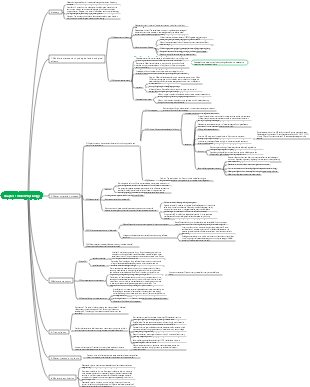
Mineral nutrition of plants
Essential mineral elements for plants
elements in plants
Fresh plants are cured at 105°C and dried at 75°C. The dry matter obtained is ashed at 600°C.
Gas: C®CO2 H.O®H2O Most N®NOx A small amount of S®H2S, SO2
Ash content: a small amount of N, most of S, all metallic elements and non-volatile metallic elements, a total of more than 70 kinds
Mineral elements: exist in ash in the form of oxides, so they are also called ash elements. Notice: 1. Nitrogen is not an ash element, but nitrogen, like ash elements, is absorbed by plants from the soil, and nitrogen is usually absorbed in the form of nitrates and ammonium salts, so nitrogen is discussed together with mineral elements. 2. The content of plant mineral elements is related to the plant species and the soil environmental conditions in which it lives.
Determination of essential mineral elements for plants
The International Society of Phytonutrition stipulates that essential elements of plants must meet the following three standards: 1. Indispensability: indispensable to complete the entire growth cycle of plants; 2. Irreplaceability: physiological functions cannot be replaced by other elements 3. Functional directness: the effect caused in the plant is direct
Determination method: solution culture method (hydroponic method)
Remove required elements ¯ ¯ Normal development Abnormal development ¯ ¯ Not a required element. Restore after adding this element. ¯ is a required element
Essential mineral elements for plants
Large amounts of elements (>10mmol/kg): C, O, H, N, P, K, Ca, Mg, S
Trace elements (<10mmol/kg): Cl, Fe, Mn, B, Zn, Cu, Ni, Mo
Physiological functions of essential mineral elements in plants
1. Composition of cellular structural materials 2. Regulator of plant life activities, participating in enzyme activities 3. Perform electrochemical functions, namely ion concentration balance, redox, electron transfer and charge neutralization. 4. Serves as the second messenger of cell signal transduction
Various essential physiological functions and deficiency diseases of essential mineral elements in plants
Nitrogen (element of life)
Main form of absorption
Inorganic nitrogen: ammonium nitrogen, nitrate nitrogen Organic nitrogen: urea, oligopeptides, etc.
Physiological function
1. Main components of proteins, nucleic acids, and phospholipids 2. Participate in the formation of coenzymes and prosthetic groups 3. Chlorophyll, certain plant hormones, vitamins, alkaloids, etc.
Symptoms after deficiency
The plants are short, the old leaves are small and light in color (low chlorophyll content) or red (sugar accumulates to form more anthocyanins), there are few branches, the grains are not full, and the yield is low.
Phosphorus (the second most important element after nitrogen)
Main form of absorption
Hydrogen phosphate, dihydrogen phosphate
Physiological function
1. Main components of nucleic acids, nucleoproteins, and phospholipids 2. Components of many coenzymes
Symptoms after deficiency
The plants are short, grow slowly, have dark green leaves (the chlorophyll content is relatively elevated) or red or purple (sugar accumulates to form more anthocyanins), have few branches, not full grains, low yield, and delayed flowering and maturity stages.
Potassium
Main form of absorption
Potassium ions
Physiological function
1. Affect osmotic potential and maintain intracellular electrical neutrality 2. Activator of more than 40 enzymes 3. Promote the synthesis of lignin and cellulose 4. Promote the conversion and transportation of sugars, and promote the expansion of roots, tubers and seeds.
Symptoms after deficiency
The tips and edges of old leaves are scorched, the stems are weak and prone to lodging, and their drought resistance and cold resistance are poor.
sulfur
Main form of absorption
sulfate ion
Physiological function
1. It contains S amino acids and sulfur lipids. 2. It is a component of iron-sulfur protein, thioredoxin, and nitrogenase, and participates in photosynthetic electron transfer and biological nitrogen fixation; 3. Composition of CoA, thiamine, biotin, etc.:.
Symptoms after deficiency
The symptoms are similar to nitrogen deficiency, but the chlorosis starts in young leaves and is normal in older leaves.
Calcium (mainly found in older tissues)
Main form of absorption
Calcium ions
Physiological function
Symptoms after deficiency
The formation of cell walls is blocked, growth is inhibited, and in severe cases, young organs (root tips, stem ends) become ulcerated and necrotic.
1. It is the component of calcium pectin in the intercellular layer of the cell wall. 2. Can maintain membrane stability 3. It is an activator of certain enzymes, such as ATPase succinate dehydrogenase, etc. 4. Participate in photosynthesis and oxygen release 5. The Ca-CaM system functions as a second messenger
magnesium
Main form of absorption
Magnesium ions
Physiological function
1. Components of chlorophyll, involved in photosynthesis 2. Enzyme activators or components, activating phosphokinase, various phosphomutases, etc. 3. Promote protein and nucleic acid synthesis
Symptoms after deficiency
The mesophyll of old leaves turns yellow, sometimes reddish-purple, and the veins are still green.
Physiological effects of macroelements (N, P, K, S, Ca, Mg) N, P, and K are in large demand and require artificial supplementation. They are also called the three elements of fertilizer.
iron
Main form of absorption
Ferrous ion chelates
Physiological effects
1. Elements that make up cytochrome, non-heme ferritin, nitrogenase, etc. 2. Participate in electron transfer in photosynthesis, respiration, and nitrogen metabolism 3. Affect the synthesis of chlorophyll and chloroplast proteins
Symptoms after deficiency
When the chlorosis between the veins of young leaves is severe, the leaves will become white, which is easy to occur in alkaline soil.
manganese
Main form of absorption
Manganese ions
Physiological effects
1. Main members of the photosynthetic oxygen-emitting complex 2. Necessary elements to maintain the normal structure of chlorophyll 3. Activator of many enzymes
Symptoms after deficiency
Interveinal chlorosis of young leaves
Boron (higher in flowers)
Main absorption form
borate ion
Physiological effects
1. Promote pollen germination and pollen tube elongation 2. Components of cell wall 3. Promote the synthesis and transportation of sugar, such as sucrose
Symptoms after deficiency
Only flowers but no fruits, "flowers but no reality, no friends"
zinc
Main form of absorption
Zinc ions
Physiological effects
1. An essential element for the synthesis of auxin precursor tryptophan 2. Necessary elements for the synthesis of chlorophyll 3. Components of carbonic anhydrase, glutamate dehydrogenase and carboxypeptidase
Symptoms after deficiency
The plant stems have short internodes, rosette shape, small and deformed leaves, and chlorotic leaves.
copper
Main form of absorption
copper ions or cuprous ions
Physiological effects
1. Components of some oxidoreductases 2. It is a component of plastocyanin and participates in photosynthetic electron transfer.
Symptoms after deficiency
Starting from the young leaves, the leaves are wrinkled, blue -green
molybdenum
Main form of absorption
Molybdate or hydrogen molybdate
Physiological effects
1. It is a component of nitrate reductase 2. Form nitrogenase and participate in the nitrogen fixation of rhizobia.
Symptoms after deficiency
Old leaves have chlorosis between veins and necrotic spots
chlorine
Main form of absorption
Chloride ion
Physiological effects
1. Participate in the photo-liberated oxygen of water 2. Participate in the division of leaves and roots 3. Participate in the regulation of osmotic potential
Symptoms after deficiency
The leaves of the plant are small, the leaf tips are dry, yellow, and eventually necrotic; the roots grow slowly and the root tips are thick.
nickel
Main form of absorption
Nickel ions
Physiological effects
1. It is a component of urease 2. It is a component of nitrogen-fixing bacteria dehydrogenase
Symptoms after deficiency
Urea accumulation, root tip necrosis
Physiological effects of trace elements (Fe, Mn, B, Cu, Zn, Mo, Cl, Ni)
Diagnosis of mineral element deficiencies in crops
Disease diagnosis method: Judgment based on changes in the shape and color of tissues and organs Diagnosis of deficiency disorder: Symptoms begin in old leaves and often lack N, P, K, Mg, and Zn Symptoms begin on new leaves and often lack Ca, B, Cu, Mn, Fe, and S Shows chlorosis and often lacks Fe, Mg, Mn, S, N, and K
Chemical analysis diagnostic method: Use leaves as materials to analyze the chemical composition of diseased plants and compare it with the chemical composition of normal plants.
Absorption of mineral elements
Absorption of mineral elements by plant cells
The plasma membrane is selectively permeable for the absorption of various substances
selective absorption
simple diffusion
facilitated diffusion
Channel transportation
Ion channel transport
Ion channel: It is an intrinsic protein on the cell membrane. The polypeptide chain in the molecule is folded into a channel that spans both sides of the membrane. It can selectively control the passive and unidirectional transport of ions across the membrane along the electrochemical potential gradient. Only transports ions and is selective. Known plant cell ion channels: potassium ions, sodium ions, calcium ions, chloride ions, nitrate ions, malate channels, etc.
carrier transport
Carrier (carrier protein, transporter): It is an intrinsic membrane protein that selectively binds to molecules or ions on one side of the membrane to form a carrier-substance complex. Through changes in the carrier conformation, molecules or ions are released to the membrane through the membrane. the other side.
Uniporter: catalyzes the transport of molecules or ions across a membrane in one direction along the electrochemical potential gradient. Such as transporting carriers such as ferrous ions, zinc ions, manganese ions, cadmium ions and sucrose.
Co-transporter
reverse transporter
subtopic
Ion pump transport
proton pump
Calcium pump
No selective absorption
pinocytosis
Absorption of mineral elements by plants
Transportation and Utilization of Mineral Elements
Transport of mineral elements
form of transport
transportation route
Utilization of mineral elements in plants
Assimilation of nitrogen, sulfur and phosphorus by plants
Nitrogen assimilation
Assimilation of sulfate
Phosphate assimilation
The physiological basis of rational fertilization
Fertilizer requirement of crops
Indicators for reasonable top dressing
Measures to exert fertilizer effect
selective absorption
No selective absorption